Educational article
Thyroid: Treatment Alternatives and What You Can Really Expect

Dr. Teresita Cortés Segura, medical reviewer
Author and medical review: Dra. Teresita del Niño Jesús Cortés Segura, endocrinologist.
Location: Bogotá, Colombia.
Published: July 10, 2026 · Updated: July 10, 2026 · 5 min read.
Educational content. It does not replace an individual medical assessment and should not be used for self-medication.
Introduction
Thyroid conditions, such as hypothyroidism and hyperthyroidism, can significantly affect patients' quality of life. This article explores the available treatment options and what can be expected from each.
1. Medications
Medications are the first line of treatment for many thyroid conditions. For example, levothyroxine is used for hypothyroidism, while antithyroid drugs may be prescribed for hyperthyroidism. It is essential to follow medical instructions, attend regular check-ups, and be aware of possible side effects, such as changes in weight or energy levels.
2. Radioactive Iodine Therapy
This treatment is common for hyperthyroidism and involves administering radioactive iodine to reduce thyroid gland activity. Patients may require follow-up and medication adjustments to optimize results.
3. Surgery
Surgery may be necessary in cases of large thyroid nodules or thyroid cancer. It is crucial to discuss the risks and benefits with your endocrinologist to make informed treatment decisions.

4. Lifestyle Changes
Adopting healthy habits, such as a balanced diet rich in nutrients and regular exercise, can complement treatment. Examples include increasing fruit and vegetable intake and engaging in physical activity for at least 150 minutes per week. Always consult your doctor about which changes are appropriate for you.
5. Continuous Monitoring
Thyroid conditions require regular follow-up. It is vital to perform blood tests to assess hormone levels and adjust treatment as needed. Ongoing communication with your endocrinologist is key.
6. Long-Term Expectations
Each patient is different, and expectations may vary. It is crucial to have open communication with your endocrinologist and establish an individualized follow-up plan that fits your needs.
When to seek medical care
If symptoms persist, test results are abnormal, or you have questions about medication, arrange an individual assessment. Do not change treatment or doses without medical guidance.
Frequently asked questions
How long does it take to see results from treatment?
Results can vary; some patients notice changes within weeks, while others may take months. It is important to be patient and follow medical instructions.
Is constant follow-up necessary after treatment?
Yes, follow-up is essential to adjust treatment and ensure hormone levels remain within a healthy range. This helps prevent complications.
Are there side effects from thyroid treatments?
Yes, each treatment can have side effects. It is important to discuss these with your doctor before starting any therapy so you can be prepared and manage them appropriately.
More articles about Tiroides

5 min de lectura
Publicado: 27 de septiembre de 2026 · Actualizado: 27 de septiembre de 2026
Factors to Consider When Thyroid Treatment Does Not Work as Expected
Analyzes factors that can influence the effectiveness of treatments for hypothyroidism and hyperthyroidism and how to address them effectively.

5 min de lectura
Publicado: 23 de septiembre de 2026 · Actualizado: 23 de septiembre de 2026
How to Manage Your Thyroid Health During Travel and Time Zone Changes in Bogotá
Learn how to care for your thyroid health during travel and time zone changes with practical advice and healthy habits.

8 min de lectura
Publicado: 21 de septiembre de 2026 · Actualizado: 21 de septiembre de 2026
Key Indicators That May Signal Complications in Thyroid Diseases
Discover the warning signs that may indicate cardiovascular and metabolic complications in thyroid diseases and when to seek medical attention.
6 min de lectura
Publicado: 12 de septiembre de 2026 · Actualizado: 12 de septiembre de 2026
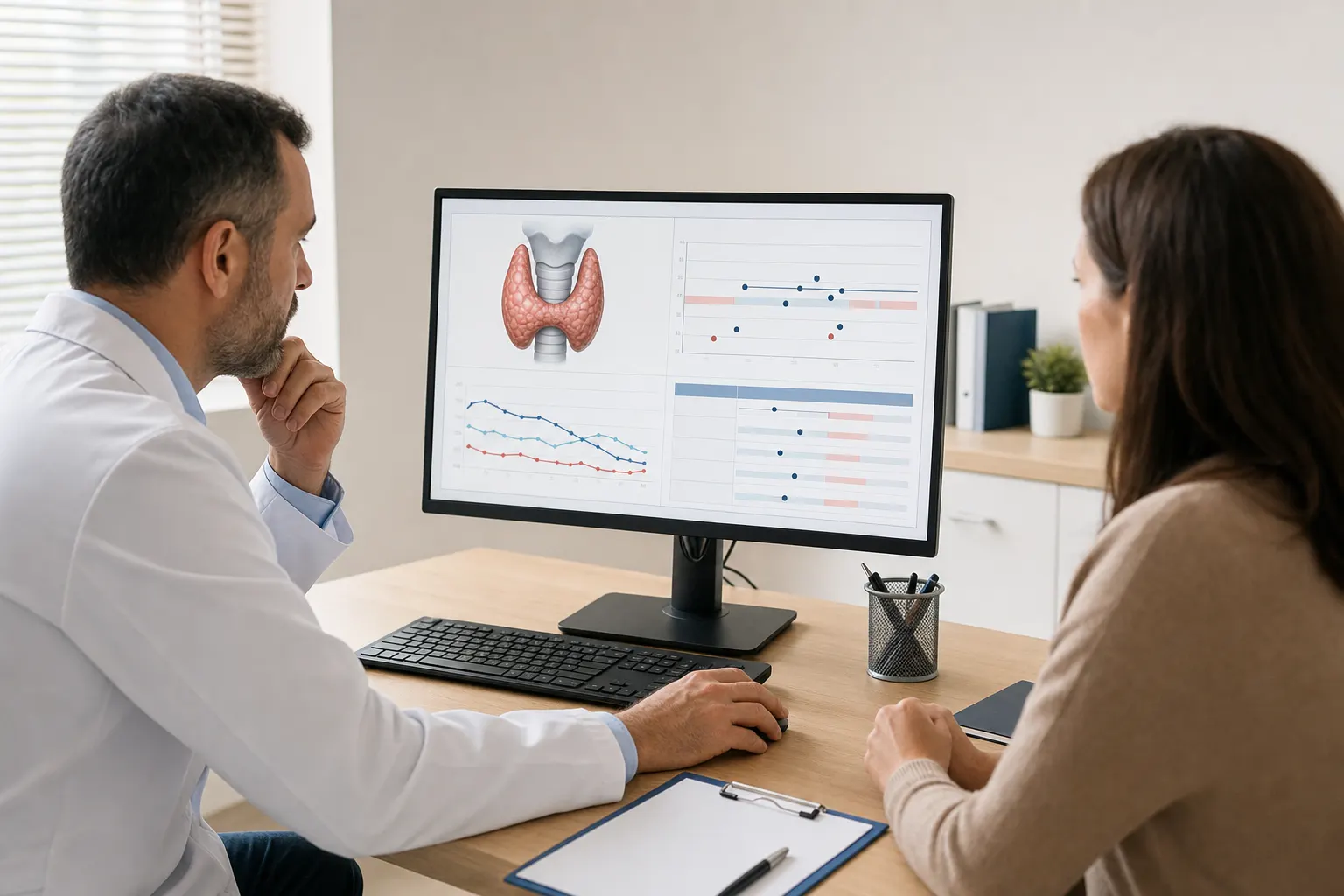
Thyroid: How to Interpret Altered Results in Thyroid Function Tests
Learn how to interpret altered thyroid test results and their impact on health in Bogotá. Understand symptoms, diagnoses, and next steps.

5 min de lectura
Publicado: 6 de septiembre de 2026 · Actualizado: 6 de septiembre de 2026
Signs Indicating the Need to Consult About Thyroid Problems
Discover the signs and symptoms that may indicate thyroid problems and when it is necessary to consult a specialist.

8 min de lectura
Publicado: 24 de septiembre de 2026 · Actualizado: 24 de septiembre de 2026
Personalized Treatment of Hypothyroidism: Keys to Informed Decision-Making
Discover the factors that influence the personalization of hypothyroidism treatment and how to make informed decisions in Bogotá.