Educational article
Diabetes emergency signs: when to get urgent help

Educational content. It does not replace an individual medical assessment and should not be used for self-medication.
When to get urgent help
Call emergency services or go to an emergency department for loss of consciousness, seizures, breathing difficulty or rapid deterioration. If someone is unconscious or cannot swallow, avoid giving food or drink by mouth.
Severe low glucose
Low glucose can cause shaking, sweating or confusion. It is severe when someone needs help to treat it. If the person has a glucagon plan and someone knows how to use it, follow that plan and call for emergency help.
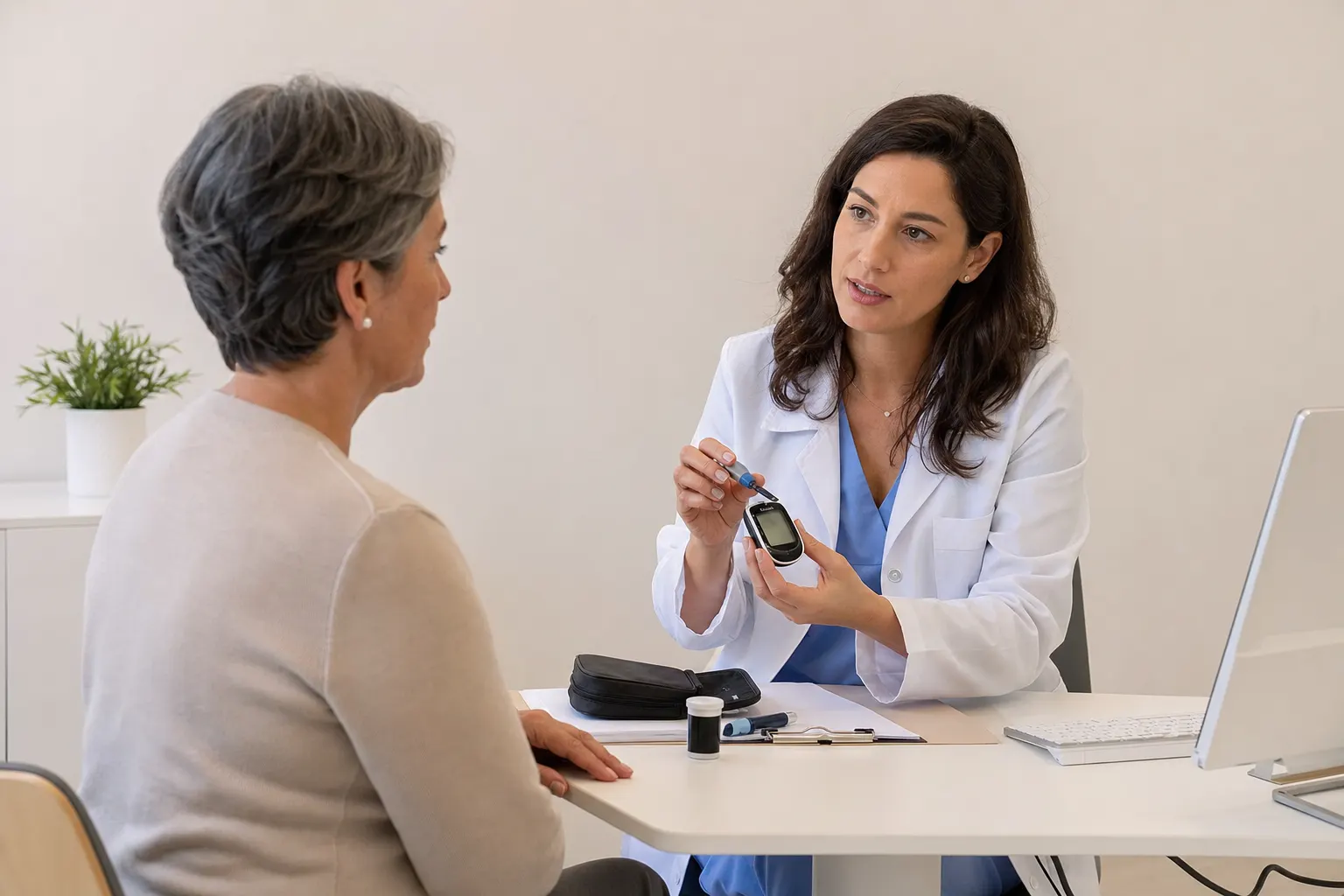
Signs of possible diabetic ketoacidosis
Diabetic ketoacidosis is an emergency. Signs can include fast, deep breathing, persistent vomiting, abdominal pain or fruity breath. Seek urgent care if you suspect ketoacidosis or detect high ketones.
What to plan before you get sick
Ask your care team what to check, when to get help and whom to call when you are ill or have repeated episodes. Bring a record of glucose, symptoms, medicines and what you did at the time so you can review the pattern at your visit.
When to seek medical care
If symptoms persist, test results are abnormal, or you have questions about medication, arrange an individual assessment. Do not change treatment or doses without medical guidance.
Frequently asked questions
What if the person cannot swallow?
Get emergency care. Do not give food or liquids by mouth.
What should a sick-day plan include?
Ask what to monitor, when to check ketones and which signs mean you should seek urgent help.
References
Does this topic resonate with you?
Every case is different. Book a consultation to review your history, test results and goals with a personalized plan.
More articles about Diabetes
6 min de lectura
Publicado: 1 de enero de 2025 · Actualizado: 21 de abril de 2026
Hypoglycemia: Recognition and Prevention
Symptoms of low blood sugar, common causes, and strategies for prevention and initial management with an educational focus for patients.
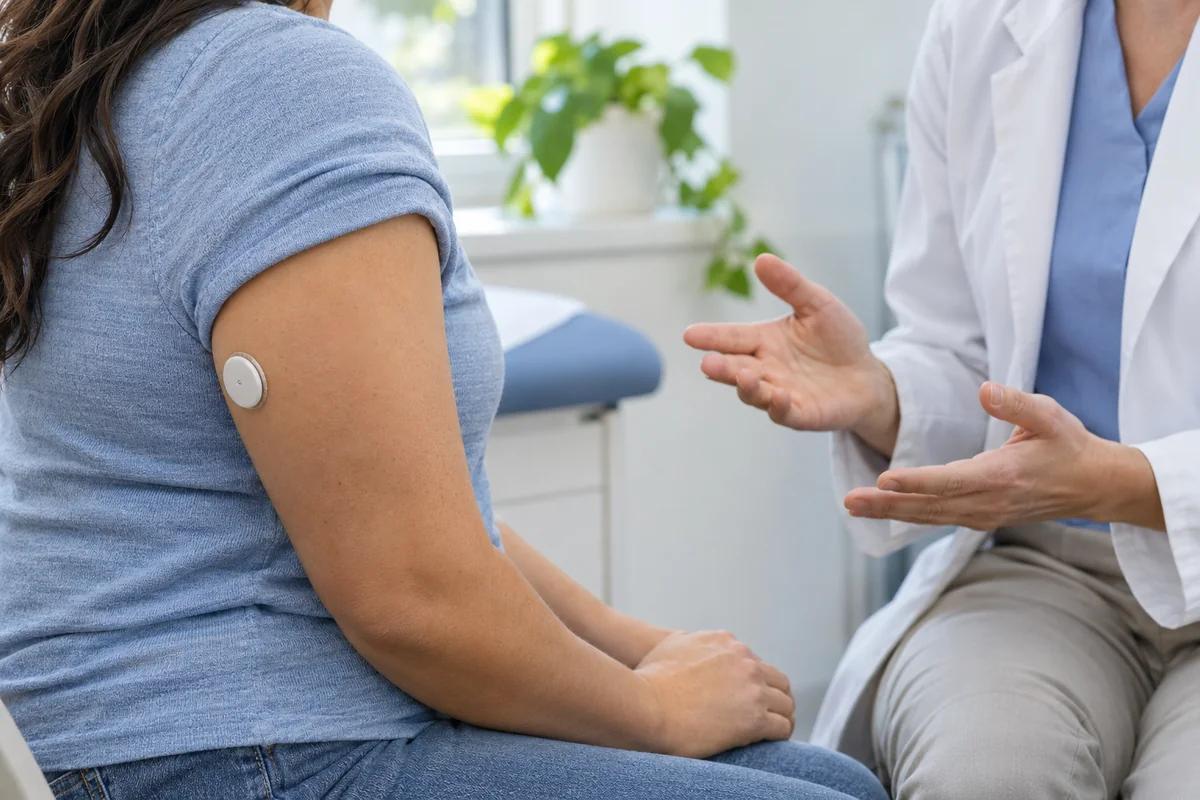
4 min de lectura
Publicado: 16 de noviembre de 2026 · Actualizado: 16 de noviembre de 2026
Continuous glucose monitoring: how to read your CGM
Understand what a continuous glucose monitor measures, what arrows and time in range tell you, and what to bring to a diabetes visit.

3 min de lectura
Publicado: 16 de noviembre de 2026 · Actualizado: 16 de noviembre de 2026
Diabetes medication side effects: what to watch for
Distinguish digestive symptoms, low glucose and warning signs. Learn what to record if symptoms appear after a diabetes medication change.

4 min de lectura
Publicado: 16 de noviembre de 2026 · Actualizado: 16 de noviembre de 2026
Insulin resistance: what it means and how clinicians assess it
Understand the difference between insulin resistance and prediabetes, and which information and tests can guide evaluation.

5 min de lectura
Publicado: 27 de octubre de 2026 · Actualizado: 27 de octubre de 2026
Going Home After Giving Birth with Diabetes: Connecting Your Hospital Plan with Follow-Up Care
What to confirm before discharge if you have type 1 or type 2 diabetes: who will continue your care, which documents to keep, and how to prepare for your first follow-up visit.

5 min de lectura
Publicado: 29 de septiembre de 2026 · Actualizado: 29 de septiembre de 2026
Type 2 Diabetes Prevention: Which Risk Factors Can and Can’t Change
Learn which type 2 diabetes risk factors can be addressed and which cannot be changed. It may be possible to reduce risk, but this does not guarantee that the disease can be prevented.