Educational article
Diabetes medication side effects: what to watch for

Educational content. It does not replace an individual medical assessment and should not be used for self-medication.

Identify which medicine changed
Before attributing a symptom to treatment, note which product or dose changed and when. Diabetes and other health problems can also cause symptoms. Bring a current list with each medicine, formulation and schedule.
Risks vary by medication class
Metformin can cause digestive symptoms. Some medicines that act on GLP‑1 may also cause nausea or other gastrointestinal effects. Insulin and certain tablets, such as sulfonylureas, can cause low glucose. The risks can change when treatments are combined.
What to do about severe symptoms
If you have symptoms of low glucose, follow your plan to check and treat it. Loss of consciousness, seizures, difficulty breathing or rapid deterioration require emergency care. Persistent vomiting and abdominal pain with suspected diabetic ketoacidosis also need urgent attention.
What to bring to a visit
Note when symptoms occurred, the medicine you took and any glucose reading from that time. Ask which effects may improve, when to call and what to do if you cannot eat or drink. Discuss which changes require guidance and avoid stopping insulin on your own.
When to seek medical care
If symptoms persist, test results are abnormal, or you have questions about medication, arrange an individual assessment. Do not change treatment or doses without medical guidance.
Frequently asked questions
Can all diabetes medicines cause low glucose?
Risk varies. Insulin and some medications that increase insulin release require particular attention.
What if symptoms keep coming back?
Contact your team and describe the pattern and your medicines. Get immediate help for emergency signs.
References
Does this topic resonate with you?
Every case is different. Book a consultation to review your history, test results and goals with a personalized plan.
More articles about Diabetes
5 min de lectura
Publicado: 29 de julio de 2026 · Actualizado: 29 de julio de 2026
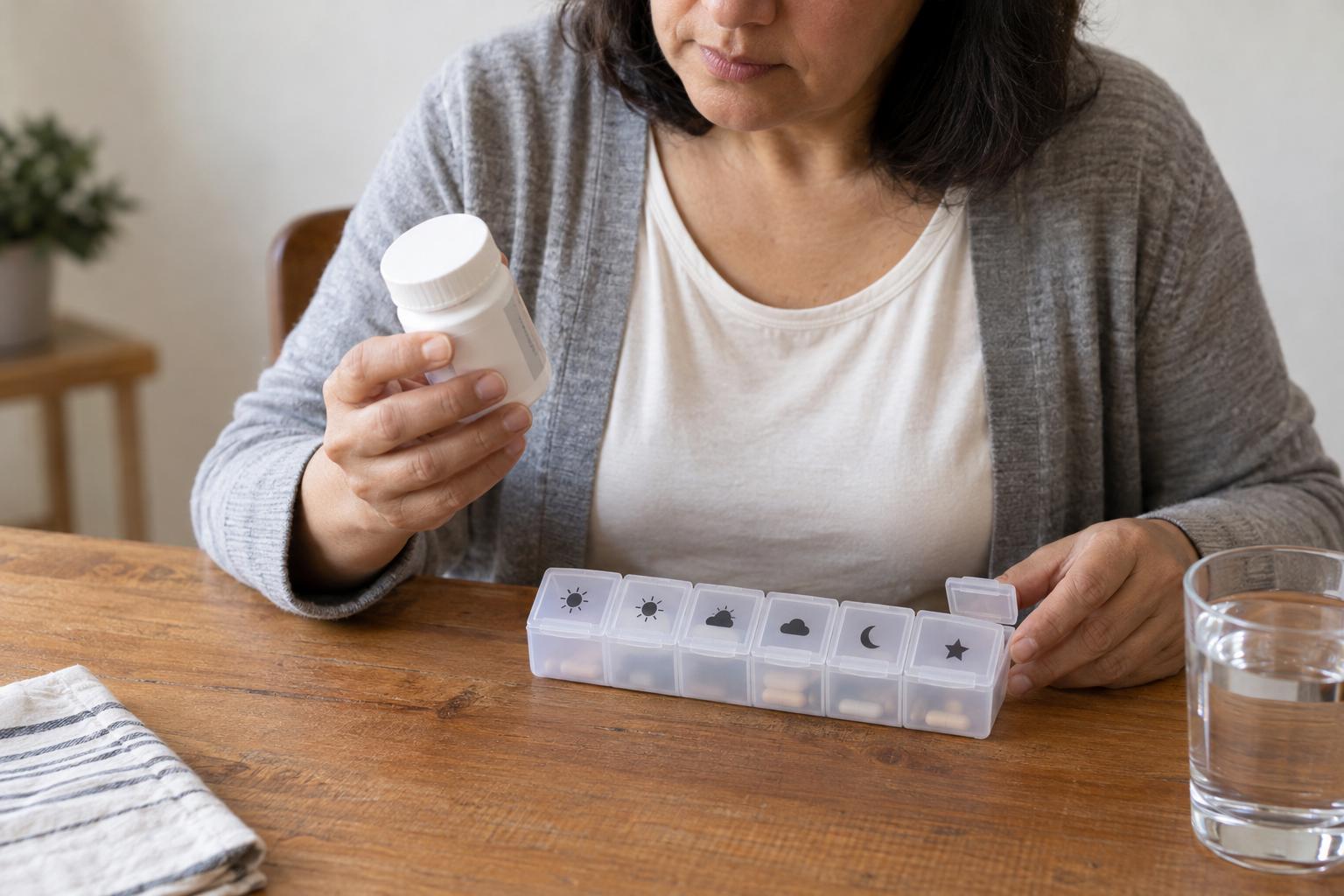
Diabetes Medications: Usage Mistakes to Help Prevent
Learn how to verify medication instructions, what to do if you miss a dose, and when to check with your care team before changing schedules, combining products, or modifying your diabetes treatment.
5 min de lectura
Publicado: 10 de julio de 2026 · Actualizado: 16 de noviembre de 2026
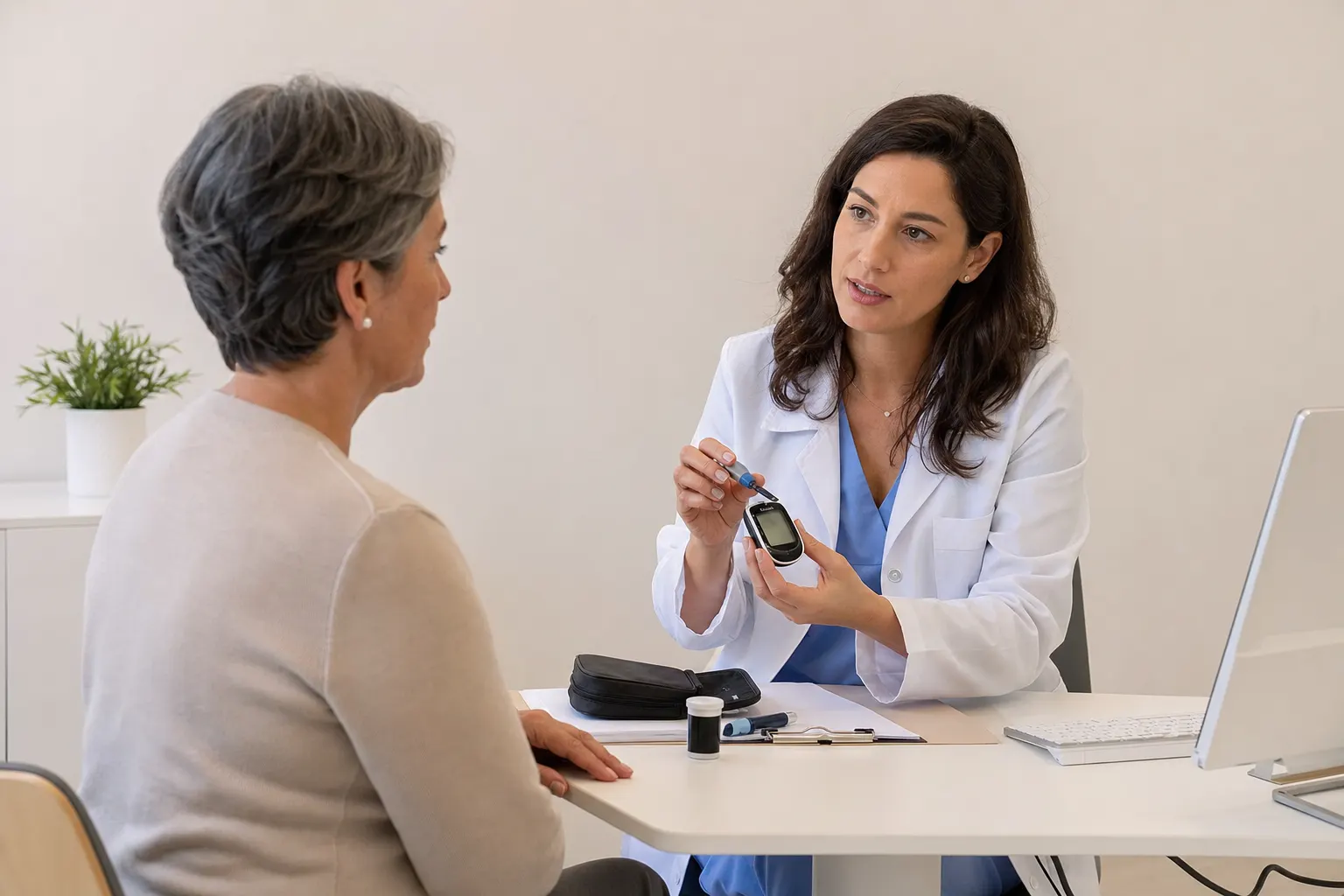
Diabetes emergency signs: when to get urgent help
Recognize warning signs of severe low glucose and possible diabetic ketoacidosis, and know when to get urgent help.

4 min de lectura
Publicado: 16 de noviembre de 2026 · Actualizado: 16 de noviembre de 2026
Continuous glucose monitoring: how to read your CGM
Understand what a continuous glucose monitor measures, what arrows and time in range tell you, and what to bring to a diabetes visit.

4 min de lectura
Publicado: 16 de noviembre de 2026 · Actualizado: 16 de noviembre de 2026
Insulin resistance: what it means and how clinicians assess it
Understand the difference between insulin resistance and prediabetes, and which information and tests can guide evaluation.

5 min de lectura
Publicado: 27 de octubre de 2026 · Actualizado: 27 de octubre de 2026
Going Home After Giving Birth with Diabetes: Connecting Your Hospital Plan with Follow-Up Care
What to confirm before discharge if you have type 1 or type 2 diabetes: who will continue your care, which documents to keep, and how to prepare for your first follow-up visit.
6 min de lectura
Publicado: 4 de octubre de 2026 · Actualizado: 4 de octubre de 2026
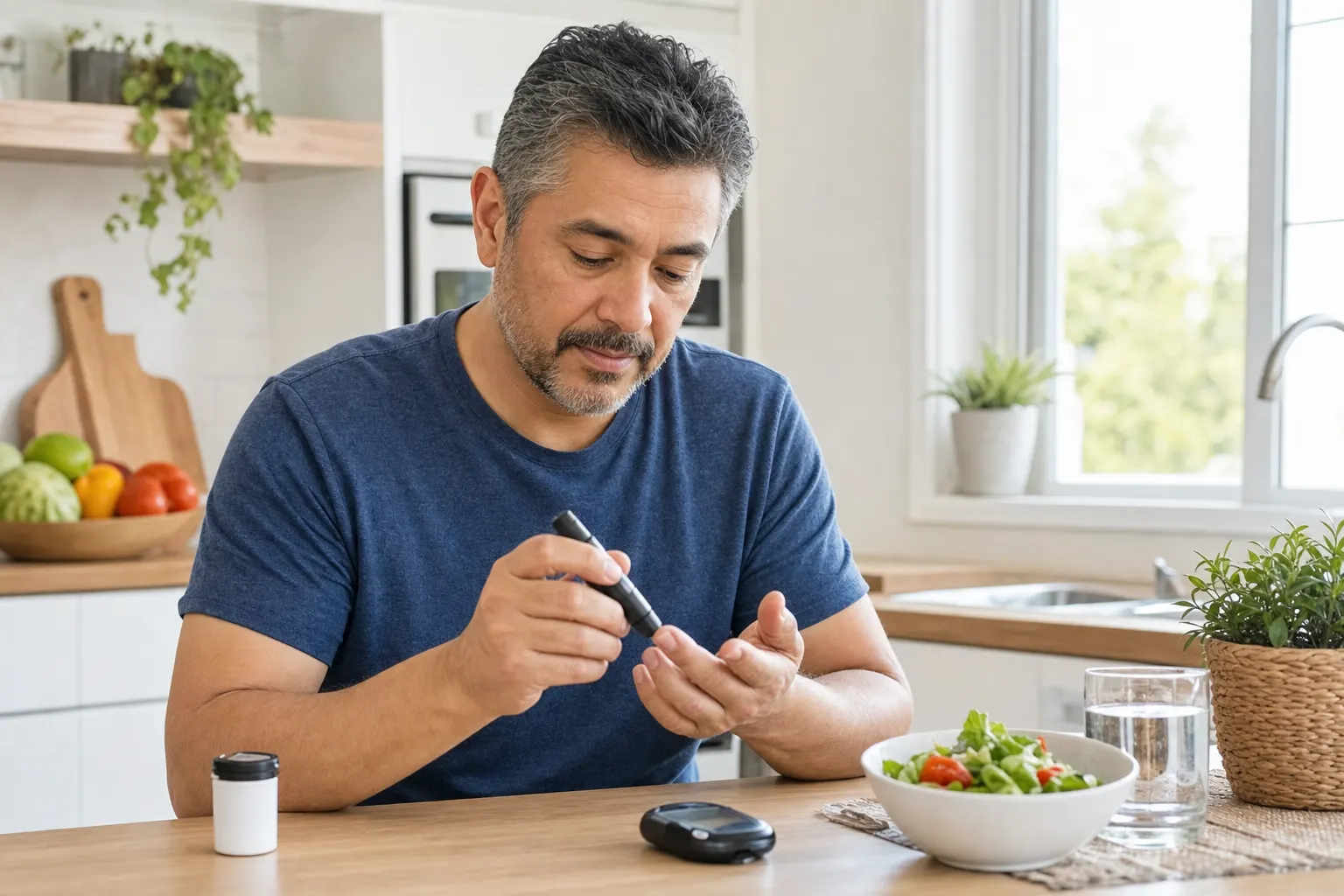
Everyday Strategies to Minimize Complications in Diabetes
Discover practical and effective strategies to prevent complications in diabetes and improve your quality of life in Bogotá.