Educational article
Periods That Change Their Rhythm: Thyroid, Prolactin, and Other Hormonal Causes Under Evaluation

Educational content. It does not replace an individual medical assessment and should not be used for self-medication.

An irregular cycle is a symptom, not a diagnosis
Menstruation can vary from person to person and change over time. Cycles are considered irregular when the intervals between periods become persistently longer, shorter, or less predictable than a person’s usual pattern. That pattern alone does not identify the cause: it may be related to changes in ovulation, endocrine conditions, or other circumstances. Irregular cycles alone also do not confirm polycystic ovary syndrome (PCOS).
How the thyroid and prolactin may play a role
Thyroid hormones are involved in several processes in the body, including reproductive function. Both low and high thyroid activity may be associated with changes in menstruation or ovulation in some people. Prolactin, a hormone that normally plays a role in milk production, can also affect the hormonal signals that regulate ovulation when levels are elevated. Any finding is interpreted alongside symptoms and context; a result on its own does not necessarily explain a cycle change.
Ovulation and ovarian function can also change
The regularity of bleeding is often related to how frequently ovulation occurs. If ovulation is delayed or does not occur in some cycles, periods may become less frequent or unpredictable. Changes in ovarian function have different causes, and their interpretation depends, among other factors, on age and reproductive stage. One irregular cycle does not allow a conclusion that a specific ovarian condition is present.
Other circumstances that may affect the cycle
When relevant, pregnancy is considered. Breastfeeding, perimenopause, major weight changes, intense exercise, and periods of stress may also play a role for some people. These factors do not explain every case and should not be treated as blame or as a universal explanation. An evaluation considers the full range of circumstances and does not automatically attribute the change to a single cause.
What guides a medical evaluation
A medical history helps clarify when the changes began, what the cycles and bleeding are like, whether pregnancy is possible, which medications are being used, and whether there are associated symptoms. Depending on the situation, a pregnancy test or tests of thyroid function, prolactin, or other hormones may be considered. The selection depends on symptoms, age, and circumstances: not everyone needs the same tests or a complete panel of tests.
Common mistakes when interpreting irregular cycles
It is best to avoid assuming that PCOS is the cause just because the cycle has changed, or concluding that stress or weight explains everything. It is also not advisable to order multiple tests on your own, take supplements, or start treatments without an individualized evaluation. Results are interpreted in context, and sometimes a clinician may recommend follow-up to observe how things develop.
When to seek an evaluation
Seek guidance if the change in your menstrual pattern persists, if you stop menstruating, or if you have very heavy bleeding. If bleeding is intense or accompanied by symptoms that affect your overall well-being, seek prompt medical care. It is also appropriate to seek guidance when unpredictable cycles occur alongside other concerning changes or pregnancy is possible. Care can help determine whether tests are needed and which steps are appropriate for each case. This article is for educational purposes and does not replace a medical consultation.
When to seek medical care
If symptoms persist, test results are abnormal, or you have questions about medication, arrange an individual assessment. Do not change treatment or doses without medical guidance.
Frequently asked questions
Do irregular cycles mean I have PCOS?
No. Irregular cycles can have different explanations and, on their own, do not diagnose PCOS. An evaluation considers medical history, symptoms, and, when appropriate, selected tests.
Are thyroid and prolactin tests always needed?
Not necessarily. A clinician decides which tests may be useful based on the cycle pattern, symptoms, age, and other circumstances. Not everyone needs the same tests.
Do stress or weight changes necessarily explain irregular menstruation?
No. They may play a role for some people, as may intense exercise, breastfeeding, or perimenopause, but they are not universal explanations. If the change persists, you stop menstruating, or bleeding is very heavy, seek an evaluation.
Does this topic resonate with you?
Every case is different. Book a consultation to review your history, test results and goals with a personalized plan.
More articles about Female reproductive endocrinology

5 min de lectura
Publicado: 7 de noviembre de 2026 · Actualizado: 7 de noviembre de 2026
From the First Period to Adult Cycles: How Menstrual Patterns Change With Age
Learn how the menstrual cycle may vary during the first years after menarche, what information to track, and which changes may warrant a clinical evaluation.

5 min de lectura
Publicado: 5 de noviembre de 2026 · Actualizado: 5 de noviembre de 2026
Hormonal Treatments for Menstrual Cycle Disorders: Safe Decisions Before Starting or Changing Treatment
What to review before starting, restarting, or changing hormonal treatment for menstrual disorders, what to do about a missed dose, and when to seek guidance.

6 min de lectura
Publicado: 5 de noviembre de 2026 · Actualizado: 5 de noviembre de 2026
Eating to Support Your Reproductive Health: Practical Habits Without Extreme Diets
General guidance on eating a varied and sufficient diet, its role in reproductive health care, and why no food can guarantee menstrual cycle or hormone regulation.

6 min de lectura
Publicado: 2 de noviembre de 2026 · Actualizado: 2 de noviembre de 2026
Inherited and Acquired Factors in Ovarian Health: Useful Questions to Organize Your History
Learn what family and personal information can help put menstrual changes and ovarian function into context, and why that history alone is not enough to establish a diagnosis.

5 min de lectura
Publicado: 1 de noviembre de 2026 · Actualizado: 1 de noviembre de 2026
Trying to Get Pregnant and Noticing Changes in Your Cycle? What Information to Bring to Your Appointment
What dates, medical history, and medications to bring to an appointment if you are trying to get pregnant and have noticed changes in your menstrual cycle.
6 min de lectura
Publicado: 20 de octubre de 2026 · Actualizado: 20 de octubre de 2026
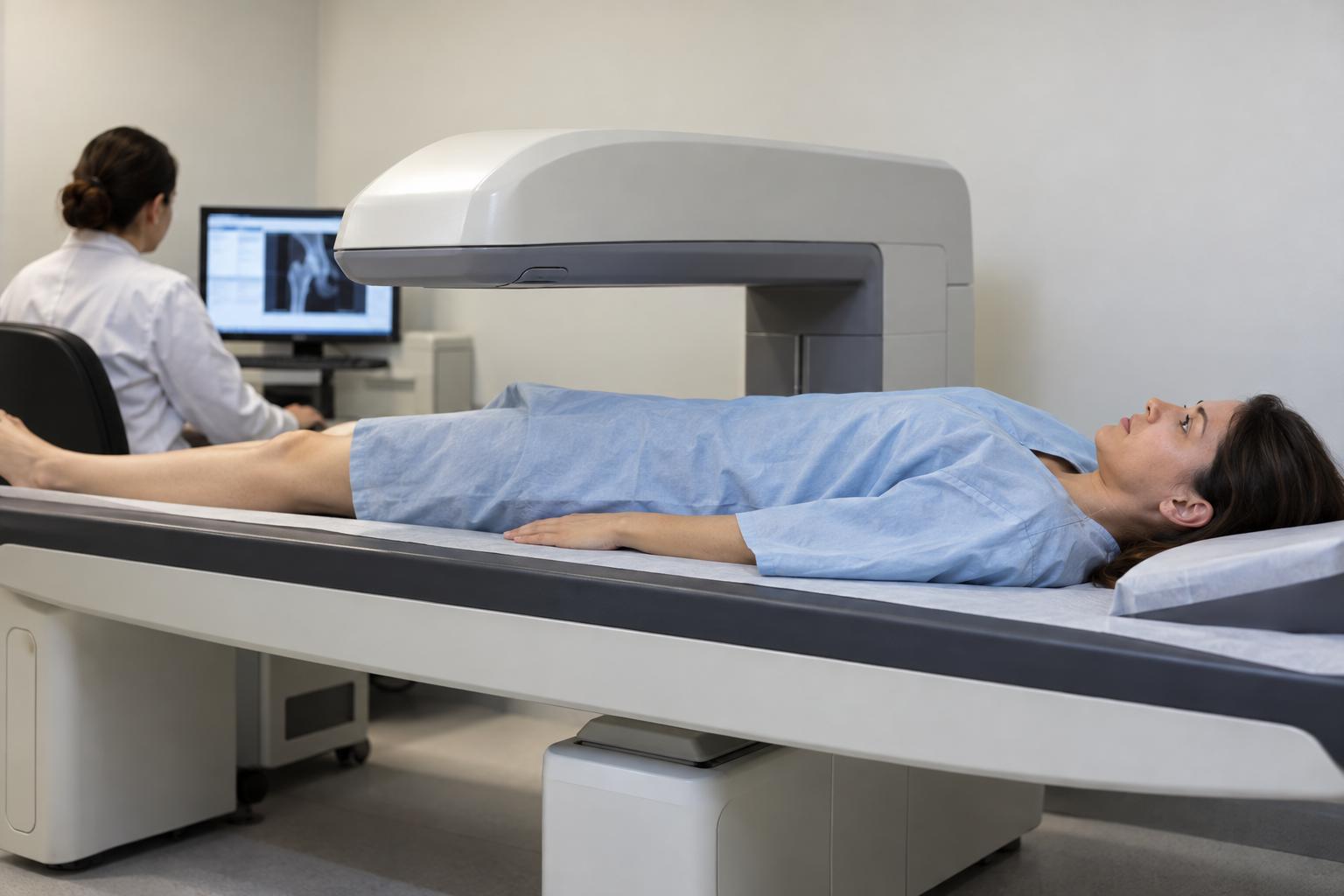
Months Without a Period: Why It’s Worth Checking Bone Health Too
A missed period can have many causes. Learn when to rule out pregnancy, how clinicians decide whether to assess bone density, and when to seek medical guidance.