Educational article
Months Without a Period: Why It’s Worth Checking Bone Health Too

Educational content. It does not replace an individual medical assessment and should not be used for self-medication.
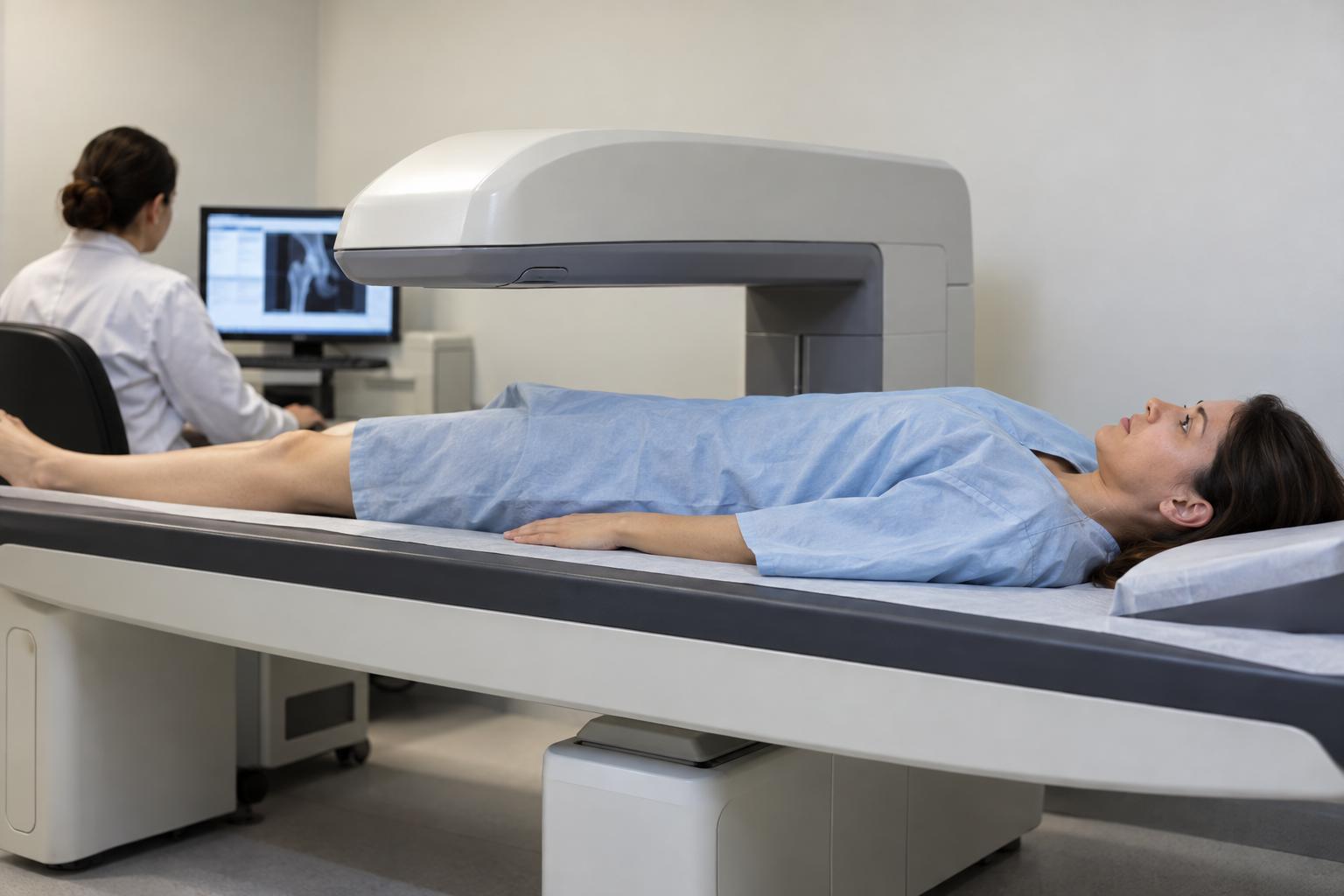
Do several months without a period always mean there is a bone problem?
No. Ongoing absence of menstruation, called amenorrhea, can have various causes, and not all of them affect the bones. Some causes reduce exposure to estrogen—a situation known as hypoestrogenism—and, if prolonged, may affect the preservation of bone mass. Risk depends on the cause, how long the condition has been present, and other factors; it cannot be determined solely by the number of months without a period.
Myth: “If I have no other symptoms, there’s no need to find out the cause”
Having no other symptoms does not identify the cause or rule out effects that may be worth monitoring. If there is no known explanation, such as pregnancy or breastfeeding, consult a health professional. As a general guideline, no menstrual period for three months in someone whose cycles were previously regular—or for six months if their cycles were already irregular—usually warrants evaluation. The appropriate timing may vary depending on age, medical history, and context. Possible causes include hormonal factors, changes in weight or eating habits, intense exercise, stress, medications, gynecologic conditions, and other illnesses.
First step: rule out pregnancy if possible
If pregnancy is possible, it is advisable to rule it out as part of the evaluation, even if your cycles were irregular. The health professional can then review your medical history, medications, weight changes, eating habits, physical activity, and other symptoms to guide next steps. It is not advisable to attribute the absence of menstruation to a single cause without an evaluation.
How is it decided whether the bones need to be assessed?
Your medical history helps determine whether blood tests, a nutritional assessment, or bone density testing are needed. Factors considered include the likely cause, how long you have gone without a period, possible signs of low estrogen levels, a history of fractures, and other factors that affect the bones. Bone density testing is not automatically recommended just because someone has amenorrhea; it is requested when it may provide useful information for care.
What is the relationship between the menstrual cycle and bone and metabolic health?
When certain causes of amenorrhea reduce estrogen levels over a prolonged period, bone health may be affected. Depending on the circumstances, the health care team may also review nutrition, energy availability, and other metabolic aspects. This does not mean that every absence of menstruation causes osteoporosis or that a single test can explain every case.
When to seek medical guidance
Seek an evaluation if your period has stopped for several months, especially if your cycles were previously regular or you do not know the cause. Also mention significant changes in weight or eating habits, very intense exercise, persistent bone pain, or a fracture after a minor impact. These details do not confirm a diagnosis on their own, but they can help determine what evaluation is needed and when.
Myth: “Hormones or supplements work for everyone”
Treatment depends on the cause and individual needs. It may involve addressing an underlying condition, reviewing nutritional factors, or considering other options with your care team. Do not start hormones, calcium, vitamin D, or other supplements on your own: they may not be appropriate and do not replace an evaluation of the cause.
How to prepare for your appointment
Write down the date of your last period and what your cycles were like before the change. Bring previous test results and a list of medications or supplements, if you have them, and mention changes in weight, eating habits, physical activity, bone pain, or fractures. The health professional will decide whether tests or other studies are needed and agree on follow-up based on the findings. This content is educational and does not replace a medical evaluation.
When to seek medical care
If symptoms persist, test results are abnormal, or you have questions about medication, arrange an individual assessment. Do not change treatment or doses without medical guidance.
Frequently asked questions
Should I have a bone density scan because I haven’t had a period for several months?
Not necessarily. The decision depends on the likely cause, how long the amenorrhea has lasted, your medical history, and other bone health factors; it is not a universal test.
Does not having a period mean I have osteoporosis?
No. Amenorrhea has many possible causes and does not always affect the bones. Some causes, especially those associated with prolonged hypoestrogenism, may warrant an individual assessment.
What should I do if pregnancy is possible?
It is advisable to rule out pregnancy and consult a health professional to assess the absence of menstruation and its possible causes. Do not self-medicate or start hormones or supplements without professional guidance.
Does this topic resonate with you?
Every case is different. Book a consultation to review your history, test results and goals with a personalized plan.
More articles about Female reproductive endocrinology

5 min de lectura
Publicado: 7 de noviembre de 2026 · Actualizado: 7 de noviembre de 2026
From the First Period to Adult Cycles: How Menstrual Patterns Change With Age
Learn how the menstrual cycle may vary during the first years after menarche, what information to track, and which changes may warrant a clinical evaluation.

5 min de lectura
Publicado: 5 de noviembre de 2026 · Actualizado: 5 de noviembre de 2026
Hormonal Treatments for Menstrual Cycle Disorders: Safe Decisions Before Starting or Changing Treatment
What to review before starting, restarting, or changing hormonal treatment for menstrual disorders, what to do about a missed dose, and when to seek guidance.

6 min de lectura
Publicado: 5 de noviembre de 2026 · Actualizado: 5 de noviembre de 2026
Eating to Support Your Reproductive Health: Practical Habits Without Extreme Diets
General guidance on eating a varied and sufficient diet, its role in reproductive health care, and why no food can guarantee menstrual cycle or hormone regulation.

6 min de lectura
Publicado: 2 de noviembre de 2026 · Actualizado: 2 de noviembre de 2026
Inherited and Acquired Factors in Ovarian Health: Useful Questions to Organize Your History
Learn what family and personal information can help put menstrual changes and ovarian function into context, and why that history alone is not enough to establish a diagnosis.

5 min de lectura
Publicado: 1 de noviembre de 2026 · Actualizado: 1 de noviembre de 2026
Trying to Get Pregnant and Noticing Changes in Your Cycle? What Information to Bring to Your Appointment
What dates, medical history, and medications to bring to an appointment if you are trying to get pregnant and have noticed changes in your menstrual cycle.

5 min de lectura
Publicado: 2 de octubre de 2026 · Actualizado: 2 de octubre de 2026
When Hormone Tests and Ultrasound Don’t Match: How to Put Findings Together Without Rushing to a Diagnosis
An ultrasound and hormone tests may provide different information. Learn what context can help interpret them and what questions to bring to your appointment.