Educational article
Eating to Support Your Reproductive Health: Practical Habits Without Extreme Diets

Educational content. It does not replace an individual medical assessment and should not be used for self-medication.

Is there a diet that regulates reproductive hormones?
There is no single eating pattern that all women should follow to care for their reproductive health. Nutrition can be part of overall care, but no food on its own regulates hormones or guarantees a change in the menstrual cycle. Be wary of advice that promises certain results or presents rigid rules as essential.
There is no need to eliminate food groups without a reason
Eliminating foods without an individual clinical reason is not a general requirement for reproductive health. Needs, preferences, customs, and resources vary. If a restriction is related to a medical condition, allergy, intolerance, or professional recommendation, seek guidance to maintain an adequate and sufficient diet for your situation.
What does eating a varied and sufficient diet mean?
In practice, this may include different sources of energy, protein, and fat, as well as plant foods, depending on what you like, can get, and are able to prepare. Meals do not have to follow an exact formula or be identical. It is also fine to repeat meals that work for you and adapt your choices to your appetite, schedule, and circumstances.
Possible examples, not a required menu
One meal might combine rice, beans, egg, and vegetables; another might include potatoes or cassava with fish or chicken and salad. You could also choose oatmeal with milk or an alternative that is suitable for you, fruit, and nuts if these fit your preferences. These are examples of possible combinations, not an individualized plan or a list you have to follow.
A workable routine, without rigid rules
If your routine allows, having relatively predictable meal times may make planning easier. There is no universally required schedule: shifts, school, work, caregiving responsibilities, appetite, and food access all have an influence. Prioritize realistic adjustments without turning regularity into a source of guilt.
Can nutrition correct an irregular cycle?
Nutrition alone cannot determine why a cycle is irregular or replace an evaluation. Nor can it be guaranteed that a diet will normalize the cycle, increase fertility, or treat a disease. If you notice persistent changes, pain that concerns you, or other ongoing symptoms, consult a health care professional to assess the situation and decide whether an evaluation is needed.
When should you seek individualized guidance?
Professional support may be helpful if you need to exclude foods, have a clinical condition that affects your needs, or have had an eating disorder. If you are trying to become pregnant and have specific questions about your diet or a health condition, you can discuss them with a professional. Guidance should be tailored to your situation; a rigid diet is not appropriate for everyone.
Put it into practice flexibly
Choose one or two small changes that feel sustainable, such as keeping a meal you enjoy on hand or adding variety when possible. Notice how they fit into your life, without counting calories or pursuing foods supposedly capable of “balancing” hormones. This content is for educational purposes and does not replace an individual assessment.
When to seek medical care
If symptoms persist, test results are abnormal, or you have questions about medication, arrange an individual assessment. Do not change treatment or doses without medical guidance.
Frequently asked questions
Are there foods that balance hormones?
It cannot be claimed that a specific food balances hormones or corrects the menstrual cycle. A varied diet can be part of overall care, but it does not replace an evaluation if you have symptoms.
Should I follow a special diet to care for my cycle?
There is no single required eating pattern for everyone. Choices depend on your preferences, clinical needs, and circumstances; seek individualized guidance if you have restrictions or questions.
When should I consult someone about changes in my cycle?
If irregularity, pain, or other symptoms persist or concern you, consult a health care professional. Nutrition does not determine the cause or replace that assessment.
Does this topic resonate with you?
Every case is different. Book a consultation to review your history, test results and goals with a personalized plan.
More articles about Female reproductive endocrinology

5 min de lectura
Publicado: 7 de noviembre de 2026 · Actualizado: 7 de noviembre de 2026
From the First Period to Adult Cycles: How Menstrual Patterns Change With Age
Learn how the menstrual cycle may vary during the first years after menarche, what information to track, and which changes may warrant a clinical evaluation.

5 min de lectura
Publicado: 5 de noviembre de 2026 · Actualizado: 5 de noviembre de 2026
Hormonal Treatments for Menstrual Cycle Disorders: Safe Decisions Before Starting or Changing Treatment
What to review before starting, restarting, or changing hormonal treatment for menstrual disorders, what to do about a missed dose, and when to seek guidance.

6 min de lectura
Publicado: 2 de noviembre de 2026 · Actualizado: 2 de noviembre de 2026
Inherited and Acquired Factors in Ovarian Health: Useful Questions to Organize Your History
Learn what family and personal information can help put menstrual changes and ovarian function into context, and why that history alone is not enough to establish a diagnosis.

5 min de lectura
Publicado: 1 de noviembre de 2026 · Actualizado: 1 de noviembre de 2026
Trying to Get Pregnant and Noticing Changes in Your Cycle? What Information to Bring to Your Appointment
What dates, medical history, and medications to bring to an appointment if you are trying to get pregnant and have noticed changes in your menstrual cycle.
6 min de lectura
Publicado: 20 de octubre de 2026 · Actualizado: 20 de octubre de 2026
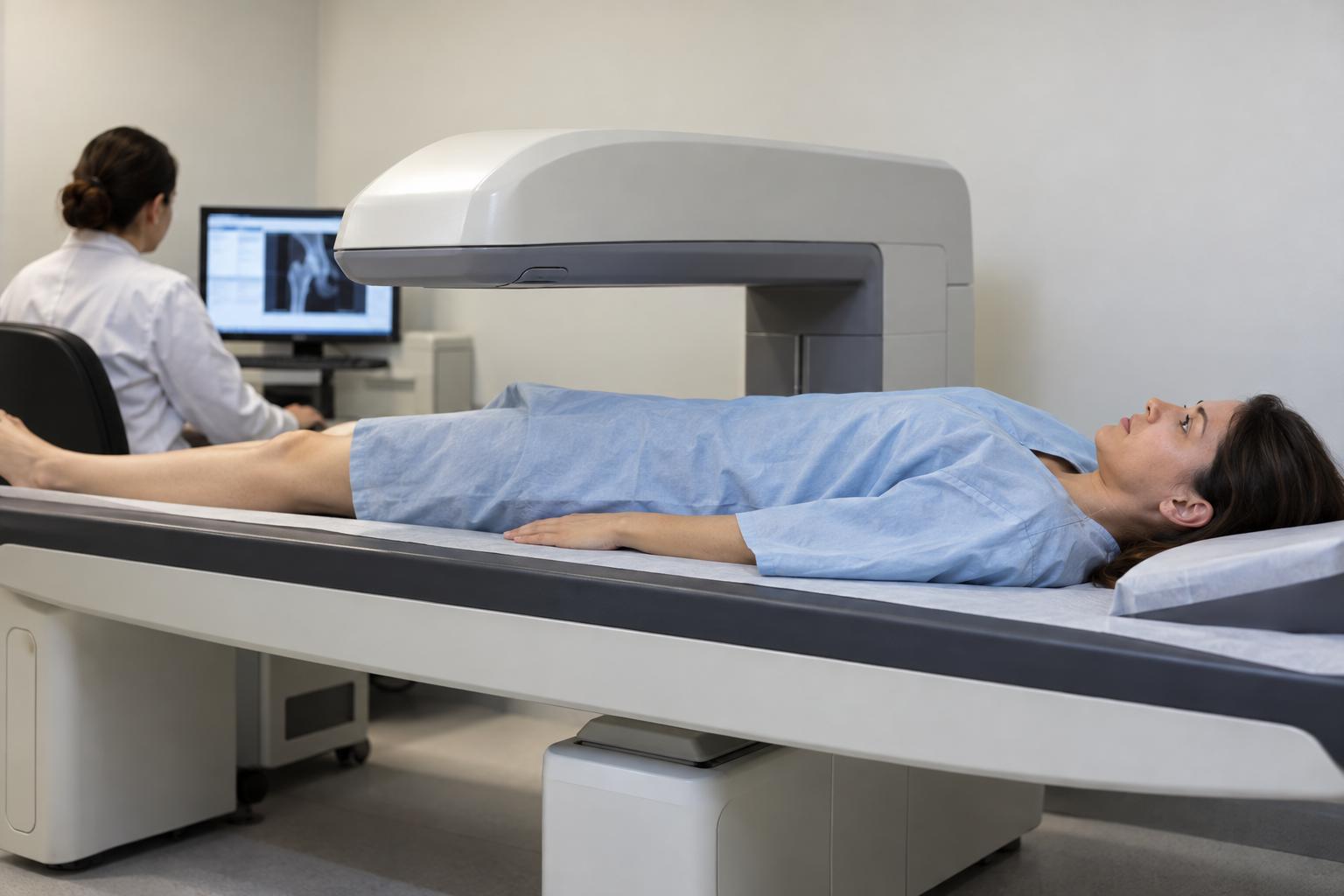
Months Without a Period: Why It’s Worth Checking Bone Health Too
A missed period can have many causes. Learn when to rule out pregnancy, how clinicians decide whether to assess bone density, and when to seek medical guidance.
5 min de lectura
Publicado: 15 de octubre de 2026 · Actualizado: 15 de octubre de 2026
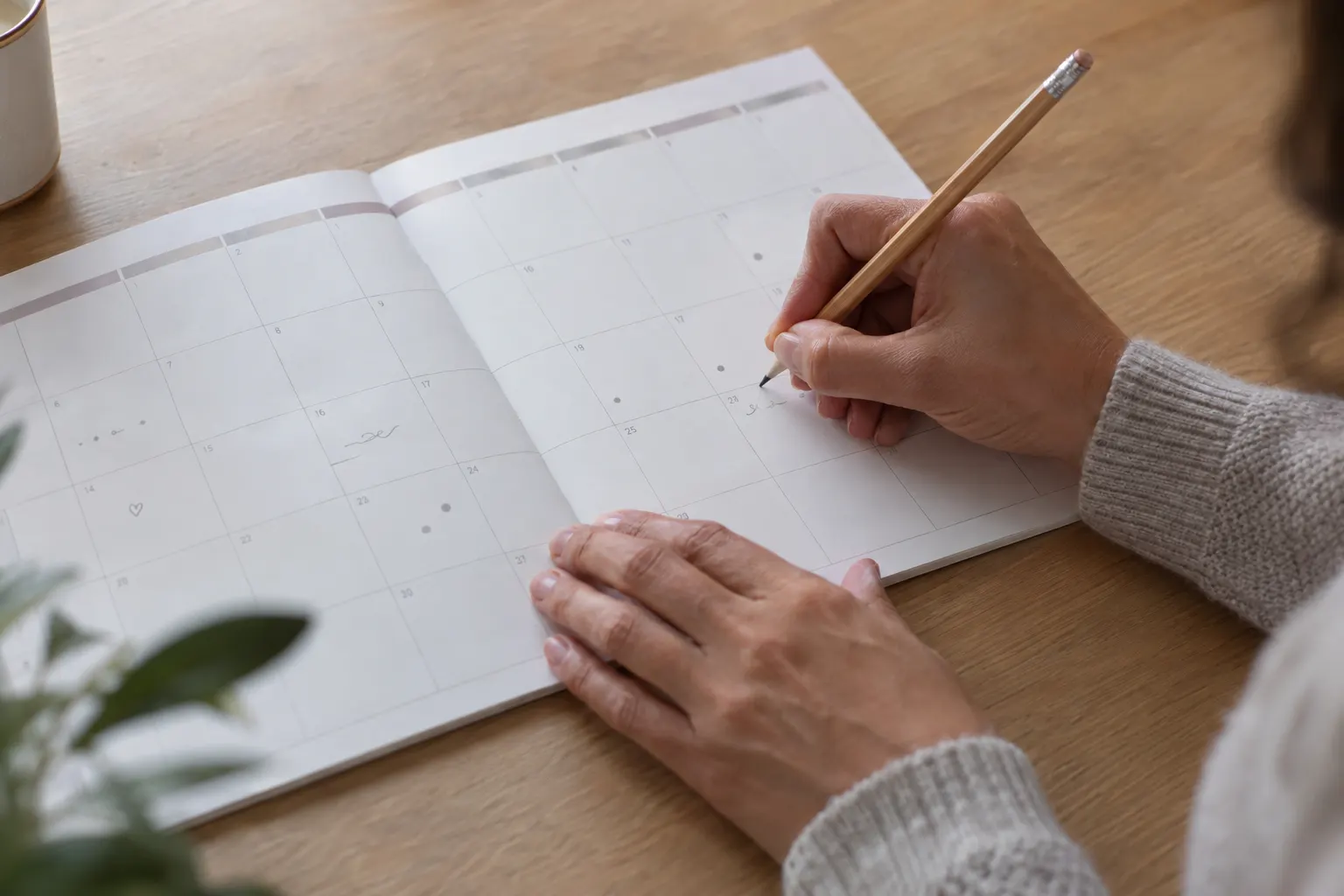
Your Cycle Between Appointments: Information That Can Help You Talk With Endocrinology
What dates, bleeding changes, and symptoms to note so you can describe menstrual patterns at a medical visit, without trying to diagnose yourself.