Educational article
When Hormone Tests and Ultrasound Don’t Match: How to Put Findings Together Without Rushing to a Diagnosis

Educational content. It does not replace an individual medical assessment and should not be used for self-medication.

What does it mean when the ultrasound and test results don’t match?
It means that two evaluations provide information that may seem different at first glance. This does not automatically mean that one test is wrong or confirm a disease. A blood test measures certain hormones in a sample; an ultrasound describes structures observed at a particular time. These are different evaluations, and their results are interpreted according to the clinical question.
Myth: If one test is normal, the other must be wrong
Not necessarily. A laboratory result within the reported reference range does not, by itself, rule out every ultrasound finding, and an image alone does not confirm a hormone-related condition. The significance of each result depends on the reason for the evaluation, the method used, and the medical history. Neither test always takes precedence over the other.
Why do the reason for and timing of each test matter?
Interpretation starts with identifying the clinical question that prompted each test. It is helpful to review the dates and, when relevant to the test ordered, the day of the menstrual cycle. Some hormone measurements are interpreted with that timing in mind; ultrasound findings also depend on the type of study and the context. Your healthcare professional can clarify which factors are relevant in each case.
Myth: An ultrasound finding is already a diagnosis
An ultrasound describes what is observed, but its significance depends on symptoms, medical history, and other results. Test results also need to be interpreted in light of what was measured, why it was ordered, and the laboratory method. An isolated finding does not allow you to determine its cause or the appropriate treatment on your own.
What symptoms and medical history should you share?
Changes in your menstrual cycle, the reason for the evaluation, treatments, and previous tests can provide context. Keeping track of cycle dates and relevant symptoms may help reconstruct that context. If you have previous reports, sharing them may make it easier to compare them with current results.
What can be done when results are discordant?
Depending on the case, your healthcare professional may review the complete reports, confirm which test was performed and when, consider other clinical information, or suggest follow-up. The next step depends on the question being addressed and your medical history. Repeating a test does not guarantee that the discrepancy will go away. Do not stop or change treatments on your own.
Specific questions to bring to your appointment
You can ask: “What question was each test intended to answer?”, “Does the day of my cycle matter when interpreting this test or ultrasound?”, “Would the type of ultrasound or the complete report change the interpretation?”, “How do these results relate to my symptoms and medical history?” and “What options are available to clarify the discrepancy?”
When to seek an evaluation
Seek an evaluation if you do not understand how the reports relate to each other, if your symptoms continue, or if you need to clarify the purpose of a test. Bring the complete results and their dates. If your symptoms are severe or change significantly, seek medical guidance promptly. This information is educational and does not replace an individual evaluation.
When to seek medical care
If symptoms persist, test results are abnormal, or you have questions about medication, arrange an individual assessment. Do not change treatment or doses without medical guidance.
Frequently asked questions
Does a normal hormone test rule out a reproductive problem?
Not by itself. Its meaning depends on what was measured, the reason it was ordered, and the clinical context; in some cases, the timing of the blood draw also matters.
Should I repeat the ultrasound or tests?
Not necessarily. Depending on the clinical question, your healthcare professional may review the reports, consider other information, or suggest follow-up. Repeating a test does not guarantee that it will resolve the discrepancy.
What information should I bring to my appointment?
Bring the complete reports and the dates of the tests. If relevant, note the date of your last menstrual period or the day of your cycle, as well as any relevant symptoms and medical history.
Does this topic resonate with you?
Every case is different. Book a consultation to review your history, test results and goals with a personalized plan.
More articles about Female reproductive endocrinology

5 min de lectura
Publicado: 7 de noviembre de 2026 · Actualizado: 7 de noviembre de 2026
From the First Period to Adult Cycles: How Menstrual Patterns Change With Age
Learn how the menstrual cycle may vary during the first years after menarche, what information to track, and which changes may warrant a clinical evaluation.

5 min de lectura
Publicado: 5 de noviembre de 2026 · Actualizado: 5 de noviembre de 2026
Hormonal Treatments for Menstrual Cycle Disorders: Safe Decisions Before Starting or Changing Treatment
What to review before starting, restarting, or changing hormonal treatment for menstrual disorders, what to do about a missed dose, and when to seek guidance.

6 min de lectura
Publicado: 5 de noviembre de 2026 · Actualizado: 5 de noviembre de 2026
Eating to Support Your Reproductive Health: Practical Habits Without Extreme Diets
General guidance on eating a varied and sufficient diet, its role in reproductive health care, and why no food can guarantee menstrual cycle or hormone regulation.

6 min de lectura
Publicado: 2 de noviembre de 2026 · Actualizado: 2 de noviembre de 2026
Inherited and Acquired Factors in Ovarian Health: Useful Questions to Organize Your History
Learn what family and personal information can help put menstrual changes and ovarian function into context, and why that history alone is not enough to establish a diagnosis.

5 min de lectura
Publicado: 1 de noviembre de 2026 · Actualizado: 1 de noviembre de 2026
Trying to Get Pregnant and Noticing Changes in Your Cycle? What Information to Bring to Your Appointment
What dates, medical history, and medications to bring to an appointment if you are trying to get pregnant and have noticed changes in your menstrual cycle.
6 min de lectura
Publicado: 20 de octubre de 2026 · Actualizado: 20 de octubre de 2026
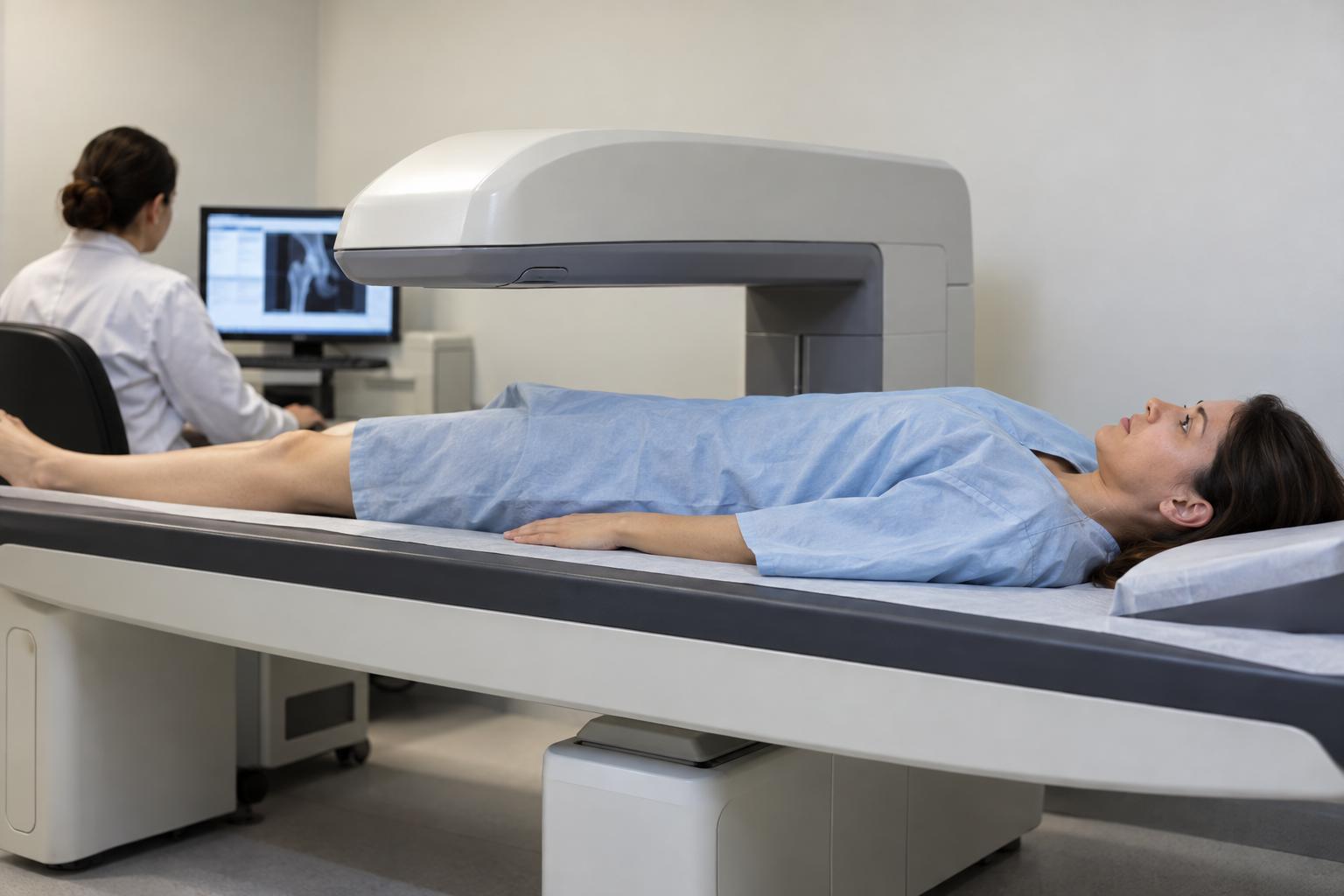
Months Without a Period: Why It’s Worth Checking Bone Health Too
A missed period can have many causes. Learn when to rule out pregnancy, how clinicians decide whether to assess bone density, and when to seek medical guidance.