Educational article
Irregular Menstrual Cycles: When Hormonal Evaluation Can Help Identify Risks

Educational content. It does not replace an individual medical assessment and should not be used for self-medication.

What It Means to Have Irregular Menstrual Cycles
Cycle length and frequency can vary from person to person and may also change at different stages of life. An occasional cycle that differs from usual cannot, by itself, identify a disease. If changes recur, menstruation stops, or the pattern differs from what is usual for you, it may be helpful to seek clinical guidance. An evaluation considers the context and various possible causes, including some endocrine causes; it does not start by assuming a specific diagnosis.
Changes to Watch For
It may be helpful to notice whether your periods have repeatedly become farther apart or more frequent, stopped occurring, or changed noticeably in terms of bleeding. Other symptoms also matter, such as severe pain or very heavy bleeding. Recording dates and bleeding characteristics can help describe the pattern during an evaluation, although a record does not replace clinical assessment.
Context Helps Interpret the Pattern
When evaluating a menstrual change, a clinician may ask when it began, what your usual pattern was, and whether any recent circumstances could be related. Age, medications, weight changes, the amount of exercise, and other symptoms provide context. The possibility of pregnancy should also be considered when relevant. None of these details, by itself, confirms a cause.
What an Evaluation May Include
An evaluation usually begins with questions about your health history, medications, symptoms, and menstrual pattern. Depending on the situation, it may include a clinical examination. Based on this information, the clinician decides whether tests are needed and which ones might answer a specific question. Irregularity can have endocrine or non-endocrine causes; the cause cannot be determined from a calendar or a single symptom alone.
Hormone Tests Are Selected on a Case-by-Case Basis
There is no single hormone panel recommended for everyone with irregular cycles. Test selection depends on the medical history, findings, and what needs to be clarified. Some people may need tests and others may not; in certain cases, follow-up may be agreed upon. Testing without a clear clinical question does not replace an individual evaluation or guarantee a useful explanation.
Common Mistakes in Interpreting Cycle Changes
Irregularity should not automatically be attributed to polycystic ovary syndrome: there are many possible causes, and diagnosis requires an evaluation. An irregular cycle alone also does not mean that someone is infertile. Avoid starting hormones on your own or requesting fertility tests without professional guidance; they may not answer the clinical question and could make the case more difficult to interpret.
When to Seek an Evaluation
Request an evaluation if changes persist, if your period is absent for several months, or if symptoms arise that concern you. If pregnancy is possible and your period is late or absent, consider taking a test and seeking medical advice based on the result and your symptoms. Seek urgent care for bleeding that quickly soaks through pads or tampons, fainting, pronounced weakness, or severe pain, especially if you could be pregnant. Appropriate care depends on the specific situation.
General Guidance, Not a Diagnosis
A clinical evaluation can put cycle changes in context and determine whether tests or follow-up are needed. This article is educational: it does not replace a consultation or confirm a cause. At Endomedicos, Dr. Teresita Cortes provides endocrinology guidance in Bogota based on each person’s history and needs.
When to seek medical care
If symptoms persist, test results are abnormal, or you have questions about medication, arrange an individual assessment. Do not change treatment or doses without medical guidance.
Frequently asked questions
Does an irregular cycle mean I have a hormone problem?
Not necessarily. Cycles can vary, and there are various possible causes. Persistence, context, and accompanying symptoms help determine whether an evaluation may be appropriate.
Does everyone with irregular periods need hormone tests?
No. The clinician decides which tests, if any, may be useful based on the medical history and findings; there is no single panel for everyone.
Do irregular cycles mean infertility?
Not by themselves. Cycle changes cannot diagnose infertility. If you have concerns about fertility, discuss them during an individual evaluation.
Does this topic resonate with you?
Every case is different. Book a consultation to review your history, test results and goals with a personalized plan.
More articles about Female reproductive endocrinology

5 min de lectura
Publicado: 7 de noviembre de 2026 · Actualizado: 7 de noviembre de 2026
From the First Period to Adult Cycles: How Menstrual Patterns Change With Age
Learn how the menstrual cycle may vary during the first years after menarche, what information to track, and which changes may warrant a clinical evaluation.

5 min de lectura
Publicado: 5 de noviembre de 2026 · Actualizado: 5 de noviembre de 2026
Hormonal Treatments for Menstrual Cycle Disorders: Safe Decisions Before Starting or Changing Treatment
What to review before starting, restarting, or changing hormonal treatment for menstrual disorders, what to do about a missed dose, and when to seek guidance.

6 min de lectura
Publicado: 5 de noviembre de 2026 · Actualizado: 5 de noviembre de 2026
Eating to Support Your Reproductive Health: Practical Habits Without Extreme Diets
General guidance on eating a varied and sufficient diet, its role in reproductive health care, and why no food can guarantee menstrual cycle or hormone regulation.

6 min de lectura
Publicado: 2 de noviembre de 2026 · Actualizado: 2 de noviembre de 2026
Inherited and Acquired Factors in Ovarian Health: Useful Questions to Organize Your History
Learn what family and personal information can help put menstrual changes and ovarian function into context, and why that history alone is not enough to establish a diagnosis.

5 min de lectura
Publicado: 1 de noviembre de 2026 · Actualizado: 1 de noviembre de 2026
Trying to Get Pregnant and Noticing Changes in Your Cycle? What Information to Bring to Your Appointment
What dates, medical history, and medications to bring to an appointment if you are trying to get pregnant and have noticed changes in your menstrual cycle.
6 min de lectura
Publicado: 20 de octubre de 2026 · Actualizado: 20 de octubre de 2026
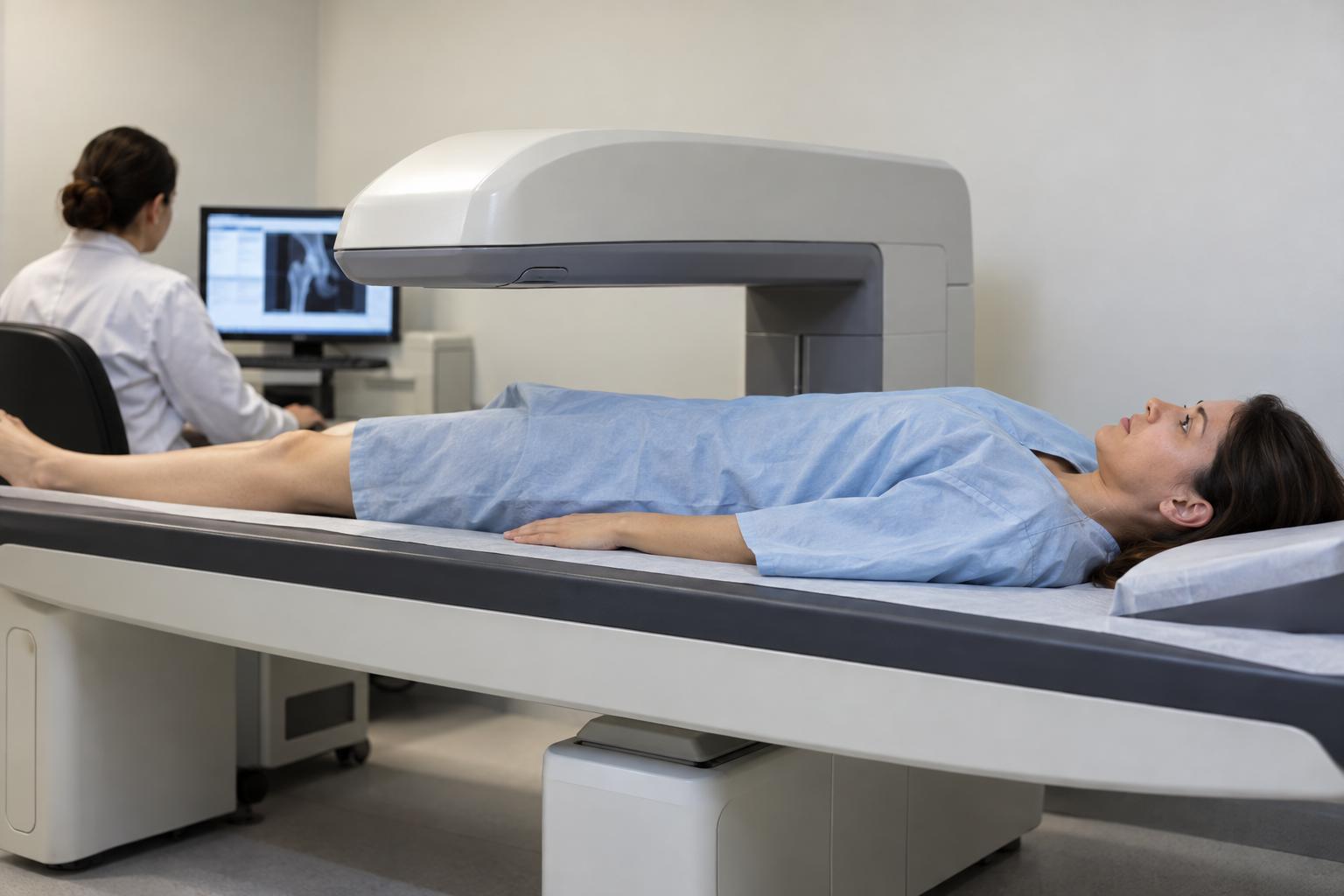
Months Without a Period: Why It’s Worth Checking Bone Health Too
A missed period can have many causes. Learn when to rule out pregnancy, how clinicians decide whether to assess bone density, and when to seek medical guidance.