Educational article
Pregnancy and Hormonal Health: Factors Associated With Pregnancy Loss and Preconception Care

Educational content. It does not replace an individual medical assessment and should not be used for self-medication.

A pregnancy loss is usually not the fault of the person who was pregnant
Pregnancy losses can have different causes, and many cannot be prevented or attributed to an action by the pregnant person. Having an endocrine condition does not mean that a pregnancy loss will necessarily occur. Reviewing your health before trying to conceive may help with care planning and assessment of modifiable factors, but it cannot guarantee an outcome.
What to bring to a preconception review
If you are planning a pregnancy, talk with the health care team familiar with your medical history. If available, bring recent test results, a list of medications and supplements, and information about your conditions and treatments. If you have experienced a pregnancy loss, share that information: it is part of your medical history, although by itself it does not identify a hormonal cause.
Thyroid conditions and diabetes: plan follow-up before conception
Hypothyroidism, hyperthyroidism, and diabetes require an individualized assessment when planning a pregnancy. Your care team may review how well the condition is controlled, determine which evaluations are needed, and organize follow-up. Do not change or stop treatments on your own; ask how to manage them before and during pregnancy.
PCOS and other factors: an association does not predict the outcome
Polycystic ovary syndrome (PCOS) may coexist with metabolic changes and difficulty ovulating. Some health factors are associated with different pregnancy outcomes, but this association cannot predict what will happen in an individual case or show that PCOS caused a loss. Whether additional evaluations are needed depends on your medical history and clinical assessment.
Review medications and chronic conditions
Tell your care team about all medications, supplements, and treatments, including those you use occasionally. Ask which ones should be reviewed when planning a pregnancy and how to coordinate care for your chronic conditions. Do not start, stop, or adjust treatments without professional guidance; any changes should be planned based on your situation.
When to seek care
A preconception appointment is an opportunity to review your medical history and agree on a plan before trying to conceive. If you are already pregnant and have symptoms that concern you, contact your obstetric care service for guidance; if you believe you need urgent care, go to an emergency department. This article does not replace prenatal assessment or provide instructions for managing an emergency.
Agree on next steps
Try to leave the appointment clear about who will coordinate your care, which medical history details or test results would be helpful to bring, and when to follow up. The plan may change depending on each person’s condition and needs. The goal is to support health and address modifiable factors, without assigning blame or promising an outcome.
When to seek medical care
If symptoms persist, test results are abnormal, or you have questions about medication, arrange an individual assessment. Do not change treatment or doses without medical guidance.
Frequently asked questions
Does an endocrine condition explain every pregnancy loss?
No. Pregnancy losses can have different causes, and many cannot be prevented. An endocrine condition may be one aspect to review, but it does not automatically explain a loss or assign blame.
Should I stop taking my medications if I am planning a pregnancy?
Do not stop or change them on your own. Consult the health care team familiar with your medical history to review each medication and plan any adjustments that may be needed.
Does controlling thyroid disease or diabetes prevent pregnancy loss?
Management before conception may be important for your health and pregnancy care, but it does not guarantee that a pregnancy loss will be prevented. Follow-up should be individualized with your treating team.
Does this topic resonate with you?
Every case is different. Book a consultation to review your history, test results and goals with a personalized plan.
More articles about Female reproductive endocrinology

5 min de lectura
Publicado: 7 de noviembre de 2026 · Actualizado: 7 de noviembre de 2026
From the First Period to Adult Cycles: How Menstrual Patterns Change With Age
Learn how the menstrual cycle may vary during the first years after menarche, what information to track, and which changes may warrant a clinical evaluation.

5 min de lectura
Publicado: 5 de noviembre de 2026 · Actualizado: 5 de noviembre de 2026
Hormonal Treatments for Menstrual Cycle Disorders: Safe Decisions Before Starting or Changing Treatment
What to review before starting, restarting, or changing hormonal treatment for menstrual disorders, what to do about a missed dose, and when to seek guidance.

6 min de lectura
Publicado: 5 de noviembre de 2026 · Actualizado: 5 de noviembre de 2026
Eating to Support Your Reproductive Health: Practical Habits Without Extreme Diets
General guidance on eating a varied and sufficient diet, its role in reproductive health care, and why no food can guarantee menstrual cycle or hormone regulation.

6 min de lectura
Publicado: 2 de noviembre de 2026 · Actualizado: 2 de noviembre de 2026
Inherited and Acquired Factors in Ovarian Health: Useful Questions to Organize Your History
Learn what family and personal information can help put menstrual changes and ovarian function into context, and why that history alone is not enough to establish a diagnosis.

5 min de lectura
Publicado: 1 de noviembre de 2026 · Actualizado: 1 de noviembre de 2026
Trying to Get Pregnant and Noticing Changes in Your Cycle? What Information to Bring to Your Appointment
What dates, medical history, and medications to bring to an appointment if you are trying to get pregnant and have noticed changes in your menstrual cycle.
6 min de lectura
Publicado: 20 de octubre de 2026 · Actualizado: 20 de octubre de 2026
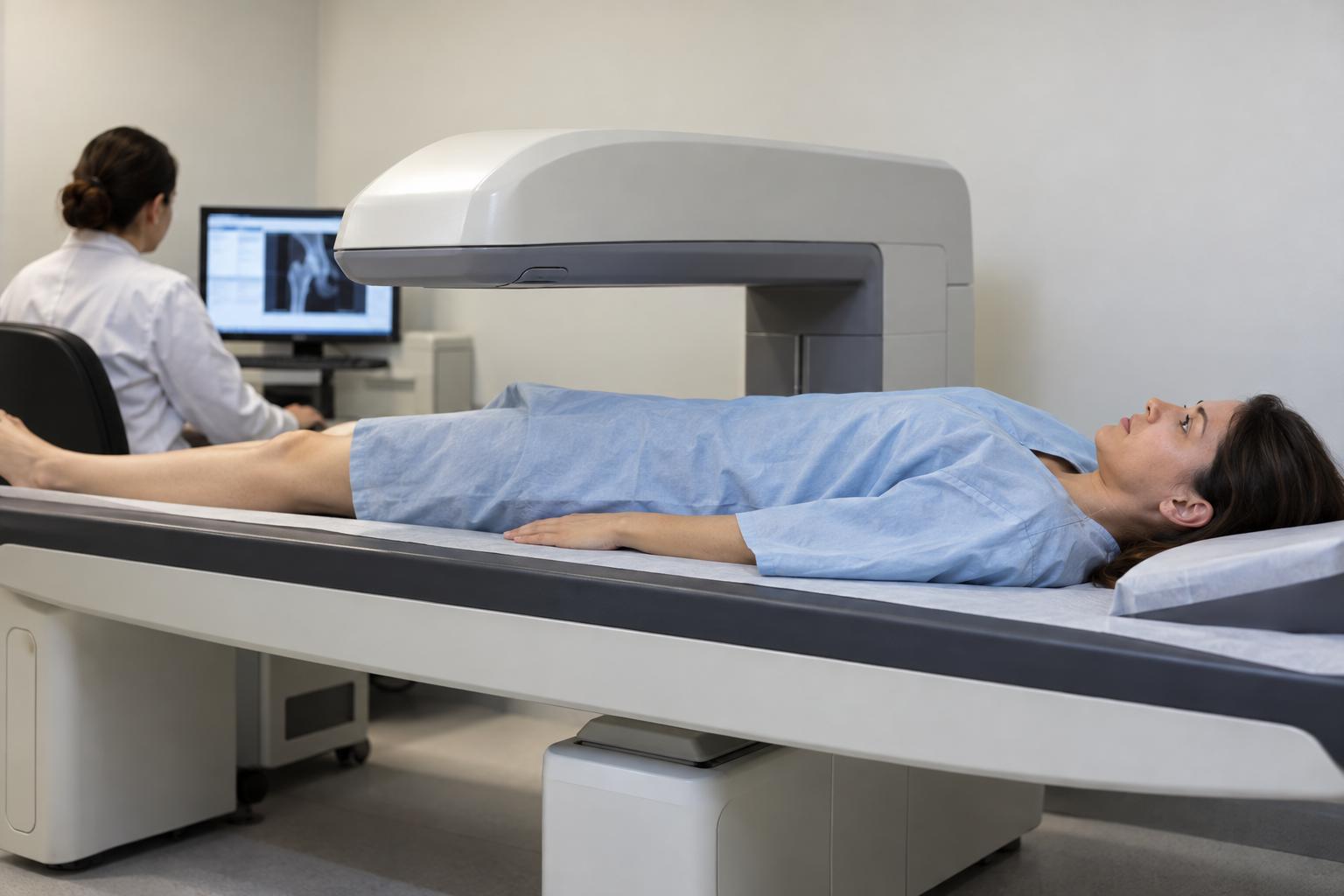
Months Without a Period: Why It’s Worth Checking Bone Health Too
A missed period can have many causes. Learn when to rule out pregnancy, how clinicians decide whether to assess bone density, and when to seek medical guidance.