Educational article
Hormonal Fertility Testing: What Each Test Can Show and Which Tests Aren’t Routine

Educational content. It does not replace an individual medical assessment and should not be used for self-medication.
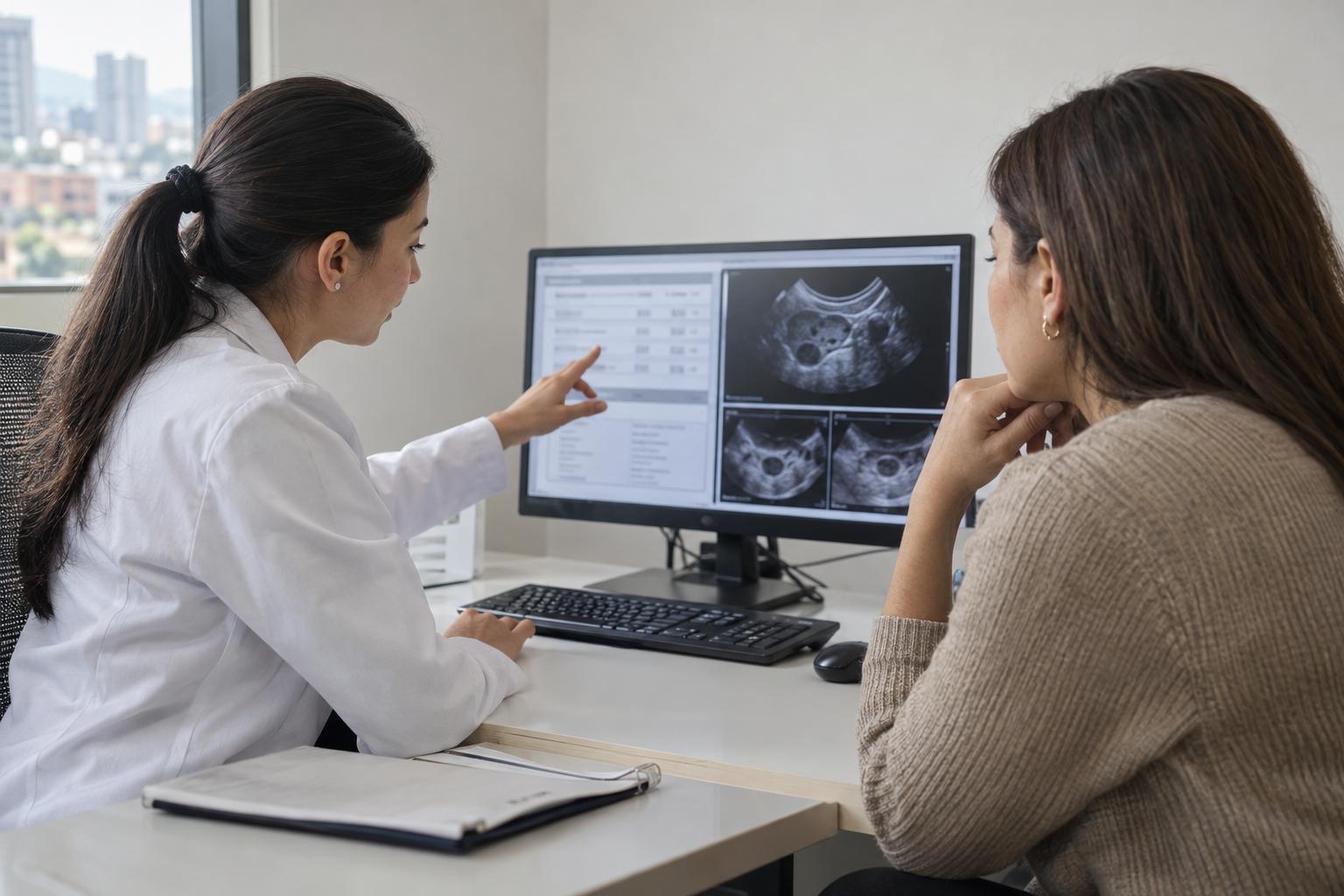
Is a fertility evaluation a battery of tests?
Not necessarily. An evaluation aims to answer specific clinical questions, not to order every test available. Age, how long you have been trying to conceive, menstrual regularity, personal and family history, and previous results help determine what to evaluate and when. A single test rarely explains the chances of pregnancy on its own.
What can tests tell you about ovulation?
Regular menstrual cycles can provide clues about the likelihood of ovulation, although they do not answer every question. Depending on your history, a healthcare professional may consider hormone measurements at a specific point in the cycle or other methods to confirm ovulation. Timing matters: without knowing the cycle context, some results can be difficult to interpret.
What does AMH tell you, and what are its limitations?
Anti-Müllerian hormone (AMH) provides information about the number of small ovarian follicles and some aspects of ovarian reserve. It does not directly measure egg quality or reliably predict whether spontaneous pregnancy will occur, how long it may take, or the outcome of treatment. AMH should be interpreted alongside your medical history and other findings, not as a verdict on fertility.
What do FSH and ultrasound contribute?
FSH is usually measured at a particular stage of the menstrual cycle and may help assess aspects of ovarian function; its meaning depends on when it is measured and the clinical context. Ultrasound allows the ovaries to be observed and, depending on the case, may be used to estimate the antral follicle count. It is not the same as an ovulation test. AMH, FSH, and ultrasound provide different information and are not interchangeable.
Does a favorable ovarian reserve guarantee pregnancy?
No. Ovarian reserve indicators do not, on their own, predict spontaneous pregnancy or describe all the factors involved, such as age, the fallopian tubes, the uterus, or semen. They may help guide clinical decisions, but they should be interpreted in light of your history and the purpose of the evaluation.
When are these tests ordered?
Whether and when these tests are recommended depends on age, how long you have been trying to conceive, medical or reproductive history, and menstrual pattern. If you have previous results, bring the reports and note the dates in your cycle when the tests were done. Ovarian reserve tests are not universal screening tests for everyone without a clinical indication.
The evaluation may include other factors
Difficulty getting pregnant is not always explained by the hormones of the person seeking to become pregnant. Depending on the history, it may be appropriate to evaluate the partner and consider factors related to semen, the fallopian tubes, or the uterus. For this reason, an evaluation is often more useful when it is comprehensive rather than limited to hormone tests.
What should you do about previous results or questions?
If you have irregular cycles, a history that could change the plan, or questions after trying to conceive for a period of time, consult a healthcare professional to decide which steps make sense in your case. Do not interpret a single result or repeat tests on your own: each test answers specific questions and may require other information to be understood. This content is educational and does not replace a consultation.
When to seek medical care
If symptoms persist, test results are abnormal, or you have questions about medication, arrange an individual assessment. Do not change treatment or doses without medical guidance.
Frequently asked questions
Does AMH tell me whether I’ll be able to get pregnant naturally?
No. It provides information about some aspects of ovarian reserve, but it does not reliably predict spontaneous pregnancy or assess all fertility factors.
Are FSH and AMH interpreted the same way?
No. They are different tests. Their interpretation depends on the clinical question, the timing in the menstrual cycle, and other findings.
Does everyone trying to get pregnant need ovarian reserve testing?
No. Whether testing is indicated depends on age, how long you have been trying to conceive, medical history, and clinical evaluation; it is not universal screening in the absence of an indication.
Does this topic resonate with you?
Every case is different. Book a consultation to review your history, test results and goals with a personalized plan.
More articles about Female reproductive endocrinology

5 min de lectura
Publicado: 7 de noviembre de 2026 · Actualizado: 7 de noviembre de 2026
From the First Period to Adult Cycles: How Menstrual Patterns Change With Age
Learn how the menstrual cycle may vary during the first years after menarche, what information to track, and which changes may warrant a clinical evaluation.

5 min de lectura
Publicado: 5 de noviembre de 2026 · Actualizado: 5 de noviembre de 2026
Hormonal Treatments for Menstrual Cycle Disorders: Safe Decisions Before Starting or Changing Treatment
What to review before starting, restarting, or changing hormonal treatment for menstrual disorders, what to do about a missed dose, and when to seek guidance.

6 min de lectura
Publicado: 5 de noviembre de 2026 · Actualizado: 5 de noviembre de 2026
Eating to Support Your Reproductive Health: Practical Habits Without Extreme Diets
General guidance on eating a varied and sufficient diet, its role in reproductive health care, and why no food can guarantee menstrual cycle or hormone regulation.

6 min de lectura
Publicado: 2 de noviembre de 2026 · Actualizado: 2 de noviembre de 2026
Inherited and Acquired Factors in Ovarian Health: Useful Questions to Organize Your History
Learn what family and personal information can help put menstrual changes and ovarian function into context, and why that history alone is not enough to establish a diagnosis.
5 min de lectura
Publicado: 1 de noviembre de 2026 · Actualizado: 1 de noviembre de 2026
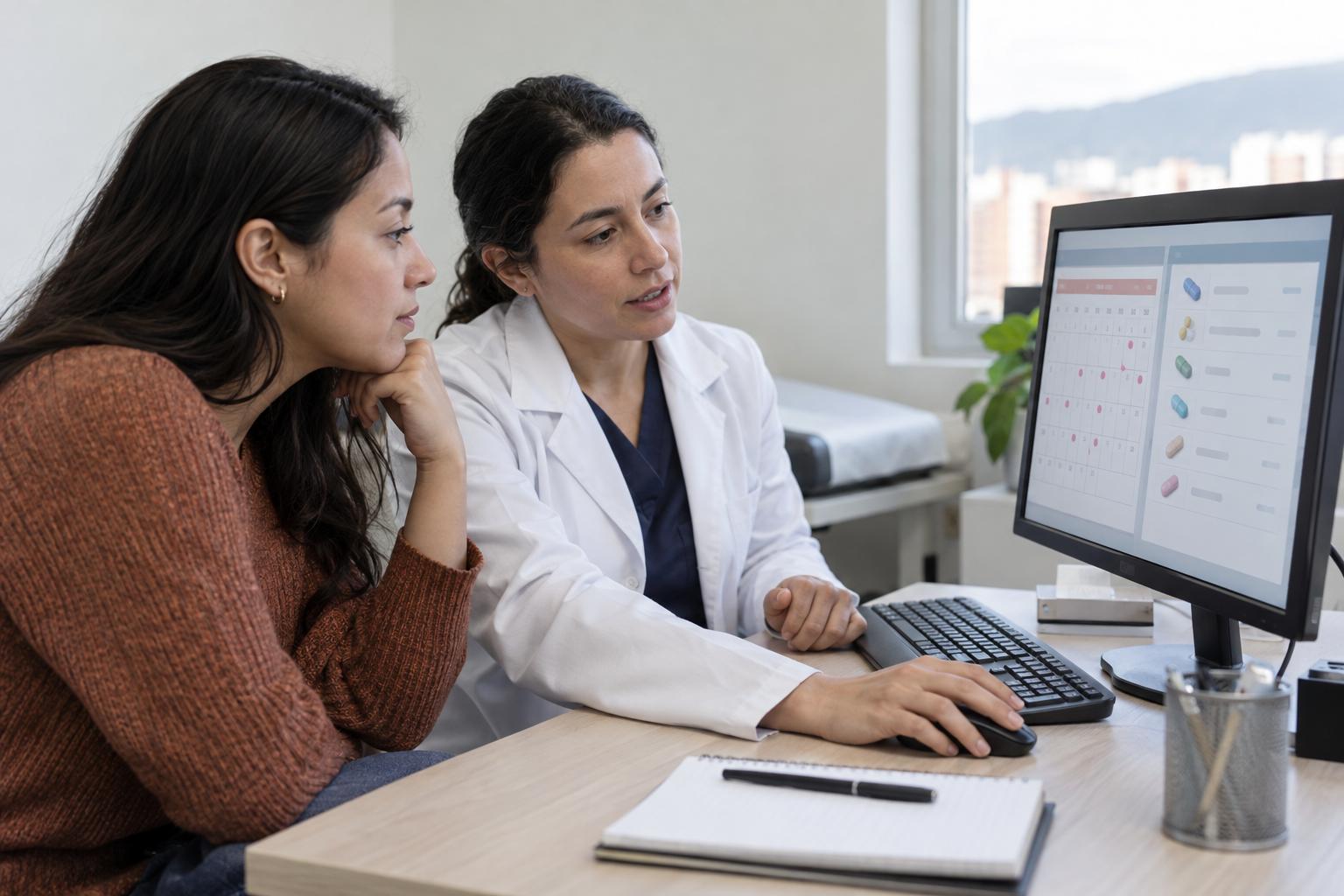
Trying to Get Pregnant and Noticing Changes in Your Cycle? What Information to Bring to Your Appointment
What dates, medical history, and medications to bring to an appointment if you are trying to get pregnant and have noticed changes in your menstrual cycle.
6 min de lectura
Publicado: 20 de octubre de 2026 · Actualizado: 20 de octubre de 2026
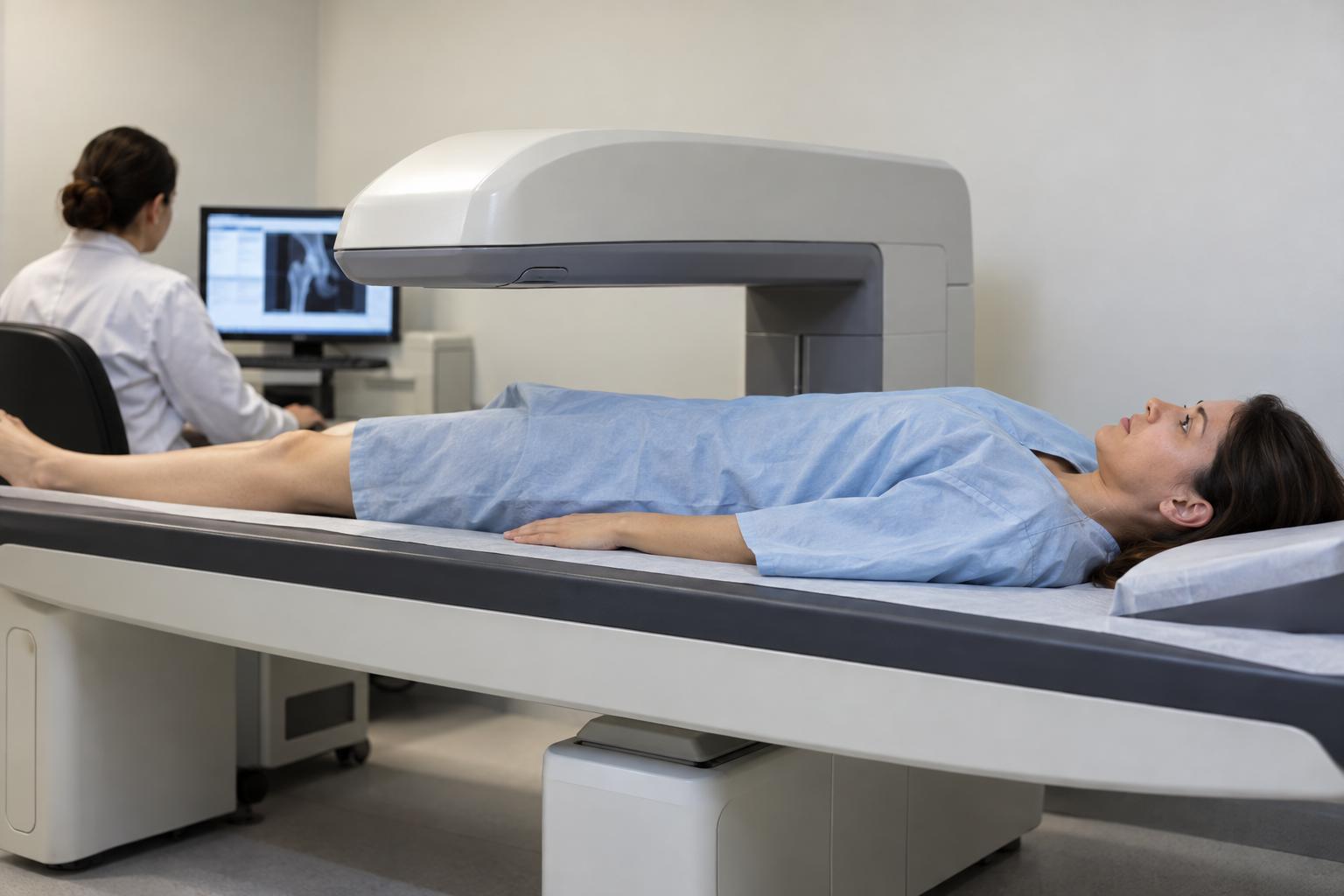
Months Without a Period: Why It’s Worth Checking Bone Health Too
A missed period can have many causes. Learn when to rule out pregnancy, how clinicians decide whether to assess bone density, and when to seek medical guidance.