Educational article
Before Your Gynecologic Endocrinology Visit: How to Organize Your Questions and Medical History

Educational content. It does not replace an individual medical assessment and should not be used for self-medication.

Start with your main reason for the visit
Before your visit, write down in one or two sentences what you would like to discuss. For example, changes in menstrual regularity, a concern about hormonal changes, or a review of a treatment that was previously prescribed. You do not need to arrive with an explanation or a conclusion; simply describe what brings you in.
Choose the questions that matter most to you
Write down your questions and mark the two or three that are most important in case time is limited. You can ask which aspects of your medical history are relevant, how to interpret the results you already have, and what the possible next steps are. You can also say if something worries you or is unclear.
Prepare a list of medications and treatments
Bring a list of current or recent medications, supplements, and treatments. Include doses if you know them and, when possible, how long you have been using them and who recommended them. If you do not have all the details, bring the information available; do not change or stop treatments to prepare for your visit.
Gather the results you already have
Group together previous tests and reports related to the reason for your visit. You do not need to repeat tests or order tests on your own. The clinician will review what is available and determine whether any additional testing is needed and when it would be appropriate.
Summarize changes using approximate dates
If there have been changes in your cycle, treatments, or symptoms that you consider relevant, describe what changed and approximately when you noticed it. You do not have to reconstruct every date or keep an exhaustive record; a general timeline may be enough to start the conversation.
Include medical history that may provide context
If you remember, prepare brief information about previous diagnoses, reproductive or hormonal treatments, and related visits. If your documents are spread across multiple providers, bring what you have and, if possible, note where they came from. You do not need to organize a perfect medical file; ask during the visit if you are unsure whether a past event or condition is relevant.
Confirm the next steps
Before the visit ends, confirm what was decided, whether any tests are needed, when to have them, and when to review the results. Write down the instructions and any questions that remain. Preparing helps organize the conversation; the choice and timing of tests depend on the professional evaluation and your situation.
When to seek medical care
If symptoms persist, test results are abnormal, or you have questions about medication, arrange an individual assessment. Do not change treatment or doses without medical guidance.
Frequently asked questions
Should I have tests done before my visit?
Not necessarily. Bring the results you already have and avoid ordering or repeating tests on your own. The clinician will determine whether tests are needed and when to have them.
Do I need to keep a detailed record of every menstrual cycle?
No. Summarizing relevant changes and their approximate dates may be enough. You do not need to turn preparation into a daily monitoring task.
What should I do if I do not remember the dose or date of a treatment?
Write down what you do remember and bring any information you have, such as medication containers or documents, if available. You can clarify the missing details during your visit.
Does this topic resonate with you?
Every case is different. Book a consultation to review your history, test results and goals with a personalized plan.
More articles about Female reproductive endocrinology

5 min de lectura
Publicado: 7 de noviembre de 2026 · Actualizado: 7 de noviembre de 2026
From the First Period to Adult Cycles: How Menstrual Patterns Change With Age
Learn how the menstrual cycle may vary during the first years after menarche, what information to track, and which changes may warrant a clinical evaluation.

5 min de lectura
Publicado: 5 de noviembre de 2026 · Actualizado: 5 de noviembre de 2026
Hormonal Treatments for Menstrual Cycle Disorders: Safe Decisions Before Starting or Changing Treatment
What to review before starting, restarting, or changing hormonal treatment for menstrual disorders, what to do about a missed dose, and when to seek guidance.

6 min de lectura
Publicado: 5 de noviembre de 2026 · Actualizado: 5 de noviembre de 2026
Eating to Support Your Reproductive Health: Practical Habits Without Extreme Diets
General guidance on eating a varied and sufficient diet, its role in reproductive health care, and why no food can guarantee menstrual cycle or hormone regulation.

6 min de lectura
Publicado: 2 de noviembre de 2026 · Actualizado: 2 de noviembre de 2026
Inherited and Acquired Factors in Ovarian Health: Useful Questions to Organize Your History
Learn what family and personal information can help put menstrual changes and ovarian function into context, and why that history alone is not enough to establish a diagnosis.

5 min de lectura
Publicado: 1 de noviembre de 2026 · Actualizado: 1 de noviembre de 2026
Trying to Get Pregnant and Noticing Changes in Your Cycle? What Information to Bring to Your Appointment
What dates, medical history, and medications to bring to an appointment if you are trying to get pregnant and have noticed changes in your menstrual cycle.
6 min de lectura
Publicado: 20 de octubre de 2026 · Actualizado: 20 de octubre de 2026
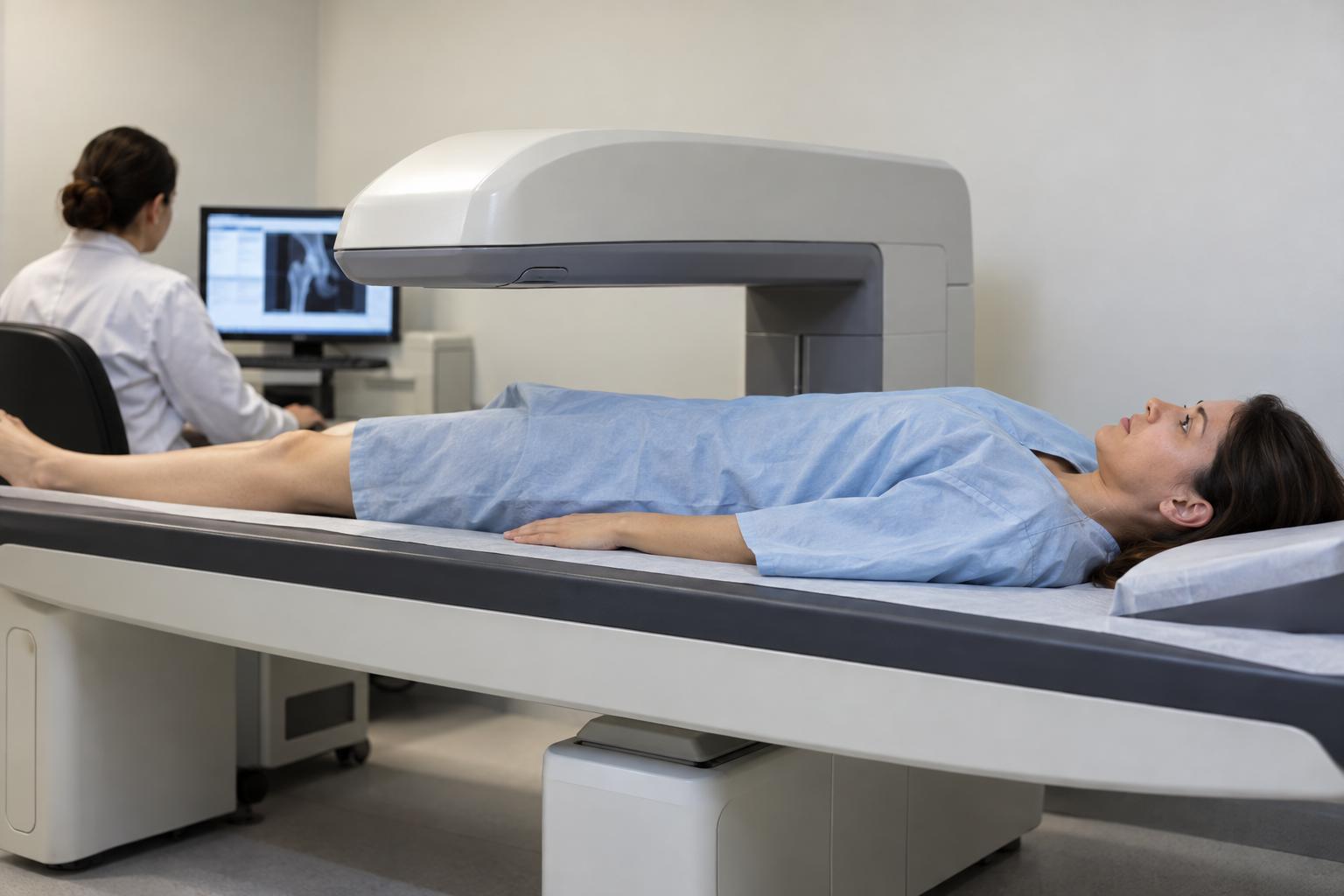
Months Without a Period: Why It’s Worth Checking Bone Health Too
A missed period can have many causes. Learn when to rule out pregnancy, how clinicians decide whether to assess bone density, and when to seek medical guidance.