Educational article
A Gentle Record of Your Cycle: What to Note and What You Can Leave Out

Educational content. It does not replace an individual medical assessment and should not be used for self-medication.

What is a simple cycle record?
It is a brief summary of a few details that may help explain how your cycle has changed and what concerns you. It is not meant to document every day or identify a hormonal cause on your own. Its purpose is to support a focused clinical conversation.
Start with bleeding dates
If it is helpful, note when menstrual bleeding begins. You can also record when it ends or its approximate duration, especially if this has changed or concerns you. If the amount is relevant, a simple description is enough, such as light, usual for you, or heavier than usual; you do not need to measure it precisely.
Add only the symptoms that matter to you
You do not need to make a complete list of sensations. Note a symptom if it is new, recurring, concerning, or clearly interferes with your daily life. It may be enough to indicate when it occurs in relation to your cycle and how much it affects activities such as studying, working, or sleeping.
Choose a frequency you can maintain
You can make a note when something significant happens, summarize the week, or write down the dates when your next period begins. Choose a method that feels comfortable, including a calendar you already use. Not everyone needs an app or a specific system.
Isolated variations do not provide a diagnosis
Cycles can vary, and a different date or occasional symptom alone does not mean that a hormonal disorder is present. A health care professional interprets your summary alongside your history, symptoms, and other aspects of the evaluation. If a detail is incomplete, you do not need to reconstruct it.
What you can leave out
You can leave out days without significant changes, details that do not help explain your concern, and anything that feels distressing to record. You do not need to track every symptom, meal, emotion, or activity. If tracking becomes a source of constant monitoring, you can reduce it or pause and discuss what information would be useful.
Prepare a summary for your appointment
Before your appointment, gather the dates you have and select the changes that matter most to you. Explain what is different for you, when you first noticed it, and how it affects your daily life. You can also bring specific questions. A clear, even if incomplete, summary can help guide the conversation.
When to seek guidance
Consult a health care professional if cycle changes or symptoms concern you, persist, or interfere with your activities. Seek timely care if bleeding quickly soaks through menstrual products, especially if accompanied by dizziness or weakness; also seek care for fainting, severe pain, or a marked decline in your overall condition. Do not wait until you have completed a record to ask for help. This information is educational and does not replace a professional evaluation.
When to seek medical care
If symptoms persist, test results are abnormal, or you have questions about medication, arrange an individual assessment. Do not change treatment or doses without medical guidance.
Frequently asked questions
Do I have to record my cycle every day?
No. You can record bleeding dates and add a note when a significant change or symptom occurs. The frequency can be whatever you can sustain.
What should I do if I do not remember an exact date?
Write down an approximate date if you know it, or leave the detail blank. You do not need to reconstruct every day for the clinical conversation to be useful.
Does a recorded pattern confirm a hormonal problem?
No. A record helps describe what is happening, but variations alone do not establish a diagnosis. Interpreting them requires clinical context.
Does this topic resonate with you?
Every case is different. Book a consultation to review your history, test results and goals with a personalized plan.
More articles about Female reproductive endocrinology

5 min de lectura
Publicado: 7 de noviembre de 2026 · Actualizado: 7 de noviembre de 2026
From the First Period to Adult Cycles: How Menstrual Patterns Change With Age
Learn how the menstrual cycle may vary during the first years after menarche, what information to track, and which changes may warrant a clinical evaluation.

5 min de lectura
Publicado: 5 de noviembre de 2026 · Actualizado: 5 de noviembre de 2026
Hormonal Treatments for Menstrual Cycle Disorders: Safe Decisions Before Starting or Changing Treatment
What to review before starting, restarting, or changing hormonal treatment for menstrual disorders, what to do about a missed dose, and when to seek guidance.

6 min de lectura
Publicado: 5 de noviembre de 2026 · Actualizado: 5 de noviembre de 2026
Eating to Support Your Reproductive Health: Practical Habits Without Extreme Diets
General guidance on eating a varied and sufficient diet, its role in reproductive health care, and why no food can guarantee menstrual cycle or hormone regulation.

6 min de lectura
Publicado: 2 de noviembre de 2026 · Actualizado: 2 de noviembre de 2026
Inherited and Acquired Factors in Ovarian Health: Useful Questions to Organize Your History
Learn what family and personal information can help put menstrual changes and ovarian function into context, and why that history alone is not enough to establish a diagnosis.

5 min de lectura
Publicado: 1 de noviembre de 2026 · Actualizado: 1 de noviembre de 2026
Trying to Get Pregnant and Noticing Changes in Your Cycle? What Information to Bring to Your Appointment
What dates, medical history, and medications to bring to an appointment if you are trying to get pregnant and have noticed changes in your menstrual cycle.
6 min de lectura
Publicado: 20 de octubre de 2026 · Actualizado: 20 de octubre de 2026
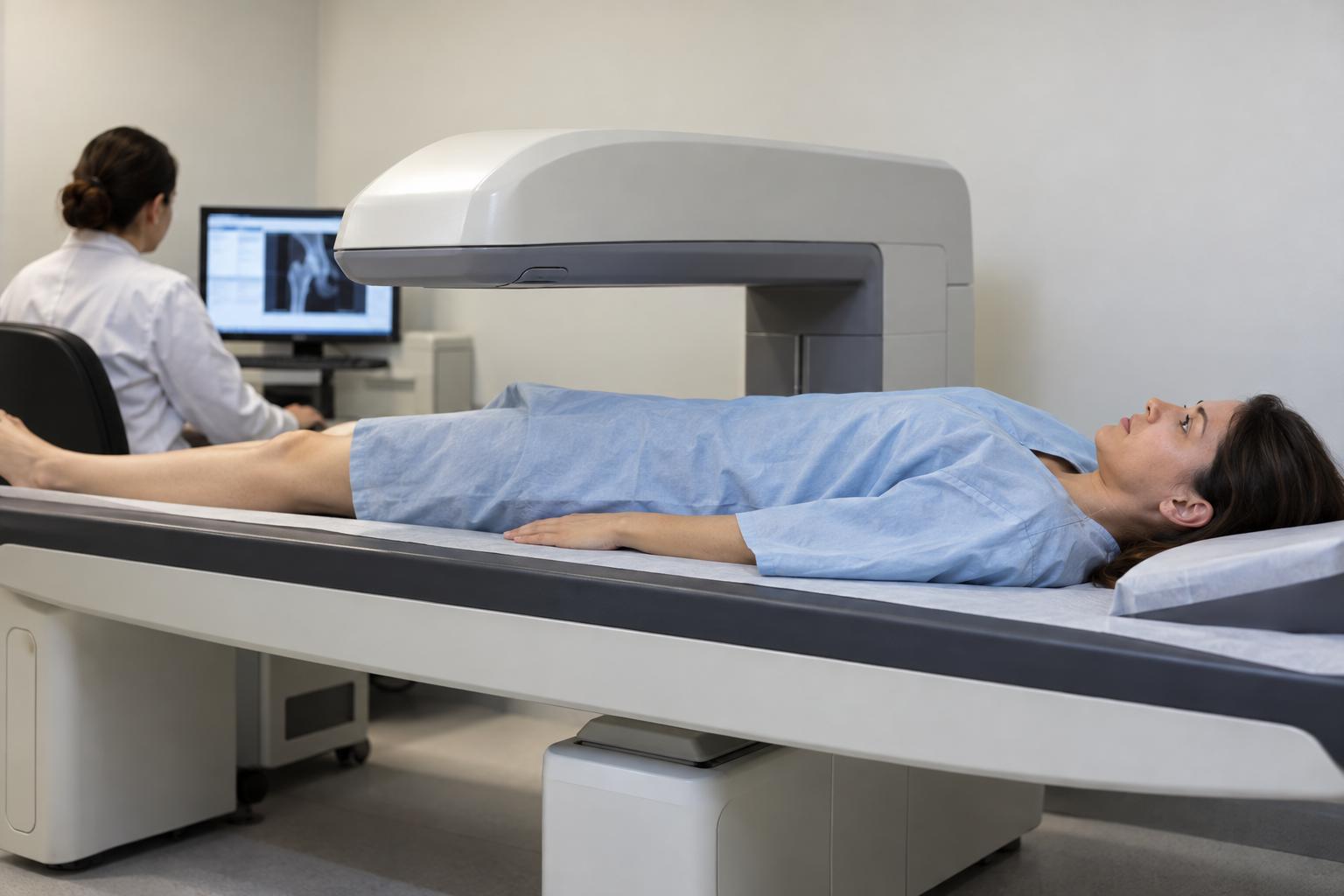
Months Without a Period: Why It’s Worth Checking Bone Health Too
A missed period can have many causes. Learn when to rule out pregnancy, how clinicians decide whether to assess bone density, and when to seek medical guidance.