Educational article
Apparently Normal Cycles, but Questions About Ovulation: When to Talk With a Doctor

Educational content. It does not replace an individual medical assessment and should not be used for self-medication.

Does a regular cycle prove that I’m ovulating?
Not necessarily. Menstrual regularity provides context about your cycle pattern, but it does not by itself confirm that ovulation occurs in every cycle or predict whether you will become pregnant. Fertility depends on several factors and cannot be determined from the calendar alone.
Do variable cycles mean that I’m infertile?
No. Cycle variation by itself does not define infertility or mean that conception is not possible. It may be helpful to record how long your cycles usually last and how they have changed; a professional will interpret this information alongside your health history and other factors.
Can cervical mucus or an app confirm ovulation?
Changes in cervical mucus and app predictions can help identify patterns, but they are not diagnostic tests for ovulation or fertility. Apps estimate dates based on the information entered; that estimate does not guarantee that ovulation occurred or, by itself, identify the cause of difficulty conceiving.
What everyday information is worth recording?
Writing down the dates your periods start and any changes you have noticed can help with a clinical conversation. You can also mention how long you have been trying to conceive, relevant medical history, and any symptoms that concern you. Your notes provide context: they do not have to be perfect and do not replace an evaluation.
When should I talk with a professional about fertility?
When to seek a consultation depends on factors such as age, how long you have been trying to conceive, and your health history. Criteria may vary depending on the situation; a professional can advise you about when an evaluation may be appropriate. Consider seeking an assessment sooner if you have a prolonged absence of menstruation, relevant medical history, or concerning symptoms.
Is evaluation limited to measuring hormones?
No. When appropriate, an evaluation considers factors involving both partners and may include a medical history and tests selected for each case. Hormone tests are only one possible part of the evaluation and do not, by themselves, explain every difficulty conceiving.
How can I prepare for a consultation without jumping to conclusions?
You can bring approximate dates of your cycles, say how long you have been trying to conceive, and mention relevant medical history or symptoms. Avoid interpreting an app, a bodily change, or a single cycle as definitive proof. An evaluation helps determine whether tests are needed and how to interpret their results in context.
When to seek medical care
If symptoms persist, test results are abnormal, or you have questions about medication, arrange an individual assessment. Do not change treatment or doses without medical guidance.
Frequently asked questions
Can I ovulate even if my cycles vary?
Cycle variation does not confirm or rule out ovulation. A professional can assess your menstrual pattern alongside your medical history and, if needed, other tests.
If my cycles are regular, does that mean I don’t need an evaluation?
Not necessarily. Regularity does not confirm ovulation or guarantee pregnancy. Age, how long you have been trying to conceive, and other medical history help determine when to seek guidance.
Is fertility evaluation only for people with irregular cycles?
No. It may consider factors involving both partners and is not limited to cycles or hormone tests. The professional determines what information or tests are appropriate.
Does this topic resonate with you?
Every case is different. Book a consultation to review your history, test results and goals with a personalized plan.
More articles about Female reproductive endocrinology

5 min de lectura
Publicado: 7 de noviembre de 2026 · Actualizado: 7 de noviembre de 2026
From the First Period to Adult Cycles: How Menstrual Patterns Change With Age
Learn how the menstrual cycle may vary during the first years after menarche, what information to track, and which changes may warrant a clinical evaluation.

5 min de lectura
Publicado: 5 de noviembre de 2026 · Actualizado: 5 de noviembre de 2026
Hormonal Treatments for Menstrual Cycle Disorders: Safe Decisions Before Starting or Changing Treatment
What to review before starting, restarting, or changing hormonal treatment for menstrual disorders, what to do about a missed dose, and when to seek guidance.

6 min de lectura
Publicado: 5 de noviembre de 2026 · Actualizado: 5 de noviembre de 2026
Eating to Support Your Reproductive Health: Practical Habits Without Extreme Diets
General guidance on eating a varied and sufficient diet, its role in reproductive health care, and why no food can guarantee menstrual cycle or hormone regulation.

6 min de lectura
Publicado: 2 de noviembre de 2026 · Actualizado: 2 de noviembre de 2026
Inherited and Acquired Factors in Ovarian Health: Useful Questions to Organize Your History
Learn what family and personal information can help put menstrual changes and ovarian function into context, and why that history alone is not enough to establish a diagnosis.

5 min de lectura
Publicado: 1 de noviembre de 2026 · Actualizado: 1 de noviembre de 2026
Trying to Get Pregnant and Noticing Changes in Your Cycle? What Information to Bring to Your Appointment
What dates, medical history, and medications to bring to an appointment if you are trying to get pregnant and have noticed changes in your menstrual cycle.
6 min de lectura
Publicado: 20 de octubre de 2026 · Actualizado: 20 de octubre de 2026
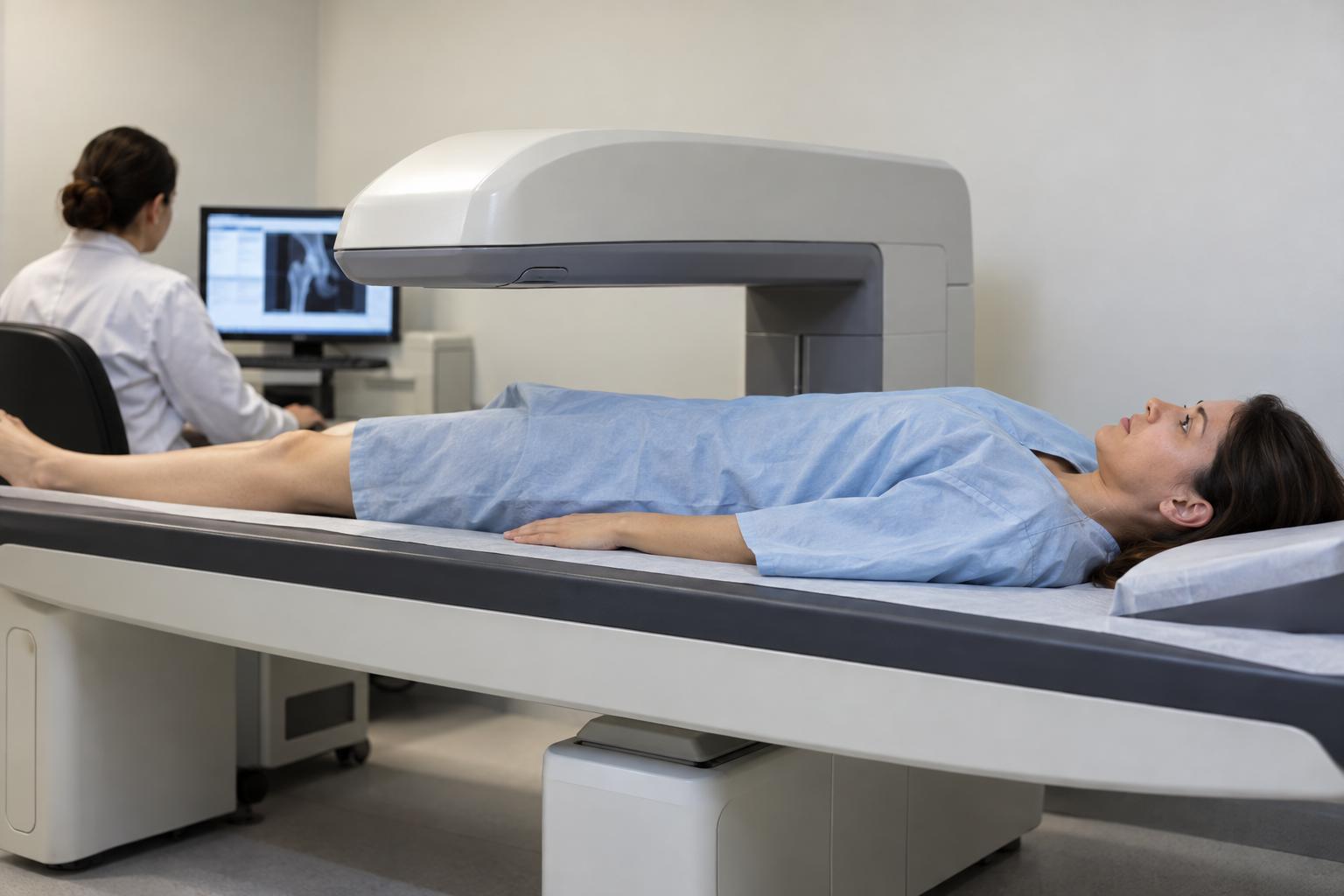
Months Without a Period: Why It’s Worth Checking Bone Health Too
A missed period can have many causes. Learn when to rule out pregnancy, how clinicians decide whether to assess bone density, and when to seek medical guidance.