Educational article
Very Heavy Menstrual Bleeding: Clues That It May Not Be a Normal Part of Your Cycle

Educational content. It does not replace an individual medical assessment and should not be used for self-medication.

What heavy or prolonged bleeding means
Menstruation can vary from one cycle to another. It is worth discussing bleeding with a health care professional if you need to change protection much more often than usual, it lasts more days than it normally does, or it interferes with daily activities, especially if the pattern recurs. You do not need to measure it exactly to ask for guidance: describing what happens and how it affects you is a good place to start.
Changes worth observing
Make a note if you need to change pads, tampons, or period underwear very frequently; if blood soaks through your protection; if you use more than one product at a time; or if you have large or repeated clots. The effect on your life also matters: missing work or school, waking up during the night, or limiting activities because you are worried about leaks are valid reasons to bring it up.
Other symptoms to mention
Tell your health care professional if you have persistent fatigue, weakness, dizziness, or shortness of breath during your usual activities along with the bleeding. These symptoms can have different causes and, by themselves, do not identify the source of the bleeding. You do not need to wait until they are disabling to seek an evaluation.
There may be different causes
Heavy or prolonged bleeding may be related to gynecologic causes, bleeding disorders, or certain hormonal conditions, among other possibilities. The cause cannot be determined from the amount of bleeding alone, and it should not automatically be attributed to a hormonal imbalance. If pregnancy is possible, do not assume the bleeding is a usual period; seek medical guidance.
What information to record
If possible, note the dates the bleeding starts and ends, how long it lasts, how often you change products, and the approximate number of products used. Also record clots, pain, and associated symptoms such as fatigue or dizziness; mention recent changes, medications, and the possibility of pregnancy, if applicable. These notes can help guide the discussion, but they do not replace a clinical evaluation.
What an evaluation may involve
The health care professional may ask about your menstrual pattern, personal and family history, medications, and associated symptoms. Depending on your situation, they may consider a clinical exam or tests to explore different causes; not everyone needs the same tests. Management options depend on your history and the likely cause. Do not start hormones or supplements on your own.
When to seek urgent care
Seek urgent care if bleeding repeatedly soaks through your protection in a short time, or if you faint, have difficulty breathing, experience severe weakness, or have a significant worsening of symptoms. If pregnancy is possible and you are bleeding, seek medical guidance; if symptoms are severe, do not wait to complete a record before asking for help.
When to seek medical care
If symptoms persist, test results are abnormal, or you have questions about medication, arrange an individual assessment. Do not change treatment or doses without medical guidance.
Frequently asked questions
When may menstrual bleeding be considered heavy?
It may warrant an evaluation if you need to change products very frequently, blood soaks through your protection, bleeding lasts longer than usual, or it limits your activities. The overall pattern and its impact matter, not just one isolated detail.
Does heavy bleeding mean I have a hormonal problem?
Not necessarily. It may have gynecologic causes, be related to blood clotting, or be associated with certain hormonal conditions. An evaluation can help identify the cause.
What information can I bring to my appointment?
If you can, record how long the bleeding lasts, how often you change products, the approximate amount, any clots or pain, and associated symptoms. Also mention your medical history, medications, and whether pregnancy is possible.
Does this topic resonate with you?
Every case is different. Book a consultation to review your history, test results and goals with a personalized plan.
More articles about Female reproductive endocrinology

5 min de lectura
Publicado: 7 de noviembre de 2026 · Actualizado: 7 de noviembre de 2026
From the First Period to Adult Cycles: How Menstrual Patterns Change With Age
Learn how the menstrual cycle may vary during the first years after menarche, what information to track, and which changes may warrant a clinical evaluation.

5 min de lectura
Publicado: 5 de noviembre de 2026 · Actualizado: 5 de noviembre de 2026
Hormonal Treatments for Menstrual Cycle Disorders: Safe Decisions Before Starting or Changing Treatment
What to review before starting, restarting, or changing hormonal treatment for menstrual disorders, what to do about a missed dose, and when to seek guidance.

6 min de lectura
Publicado: 5 de noviembre de 2026 · Actualizado: 5 de noviembre de 2026
Eating to Support Your Reproductive Health: Practical Habits Without Extreme Diets
General guidance on eating a varied and sufficient diet, its role in reproductive health care, and why no food can guarantee menstrual cycle or hormone regulation.

6 min de lectura
Publicado: 2 de noviembre de 2026 · Actualizado: 2 de noviembre de 2026
Inherited and Acquired Factors in Ovarian Health: Useful Questions to Organize Your History
Learn what family and personal information can help put menstrual changes and ovarian function into context, and why that history alone is not enough to establish a diagnosis.

5 min de lectura
Publicado: 1 de noviembre de 2026 · Actualizado: 1 de noviembre de 2026
Trying to Get Pregnant and Noticing Changes in Your Cycle? What Information to Bring to Your Appointment
What dates, medical history, and medications to bring to an appointment if you are trying to get pregnant and have noticed changes in your menstrual cycle.
6 min de lectura
Publicado: 20 de octubre de 2026 · Actualizado: 20 de octubre de 2026
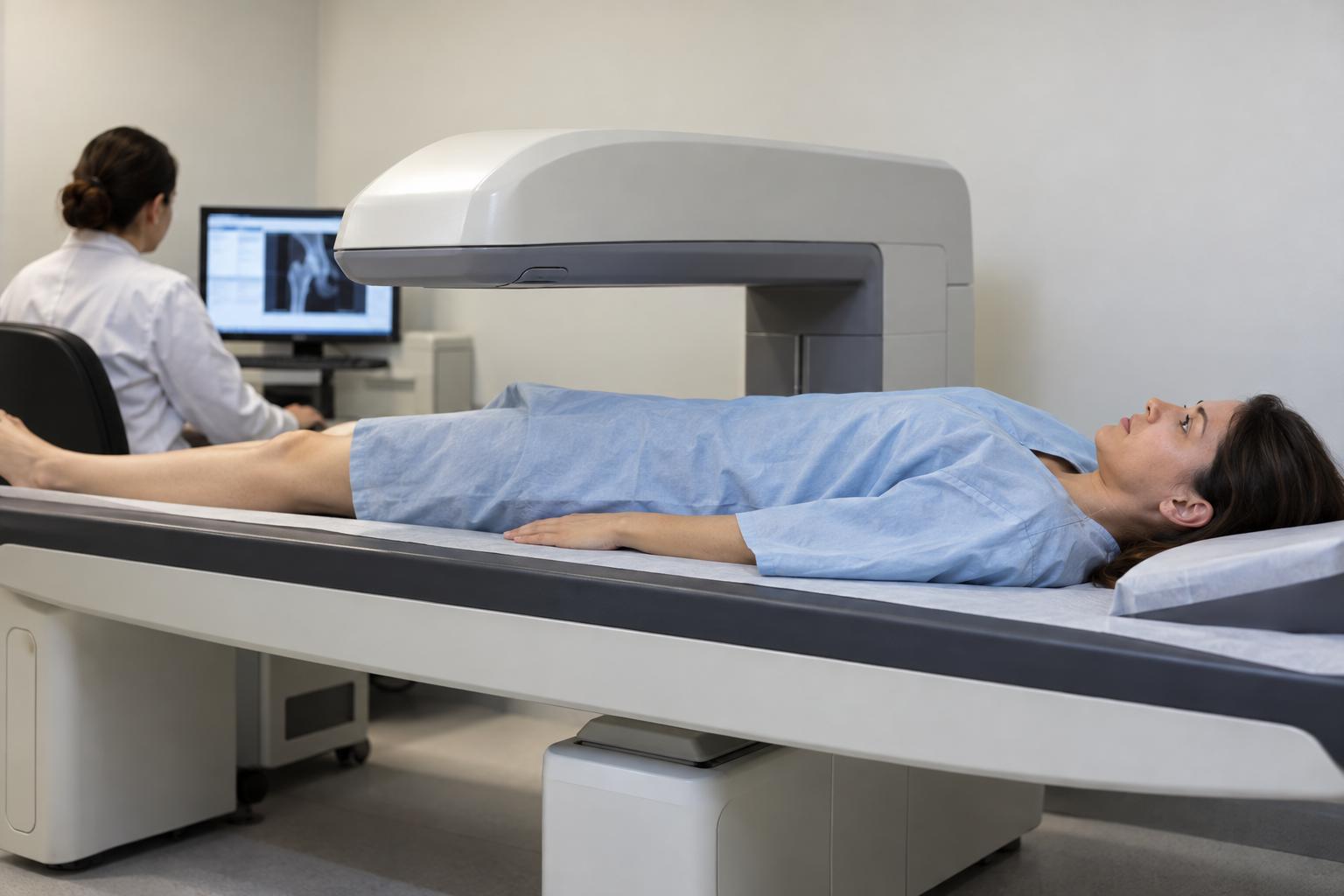
Months Without a Period: Why It’s Worth Checking Bone Health Too
A missed period can have many causes. Learn when to rule out pregnancy, how clinicians decide whether to assess bone density, and when to seek medical guidance.