Educational article
Before Treating an Irregular Cycle: Checks That Can Prevent Missteps

Educational content. It does not replace an individual medical assessment and should not be used for self-medication.

What it means to have an irregular cycle
An irregular cycle is one whose interval or pattern changes unpredictably compared with what is usual for that person. An occasional variation alone does not identify a cause. Before recommending treatment, it is important to understand what the cycles have been like, what changed, and what the goal of management is.
What changes to describe
Note whether periods have become farther apart, more frequent, or unpredictable, and whether the amount or duration of bleeding has changed. Also mention pain, bleeding between periods, or other changes that concern you. No single symptom confirms an endocrine or gynecologic cause.
Review the context and consider pregnancy
It may be helpful during the evaluation to know the date of your last period, your usual pattern, when the changes began, and whether pregnancy is possible. If pregnancy is possible, clarifying this may affect which evaluations and treatments are appropriate. The need for and type of test are assessed based on each situation.
Factors that can provide context
Recent weight changes, intense exercise, stress, breastfeeding, and some medications may provide useful information. Endocrine conditions and other causes can also affect the cycle. These details help guide what to investigate, but they are not enough to automatically attribute irregular periods to a single explanation.
Treatment depends on the cause and the goal
There is no single treatment for all irregular cycles. The decision depends on the evaluation, symptoms, and agreed-upon goals, such as managing discomfort or bleeding, or protecting endometrial health when appropriate. Clarifying the context helps select management that is suitable for each person.
How to prepare for an evaluation
Bring the date of your last period and, if you can, a record of the dates and characteristics of recent cycles. Note medications and supplements, health changes, exercise, stress, breastfeeding, and any relevant possibility of pregnancy. You can also bring previous test results and a list of your questions.
Tests are selected for each individual case
Laboratory tests or imaging are ordered based on the history, symptoms, and findings; there is no required panel for everyone. If you already have test results, share them during the evaluation so the healthcare professional can review them and assess whether any tests need to be repeated.
When to seek guidance
Request an evaluation if the change in your menstrual pattern persists, if bleeding or pain concerns you, or if you need to clarify a possible pregnancy and the next steps. Avoid starting medications on your own or assuming that stress or a known condition explains every change. This information does not replace a medical evaluation.
When to seek medical care
If symptoms persist, test results are abnormal, or you have questions about medication, arrange an individual assessment. Do not change treatment or doses without medical guidance.
Frequently asked questions
Does everyone with irregular cycles need the same tests?
No. The choice of laboratory tests or imaging depends on the menstrual pattern, medical history, symptoms, and clinical evaluation.
What information should I bring to the evaluation?
The date of your last period, a record of recent cycles, any changes you have noticed, the medications you take, and any previous results you have. Mention it if pregnancy is possible.
Why can treatment vary from one person to another?
Because it depends on the cause being considered, the symptoms, and the management goals. The evaluation helps determine which options are appropriate in each case.
Does this topic resonate with you?
Every case is different. Book a consultation to review your history, test results and goals with a personalized plan.
More articles about Female reproductive endocrinology

5 min de lectura
Publicado: 7 de noviembre de 2026 · Actualizado: 7 de noviembre de 2026
From the First Period to Adult Cycles: How Menstrual Patterns Change With Age
Learn how the menstrual cycle may vary during the first years after menarche, what information to track, and which changes may warrant a clinical evaluation.

5 min de lectura
Publicado: 5 de noviembre de 2026 · Actualizado: 5 de noviembre de 2026
Hormonal Treatments for Menstrual Cycle Disorders: Safe Decisions Before Starting or Changing Treatment
What to review before starting, restarting, or changing hormonal treatment for menstrual disorders, what to do about a missed dose, and when to seek guidance.

6 min de lectura
Publicado: 5 de noviembre de 2026 · Actualizado: 5 de noviembre de 2026
Eating to Support Your Reproductive Health: Practical Habits Without Extreme Diets
General guidance on eating a varied and sufficient diet, its role in reproductive health care, and why no food can guarantee menstrual cycle or hormone regulation.

6 min de lectura
Publicado: 2 de noviembre de 2026 · Actualizado: 2 de noviembre de 2026
Inherited and Acquired Factors in Ovarian Health: Useful Questions to Organize Your History
Learn what family and personal information can help put menstrual changes and ovarian function into context, and why that history alone is not enough to establish a diagnosis.

5 min de lectura
Publicado: 1 de noviembre de 2026 · Actualizado: 1 de noviembre de 2026
Trying to Get Pregnant and Noticing Changes in Your Cycle? What Information to Bring to Your Appointment
What dates, medical history, and medications to bring to an appointment if you are trying to get pregnant and have noticed changes in your menstrual cycle.
6 min de lectura
Publicado: 20 de octubre de 2026 · Actualizado: 20 de octubre de 2026
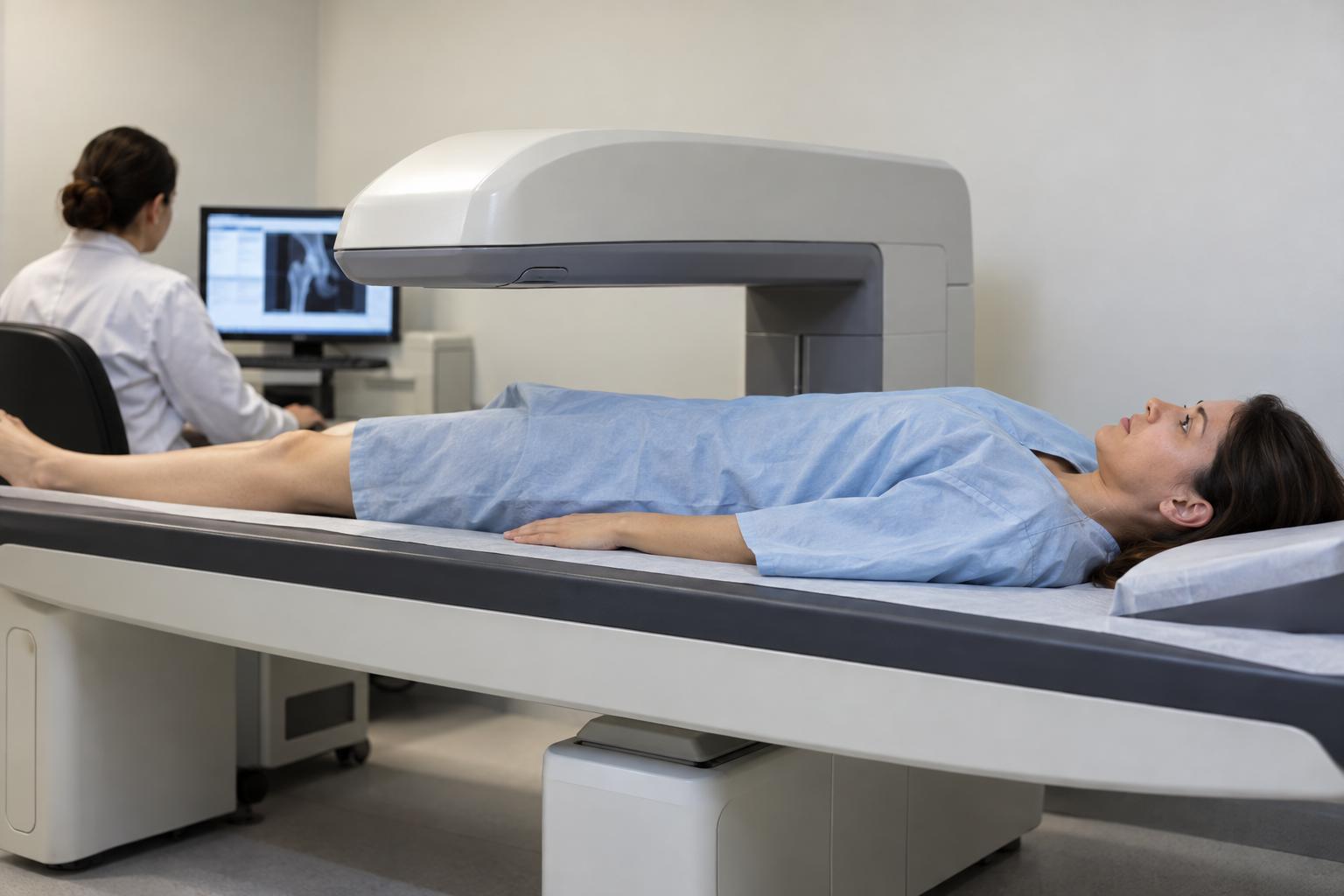
Months Without a Period: Why It’s Worth Checking Bone Health Too
A missed period can have many causes. Learn when to rule out pregnancy, how clinicians decide whether to assess bone density, and when to seek medical guidance.