Educational article
When Bleeding Does Not Stop: Review the Cause Before Changing Hormones

Educational content. It does not replace an individual medical assessment and should not be used for self-medication.

Identify what changed and when
Light or irregular bleeding can occur when starting some hormone treatments; what is expected depends on the medication and the reason it was prescribed. If it continues beyond the period explained by your health care professional, returns after improving, becomes heavier, or occurs with other symptoms, consider requesting a reevaluation. Note when it started, how long each episode lasts, and how it has changed.
Review the treatment without assuming it is the only cause
Have the name of the treatment, when you started it, and why it was prescribed on hand. Mention if you missed doses, changed how you take it, or started other medications or supplements. These details can help interpret the pattern, but by themselves they do not prove that the bleeding is due to the treatment or to incorrect use. Do not stop or change it without medical guidance.
Clarify what outcome was expected
The treatment may have been prescribed to reduce bleeding, regulate the menstrual cycle, or for another purpose. Ask what changes were expected, for how long, and under what circumstances you should request a follow-up. The response depends on the medication, your medical history, and the cause being treated; there is no single timeframe that applies to everyone.
Bleeding may have other causes
Depending on the situation, your health care professional may consider pregnancy, structural changes in the uterus, bleeding disorders, or other gynecologic or medical conditions. They will also consider your medical history, the possibility of pregnancy, and the characteristics of the bleeding. Persistent bleeding does not automatically mean there is a serious illness, but it may warrant reviewing the initial explanation.
What the evaluation may include
The evaluation may include questions about the bleeding pattern, treatment, and medical history, as well as a clinical examination when indicated. Depending on the situation, your health care professional may order a pregnancy test, a complete blood count to assess for anemia, or imaging such as an ultrasound. Not everyone needs the same tests; they are selected based on the medical history and findings.
Bring specific information
Record the days you bleed, the approximate duration and intensity, changes from your usual pattern, and symptoms such as fatigue, paleness, dizziness, or pain. Also bring a list of your medications and details about the hormone treatment. This information helps determine whether tests, follow-up, or a review of the plan may be needed.
When to seek urgent care
Seek urgent care if bleeding quickly soaks through sanitary pads, if you faint or feel like you may faint, have difficulty breathing, or experience severe pain. If bleeding persists or worsens without these signs, contact the health care professional who prescribed the treatment soon for guidance. Do not adjust your hormones on your own.
Agree on the next step
At the end of the evaluation, confirm which results will be reviewed, when to follow up, and whom to contact if the bleeding changes. If adjusting the treatment is considered, the decision should take the possible cause and your safety into account. When appropriate, the health care team can coordinate a gynecologic evaluation with other professionals, including endocrinology.
When to seek medical care
If symptoms persist, test results are abnormal, or you have questions about medication, arrange an individual assessment. Do not change treatment or doses without medical guidance.
Frequently asked questions
Is bleeding normal when starting hormone treatment?
Some treatments can be associated with irregular bleeding at first, but what is expected depends on the medication and its purpose. If bleeding lasts longer than you were told to expect, worsens, or returns, request a review.
Should I stop treatment if I am still bleeding?
Do not stop or change it on your own. Contact the health care professional who prescribed it to review the bleeding pattern, how you are using the treatment, other medications, and whether tests are needed.
Is an ultrasound always necessary?
No. It is ordered when your medical history and evaluation suggest it may help clarify the cause. Your health care professional decides which tests are appropriate in each case.
Does this topic resonate with you?
Every case is different. Book a consultation to review your history, test results and goals with a personalized plan.
More articles about Female reproductive endocrinology

5 min de lectura
Publicado: 7 de noviembre de 2026 · Actualizado: 7 de noviembre de 2026
From the First Period to Adult Cycles: How Menstrual Patterns Change With Age
Learn how the menstrual cycle may vary during the first years after menarche, what information to track, and which changes may warrant a clinical evaluation.

5 min de lectura
Publicado: 5 de noviembre de 2026 · Actualizado: 5 de noviembre de 2026
Hormonal Treatments for Menstrual Cycle Disorders: Safe Decisions Before Starting or Changing Treatment
What to review before starting, restarting, or changing hormonal treatment for menstrual disorders, what to do about a missed dose, and when to seek guidance.

6 min de lectura
Publicado: 5 de noviembre de 2026 · Actualizado: 5 de noviembre de 2026
Eating to Support Your Reproductive Health: Practical Habits Without Extreme Diets
General guidance on eating a varied and sufficient diet, its role in reproductive health care, and why no food can guarantee menstrual cycle or hormone regulation.

6 min de lectura
Publicado: 2 de noviembre de 2026 · Actualizado: 2 de noviembre de 2026
Inherited and Acquired Factors in Ovarian Health: Useful Questions to Organize Your History
Learn what family and personal information can help put menstrual changes and ovarian function into context, and why that history alone is not enough to establish a diagnosis.

5 min de lectura
Publicado: 1 de noviembre de 2026 · Actualizado: 1 de noviembre de 2026
Trying to Get Pregnant and Noticing Changes in Your Cycle? What Information to Bring to Your Appointment
What dates, medical history, and medications to bring to an appointment if you are trying to get pregnant and have noticed changes in your menstrual cycle.
6 min de lectura
Publicado: 20 de octubre de 2026 · Actualizado: 20 de octubre de 2026
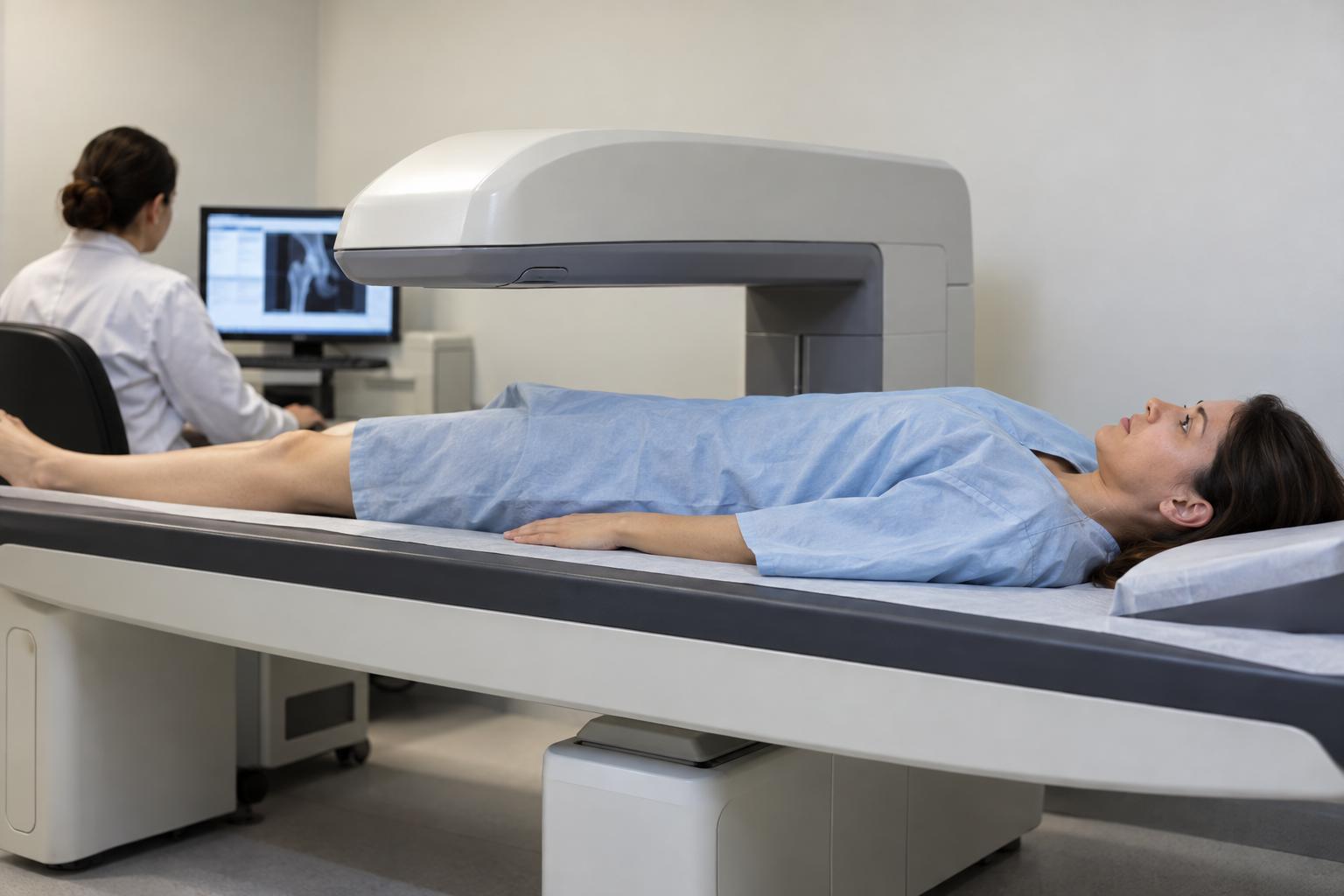
Months Without a Period: Why It’s Worth Checking Bone Health Too
A missed period can have many causes. Learn when to rule out pregnancy, how clinicians decide whether to assess bone density, and when to seek medical guidance.