Educational article
Menopause: What Causes It and What May Only Influence When It Occurs

Educational content. It does not replace an individual medical assessment and should not be used for self-medication.

Distinguish cause, predisposition, and associated factors
The biological cause, family predisposition, and factors that may be associated with the age at onset are distinct concepts. Separating them helps explain why natural menopause occurs and why its timing varies from person to person. This guide is for informational purposes and does not replace a medical evaluation.
The biological cause of natural menopause
Natural menopause occurs when ovarian activity that allows follicles to mature and hormones to be produced stops permanently. Follicular activity gradually declines over time. Menopause is considered to have occurred after 12 consecutive months without menstruation, provided the absence of menstruation is not explained by another cause and can be interpreted in the appropriate clinical context.
Family history provides context, not a date
The age at onset may have a familial component. A mother's or sisters' history may provide information about a possible predisposition, but it cannot accurately predict when menopause will occur or guarantee that family members will reach menopause at a similar age.
Associated factors: interpret with caution
Some medical history, exposures, or treatments may affect ovarian function or be related to variations in the age at onset. Their relevance depends on the factor, its intensity, and the individual context; an association alone does not establish what caused one person's menopause. Everyday habits, such as diet, exercise, or stress, cannot by themselves explain an individual's timing or predict a date.
Natural and induced menopause are not the same
Removal of both ovaries and some treatments, such as certain types of chemotherapy or radiation therapy that affect ovarian function, can cause induced menopause. This differs from the gradual decline in follicular activity that occurs in natural menopause. If you have received any of these treatments, their type and timing are relevant information for interpreting changes with your health care team.
What information may be useful to track
If you want to describe the timing of onset, you can note changes in your menstrual pattern, relevant family history, and surgeries or treatments that may affect ovarian function. This information can help put your history in context, but it does not prove that any single factor caused menopause to begin.
Symptoms and a single test are not enough
Cycle changes and other symptoms may occur during the menopausal transition, but they do not by themselves confirm that menopause has occurred. A single hormone test result may not establish the diagnosis either. Interpretation depends on your medical history, age, symptoms, and the possibility of other causes of menstrual changes or absence.
When to talk with a health care professional
If you have questions about the timing of onset, you can bring a summary of your cycles, relevant family history, and treatments you have received to an appointment. The health care professional will assess whether the pattern is consistent with a natural transition, induced menopause, or another explanation. You do not need to assign a cause to yourself or change treatments on your own.
When to seek medical care
If symptoms persist, test results are abnormal, or you have questions about medication, arrange an individual assessment. Do not change treatment or doses without medical guidance.
Frequently asked questions
If my mother went through menopause early, will I go through it at the same age?
Not necessarily. Family history may indicate a predisposition, but it does not determine an exact age or guarantee that menopause will begin at the same time.
Do stress or a change in my habits explain when my menopause began?
The timing in an individual cannot be attributed to these factors just because they occurred at the same time. Natural menopause is related to the gradual decline in ovarian follicular activity; habits alone cannot establish the cause or predict a date.
Is menopause after chemotherapy the same as natural menopause?
Not necessarily. Some chemotherapy treatments may affect ovarian function and cause induced menopause. Interpretation depends on the treatment received and the individual's medical history.
Does this topic resonate with you?
Every case is different. Book a consultation to review your history, test results and goals with a personalized plan.
More articles about Menopause

5 min de lectura
Publicado: 4 de noviembre de 2026 · Actualizado: 4 de noviembre de 2026
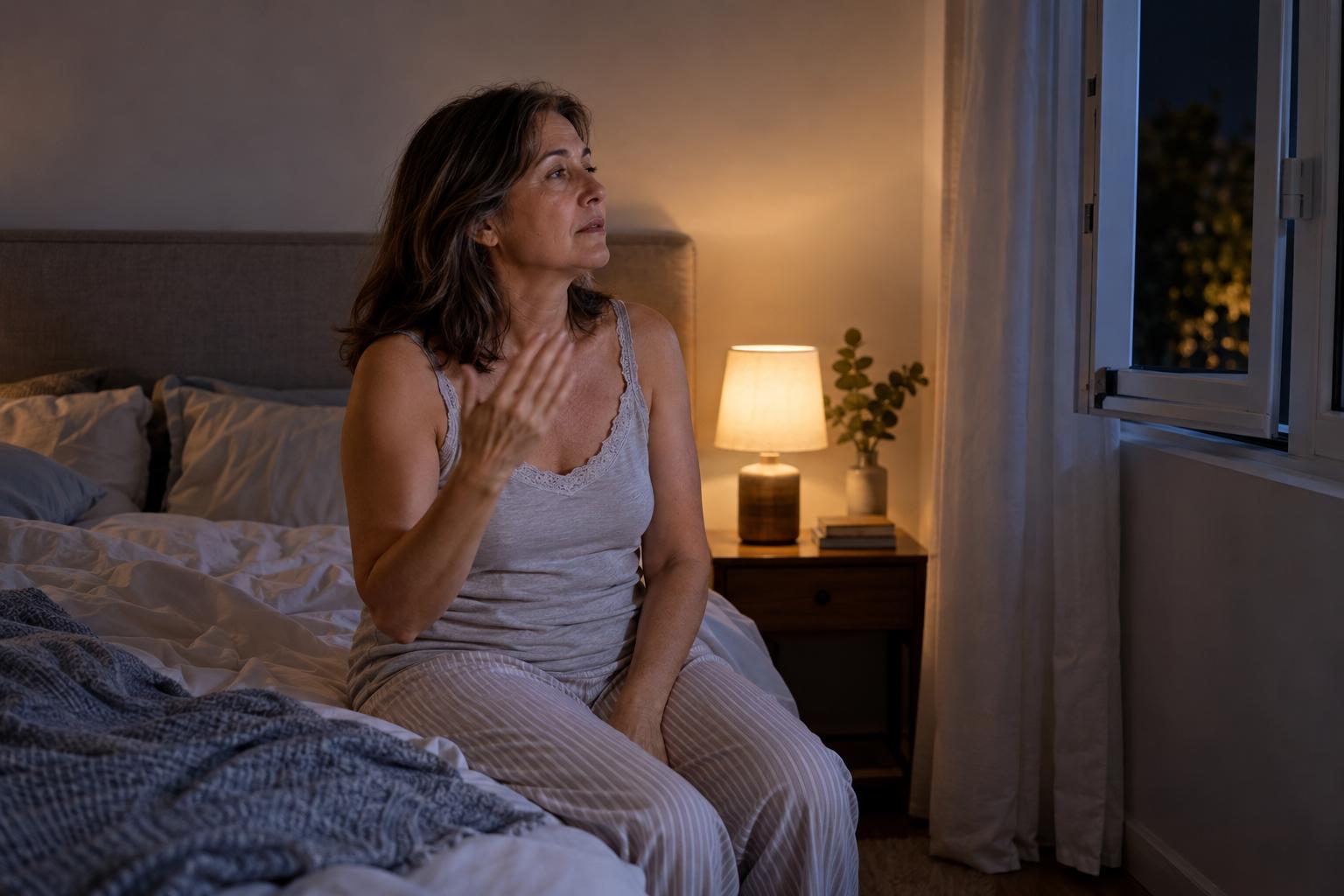
What Age Did Menopause Occur in Your Family? A Useful Detail to Discuss
The approximate age when close relatives had their last menstrual period can provide context, but it does not predict when menopause will occur for an individual. Learn what information to note and how to interpret it alongside your
6 min de lectura
Publicado: 2 de noviembre de 2026 · Actualizado: 2 de noviembre de 2026
Hormone Therapy for Menopause: How to Weigh Benefits, Risks, and Alternatives
Learn which symptoms may prompt consideration of menopausal hormone therapy, how its benefits and risks are weighed, and what alternatives are available.

6 min de lectura
Publicado: 26 de octubre de 2026 · Actualizado: 26 de octubre de 2026
If You Have Surgery During Menopause: What to Coordinate With Your Care Team Before and After
A guide to preparing for planned surgery during menopause: what treatments, medications, and supplements to report, which instructions to confirm, and how to resume follow-up care. Educational information from endocrinology in

5 min de lectura
Publicado: 5 de octubre de 2026 · Actualizado: 5 de octubre de 2026
Common Mistakes When Preparing for Menopause Diagnostic Exams and How to Avoid Them
Discover the most common mistakes women make when preparing for menopause diagnostic exams and how to avoid them to ensure accurate and reliable results.

5 min de lectura
Publicado: 29 de septiembre de 2026 · Actualizado: 29 de septiembre de 2026
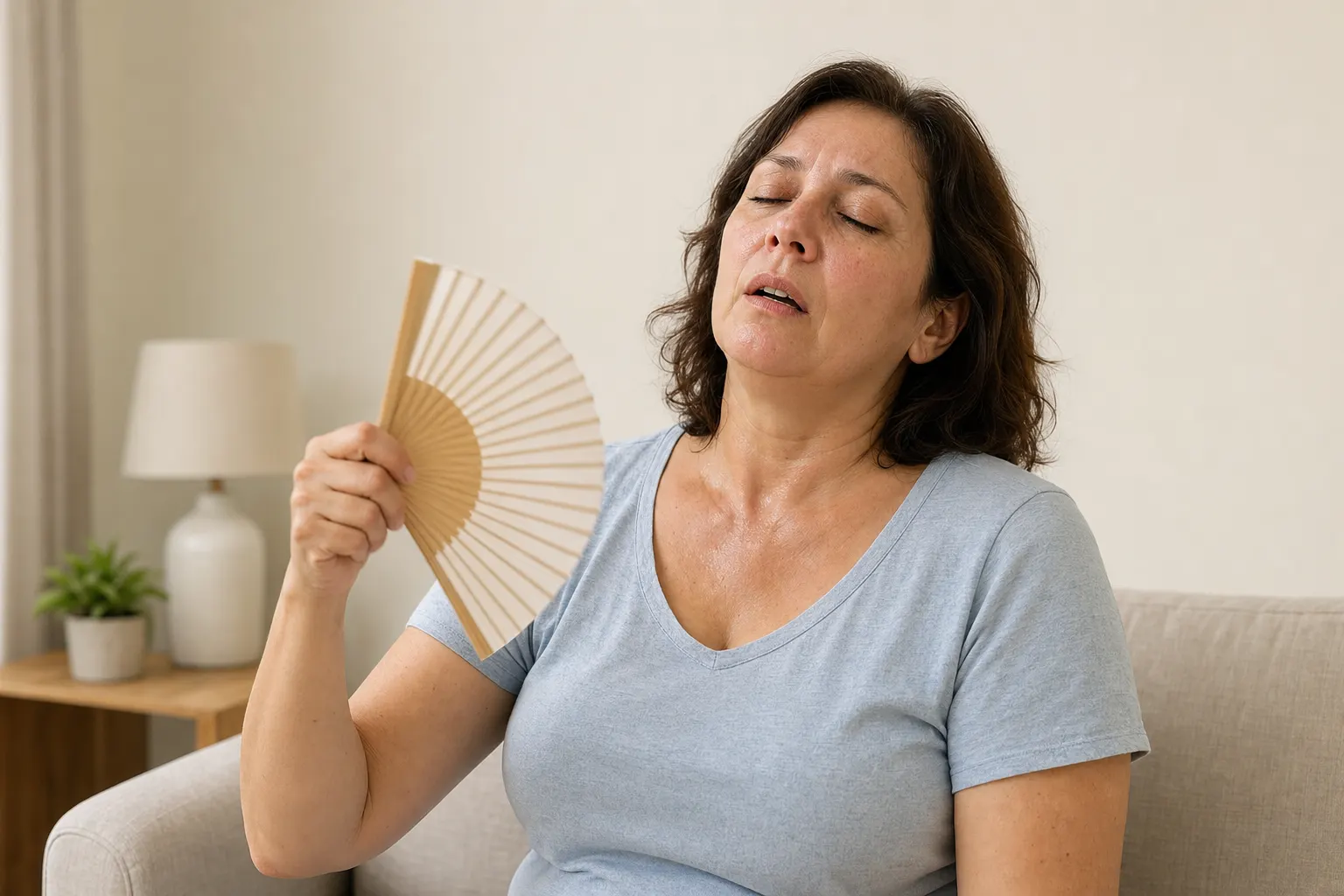
Essential Checkups for Early Detection of Complications in Menopause
Learn about the importance of health checkups during menopause to detect complications early.
5 min de lectura
Publicado: 27 de septiembre de 2026 · Actualizado: 27 de septiembre de 2026
Menopause: Debunking Common Misinterpretations of Symptoms
Explore common misinterpretations of menopause symptoms and how to appropriately address them.