Educational article
Habits and Menopause: Which Factors Can Be Reviewed Without Blaming Those Experiencing It

Educational content. It does not replace an individual medical assessment and should not be used for self-medication.

The key idea: reviewing habits is not about finding someone to blame
Natural menopause is the permanent cessation of menstrual periods, related to changes in ovarian activity. Its timing varies from person to person. Some factors have been associated with menopause occurring somewhat earlier or later, but these relationships do not explain with certainty why it occurred for a particular person. Reviewing past choices does not mean turning them into a source of blame, and changing something now does not guarantee a change in the age at which menopause occurs.
Checklist 1: Distinguish what can be modified from what you cannot control
□ Age and family history influence the timing of menopause and cannot be changed. □ Some medical circumstances, such as certain treatments or surgeries, can also affect ovarian function; their effects depend on the individual case, and they are not everyday choices. □ Among the habits studied, tobacco use is a relevant association to discuss. □ For other aspects of lifestyle, the evidence does not support reliable individual predictions. This list can guide questions; it does not assign responsibility.
Checklist 2: Interpret the association with tobacco carefully
Smoking is associated, on average, with natural menopause occurring somewhat earlier. This does not mean it is the only cause, that everyone who smokes will have early menopause, or that a person’s smoking history can be used to calculate when menopause will occur. Nor can we know what would have happened in an individual case if the person had not smoked.
Checklist 3: If you smoke, consider making a change for your overall health
□ Quitting smoking may support your overall health, but it is not a guaranteed way to delay menopause. □ If you want to quit, you can ask a health care professional which support options may be appropriate for you. □ If you have already quit, that change still has value, even though it cannot explain or reliably change the timing of menopause. Access to counseling and other support may vary from person to person and from place to place.
Checklist 4: Do not attribute the age at menopause to weight, food, or exercise
Weight, nutrition, and physical activity are aspects of overall health, but they should not be presented without qualification as direct causes of the age at which menopause occurs. It is not possible to conclude that a person could have delayed or brought on menopause earlier because of their body, diet, or how much they exercised. If these topics concern you, it is more useful to set realistic health goals than to look back for an explanation based on blame.
Checklist 5: Separate an association from a promise
□ An association describes a trend observed in groups, not one person’s future. □ Changing a habit does not guarantee a change in the timing of menopause. □ Age and family history cannot be modified. □ You do not have to change your habits to prove that you take your health seriously. These distinctions help prevent myths and messages that blame people experiencing this transition.
Checklist 6: Prepare for a clinical conversation with specific questions
If you have questions about menstrual changes or whether you may be going through menopause, you can note when they began and how they have changed, along with any medical history you consider relevant. Ask what can be assessed in your situation and what cannot be inferred. Evaluation depends on the individual case; a visit should not attribute menopause to a single habit or promise that changing it will alter the timing.
A realistic follow-up plan
Choose a step that addresses a current need—for example, seeking support if you want to quit smoking or discussing your questions with a primary care professional. Keep two questions separate: What can support your health from now on, and what can be known with certainty about the timing of menopause? The second question may not have a definitive individual answer. This content is for educational purposes and does not replace a professional evaluation.
When to seek medical care
If symptoms persist, test results are abnormal, or you have questions about medication, arrange an individual assessment. Do not change treatment or doses without medical guidance.
Frequently asked questions
Can quitting smoking delay menopause?
There is no guarantee. Smoking is associated with natural menopause occurring somewhat earlier, on average, but that association cannot predict the effect of quitting for a particular person. Quitting smoking may be valuable for overall health.
Did my diet, weight, or exercise determine when I reached menopause?
It is not possible to attribute the timing of menopause to these factors in a simple way. Age, family history, and other circumstances may also play a role, and observed associations do not explain every individual case with certainty.
If I have already reached menopause, does it make sense to change my habits?
Yes, if the change supports health goals that matter to you now. You do not need to make changes to correct the past or expect them to alter menopause that has already occurred.
Does this topic resonate with you?
Every case is different. Book a consultation to review your history, test results and goals with a personalized plan.
More articles about Menopause

5 min de lectura
Publicado: 4 de noviembre de 2026 · Actualizado: 4 de noviembre de 2026
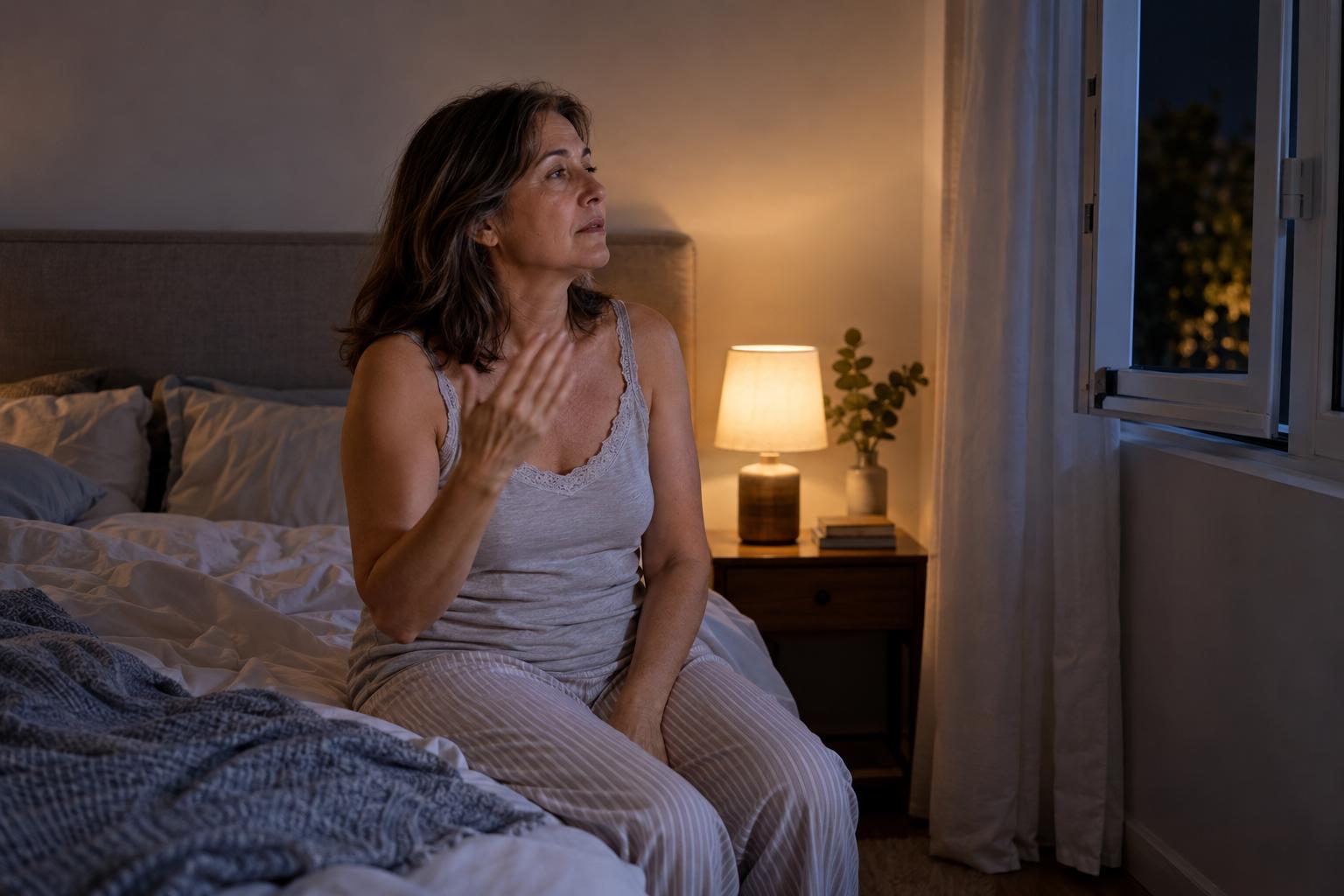
What Age Did Menopause Occur in Your Family? A Useful Detail to Discuss
The approximate age when close relatives had their last menstrual period can provide context, but it does not predict when menopause will occur for an individual. Learn what information to note and how to interpret it alongside your
6 min de lectura
Publicado: 2 de noviembre de 2026 · Actualizado: 2 de noviembre de 2026
Hormone Therapy for Menopause: How to Weigh Benefits, Risks, and Alternatives
Learn which symptoms may prompt consideration of menopausal hormone therapy, how its benefits and risks are weighed, and what alternatives are available.

6 min de lectura
Publicado: 26 de octubre de 2026 · Actualizado: 26 de octubre de 2026
If You Have Surgery During Menopause: What to Coordinate With Your Care Team Before and After
A guide to preparing for planned surgery during menopause: what treatments, medications, and supplements to report, which instructions to confirm, and how to resume follow-up care. Educational information from endocrinology in

5 min de lectura
Publicado: 5 de octubre de 2026 · Actualizado: 5 de octubre de 2026
Common Mistakes When Preparing for Menopause Diagnostic Exams and How to Avoid Them
Discover the most common mistakes women make when preparing for menopause diagnostic exams and how to avoid them to ensure accurate and reliable results.

5 min de lectura
Publicado: 29 de septiembre de 2026 · Actualizado: 29 de septiembre de 2026
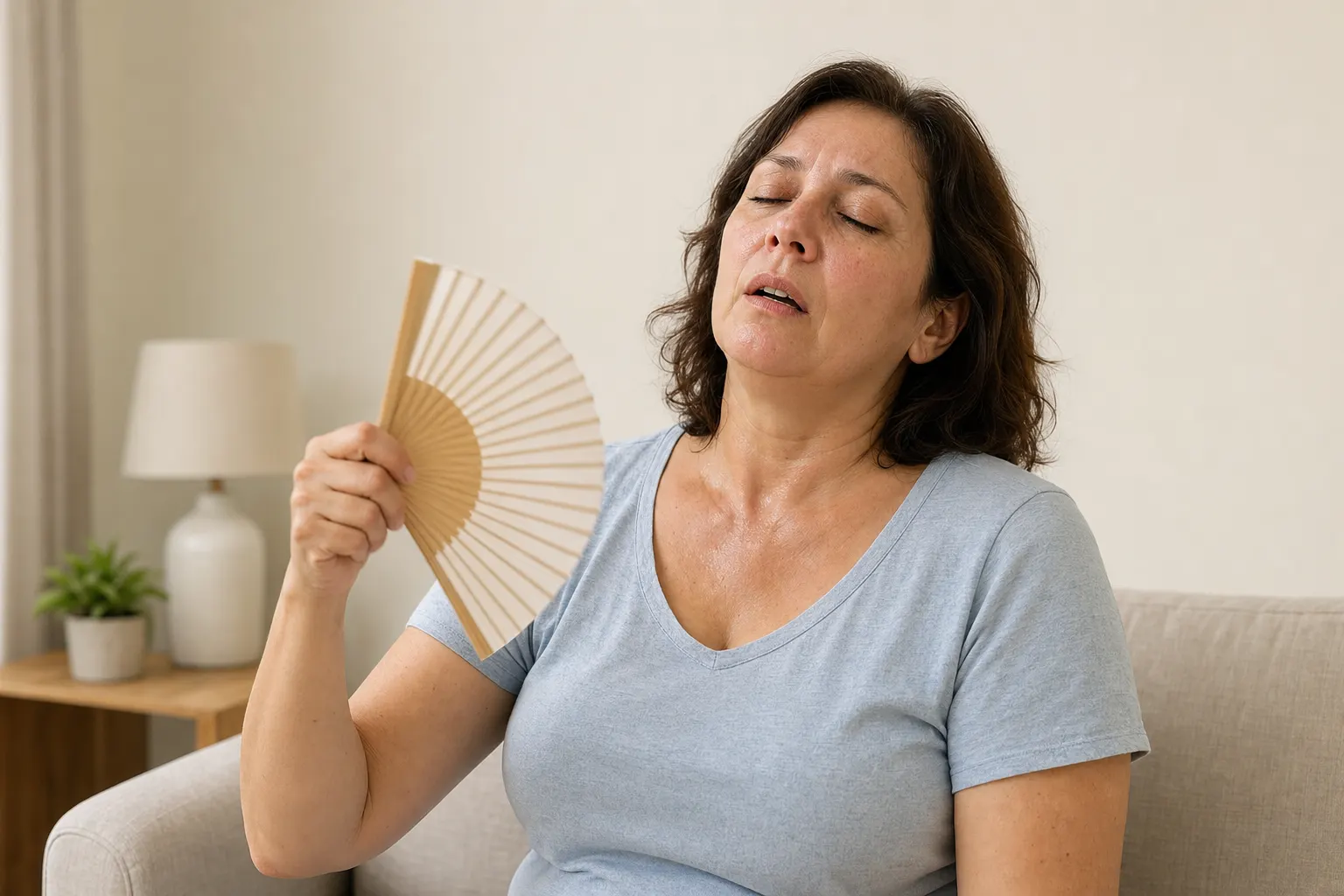
Essential Checkups for Early Detection of Complications in Menopause
Learn about the importance of health checkups during menopause to detect complications early.
5 min de lectura
Publicado: 27 de septiembre de 2026 · Actualizado: 27 de septiembre de 2026
Menopause: Debunking Common Misinterpretations of Symptoms
Explore common misinterpretations of menopause symptoms and how to appropriately address them.