Educational article
Key Factors and Background for an Effective Diagnosis of Menopause in Bogotá

Dr. Teresita Cortés Segura, medical reviewer
Author and medical review: Dra. Teresita del Niño Jesús Cortés Segura, endocrinologist.
Location: Bogotá, Colombia.
Published: September 7, 2026 · Updated: September 7, 2026 · 5 min read.
Educational content. It does not replace an individual medical assessment and should not be used for self-medication.
What is Menopause?
Menopause is a natural stage in women's lives marking the end of menstruation and fertility. It generally occurs between ages 45 and 55 but can vary.
Common Symptoms of Menopause
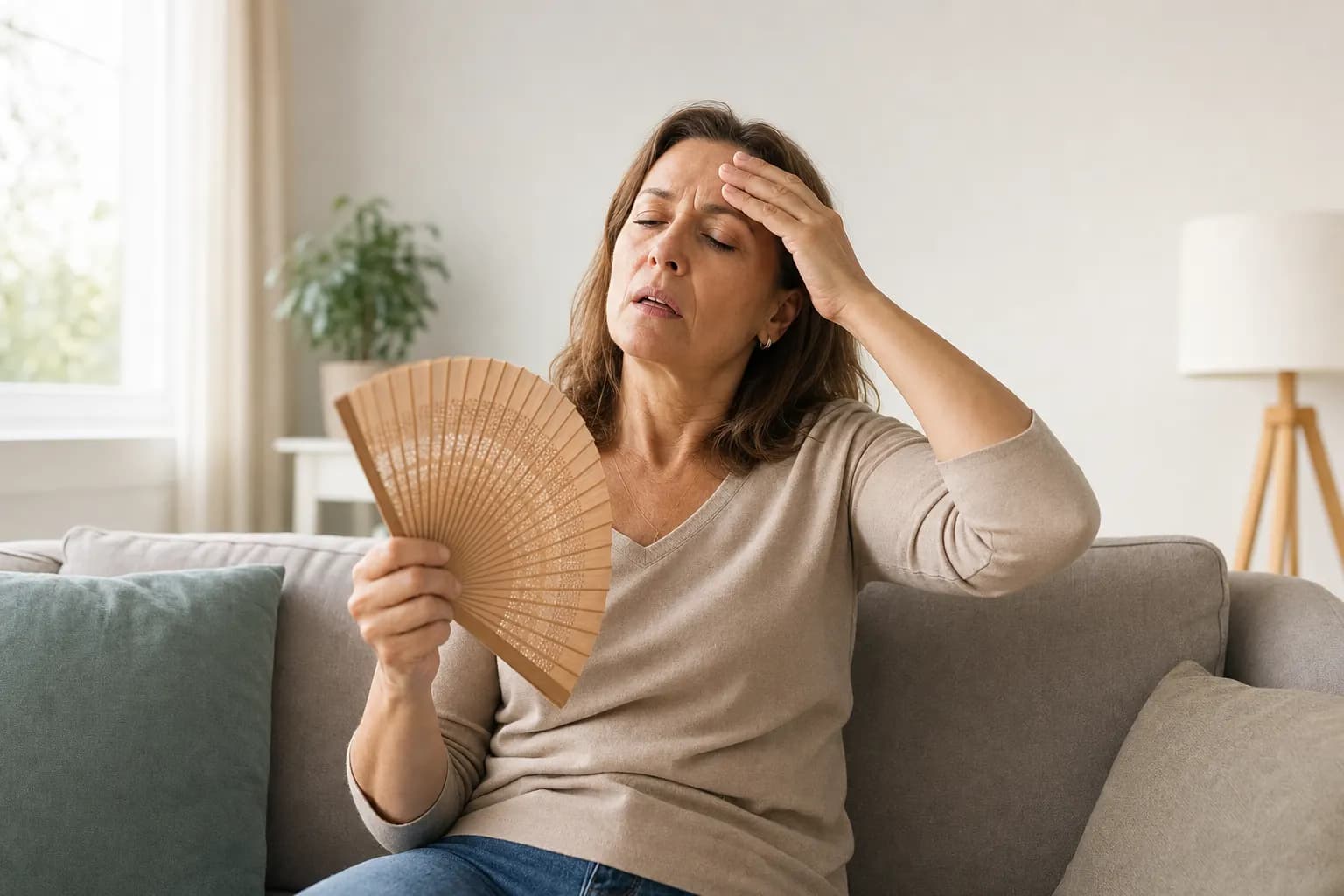
Symptoms may include hot flashes, night sweats, mood changes, and sleep disturbances. These symptoms can differ for each woman.
Myths about Menopause
There are many myths surrounding menopause, such as the idea that all women experience severe symptoms. It is important to understand that each experience is unique.
What Factors Influence the Diagnosis?
The diagnosis of menopause is based on medical history, reported symptoms, and in some cases, blood tests to measure hormones such as estrogen and FSH.
When to Consult a Doctor?
It is recommended to seek medical attention if symptoms are severe or interfere with quality of life. An endocrinologist can provide an appropriate diagnosis.
The Role of Endocrinology in Diagnosis
Endocrinologists have the necessary training to evaluate and treat menopause symptoms, providing a comprehensive approach.
When to seek medical care
If symptoms persist, test results are abnormal, or you have questions about medication, arrange an individual assessment. Do not change treatment or doses without medical guidance.
Frequently asked questions
How long does menopause last?
Menopause is a process that can last several years, beginning with perimenopause, which can last from 4 to 10 years before full menopause.
Can I get pregnant during perimenopause?
Yes, it is possible to get pregnant during perimenopause, as ovulation can be irregular. It is recommended to use contraceptive methods if pregnancy is not desired.
What tests are performed to diagnose menopause?
Tests may include blood analyses to measure hormone levels, such as FSH and estrogen, which help confirm the diagnosis.
More articles about Menopausia

5 min de lectura
Publicado: 29 de septiembre de 2026 · Actualizado: 29 de septiembre de 2026
Essential Checkups for Early Detection of Complications in Menopause
Learn about the importance of health checkups during menopause to detect complications early.
5 min de lectura
Publicado: 27 de septiembre de 2026 · Actualizado: 27 de septiembre de 2026
Menopause: Debunking Common Misinterpretations of Symptoms
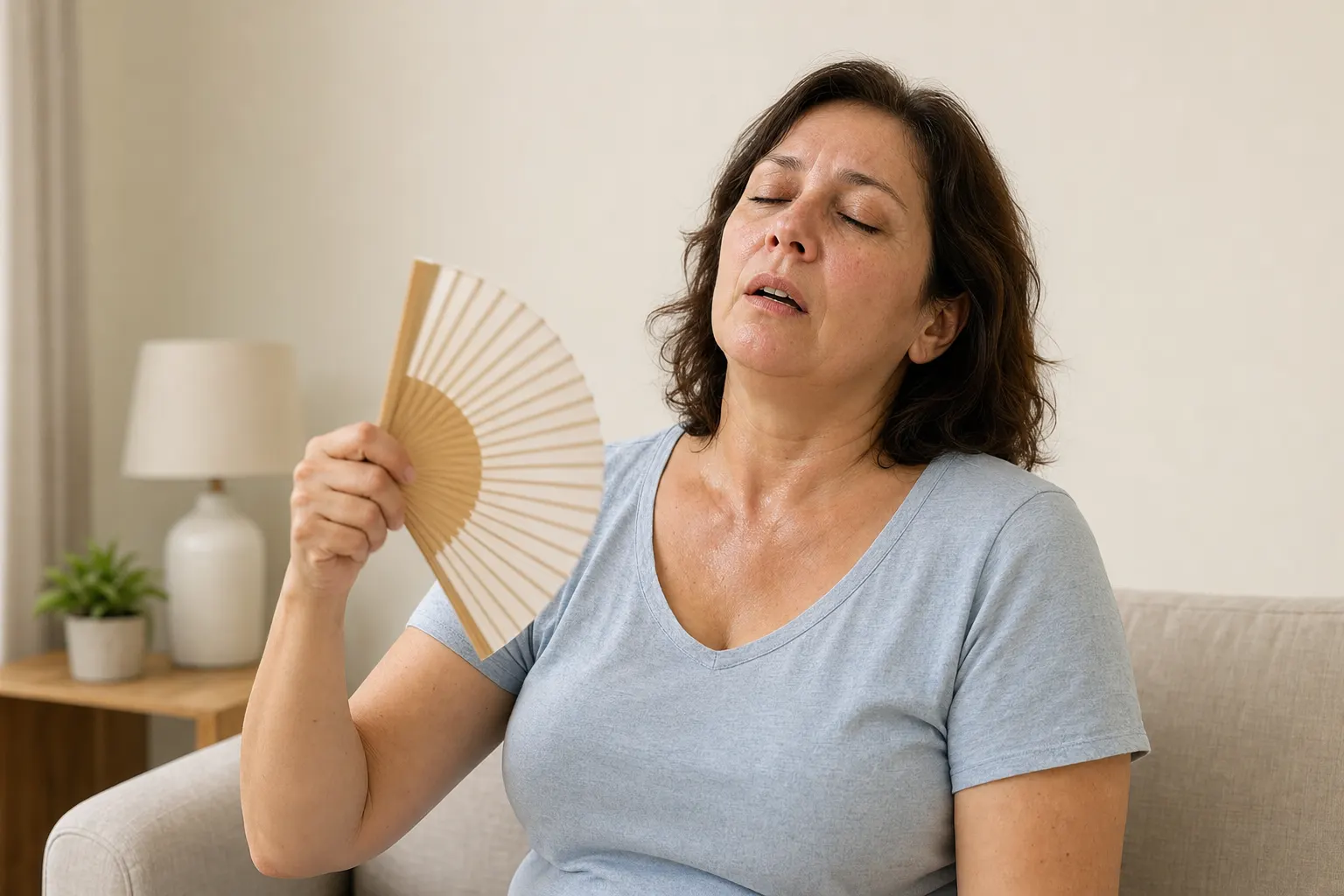
Explore common misinterpretations of menopause symptoms and how to appropriately address them.

5 min de lectura
Publicado: 26 de septiembre de 2026 · Actualizado: 26 de septiembre de 2026
Menopause: Keys to Understanding Test Results
A guide to understanding test results related to menopause, clarifying myths and advising when to consult a specialist.

5 min de lectura
Publicado: 17 de septiembre de 2026 · Actualizado: 17 de septiembre de 2026
Menopause: Key Tips to Prepare for Your Medical Check-ups in Bogotá
Learn how to prepare for your medical check-ups during menopause in Bogotá, debunking myths and offering practical steps for effective monitoring.

6 min de lectura
Publicado: 21 de agosto de 2026 · Actualizado: 21 de agosto de 2026
Menopause: Treatment Options and What to Expect Along the Way
Explore the treatment alternatives for menopause and what you can expect during this process.

5 min de lectura
Publicado: 19 de septiembre de 2026 · Actualizado: 19 de septiembre de 2026
Menopause Complications: Which Are Most Urgent and How to Address Them in Colombia?
Explore the critical complications of menopause and how to properly address them in the Colombian context.