Educational article
Menopause: Strategies for Establishing Sustainable Habits and Effective Follow-Up

Dr. Teresita Cortés Segura, medical reviewer
Author and medical review: Dra. Teresita del Niño Jesús Cortés Segura, endocrinologist.
Location: Bogotá, Colombia.
Published: August 3, 2026 · Updated: August 3, 2026 · 5 min read.
Educational content. It does not replace an individual medical assessment and should not be used for self-medication.
Myth 1: Menopause is the end of health.
Menopause is a natural stage in a woman’s life, not an end. With the right habits, it is possible to maintain a good quality of life and enjoy this phase.
Myth 2: Nothing can be done to relieve symptoms.
There are multiple strategies, such as a balanced diet and regular exercise, that can help alleviate menopause symptoms and improve overall well-being.

What habits are sustainable during menopause?
Including a diet rich in fruits, vegetables, and whole grains, as well as practicing regular exercise, can be very beneficial for physical and emotional health.
The importance of medical follow-up.
Regular follow-up with an endocrinologist allows monitoring of hormonal changes and adjustment of treatment if necessary, ensuring proper health management.
Signs to consult a specialist.
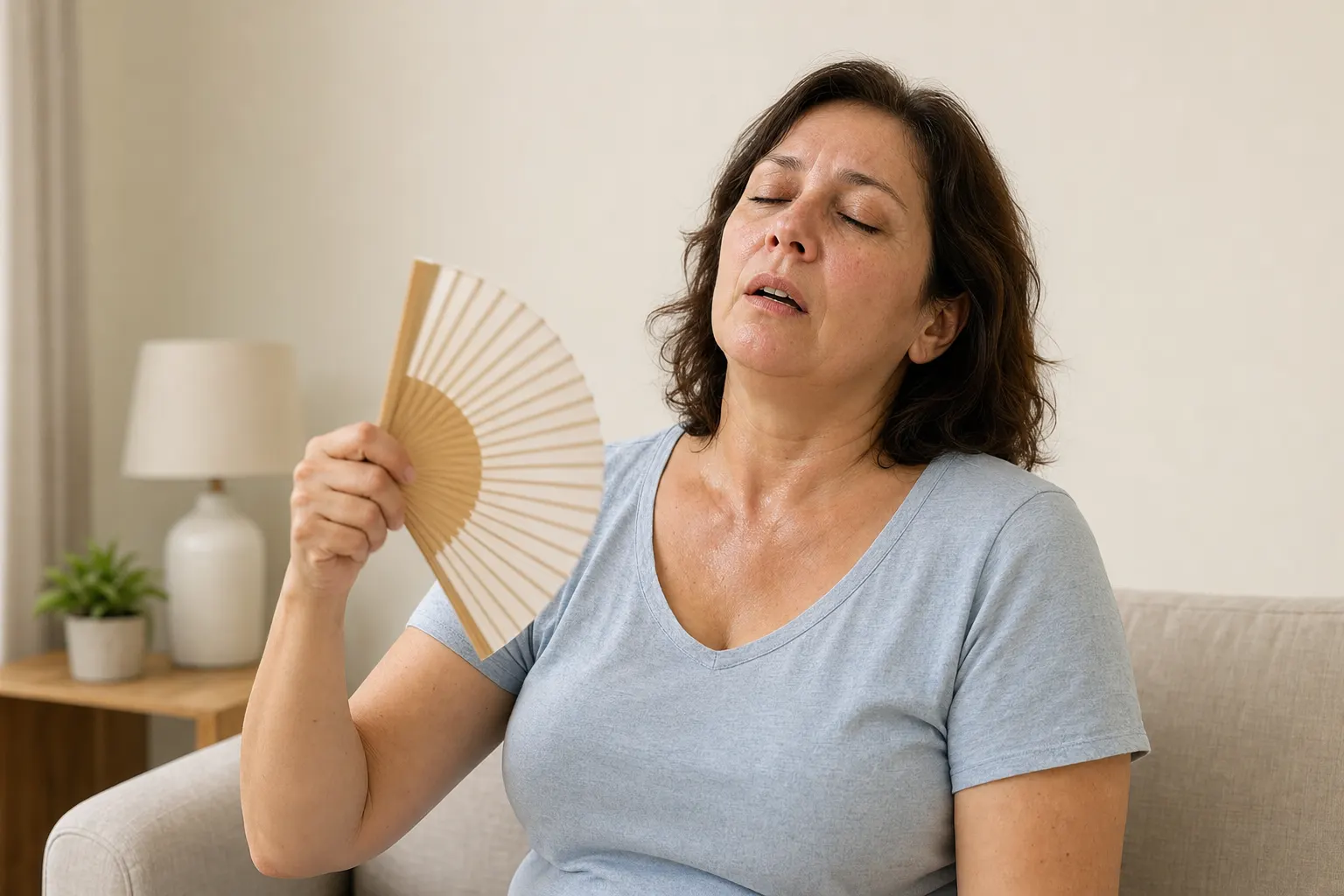
If you experience severe symptoms such as intense hot flashes, drastic mood changes, or persistent sleep problems, it is essential to seek professional help.
Exercise and menopause: What is the best option?
Activities like walking, swimming, or yoga are excellent for maintaining physical and mental health during this stage, helping to reduce stress and improve mood.
Nutrition: What to avoid during menopause?
Reducing the consumption of caffeine, alcohol, and processed foods can help better manage symptoms and contribute to overall well-being.
Stress management: effective strategies.
Meditation, deep breathing, and exercise are useful tools to manage the stress that may accompany menopause, promoting emotional balance.
The importance of community and support.
Having a support group or friends who understand the menopause experience can be very beneficial, providing a safe space to share and learn.
When to seek medical care
If symptoms persist, test results are abnormal, or you have questions about medication, arrange an individual assessment. Do not change treatment or doses without medical guidance.
Frequently asked questions
What are the most common symptoms of menopause?
Symptoms can include hot flashes, night sweats, mood changes, insomnia, and vaginal dryness, varying in intensity and duration.
Is weight gain normal during menopause?
Yes, many women experience changes in weight due to hormonal alterations, but adopting healthy habits can help manage it effectively.
What type of exercise is recommended?
Low-impact exercises such as walking, swimming, or yoga are recommended, along with strength training to maintain muscle mass.
More articles about Menopausia

5 min de lectura
Publicado: 29 de septiembre de 2026 · Actualizado: 29 de septiembre de 2026
Essential Checkups for Early Detection of Complications in Menopause
Learn about the importance of health checkups during menopause to detect complications early.
5 min de lectura
Publicado: 27 de septiembre de 2026 · Actualizado: 27 de septiembre de 2026
Menopause: Debunking Common Misinterpretations of Symptoms
Explore common misinterpretations of menopause symptoms and how to appropriately address them.

5 min de lectura
Publicado: 26 de septiembre de 2026 · Actualizado: 26 de septiembre de 2026
Menopause: Keys to Understanding Test Results
A guide to understanding test results related to menopause, clarifying myths and advising when to consult a specialist.

5 min de lectura
Publicado: 17 de septiembre de 2026 · Actualizado: 17 de septiembre de 2026
Menopause: Key Tips to Prepare for Your Medical Check-ups in Bogotá
Learn how to prepare for your medical check-ups during menopause in Bogotá, debunking myths and offering practical steps for effective monitoring.

6 min de lectura
Publicado: 21 de agosto de 2026 · Actualizado: 21 de agosto de 2026
Menopause: Treatment Options and What to Expect Along the Way
Explore the treatment alternatives for menopause and what you can expect during this process.

5 min de lectura
Publicado: 19 de septiembre de 2026 · Actualizado: 19 de septiembre de 2026
Menopause Complications: Which Are Most Urgent and How to Address Them in Colombia?
Explore the critical complications of menopause and how to properly address them in the Colombian context.