Educational article
Menopause: Keys to Establishing a Balanced Routine of Nutrition, Exercise, and Sleep

Dr. Teresita Cortés Segura, medical reviewer
Author and medical review: Dra. Teresita del Niño Jesús Cortés Segura, endocrinologist.
Location: Bogotá, Colombia.
Published: August 19, 2026 · Updated: September 11, 2026 · 5 min read.
Educational content. It does not replace an individual medical assessment and should not be used for self-medication.
Related videos
What Is Menopause?
Menopause is a natural stage in a woman's life that marks the end of her menstrual cycle and reproductive capacity. It generally occurs between the ages of 45 and 55 and is characterized by significant hormonal changes, especially in estrogen levels.
Common Menopause Symptoms
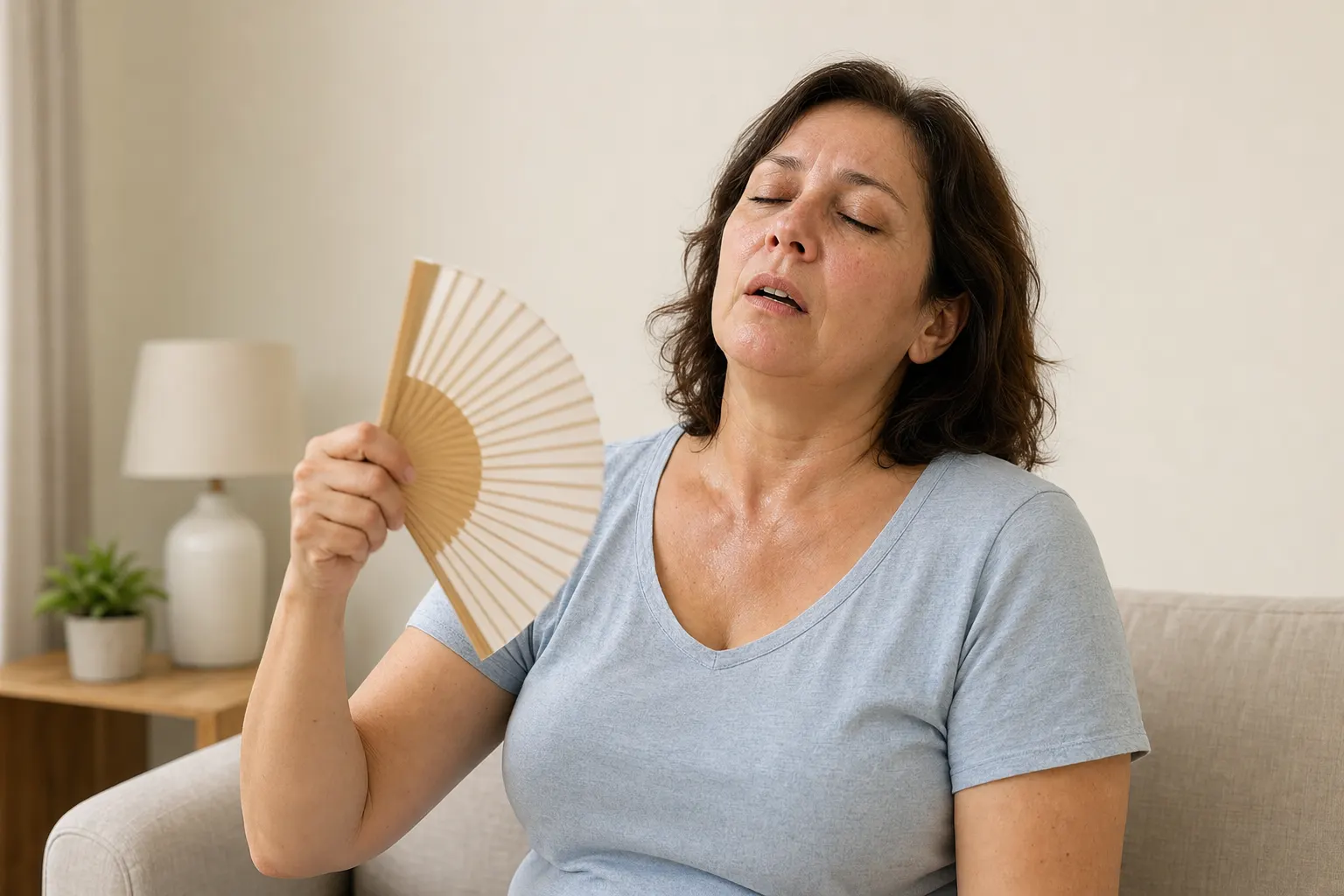
Common symptoms include hot flashes, night sweats, mood changes, insomnia, and vaginal dryness. These symptoms can vary in intensity and duration.

Importance of a Balanced Routine
Establishing a balanced routine that includes proper nutrition, regular exercise, and restorative sleep is essential for managing menopause symptoms and improving quality of life.
Healthy Nutrition
Incorporating a diet rich in fruits, vegetables, whole grains, and lean proteins can help maintain a healthy weight and reduce menopause symptoms. It is also important to limit caffeine and alcohol consumption.
Regular Exercise
Regular physical activity, such as walking, swimming, or practicing yoga, not only helps maintain a healthy weight but also improves mood and sleep quality. At least 150 minutes of moderate activity per week is recommended.
The Importance of Sleep
Good rest is crucial during menopause. Establishing a regular sleep routine, creating a sleep-friendly environment, and practicing relaxation techniques can help combat insomnia.
Common Mistakes to Avoid
One of the most common mistakes is ignoring symptoms and not seeking support. It is also important to avoid the temptation of quick fixes or unproven treatments.
When to Consult a Specialist?
If menopause symptoms significantly affect your quality of life, it is advisable to seek professional help. An endocrinologist can offer treatment options and personalized advice.
When to seek medical care
If symptoms persist, test results are abnormal, or you have questions about medication, arrange an individual assessment. Do not change treatment or doses without medical guidance.
Frequently asked questions
How long does menopause last?
Menopause can last several years, from the onset of perimenopause to full menopause, and symptoms can vary in duration and intensity.
Is it normal to experience mood swings during menopause?
Yes, hormonal changes can affect mood and cause anxiety or depression in some women.
What types of exercise are recommended during menopause?
Low-impact exercises such as walking, swimming, yoga, and Pilates are excellent options to stay active and improve well-being.
More articles about Menopausia

5 min de lectura
Publicado: 29 de septiembre de 2026 · Actualizado: 29 de septiembre de 2026
Essential Checkups for Early Detection of Complications in Menopause
Learn about the importance of health checkups during menopause to detect complications early.
5 min de lectura
Publicado: 27 de septiembre de 2026 · Actualizado: 27 de septiembre de 2026
Menopause: Debunking Common Misinterpretations of Symptoms
Explore common misinterpretations of menopause symptoms and how to appropriately address them.

5 min de lectura
Publicado: 26 de septiembre de 2026 · Actualizado: 26 de septiembre de 2026
Menopause: Keys to Understanding Test Results
A guide to understanding test results related to menopause, clarifying myths and advising when to consult a specialist.

5 min de lectura
Publicado: 17 de septiembre de 2026 · Actualizado: 17 de septiembre de 2026
Menopause: Key Tips to Prepare for Your Medical Check-ups in Bogotá
Learn how to prepare for your medical check-ups during menopause in Bogotá, debunking myths and offering practical steps for effective monitoring.

6 min de lectura
Publicado: 21 de agosto de 2026 · Actualizado: 21 de agosto de 2026
Menopause: Treatment Options and What to Expect Along the Way
Explore the treatment alternatives for menopause and what you can expect during this process.

5 min de lectura
Publicado: 19 de septiembre de 2026 · Actualizado: 19 de septiembre de 2026
Menopause Complications: Which Are Most Urgent and How to Address Them in Colombia?
Explore the critical complications of menopause and how to properly address them in the Colombian context.