Educational article
Menopause: Warning Signs and When to Consult a Doctor

Dr. Teresita Cortés Segura, medical reviewer
Author and medical review: Dra. Teresita del Niño Jesús Cortés Segura, endocrinologist.
Location: Bogotá, Colombia.
Published: May 14, 2026 · Updated: May 14, 2026 · 5 min read.
Educational content. It does not replace an individual medical assessment and should not be used for self-medication.
What is menopause?
Menopause is a natural stage in a woman's life, generally occurring between the ages of 45 and 55, characterized by the end of menstrual cycles. This process results from the decreased production of hormones such as estrogen and progesterone.
Common symptoms of menopause
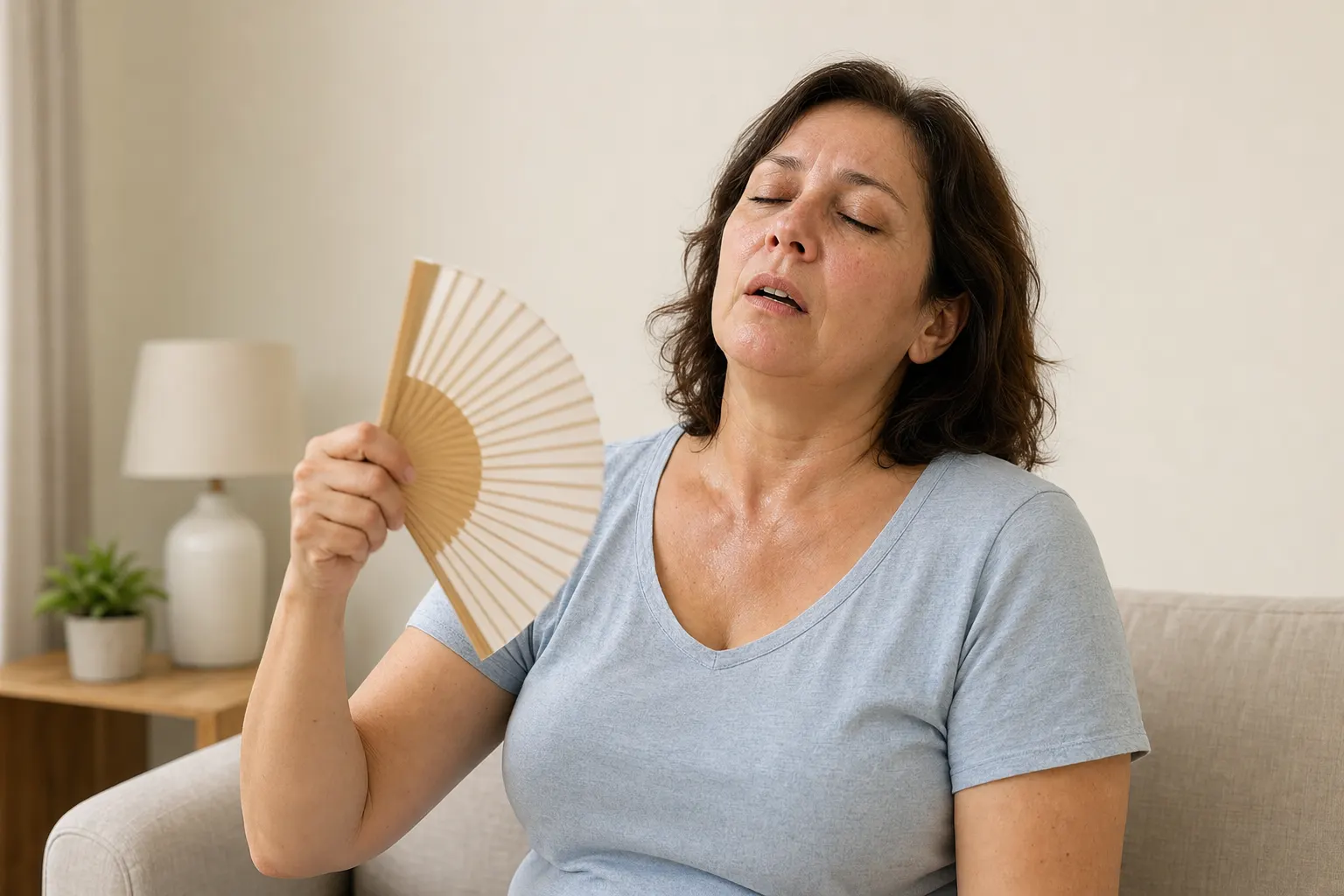
Symptoms can vary among women, but some of the most common include: - Hot flashes - Night sweats - Mood changes - Insomnia - Vaginal dryness It is essential to recognize that each woman may experience these symptoms differently, and their intensity can vary.

Myths about menopause
There are several myths that can cause confusion: - "Menopause is the end of sexuality": False, many women maintain an active and satisfying sex life. - "Menopause causes weight gain": It is not menopause itself, but hormonal changes and lifestyle that can influence weight. For example, lack of physical activity can contribute to weight gain.
Warning signs you should not ignore
Some symptoms may indicate more serious conditions. Consult a doctor if you experience: - Unusual vaginal bleeding, such as bleeding between periods or after menopause - Intense or persistent pain that does not subside - Drastic mood changes that affect your daily life - Symptoms that interfere with your usual routine.
When should you consult a specialist?
It is advisable to consult an endocrinologist or gynecologist if: - Symptoms are severe or do not improve over time. - You have a family history of hormonal problems. - You experience symptoms that worry you or are new to you.
How to prepare for your medical consultation
Before your appointment, consider: - Writing down your symptoms, their frequency, and any recent changes. - Asking about available treatments and their possible effects. - Informing about any medications you are taking, including supplements.
When to seek medical care
If symptoms persist, test results are abnormal, or you have questions about medication, arrange an individual assessment. Do not change treatment or doses without medical guidance.
Frequently asked questions
Does menopause happen suddenly?
No, menopause is a gradual process that includes a stage called perimenopause, during which symptoms may begin to appear gradually.
Are menopause symptoms the same for all women?
No, each woman may experience different symptoms and at varying intensities, making the menopause experience unique for each person.
Is treatment necessary during menopause?
Not all women require treatment, but if symptoms are severe or affect your quality of life, it is important to consult a specialist to evaluate available options.
More articles about Menopausia

5 min de lectura
Publicado: 29 de septiembre de 2026 · Actualizado: 29 de septiembre de 2026
Essential Checkups for Early Detection of Complications in Menopause
Learn about the importance of health checkups during menopause to detect complications early.
5 min de lectura
Publicado: 27 de septiembre de 2026 · Actualizado: 27 de septiembre de 2026
Menopause: Debunking Common Misinterpretations of Symptoms
Explore common misinterpretations of menopause symptoms and how to appropriately address them.

5 min de lectura
Publicado: 26 de septiembre de 2026 · Actualizado: 26 de septiembre de 2026
Menopause: Keys to Understanding Test Results
A guide to understanding test results related to menopause, clarifying myths and advising when to consult a specialist.

5 min de lectura
Publicado: 17 de septiembre de 2026 · Actualizado: 17 de septiembre de 2026
Menopause: Key Tips to Prepare for Your Medical Check-ups in Bogotá
Learn how to prepare for your medical check-ups during menopause in Bogotá, debunking myths and offering practical steps for effective monitoring.

6 min de lectura
Publicado: 21 de agosto de 2026 · Actualizado: 21 de agosto de 2026
Menopause: Treatment Options and What to Expect Along the Way
Explore the treatment alternatives for menopause and what you can expect during this process.

5 min de lectura
Publicado: 19 de septiembre de 2026 · Actualizado: 19 de septiembre de 2026
Menopause Complications: Which Are Most Urgent and How to Address Them in Colombia?
Explore the critical complications of menopause and how to properly address them in the Colombian context.