Educational article
Menopause: Identifying Critical Symptoms for Timely Medical Consultation

Dr. Teresita Cortés Segura, medical reviewer
Author and medical review: Dra. Teresita del Niño Jesús Cortés Segura, endocrinologist.
Location: Bogotá, Colombia.
Published: September 15, 2026 · Updated: September 15, 2026 · 5 min read.
Educational content. It does not replace an individual medical assessment and should not be used for self-medication.
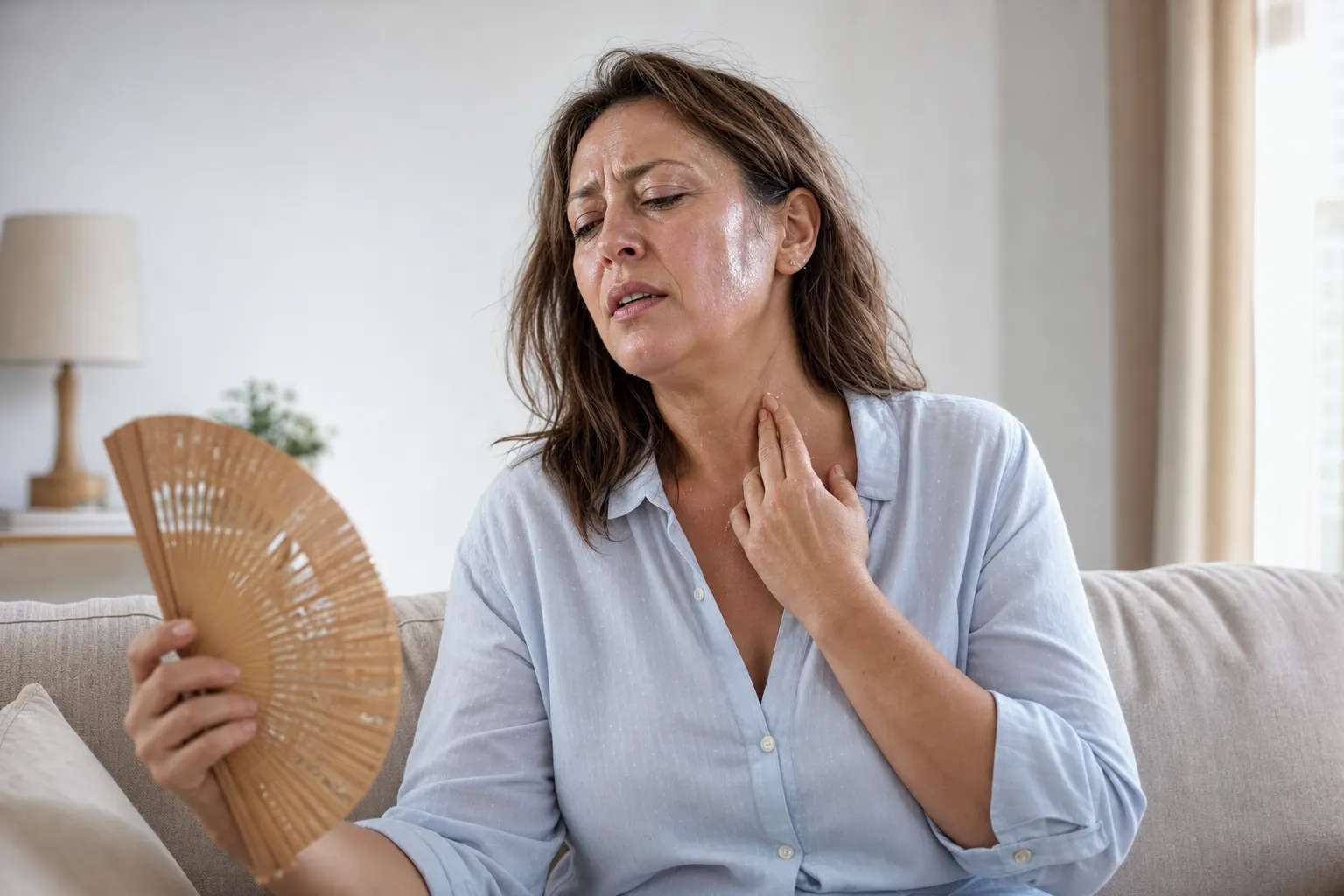
What is Menopause?
Menopause is a natural stage in a woman's life, generally occurring between the ages of 45 and 55. It is characterized by the cessation of menstruation and significant hormonal changes, where the ovaries stop producing eggs and the production of hormones such as estrogen decreases.
Common Symptoms of Menopause
Menopause symptoms can vary among women, but some of the most common include: 1. Hot flashes 2. Night sweats 3. Changes in menstrual cycle 4. Sleep disturbances 5. Mood swings 6. Vaginal dryness.
Critical Signs to Watch For
Pay attention to symptoms that may impact your quality of life. If you experience: - Frequent hot flashes that interrupt your daily activities. - Persistent insomnia affecting your energy and concentration. - Emotional changes that are difficult to manage. It is crucial to consult a doctor.
Diagnosis and Follow-up
The diagnosis of menopause is based on symptoms and medical history. An endocrinologist may perform hormonal tests if necessary. Follow-up is essential to manage symptoms and assess bone and cardiovascular health.
Common Misconceptions about Menopause
Common misconceptions include: - Believing that all symptoms are inevitable. - Ignoring emotional changes. - Not seeking medical help when symptoms affect your daily life.
When to Consult a Doctor?
Consult a doctor if: - Symptoms are severe or persistent. - You have concerns about your bone or cardiovascular health. - You experience unusual symptoms that are not explained by menopause.
When to seek medical care
If symptoms persist, test results are abnormal, or you have questions about medication, arrange an individual assessment. Do not change treatment or doses without medical guidance.
Frequently asked questions
Is menopause a disease?
No, menopause is a natural stage in a woman's life, not a disease.
Are all menopause symptoms the same for every woman?
No, symptoms can vary significantly among women, both in type and intensity.
Is it possible to receive treatment for menopause symptoms?
Yes, there are treatments available that can help manage symptoms, but they should always be discussed with a doctor.
More articles about Menopausia

5 min de lectura
Publicado: 29 de septiembre de 2026 · Actualizado: 29 de septiembre de 2026
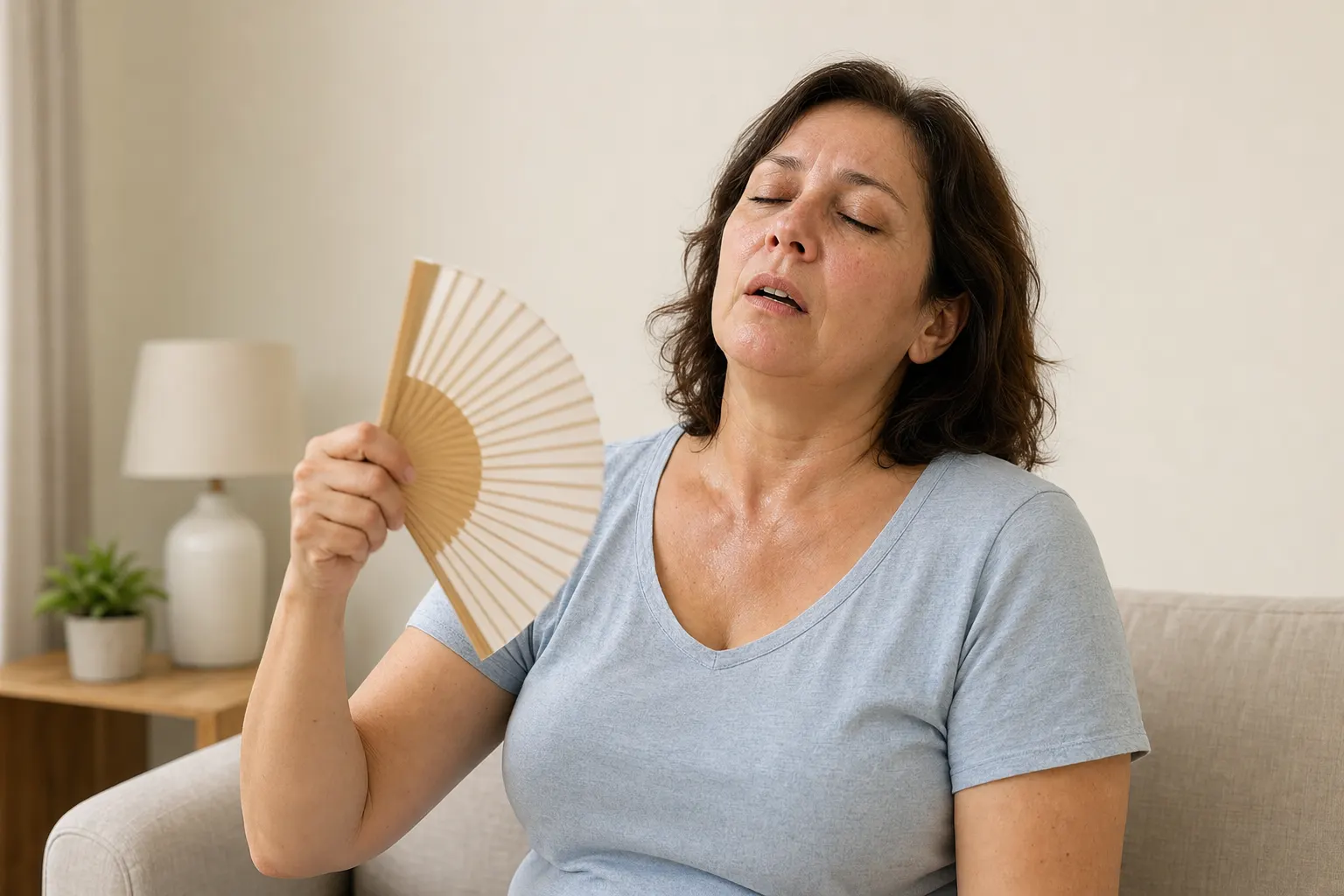
Essential Checkups for Early Detection of Complications in Menopause
Learn about the importance of health checkups during menopause to detect complications early.
5 min de lectura
Publicado: 27 de septiembre de 2026 · Actualizado: 27 de septiembre de 2026
Menopause: Debunking Common Misinterpretations of Symptoms
Explore common misinterpretations of menopause symptoms and how to appropriately address them.

5 min de lectura
Publicado: 26 de septiembre de 2026 · Actualizado: 26 de septiembre de 2026
Menopause: Keys to Understanding Test Results
A guide to understanding test results related to menopause, clarifying myths and advising when to consult a specialist.

5 min de lectura
Publicado: 17 de septiembre de 2026 · Actualizado: 17 de septiembre de 2026
Menopause: Key Tips to Prepare for Your Medical Check-ups in Bogotá
Learn how to prepare for your medical check-ups during menopause in Bogotá, debunking myths and offering practical steps for effective monitoring.

6 min de lectura
Publicado: 21 de agosto de 2026 · Actualizado: 21 de agosto de 2026
Menopause: Treatment Options and What to Expect Along the Way
Explore the treatment alternatives for menopause and what you can expect during this process.

5 min de lectura
Publicado: 19 de septiembre de 2026 · Actualizado: 19 de septiembre de 2026
Menopause Complications: Which Are Most Urgent and How to Address Them in Colombia?
Explore the critical complications of menopause and how to properly address them in the Colombian context.