Educational article
Menopause: Common Management Mistakes and How to Overcome Them

Dr. Teresita Cortés Segura, medical reviewer
Author and medical review: Dra. Teresita del Niño Jesús Cortés Segura, endocrinologist.
Location: Bogotá, Colombia.
Published: July 10, 2026 · Updated: July 10, 2026 · 5 min read.
Educational content. It does not replace an individual medical assessment and should not be used for self-medication.
1. Ignoring Symptoms
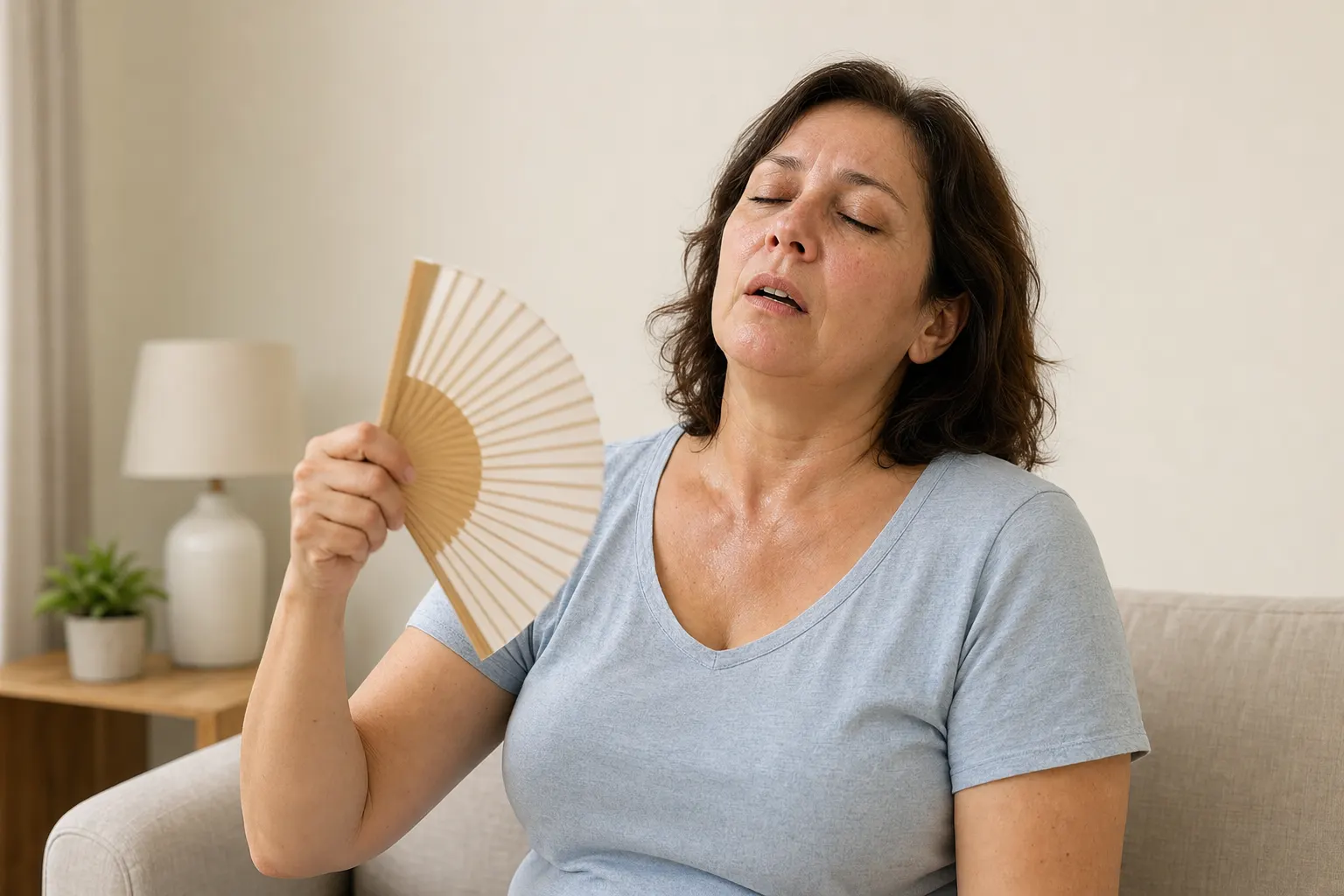
One of the most common mistakes is not paying attention to menopause symptoms such as hot flashes, night sweats, and mood changes, which are important signs that medical attention is needed.
2. Self-Medication
Self-medicating is a significant risk. Many women choose remedies without consulting an endocrinologist, which can lead to unexpected adverse effects.
3. Not Seeking Professional Help
It is crucial not to face menopause alone. Consulting with an endocrinologist, such as Dr. Teresita Cortes in Bogotá, can provide more effective and personalized management.
4. Dismissing Lifestyle Changes
Not adjusting diet and exercise can worsen symptoms. Incorporating healthy habits, such as a balanced diet and regular physical activity, is key for proper management.

5. Lack of Education About Treatment Options
It is common to be uninformed about the various treatment options. Knowing them helps make more informed and appropriate decisions for each case.
6. Not Having Regular Follow-Up
Regular medical follow-up is crucial. Failing to do so can result in inadequate symptom management and long-term complications.
7. Avoiding Open Discussion About Menopause
Lack of communication about menopause can lead to misunderstandings and not seeking necessary support. Talking with other women and professionals can be very beneficial.
8. Not Considering Alternative Therapies
Some women do not consider alternative therapies such as acupuncture or cognitive-behavioral therapy, which can complement medical treatment and improve well-being.
9. Not Monitoring Mental Health
Hormonal changes can affect mental health. Ignoring these aspects can negatively impact quality of life, so it is important to be attentive to these changes.
10. Not Personalizing Treatment
Every woman experiences menopause differently. It is vital to personalize treatment according to individual needs and specialist recommendations.
When to seek medical care
If symptoms persist, test results are abnormal, or you have questions about medication, arrange an individual assessment. Do not change treatment or doses without medical guidance.
Frequently asked questions
What are the most common symptoms of menopause?
The most common symptoms include hot flashes, night sweats, mood changes, insomnia, and vaginal dryness.
Is it safe to use hormone treatments?
Hormone treatments can be safe for some women, but it is essential to discuss the risks and benefits with an endocrinology specialist.
What lifestyle changes can help during menopause?
A balanced diet, regular exercise, and stress management techniques are fundamental for better symptom management.
More articles about Menopausia

5 min de lectura
Publicado: 29 de septiembre de 2026 · Actualizado: 29 de septiembre de 2026
Essential Checkups for Early Detection of Complications in Menopause
Learn about the importance of health checkups during menopause to detect complications early.
5 min de lectura
Publicado: 27 de septiembre de 2026 · Actualizado: 27 de septiembre de 2026
Menopause: Debunking Common Misinterpretations of Symptoms
Explore common misinterpretations of menopause symptoms and how to appropriately address them.

5 min de lectura
Publicado: 26 de septiembre de 2026 · Actualizado: 26 de septiembre de 2026
Menopause: Keys to Understanding Test Results
A guide to understanding test results related to menopause, clarifying myths and advising when to consult a specialist.

5 min de lectura
Publicado: 17 de septiembre de 2026 · Actualizado: 17 de septiembre de 2026
Menopause: Key Tips to Prepare for Your Medical Check-ups in Bogotá
Learn how to prepare for your medical check-ups during menopause in Bogotá, debunking myths and offering practical steps for effective monitoring.

6 min de lectura
Publicado: 21 de agosto de 2026 · Actualizado: 21 de agosto de 2026
Menopause: Treatment Options and What to Expect Along the Way
Explore the treatment alternatives for menopause and what you can expect during this process.

5 min de lectura
Publicado: 19 de septiembre de 2026 · Actualizado: 19 de septiembre de 2026
Menopause Complications: Which Are Most Urgent and How to Address Them in Colombia?
Explore the critical complications of menopause and how to properly address them in the Colombian context.