Educational article
Hot Flashes, Sleep Problems, or Vaginal Dryness: How to Choose Where to Start Treatment

Educational content. It does not replace an individual medical assessment and should not be used for self-medication.

Start with what interferes most
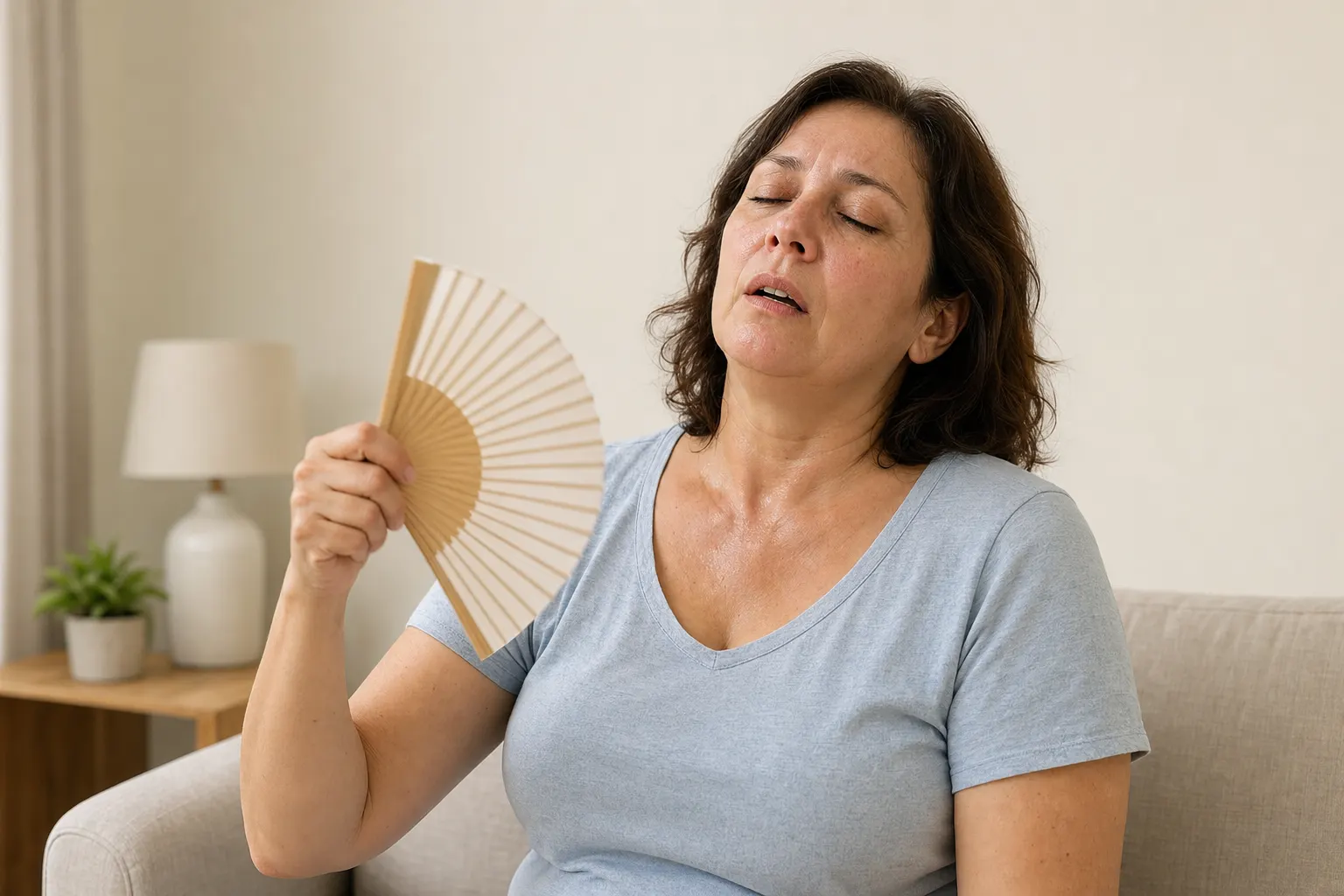
A general treatment for menopause is not always necessary. It may be more practical to identify which problem most affects your daily life and discuss options aimed at that symptom. For some people, hot flashes are the main concern; for others, it is interrupted sleep or vaginal dryness and other genitourinary discomforts. These symptoms can also occur together.
If hot flashes are affecting you most
Write down when they occur, how often, and how much they interfere with work, rest, or your usual activities. During your clinical conversation, you can ask about nonhormonal alternatives and systemic hormone therapy, if appropriate after reviewing your medical history. Clarify what changes to expect, how the response will be assessed, and which unwanted effects you should report. The choice depends on your symptoms, medical history, preferences, and clinical evaluation.
If sleep is the main problem
Describe whether awakenings coincide with hot flashes or night sweats and how you feel during the day. Mood changes, pain, schedules, or other health problems may also play a role. Depending on the situation, a healthcare professional may assess whether it makes sense to address hot flashes, explore other causes, or consider an option directed at sleep. Treating menopause does not always resolve sleep difficulties.
If dryness or genitourinary discomfort is the main concern
Describe the discomfort you notice and the situations in which it affects your comfort or daily life. You can ask about nonhormonal measures and local treatments, depending on your needs and medical history. Local options target the genitourinary area and are not equivalent to systemic hormone therapy, which acts throughout the body. Whether any option is appropriate requires an individualized evaluation.
Compare options with your priorities in mind
Rank the symptoms you want to address first and consider what change would be meaningful to you. Share your health history, current treatments, and preferences; these help assess whether each alternative is appropriate. Ask about expected benefits, limitations, possible unwanted effects, and when to review the plan. Nonhormonal measures and hormone therapy have different aims; no option produces the same results for everyone, and hormone therapy is not necessary for everyone.
Prepare a brief record and agree on follow-up
For a manageable period, note the symptom, how often it occurs, when it happens, and how much it affects your activities. Include what you have tried and how it went, without starting or changing treatments on your own. During the conversation, agree on which symptom to assess first, when to review the response, and which changes or discomforts to report. If the benefit is not sufficient or the treatment is difficult to tolerate, discuss reassessing the plan; do not adjust or stop a treatment without clinical guidance.
A phrase to start the conversation
You could say: “What affects me most is ___; it happens ___ and changes ___ in my daily life.” Bring your record and ask which options might suit your symptoms and medical history. This article is educational and does not replace an evaluation by a healthcare professional.
When to seek medical care
If symptoms persist, test results are abnormal, or you have questions about medication, arrange an individual assessment. Do not change treatment or doses without medical guidance.
Frequently asked questions
Does systemic hormone therapy help with all menopausal symptoms?
Not necessarily. Whether it is appropriate depends on the symptom being treated and the individual evaluation. For genitourinary discomfort, local or nonhormonal options may be considered; these are not the same as systemic therapy.
If I sleep poorly during menopause, will treating hot flashes solve the problem?
Not always. Hot flashes can interrupt sleep, but there may be other causes as well. Describing the awakenings and their impact can help assess which factors may be contributing.
What information should I bring to my appointment?
Write down which symptom affects you most, how often it occurs, how it interferes with your daily life, and what you have tried. Also share your medical history, current treatments, and preferences.
Does this topic resonate with you?
Every case is different. Book a consultation to review your history, test results and goals with a personalized plan.
More articles about Menopause

5 min de lectura
Publicado: 4 de noviembre de 2026 · Actualizado: 4 de noviembre de 2026
What Age Did Menopause Occur in Your Family? A Useful Detail to Discuss
The approximate age when close relatives had their last menstrual period can provide context, but it does not predict when menopause will occur for an individual. Learn what information to note and how to interpret it alongside your

6 min de lectura
Publicado: 2 de noviembre de 2026 · Actualizado: 2 de noviembre de 2026
Hormone Therapy for Menopause: How to Weigh Benefits, Risks, and Alternatives
Learn which symptoms may prompt consideration of menopausal hormone therapy, how its benefits and risks are weighed, and what alternatives are available.

6 min de lectura
Publicado: 26 de octubre de 2026 · Actualizado: 26 de octubre de 2026
If You Have Surgery During Menopause: What to Coordinate With Your Care Team Before and After
A guide to preparing for planned surgery during menopause: what treatments, medications, and supplements to report, which instructions to confirm, and how to resume follow-up care. Educational information from endocrinology in

5 min de lectura
Publicado: 5 de octubre de 2026 · Actualizado: 5 de octubre de 2026
Common Mistakes When Preparing for Menopause Diagnostic Exams and How to Avoid Them
Discover the most common mistakes women make when preparing for menopause diagnostic exams and how to avoid them to ensure accurate and reliable results.

5 min de lectura
Publicado: 29 de septiembre de 2026 · Actualizado: 29 de septiembre de 2026
Essential Checkups for Early Detection of Complications in Menopause
Learn about the importance of health checkups during menopause to detect complications early.
5 min de lectura
Publicado: 27 de septiembre de 2026 · Actualizado: 27 de septiembre de 2026
Menopause: Debunking Common Misinterpretations of Symptoms
Explore common misinterpretations of menopause symptoms and how to appropriately address them.