Educational article
Obesity: How Genetics, Appetite, and Metabolism Interact

Educational content. It does not replace an individual medical assessment and should not be used for self-medication.

Obesity Does Not Have Just One Cause
Obesity can arise from the interaction between biological factors and the circumstances in which each person lives. It is not always possible to identify a single cause. Changes in weight also do not, by themselves, mean that someone has stopped trying or lacks willpower.
What Does It Mean to Have a Genetic Predisposition?
A genetic predisposition is a tendency that may influence the likelihood of something occurring; it is not a certainty. Some inherited variations may play a role in regulating appetite, satiety, and energy expenditure. Their effects combine with other aspects of a person’s biology and circumstances.
Genes Do Not Predict Future Weight
Genes alone cannot calculate how much a person will weigh or explain every change in body size. Even members of the same family may have different weight trajectories. Body fat distribution, by itself, also cannot identify a genetic cause or establish a diagnosis.
Why Do Appetite and Satiety Vary?
The signals that regulate hunger and satiety are not the same for everyone. Some people may feel hunger more intensely or experience satiety differently; biology may contribute to these differences. These signals do not measure discipline and do not, by themselves, explain a person’s entire body weight.
Family History: Genes and Shared Circumstances
When several people in a family live with obesity, this may be related to inherited susceptibilities and shared experiences or conditions. A family pattern does not automatically make it possible to distinguish between these influences, nor does it mean that every family member will have the same outcome.
Healthy Habits Do Not Necessarily Eliminate Predisposition
Self-care measures may be part of an approach to care, but they do not necessarily eliminate biological susceptibility or guarantee a specific outcome. Care is tailored to each person’s history and needs, without attributing weight to an individual failing or promising the same solution for everyone.
How Is Obesity Evaluated?
A clinical evaluation may consider a person’s weight trajectory, the context of weight changes, family history, and overall health. Genetic testing is not routine for everyone with obesity; a health care professional determines whether further investigation is needed based on each person’s history and findings.
When a Medical Evaluation May Be Helpful
It may be helpful to consult a health care professional if you are concerned about a persistent change in weight or want to better understand its relationship to appetite, satiety, and health. The onset of obesity in childhood or very early in life, especially together with an unusual family pattern, may also guide the evaluation. These details do not, by themselves, confirm a genetic cause. In Bogota, a health care professional can review the circumstances and guide next steps; whether an endocrinology consultation is needed depends on each case.
When to seek medical care
If symptoms persist, test results are abnormal, or you have questions about medication, arrange an individual assessment. Do not change treatment or doses without medical guidance.
Frequently asked questions
If several people in my family have obesity, will I also develop it?
Not necessarily. Family history may indicate a predisposition, but it does not, by itself, predict each person’s weight. Shared circumstances and other factors may also play a role.
Do I need a genetic test to understand my weight?
Genetic testing is not usually routine for everyone with obesity. Whether to order tests depends on the clinical evaluation, including when the pattern began and how it has changed over time.
Does biological predisposition mean there is nothing I can do?
No. It means biology may play a role, not that the outcome is predetermined. Care can take this into account without blaming the person or promising that an intervention will completely eliminate the predisposition.
Does this topic resonate with you?
Every case is different. Book a consultation to review your history, test results and goals with a personalized plan.
More articles about Weight management

5 min de lectura
Publicado: 10 de noviembre de 2026 · Actualizado: 10 de noviembre de 2026
What Clues in Your Daily Life May Be Related to Weight Gain?
Sleep, routines, health, and some treatments can provide context when weight changes. Learn what to observe and how to discuss it without self-diagnosing.
5 min de lectura
Publicado: 6 de noviembre de 2026 · Actualizado: 6 de noviembre de 2026
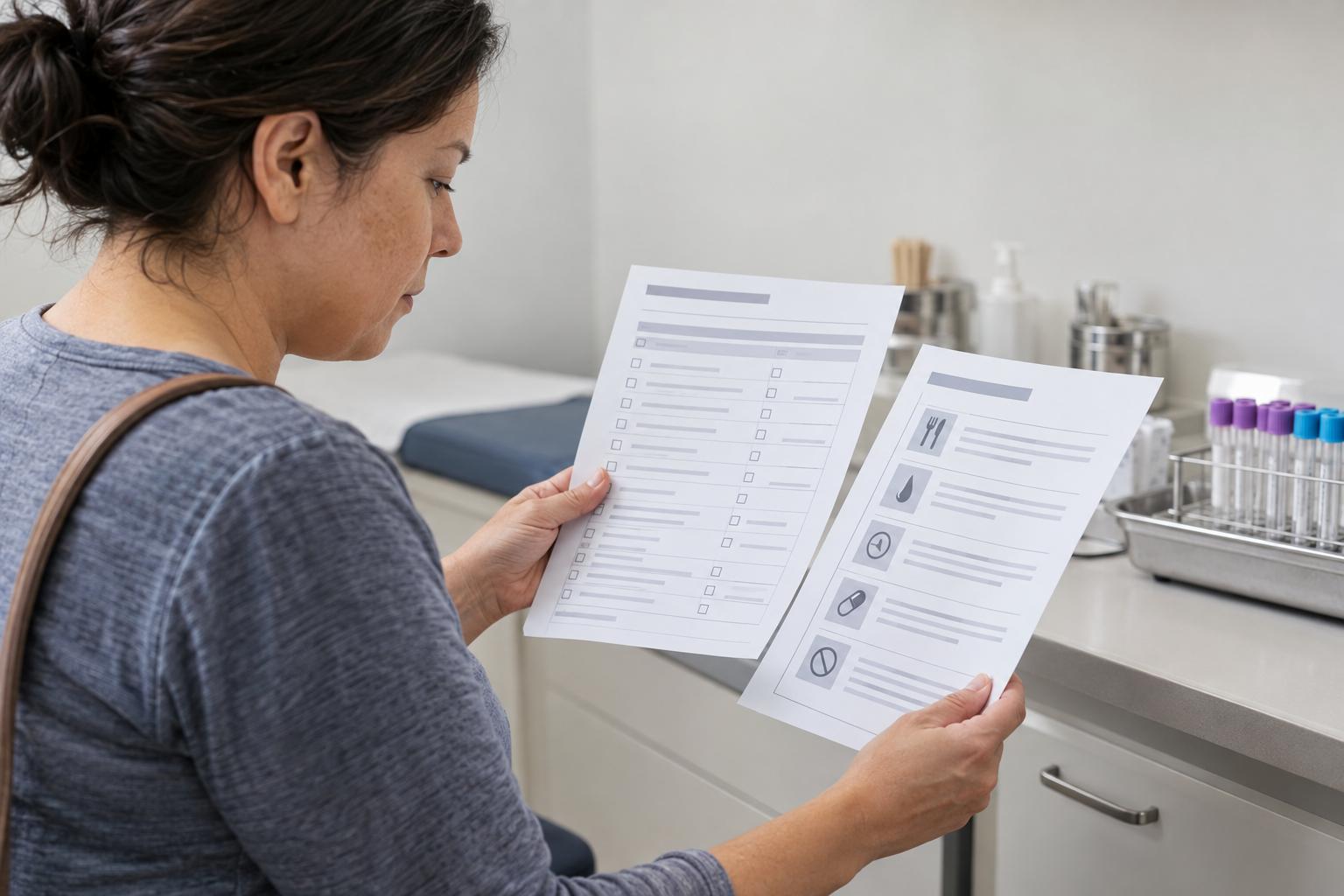
Several Tests in One Visit: How to Plan Your Preparation Without Changing Your Routine on Your Own
If you have several laboratory tests for a metabolic evaluation, confirm the preparation required for each one and ask the laboratory which tests can be done during the same visit.
5 min de lectura
Publicado: 25 de octubre de 2026 · Actualizado: 25 de octubre de 2026
Skin Fold Irritation: When Redness Needs Evaluation
Moisture and friction can irritate skin folds, but redness does not confirm the cause. Learn which changes warrant evaluation, when to seek prompt care, and how to care for the area without making it worse.

5 min de lectura
Publicado: 12 de octubre de 2026 · Actualizado: 12 de octubre de 2026
Obesity and Scheduled Surgery: Coordinating Treatment and Follow-Up Around Your Operation
A guide to discussing obesity treatments with your surgical team before non-bariatric surgery and agreeing on how to resume treatment and arrange follow-up during recovery.
5 min de lectura
Publicado: 5 de octubre de 2026 · Actualizado: 5 de octubre de 2026
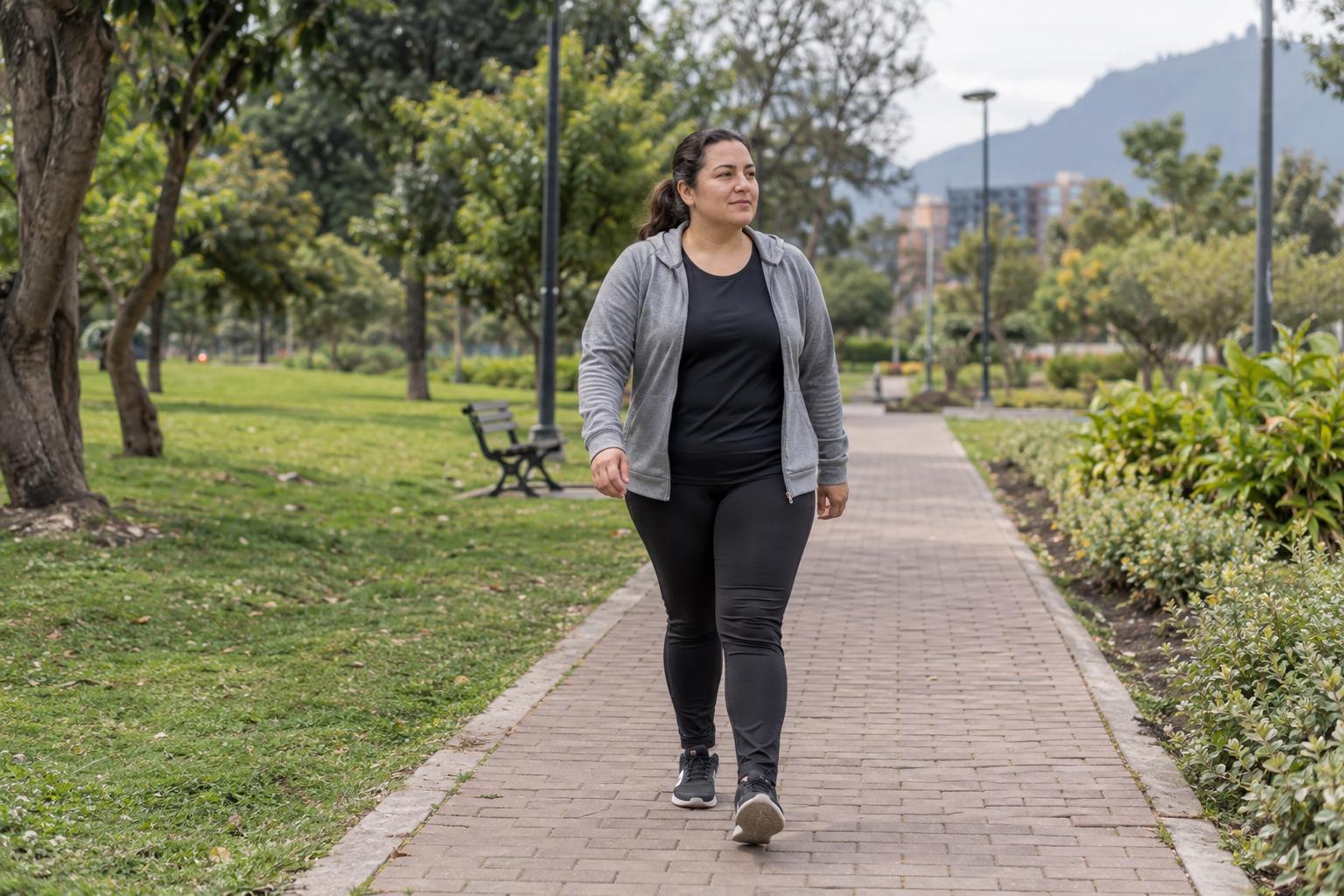
Getting Back to Physical Activity with Obesity: How to Start with Realistic Goals
Ideas for getting moving again after a period of inactivity: how to choose functional goals, adapt them to your abilities, and recognize when to stop.

5 min de lectura
Publicado: 30 de septiembre de 2026 · Actualizado: 30 de septiembre de 2026
Changes in Your Body and Obesity: What You Can Notice Without Self-Diagnosing
A change in weight or the way your clothes fit does not diagnose obesity or reveal its cause. Learn what to observe and when to seek a clinical evaluation.