Educational article
Getting Back to Physical Activity with Obesity: How to Start with Realistic Goals

Educational content. It does not replace an individual medical assessment and should not be used for self-medication.
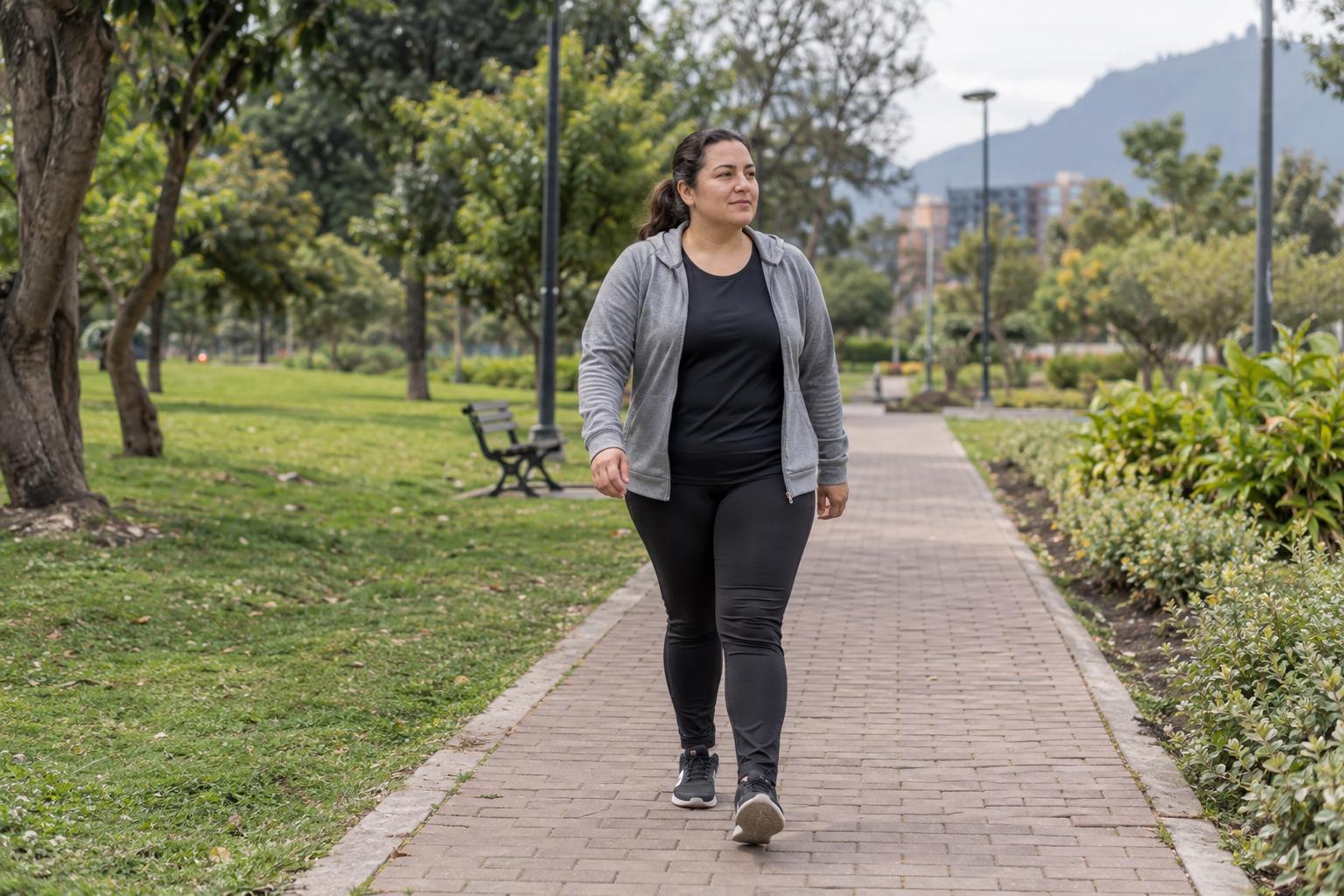
Start with a goal that works for your day
Getting moving again does not mean you have to start with an intense routine. If you have been inactive for a while, choose a specific, achievable action: walk for a few minutes, take an active break, or walk part of a route you regularly travel. Your goal should fit your routine and how you feel, not be based on comparing yourself with other people.
Everyday movement, exercise, and training
Everyday movement includes actions such as walking to run an errand or getting up from your chair during a break. Exercise is a planned activity, such as going for a walk with that purpose in mind. Training usually has a structure and may include organized exercises to develop physical abilities. You do not need to start with training: everyday movement counts, too.
Try a simple, flexible week
Identify a realistic opportunity in your week. You could take a short walk in a safe place or walk part of a route, if that is possible for you. You can also try active breaks during sedentary activities. There is no single duration or pace that is right for everyone.
Adjust your goal based on your experience
If the activity feels manageable, you can keep doing it and, when it feels tolerable, gradually increase one aspect, such as the duration or frequency. You do not need to change everything at once. If one week gets complicated, keeping a small goal or doing less may be reasonable. Adjusting your goal can help you find an activity that fits your life.
Choose an option you can repeat
Consider the location, schedule, weather, route safety, and your mobility. Walking in a park or walking part of a route may be options if they are safe and feasible for you. If walking causes discomfort or does not suit your situation, you do not have to push yourself to continue: a health professional can advise you about alternatives.
Stop if you have concerning symptoms
Stop the activity if you develop chest pain, severe shortness of breath, dizziness, or another unusual symptom. If symptoms are severe or sudden, seek urgent care. For discomfort that persists or questions about when to resume, consult a health professional. Do not continue just to meet a goal.
When to seek professional guidance
Consult a health professional if you have associated health conditions, mobility limitations, persistent pain, or questions about what activity is appropriate for you. An evaluation can take your clinical and functional situation into account. This article provides general information and does not replace a consultation or prescribe an individualized plan.
Review and adapt your plan
At the end of the week, consider what activity you were able to do and how you felt during and afterward. Decide whether to keep your goal, make it smaller, or gradually increase one part if it feels tolerable. Discuss persistent discomfort or questions about exertion with your health care team. Physical activity can support health, but it does not guarantee weight loss and is not a requirement for receiving treatment.
When to seek medical care
If symptoms persist, test results are abnormal, or you have questions about medication, arrange an individual assessment. Do not change treatment or doses without medical guidance.
Frequently asked questions
Do I have to start exercising if I have not been active for a long time?
Not necessarily. You can start with tolerable everyday movement, such as a short walk or active breaks, and decide later whether you want to add planned exercise. If you have health conditions, limitations, or questions about exertion, consult a health professional.
What should I do if walking causes pain or too much fatigue?
Do not push yourself: stop or reduce the effort. Seek guidance if the pain persists, limits your mobility, or you are unsure what level of activity is appropriate. If you have chest pain, severe shortness of breath, dizziness, or other severe or sudden symptoms, stop the activity and seek urgent care.
Is physical activity required to receive treatment for obesity?
No. Physical activity is not a condition for deserving care or treatment. It may be part of health care based on each person's preferences, abilities, and clinical situation.
Does this topic resonate with you?
Every case is different. Book a consultation to review your history, test results and goals with a personalized plan.
More articles about Weight management
5 min de lectura
Publicado: 10 de noviembre de 2026 · Actualizado: 10 de noviembre de 2026
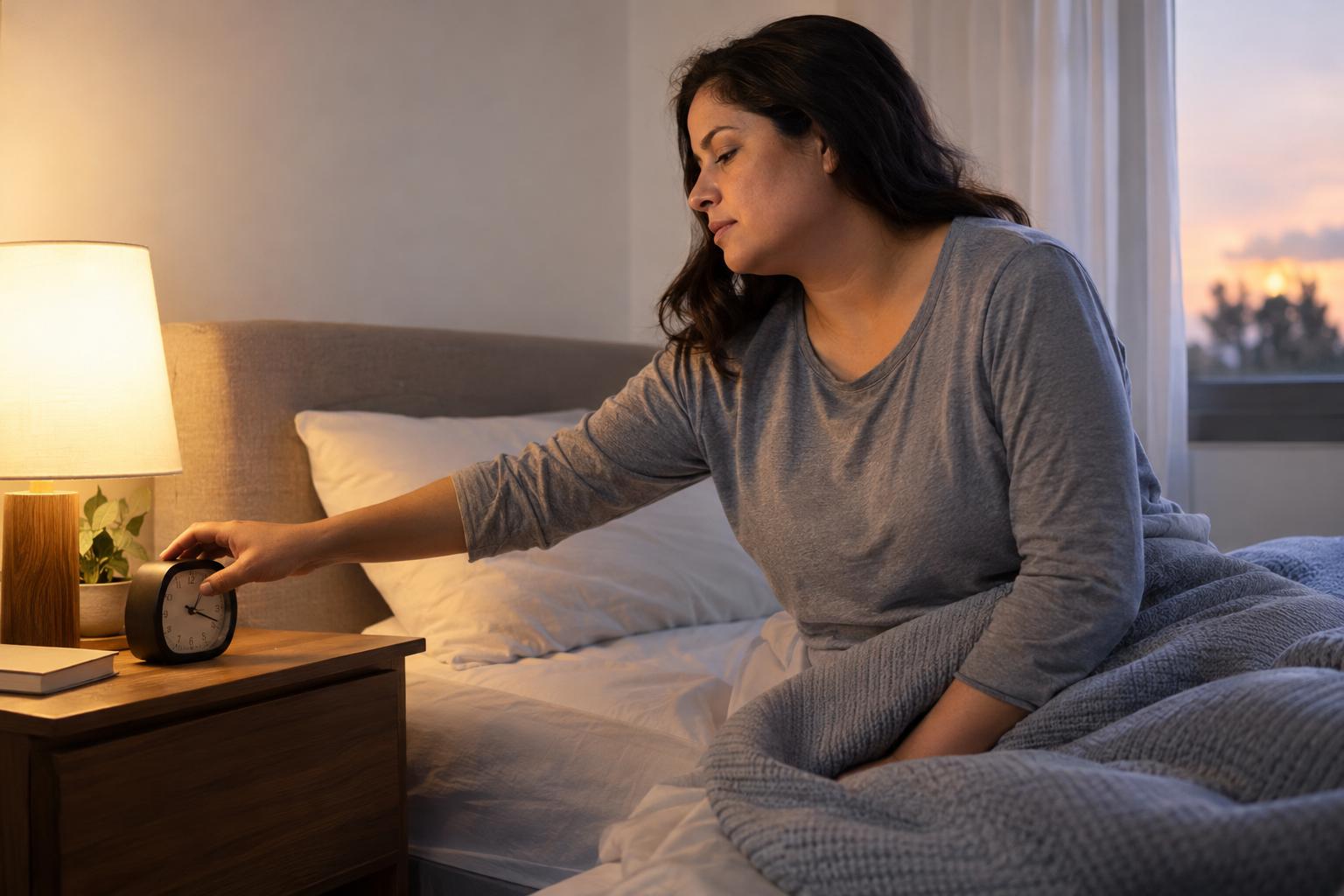
What Clues in Your Daily Life May Be Related to Weight Gain?
Sleep, routines, health, and some treatments can provide context when weight changes. Learn what to observe and how to discuss it without self-diagnosing.
5 min de lectura
Publicado: 6 de noviembre de 2026 · Actualizado: 6 de noviembre de 2026
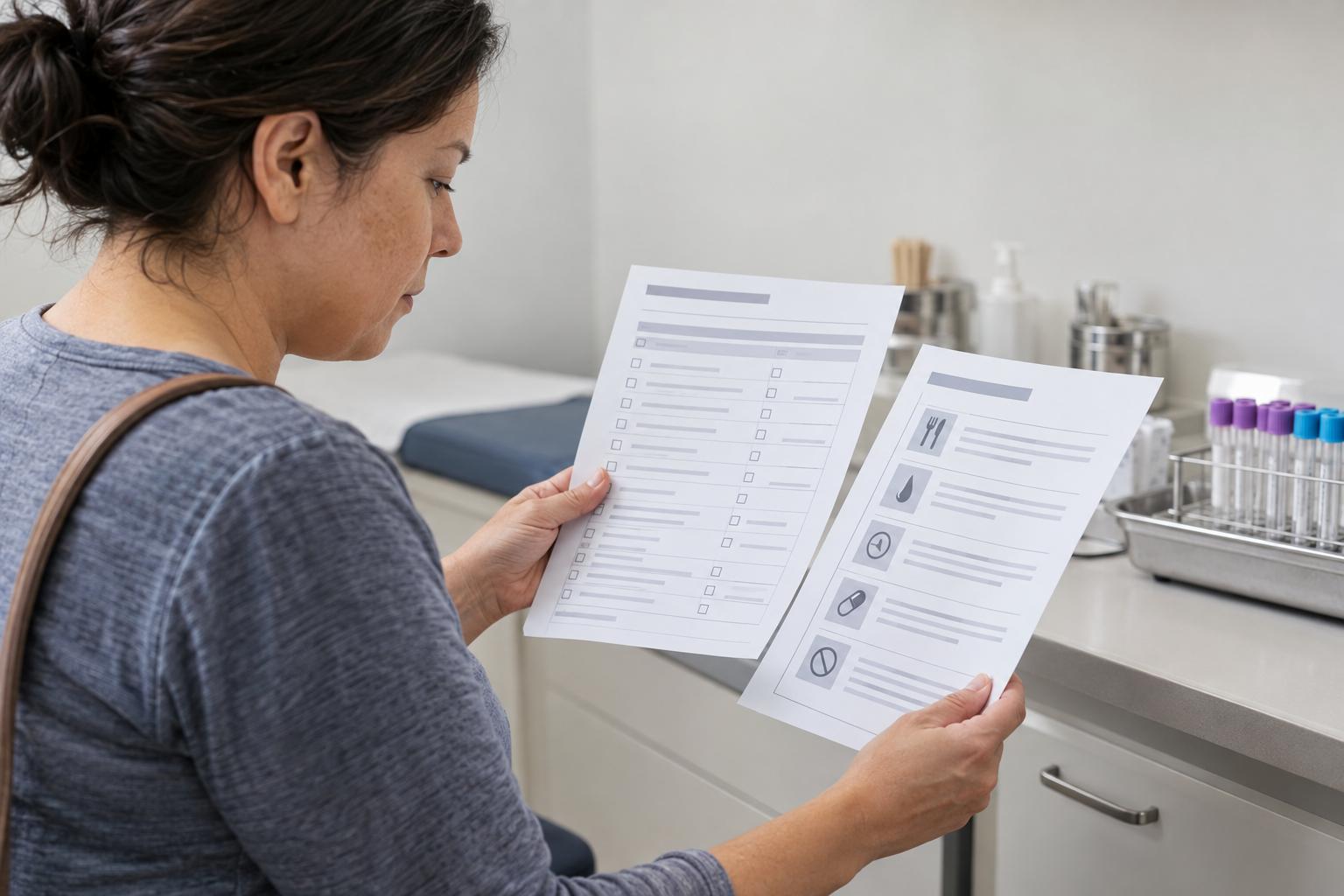
Several Tests in One Visit: How to Plan Your Preparation Without Changing Your Routine on Your Own
If you have several laboratory tests for a metabolic evaluation, confirm the preparation required for each one and ask the laboratory which tests can be done during the same visit.
5 min de lectura
Publicado: 25 de octubre de 2026 · Actualizado: 25 de octubre de 2026
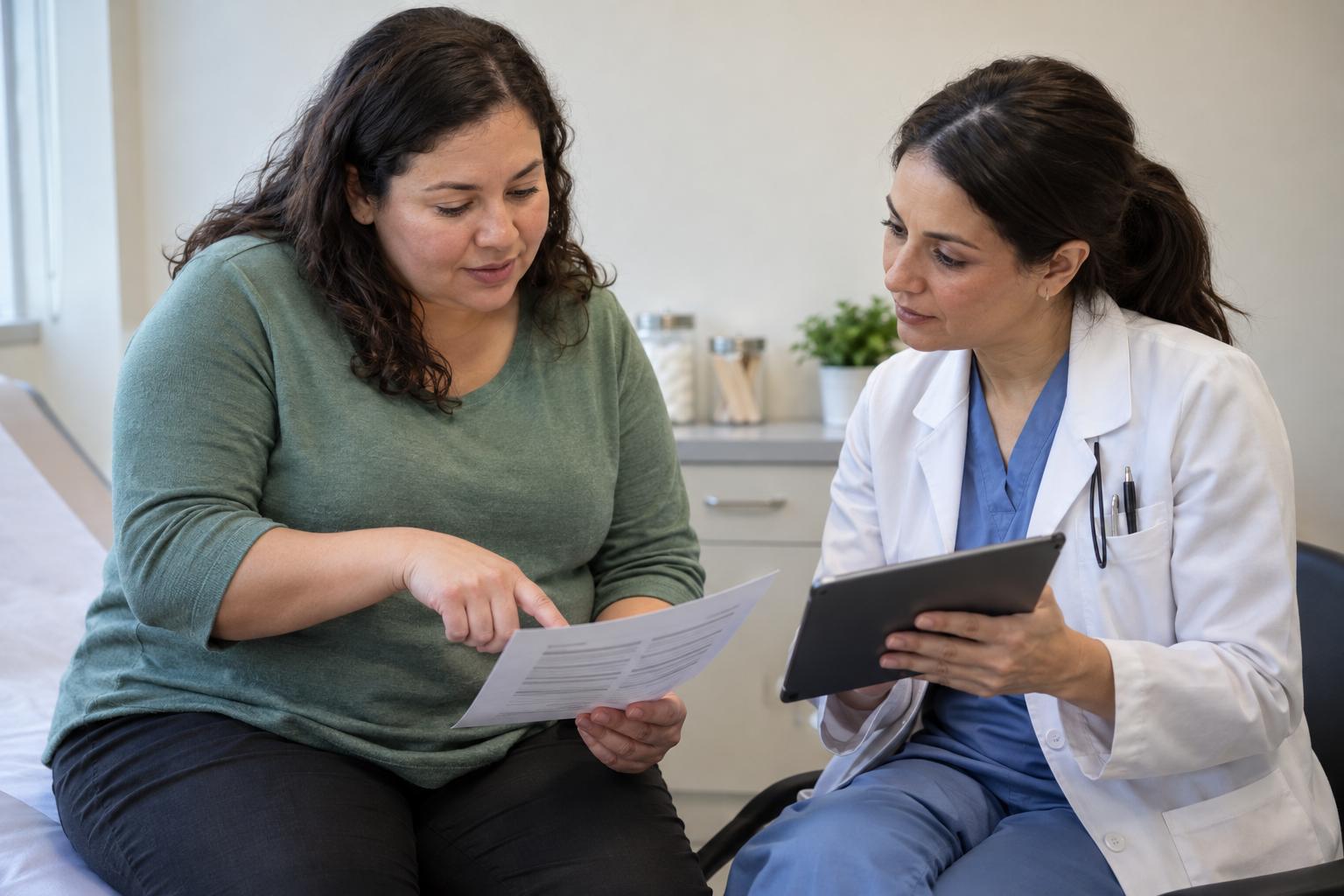
Skin Fold Irritation: When Redness Needs Evaluation
Moisture and friction can irritate skin folds, but redness does not confirm the cause. Learn which changes warrant evaluation, when to seek prompt care, and how to care for the area without making it worse.
5 min de lectura
Publicado: 12 de octubre de 2026 · Actualizado: 12 de octubre de 2026
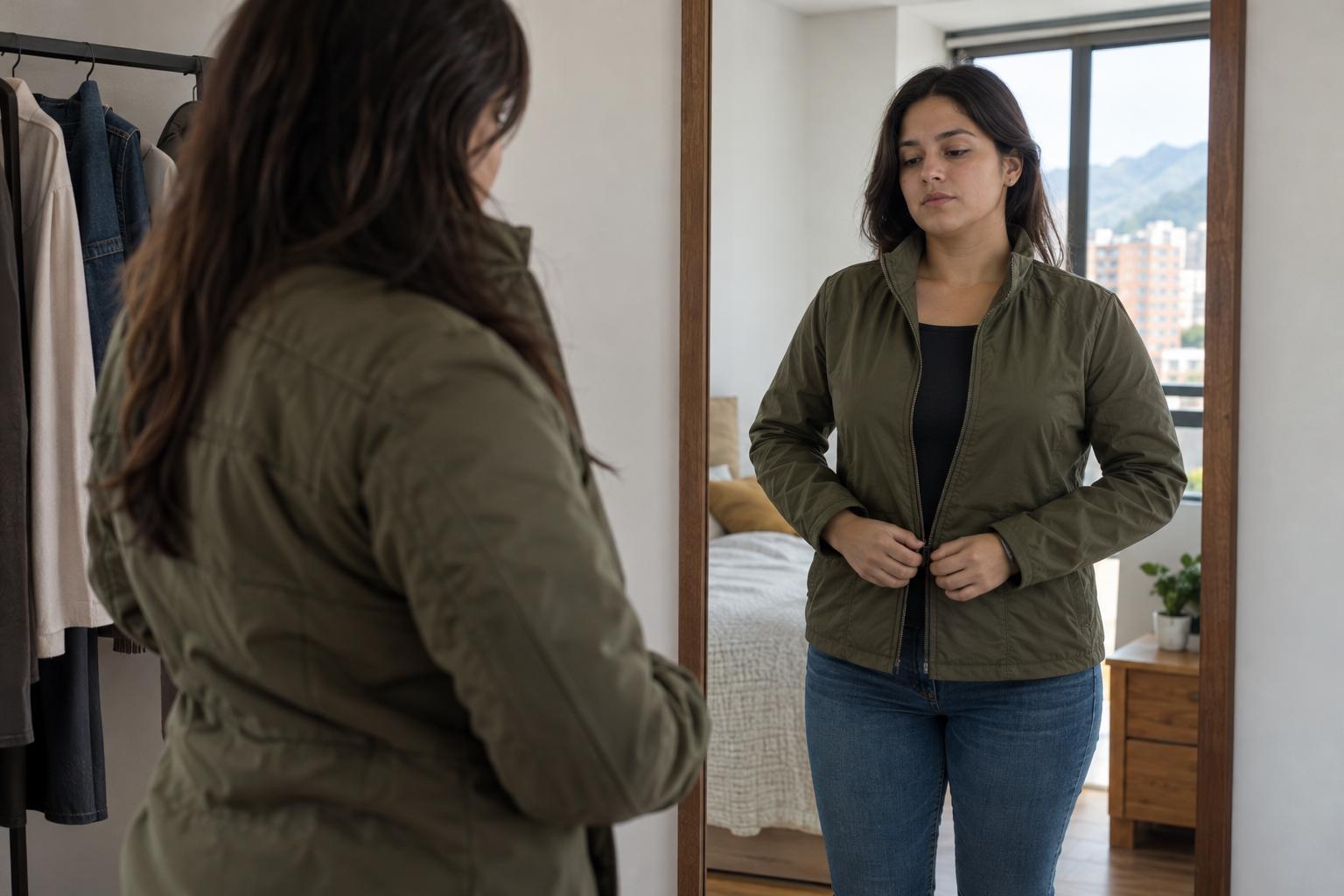
Obesity and Scheduled Surgery: Coordinating Treatment and Follow-Up Around Your Operation
A guide to discussing obesity treatments with your surgical team before non-bariatric surgery and agreeing on how to resume treatment and arrange follow-up during recovery.
5 min de lectura
Publicado: 30 de septiembre de 2026 · Actualizado: 30 de septiembre de 2026
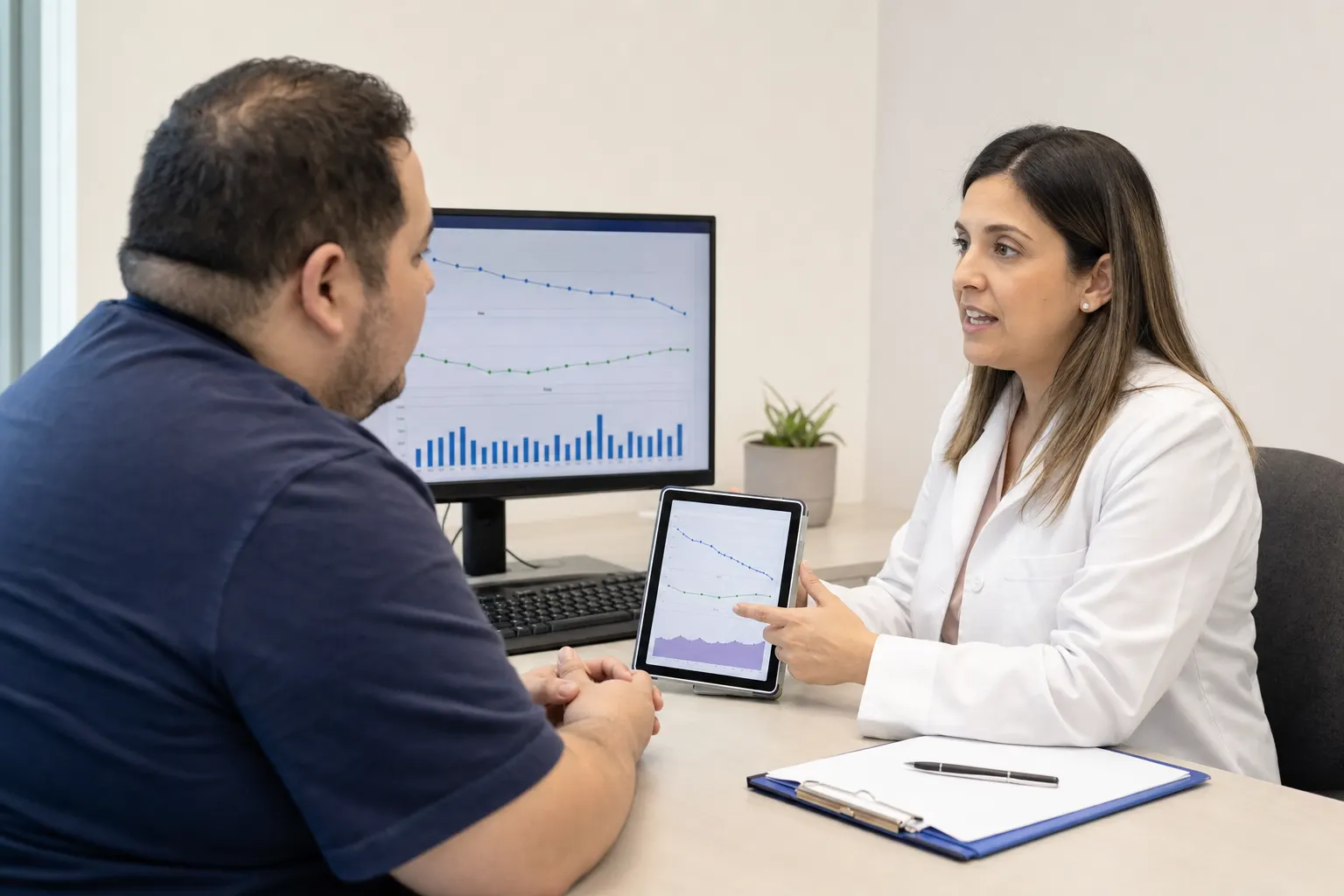
Changes in Your Body and Obesity: What You Can Notice Without Self-Diagnosing
A change in weight or the way your clothes fit does not diagnose obesity or reveal its cause. Learn what to observe and when to seek a clinical evaluation.
6 min de lectura
Publicado: 22 de septiembre de 2026 · Actualizado: 22 de septiembre de 2026
Deciding on Obesity Treatment: A Personalized Approach Tailored to Each Patient
Discover how individualized obesity treatment can transform patients' health and quality of life in Bogotá.