Educational article
Changes in Your Body and Obesity: What You Can Notice Without Self-Diagnosing

Educational content. It does not replace an individual medical assessment and should not be used for self-medication.

What a change in your body can tell you
Noticing a change in weight or that a piece of clothing fits differently may raise questions. Neither observation, on its own, can determine whether you have obesity, what caused the change, or what it means for your health. A clinical evaluation takes your individual circumstances into account and is not based solely on appearance.
What to notice without turning it into a diagnosis
If it is helpful, you can keep in mind: - **When you noticed it:** an approximate date or the period when it began. - **How it has changed over time:** whether it has stayed the same, varied, or progressed. - **What changed:** for example, your weight or how a piece of clothing fits. - **What else happened around the same time:** changes in routines, sleep, health, medications, or other relevant circumstances. You do not need to weigh yourself repeatedly or monitor your body constantly to seek guidance.
Questions to put the change in context
Before a consultation, it may help to consider whether the change appeared gradually or over a short time, and whether it coincided with anything new in your health or routine. You do not need to have all the answers: sharing what you have noticed and what you do not know also provides context.
Why clothing and appearance do not confirm obesity
How a piece of clothing fits can change for different reasons and is not a diagnostic measure. Appearance alone also cannot establish your health status or explain a change in weight. A health professional may consider your medical history, how the change has progressed, and other relevant clinical factors, respectfully and without judgment.
How to prepare for an evaluation
If you decide to write something down, it is enough to note what you observed, approximately when it began, and what other circumstances coincided with it. In Bogotá, you can request an evaluation with a primary care physician or an endocrinologist. A simple record can help guide the conversation, but it does not replace a professional evaluation.
When to schedule a consultation
Consider scheduling an appointment if the change persists, recurs, concerns you, or affects your daily activities. You can also consult a health professional if you want to understand a change in weight and receive an individual evaluation. You do not need to wait until the change is noticeable to other people.
When to seek prompt care
Seek prompt care if you develop severe difficulty breathing, fainting, severe pain, or another sudden symptom that prevents you from carrying out your usual activities. If you think it is an emergency, go to an emergency department or seek immediate help. These symptoms require evaluation in their own right and do not allow anyone to conclude that you have obesity.
Simple follow-up
If you wish, note one or two specific changes and approximately when they began so you can discuss them at a consultation. Schedule an appointment if they persist or concern you; for severe or sudden symptoms, seek prompt care. An evaluation can consider the full picture and help determine appropriate next steps for you.
When to seek medical care
If symptoms persist, test results are abnormal, or you have questions about medication, arrange an individual assessment. Do not change treatment or doses without medical guidance.
Frequently asked questions
Does tighter-fitting clothing mean I have obesity?
No. How clothes fit cannot diagnose obesity or identify the cause of a change. If the change persists or concerns you, discuss it during a clinical evaluation.
Should I bring a record of my weight to the consultation?
It is not essential. If you have noted dates or changes you consider relevant, you can share them. A record provides context but does not replace a professional evaluation.
Whom should I consult if I notice a change in weight?
You can schedule a primary care consultation to review the change and determine whether another evaluation is needed. If a severe or sudden symptom occurs, seek prompt care.
Does this topic resonate with you?
Every case is different. Book a consultation to review your history, test results and goals with a personalized plan.
More articles about Weight management

5 min de lectura
Publicado: 10 de noviembre de 2026 · Actualizado: 10 de noviembre de 2026
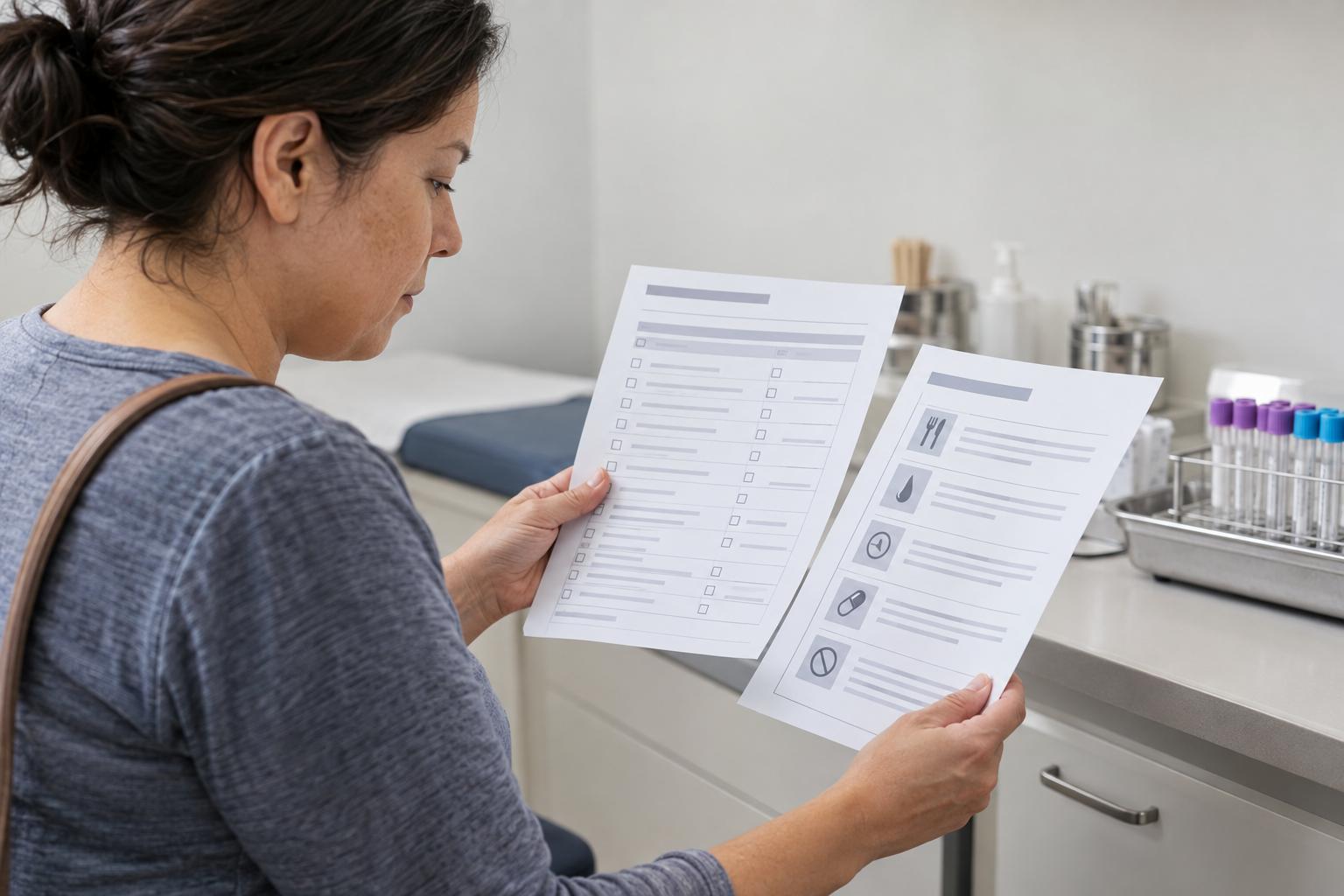
What Clues in Your Daily Life May Be Related to Weight Gain?
Sleep, routines, health, and some treatments can provide context when weight changes. Learn what to observe and how to discuss it without self-diagnosing.
5 min de lectura
Publicado: 6 de noviembre de 2026 · Actualizado: 6 de noviembre de 2026
Several Tests in One Visit: How to Plan Your Preparation Without Changing Your Routine on Your Own
If you have several laboratory tests for a metabolic evaluation, confirm the preparation required for each one and ask the laboratory which tests can be done during the same visit.

5 min de lectura
Publicado: 25 de octubre de 2026 · Actualizado: 25 de octubre de 2026
Skin Fold Irritation: When Redness Needs Evaluation
Moisture and friction can irritate skin folds, but redness does not confirm the cause. Learn which changes warrant evaluation, when to seek prompt care, and how to care for the area without making it worse.

5 min de lectura
Publicado: 12 de octubre de 2026 · Actualizado: 12 de octubre de 2026
Obesity and Scheduled Surgery: Coordinating Treatment and Follow-Up Around Your Operation
A guide to discussing obesity treatments with your surgical team before non-bariatric surgery and agreeing on how to resume treatment and arrange follow-up during recovery.

5 min de lectura
Publicado: 5 de octubre de 2026 · Actualizado: 5 de octubre de 2026
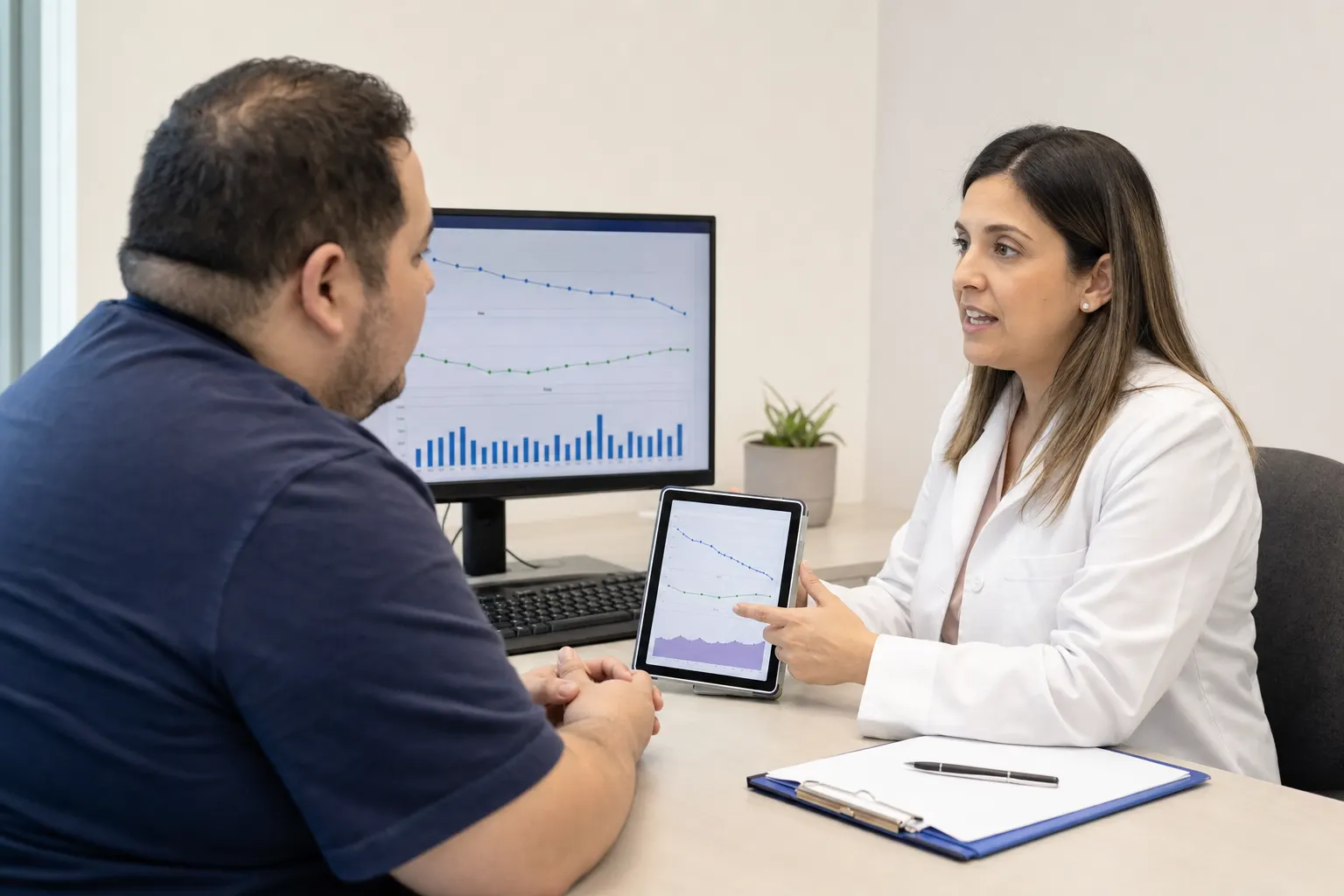
Getting Back to Physical Activity with Obesity: How to Start with Realistic Goals
Ideas for getting moving again after a period of inactivity: how to choose functional goals, adapt them to your abilities, and recognize when to stop.
6 min de lectura
Publicado: 22 de septiembre de 2026 · Actualizado: 22 de septiembre de 2026
Deciding on Obesity Treatment: A Personalized Approach Tailored to Each Patient
Discover how individualized obesity treatment can transform patients' health and quality of life in Bogotá.