Educational article
Your Weight History Matters: Changes and Treatments Worth Discussing

Educational content. It does not replace an individual medical assessment and should not be used for self-medication.

Why does it matter to share your weight history?
Weight can vary at different stages of life, and a single number does not describe how that process unfolded. Sharing when the changes began, what was happening at the time, and what approaches you tried gives the health care team context to ask questions and consider next steps. The conversation is not a test of willpower or adherence.
Myth: I need exact numbers for the appointment to be useful
You do not need to reconstruct every pound or provide perfect records. It may be enough to identify approximate periods, such as “the change began after a pregnancy” or “I noticed a change over several years.” If you have recorded measurements, they may provide information; if not, your recollection can also help guide the conversation.
Which points in your weight history are worth mentioning?
As best you can, recall periods of weight gain, loss, or stability and when they occurred. If applicable, mention pregnancies and the period around them. You can also describe health changes that happened around the same time. You do not need to explain why each change occurred: describe what you remember and leave interpretation to the clinical evaluation.
Myth: If something happened before a weight change, I have found the cause
The timing can help raise questions, but it does not by itself show what caused a change in weight. A diagnosis, treatment, or other change that occurred during that period is relevant history, not confirmation of a cause. Its significance depends on the full history and personal context.
What should you share about previous treatments?
Mention treatments or strategies you remember trying, when you tried them, and how you perceived the response. It is also helpful to note approximately how long you continued them, what happened afterward, and whether you had side effects or difficulty continuing them. You do not need to justify decisions or label the outcome: the goal is to understand your experience.
Which health history should you include?
You can mention significant diagnoses and health changes that coincided with periods of weight change. If you do not remember exact dates, use approximate reference points, such as before or after a pregnancy, diagnosis, or treatment. Share these details as context, without assigning a cause to the change on your own.
How to prepare without turning it into a to-do list
If it helps, think about three things: when you remember important changes, which approaches you tried, and which health events coincided with those periods. You can bring any available reports or records, but you do not need to gather documents or reconstruct your entire history precisely. Also write down the questions that matter most to you.
When to talk with a health care professional
If weight changes concern you or you would like to review your history and care options, you can discuss this with a health care professional. Share the information you have and ask how it fits into your evaluation. Do not stop or change medications on your own; if you have questions about a treatment, ask the person who prescribed it.
When to seek medical care
If symptoms persist, test results are abnormal, or you have questions about medication, arrange an individual assessment. Do not change treatment or doses without medical guidance.
Frequently asked questions
Do I need to remember exactly how much I weighed at every stage?
No. Approximate dates and numbers may help, but describing the periods and changes you remember also provides context.
Do I need to mention treatments that did not work for me or that I stopped?
It may be helpful to share which ones you tried, what response you noticed, and whether you had side effects or difficulty continuing them. The goal is to understand your experience, not judge it.
If a health change coincided with a change in weight, does that confirm it caused the weight change?
Not necessarily. The timing provides context, but does not by itself prove a cause; it should be interpreted along with the rest of your clinical history.
Does this topic resonate with you?
Every case is different. Book a consultation to review your history, test results and goals with a personalized plan.
More articles about Weight management

5 min de lectura
Publicado: 10 de noviembre de 2026 · Actualizado: 10 de noviembre de 2026
What Clues in Your Daily Life May Be Related to Weight Gain?
Sleep, routines, health, and some treatments can provide context when weight changes. Learn what to observe and how to discuss it without self-diagnosing.
5 min de lectura
Publicado: 6 de noviembre de 2026 · Actualizado: 6 de noviembre de 2026
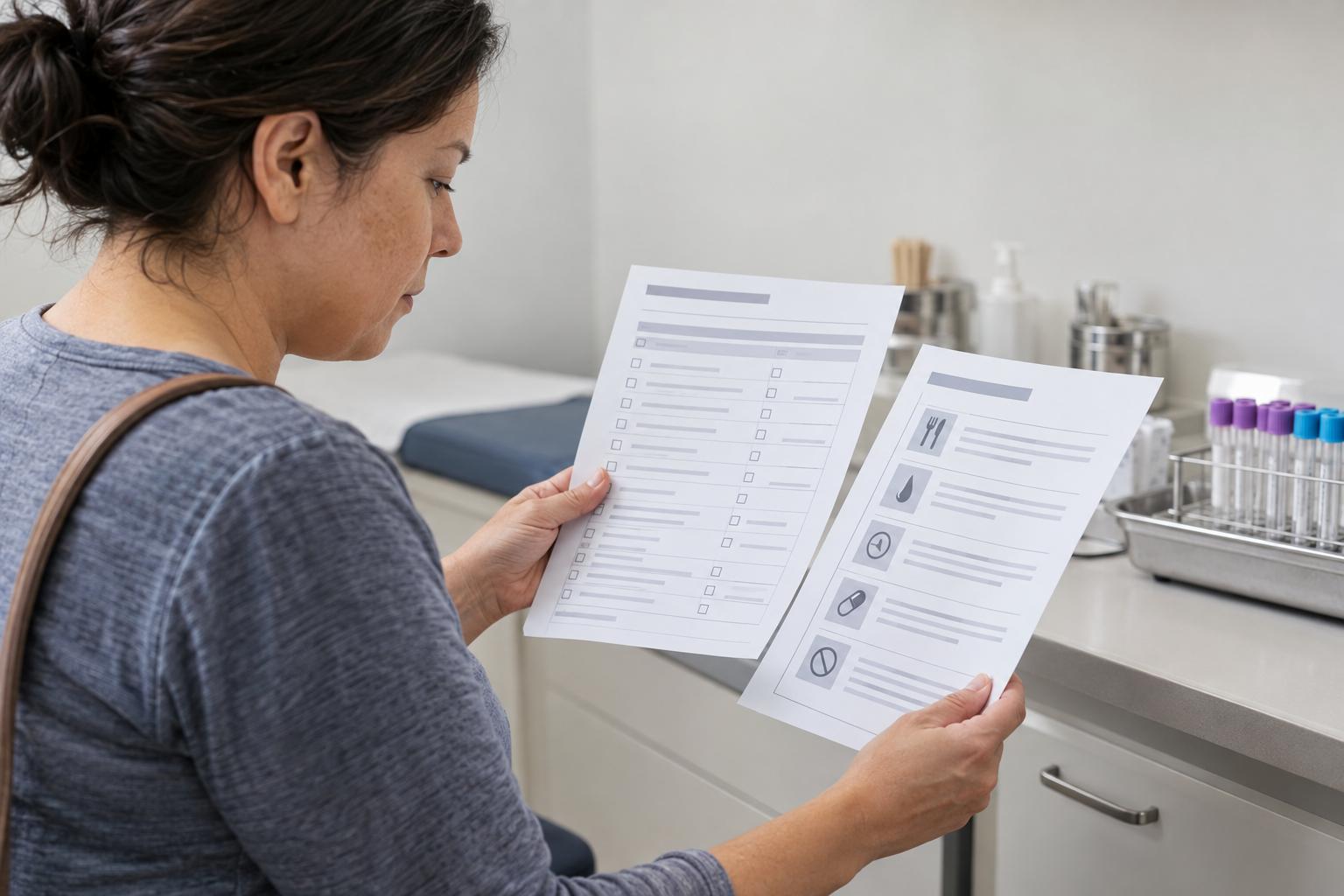
Several Tests in One Visit: How to Plan Your Preparation Without Changing Your Routine on Your Own
If you have several laboratory tests for a metabolic evaluation, confirm the preparation required for each one and ask the laboratory which tests can be done during the same visit.

5 min de lectura
Publicado: 25 de octubre de 2026 · Actualizado: 25 de octubre de 2026
Skin Fold Irritation: When Redness Needs Evaluation
Moisture and friction can irritate skin folds, but redness does not confirm the cause. Learn which changes warrant evaluation, when to seek prompt care, and how to care for the area without making it worse.

5 min de lectura
Publicado: 12 de octubre de 2026 · Actualizado: 12 de octubre de 2026
Obesity and Scheduled Surgery: Coordinating Treatment and Follow-Up Around Your Operation
A guide to discussing obesity treatments with your surgical team before non-bariatric surgery and agreeing on how to resume treatment and arrange follow-up during recovery.
5 min de lectura
Publicado: 5 de octubre de 2026 · Actualizado: 5 de octubre de 2026
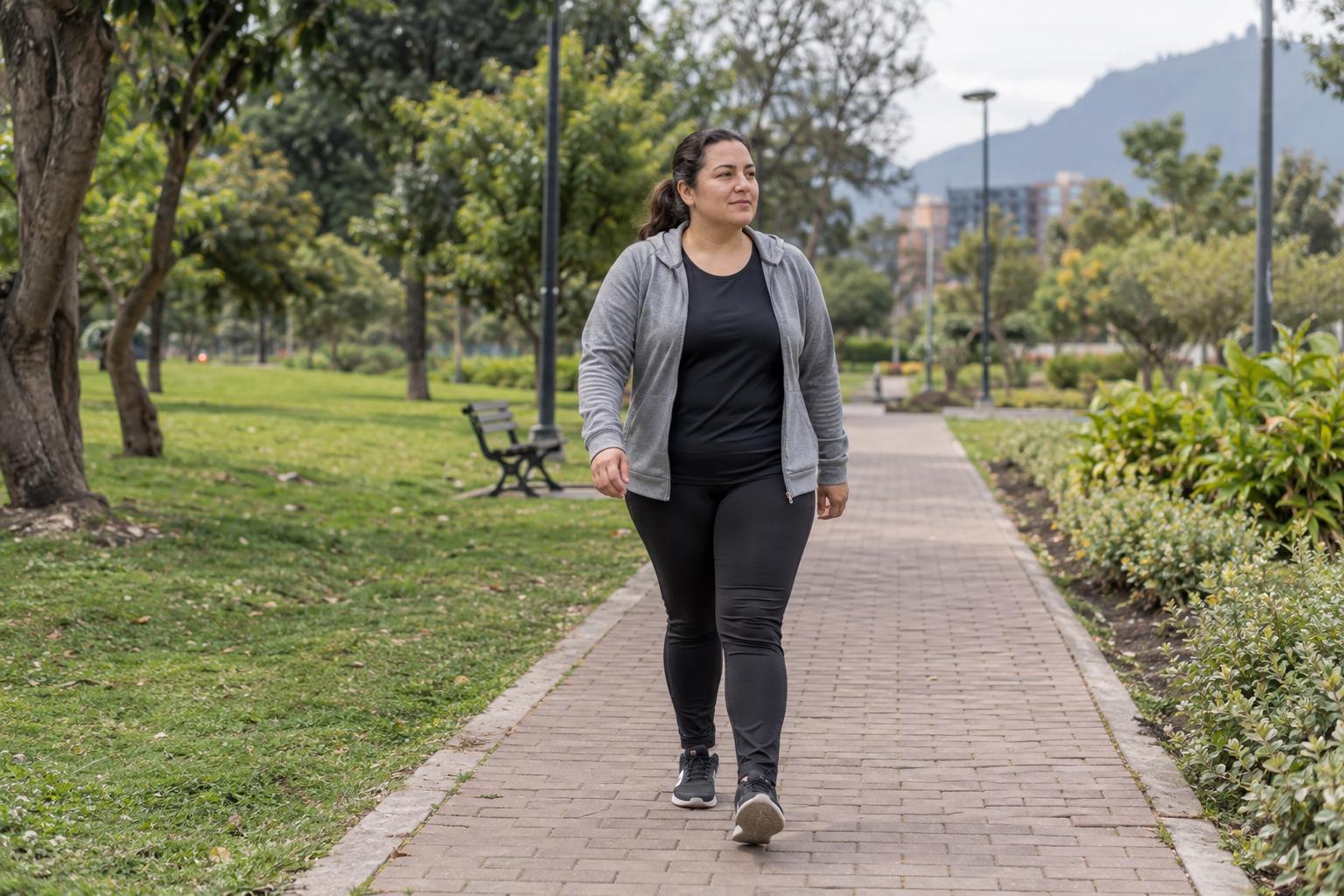
Getting Back to Physical Activity with Obesity: How to Start with Realistic Goals
Ideas for getting moving again after a period of inactivity: how to choose functional goals, adapt them to your abilities, and recognize when to stop.

5 min de lectura
Publicado: 30 de septiembre de 2026 · Actualizado: 30 de septiembre de 2026
Changes in Your Body and Obesity: What You Can Notice Without Self-Diagnosing
A change in weight or the way your clothes fit does not diagnose obesity or reveal its cause. Learn what to observe and when to seek a clinical evaluation.