Educational article
Does Obesity Result Only from Eating Too Much and Exercising Too Little?

Educational content. It does not replace an individual medical assessment and should not be used for self-medication.

What Is Energy Balance?
The energy obtained from food and beverages and the energy the body uses for its functions and activities influence weight over time. This relationship, called energy balance, is important, but it does not by itself explain why weight changes differently from one person to another. Nor does it mean that obesity is simply a matter of choosing to eat more or move less.
Appetite and Fullness: Experiences That Vary
Appetite is the urge or desire to eat; fullness is the feeling of being satisfied that occurs during or after a meal. These can vary between people and within the same person depending on the time and circumstances. That is why hunger and the feeling of being satisfied are not the same for everyone.
The Body May Respond to Weight Changes
When weight changes, the body may adjust processes related to hunger, fullness, and energy use. These responses can affect what happens afterward and may make maintaining a change different for each person. They do not negate the importance of energy balance or mean that habits are useless; they help explain why effort alone does not predict an outcome.
Everyday and Health Factors
Work or study schedules, rest, stress, food availability, some health conditions, and certain medications may be relevant to understanding changes in weight. Their effects vary, and they do not justify conclusions about someone’s discipline without knowing their circumstances.
What Can a Clinical Evaluation Consider?
An evaluation may consider a person’s health history, weight changes over time, previous efforts, and other factors relevant to that individual. It may also explore eating, movement, appetite, fullness, and everyday circumstances, without attributing weight to a single cause.
Two Oversimplifications to Avoid
Saying that obesity is always caused by overeating or not exercising can oversimplify the issue and lead to blame. But saying that diet and physical activity have no influence is also inaccurate: they are part of energy balance. Explaining this relationship is not a judgment of a person’s willpower, discipline, or worth.
When Should You Seek Guidance?
If you are concerned about a change in weight or feel that explanations based only on willpower do not reflect your experience, you can talk with a health professional. An evaluation can review your history and determine which factors are relevant in your case. This article is educational and does not replace a consultation.
When to seek medical care
If symptoms persist, test results are abnormal, or you have questions about medication, arrange an individual assessment. Do not change treatment or doses without medical guidance.
Frequently asked questions
Do calories not matter?
The energy obtained from food and the energy the body uses do influence weight. Energy balance is important, although it does not by itself explain all the differences between people or the regulation of appetite and fullness.
Does obesity mean a lack of discipline?
No. Obesity is not a measure of willpower. Weight may be influenced by appetite, fullness, the body’s responses, and personal circumstances, as well as diet and movement.
Can diet and exercise help?
They may be part of health care and weight management, but they do not guarantee a specific outcome and are not the only explanation. Guidance should take each person’s circumstances and history into account.
Does this topic resonate with you?
Every case is different. Book a consultation to review your history, test results and goals with a personalized plan.
More articles about Weight management

5 min de lectura
Publicado: 10 de noviembre de 2026 · Actualizado: 10 de noviembre de 2026
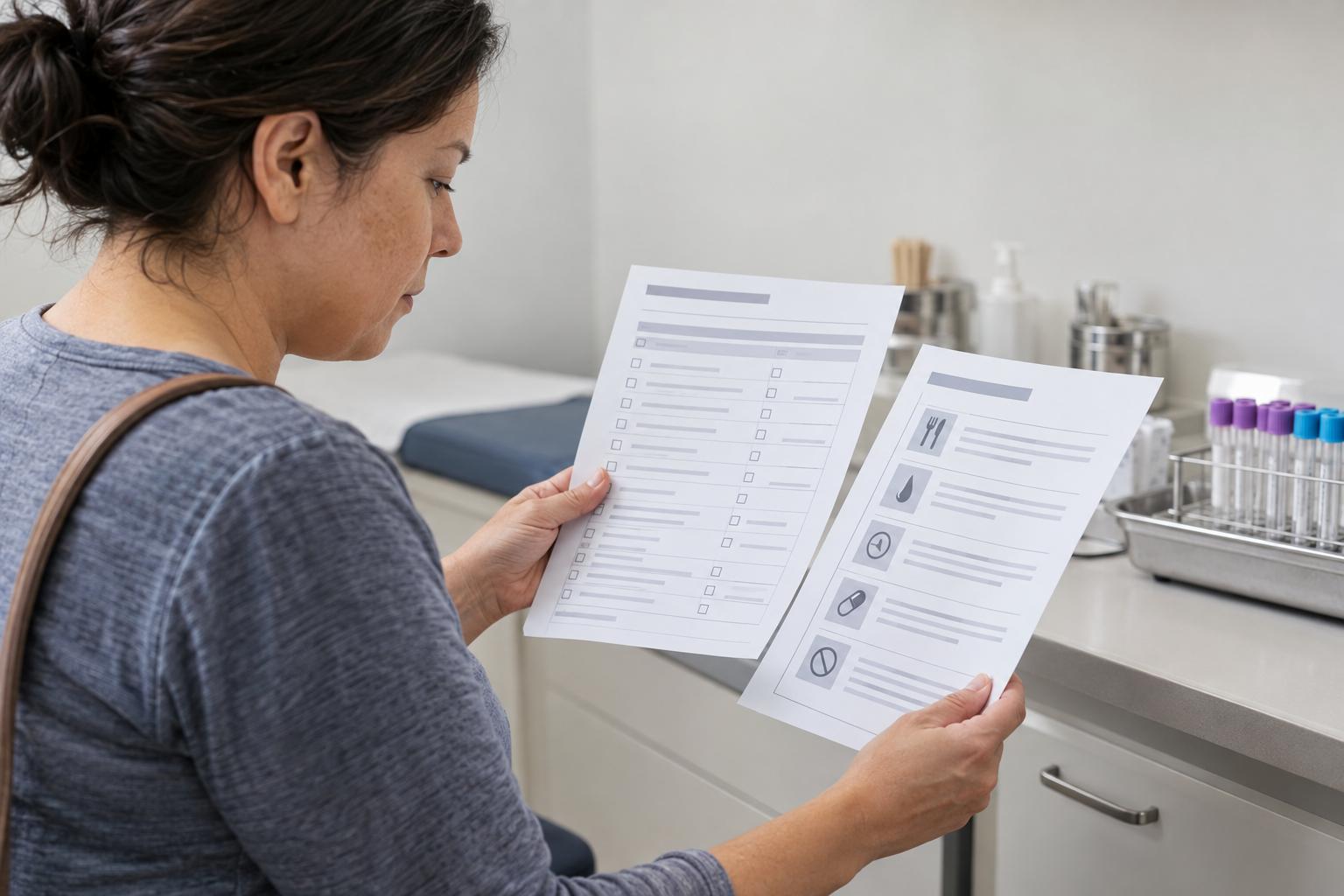
What Clues in Your Daily Life May Be Related to Weight Gain?
Sleep, routines, health, and some treatments can provide context when weight changes. Learn what to observe and how to discuss it without self-diagnosing.
5 min de lectura
Publicado: 6 de noviembre de 2026 · Actualizado: 6 de noviembre de 2026
Several Tests in One Visit: How to Plan Your Preparation Without Changing Your Routine on Your Own
If you have several laboratory tests for a metabolic evaluation, confirm the preparation required for each one and ask the laboratory which tests can be done during the same visit.
5 min de lectura
Publicado: 25 de octubre de 2026 · Actualizado: 25 de octubre de 2026
Skin Fold Irritation: When Redness Needs Evaluation
Moisture and friction can irritate skin folds, but redness does not confirm the cause. Learn which changes warrant evaluation, when to seek prompt care, and how to care for the area without making it worse.

5 min de lectura
Publicado: 12 de octubre de 2026 · Actualizado: 12 de octubre de 2026
Obesity and Scheduled Surgery: Coordinating Treatment and Follow-Up Around Your Operation
A guide to discussing obesity treatments with your surgical team before non-bariatric surgery and agreeing on how to resume treatment and arrange follow-up during recovery.
5 min de lectura
Publicado: 5 de octubre de 2026 · Actualizado: 5 de octubre de 2026
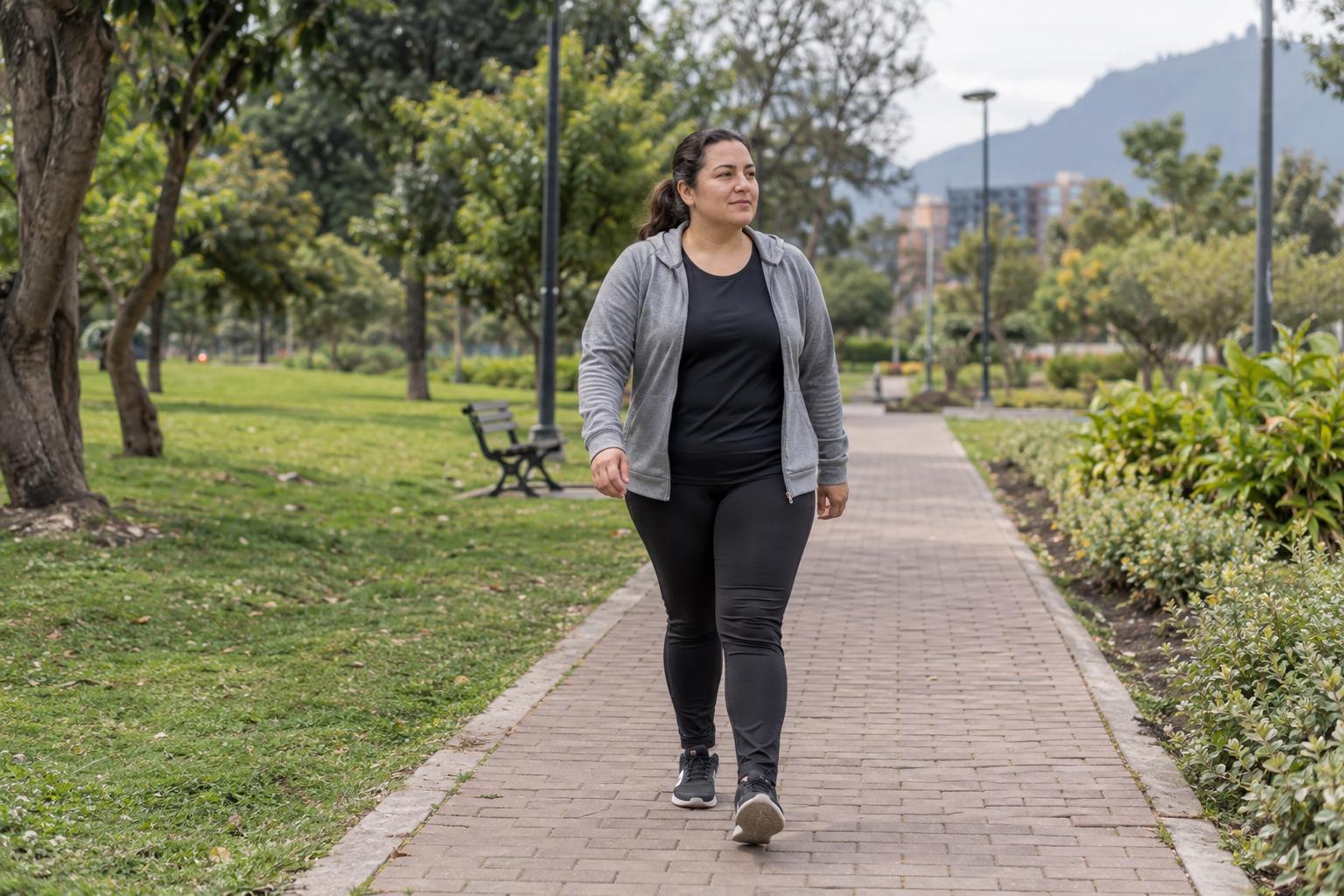
Getting Back to Physical Activity with Obesity: How to Start with Realistic Goals
Ideas for getting moving again after a period of inactivity: how to choose functional goals, adapt them to your abilities, and recognize when to stop.

5 min de lectura
Publicado: 30 de septiembre de 2026 · Actualizado: 30 de septiembre de 2026
Changes in Your Body and Obesity: What You Can Notice Without Self-Diagnosing
A change in weight or the way your clothes fit does not diagnose obesity or reveal its cause. Learn what to observe and when to seek a clinical evaluation.