Educational article
The Importance of Continuous Monitoring in Patients with Obesity to Prevent Complications

Dr. Teresita Cortés Segura, medical reviewer
Author and medical review: Dra. Teresita del Niño Jesús Cortés Segura, endocrinologist.
Location: Bogotá, Colombia.
Published: July 22, 2026 · Updated: July 22, 2026 · 5 min read.
Educational content. It does not replace an individual medical assessment and should not be used for self-medication.
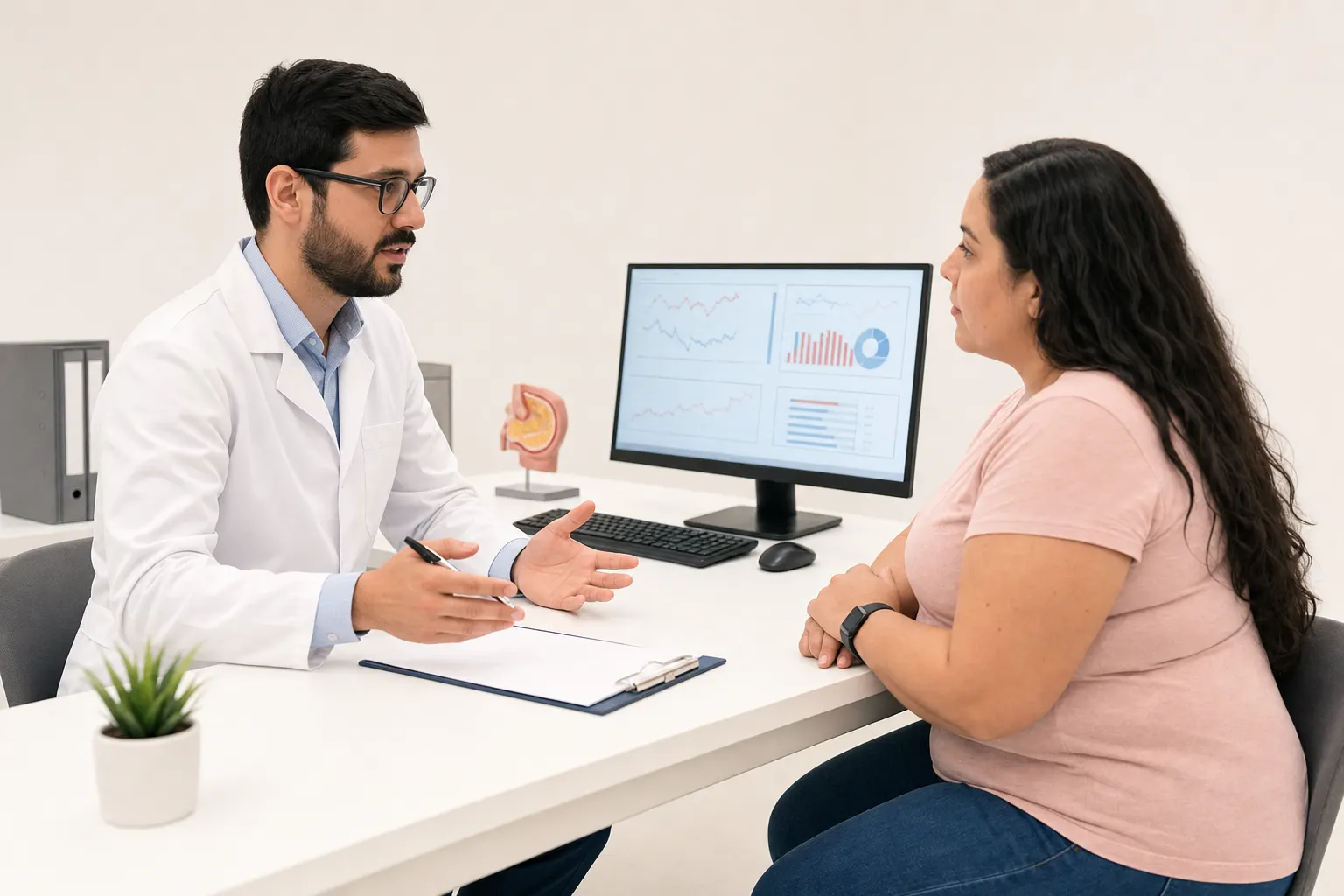
Definition of Obesity
Obesity is characterized by an excessive accumulation of body fat that can negatively impact health. It is commonly measured using the body mass index (BMI), which is calculated by dividing weight in kilograms by height in meters squared.
Signs and Symptoms of Complications
Patients with obesity may face serious complications such as type 2 diabetes, hypertension, cardiovascular diseases, and sleep disorders. Symptoms can include fatigue, difficulty breathing, and joint pain.
Importance of Continuous Monitoring
Continuous monitoring allows physicians to assess the patient’s progress and adjust treatment as necessary. This includes reviewing eating habits, physical activity levels, and measuring health parameters such as blood pressure and glucose levels.
Common Errors in Follow-Up
A frequent error is the lack of regularity in follow-up appointments. Many patients underestimate the importance of these check-ups, which can result in uncontrolled weight gain and the onset of complications.
Steps for Effective Monitoring
1. Establish a regular follow-up plan with the physician. 2. Conduct periodic health evaluations. 3. Keep a diary of food intake and activities. 4. Be attentive to any changes in health and communicate them to the physician.
When to Consult a Specialist
It is essential to consult an endocrinologist if new symptoms appear or if there is unexplained weight gain. If the patient faces difficulties following the treatment plan, seeking professional help is advisable.
When to seek medical care
If symptoms persist, test results are abnormal, or you have questions about medication, arrange an individual assessment. Do not change treatment or doses without medical guidance.
Frequently asked questions
How often should I have check-ups if I have obesity?
It is recommended to have check-ups every 3 to 6 months, depending on each patient’s situation and the physician’s recommendations.
What types of tests are performed during monitoring?
During monitoring, tests may include glucose, cholesterol, blood pressure measurements, and evaluations of eating habits and physical activity.
Is it possible to reverse obesity with proper monitoring?
With appropriate follow-up and a comprehensive approach, many patients can achieve significant weight loss and improve their overall health.
More articles about Obesidad
6 min de lectura
Publicado: 22 de septiembre de 2026 · Actualizado: 22 de septiembre de 2026
Deciding on Obesity Treatment: A Personalized Approach Tailored to Each Patient
Discover how individualized obesity treatment can transform patients' health and quality of life in Bogotá.
5 min de lectura
Publicado: 18 de septiembre de 2026 · Actualizado: 18 de septiembre de 2026
Vital Checks to Detect Obesity Complications in Early Stages
Learn about the importance of vital checks to detect obesity complications in their early stages.
5 min de lectura
Publicado: 3 de septiembre de 2026 · Actualizado: 3 de septiembre de 2026
Common Mistakes and How to Prepare for Obesity Diagnostic Tests
Learn about common mistakes when preparing for obesity diagnostic tests and how to avoid them to obtain accurate results.

5 min de lectura
Publicado: 30 de agosto de 2026 · Actualizado: 30 de agosto de 2026
Habit Tracking for Obesity Management: Practical Stress-Free Strategies
Learn how habit tracking can be an effective tool for managing obesity, enabling healthy and stress-free monitoring.

5 min de lectura
Publicado: 2 de agosto de 2026 · Actualizado: 2 de agosto de 2026
Obesity Symptoms That Indicate the Need for a Medical Evaluation
Discover the obesity symptoms that may signal the need for a specialized medical evaluation. Learn when it is essential to consult an endocrinologist in Bogotá.

6 min de lectura
Publicado: 25 de agosto de 2026 · Actualizado: 25 de agosto de 2026
Obesity and Its Warning Signs: Recognizing Potential Complications
Discover the warning signs that may indicate complications associated with obesity and how to manage them appropriately.