Educational article
Obesity: What Can Raise or Lower the Risk of Other Health Problems

Educational content. It does not replace an individual medical assessment and should not be used for self-medication.
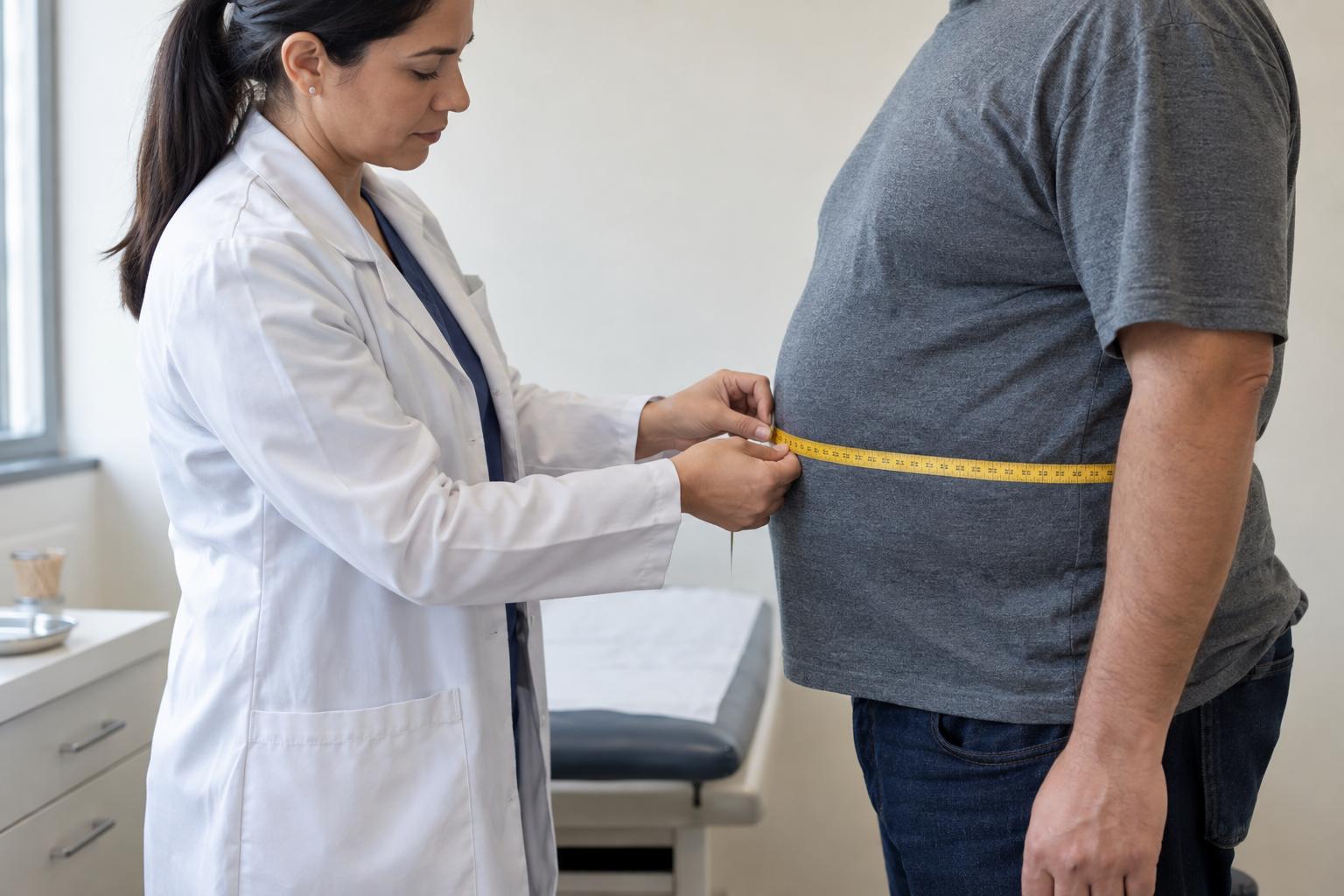
Risk Is Not Summed Up by Weight or BMI
Obesity is associated with a higher likelihood of some health problems, but risk varies from person to person. Weight and body mass index (BMI) provide information, although on their own they do not show how fat is distributed or reflect blood pressure, glucose, or lipid levels. For this reason, they are interpreted alongside other clinical information and each person’s health history.
Fat Distribution Can Provide Additional Information
Fat accumulated around the abdomen is associated with metabolic and cardiovascular changes. Waist circumference can complement BMI and weight, but it does not diagnose a disease on its own or predict with certainty which complications someone will develop. Its significance depends on the context and other findings.
Blood Pressure, Glucose, and Lipids Are Part of the Assessment
High blood pressure and changes in glucose or lipid levels—such as cholesterol and triglycerides—can affect the clinical assessment. It also matters whether these issues have been identified before, how they have changed over time, and whether they are being monitored or treated as recommended by the healthcare team.
Personal and Family History Help Put the Findings in Context
A person’s weight history and how long they have lived with obesity can provide context, but neither determines their future on its own. Previous diagnoses and a family history of metabolic or cardiovascular diseases are also considered when assessing risk.
The Absence of Symptoms Does Not Rule Out Health Changes
Some changes related to blood pressure, glucose, or lipids may not cause symptoms at first. If changes or symptoms occur, a healthcare professional interprets them alongside the medical history and, when appropriate, the examination and laboratory results. A symptom by itself does not confirm a complication or establish its cause.
How an Individual Assessment Is Conducted
During a consultation, waist circumference, blood pressure, glucose, and lipids may be reviewed, along with medical history and changes in health over time. Not everyone needs the same tests or the same follow-up frequency. The assessment helps identify which areas need attention and provides an opportunity to discuss options that may be appropriate for each individual.
What May Help Support Health
Physical activity adapted to each person’s abilities, an eating pattern that can be maintained and meets their needs, adequate sleep, and follow-up for associated conditions may help improve some aspects of health. These habits do not guarantee that complications will be prevented. The healthcare team can help identify realistic options and review whether they are appropriate.
How to Interpret Risk Without Oversimplifying It
BMI, waist circumference, a laboratory result, or family history does not determine a person’s future on its own. Risk indicates a possibility, not a certainty; for this reason, findings are considered together, and conclusions are not drawn from a single characteristic.
What to Discuss With a Healthcare Professional
You can ask how waist circumference and your blood pressure, glucose, and lipid results are interpreted in your case; which aspects of your medical history should be considered; and what follow-up or treatment options may be appropriate. Consult a healthcare professional if you have associated diagnoses or questions about your results. This content is educational and does not replace an individual assessment.
When to seek medical care
If symptoms persist, test results are abnormal, or you have questions about medication, arrange an individual assessment. Do not change treatment or doses without medical guidance.
Frequently asked questions
Do two people with a similar BMI have the same risk?
Not necessarily. BMI alone does not reflect fat distribution, clinical results, medical history, or changes in health over time. These factors are interpreted together.
Does having a high waist measurement or altered glucose mean I will develop complications?
No. These are findings that may affect the assessment, but they do not predict with certainty what will happen. A healthcare professional should interpret them alongside your medical history and other results.
Do healthy habits eliminate the risks associated with obesity?
There is no guarantee that they eliminate these risks. Physical activity, an eating pattern suited to the individual, sleep, and management of associated conditions may help support health and improve some risk factors.
Does this topic resonate with you?
Every case is different. Book a consultation to review your history, test results and goals with a personalized plan.
More articles about Weight management

5 min de lectura
Publicado: 10 de noviembre de 2026 · Actualizado: 10 de noviembre de 2026
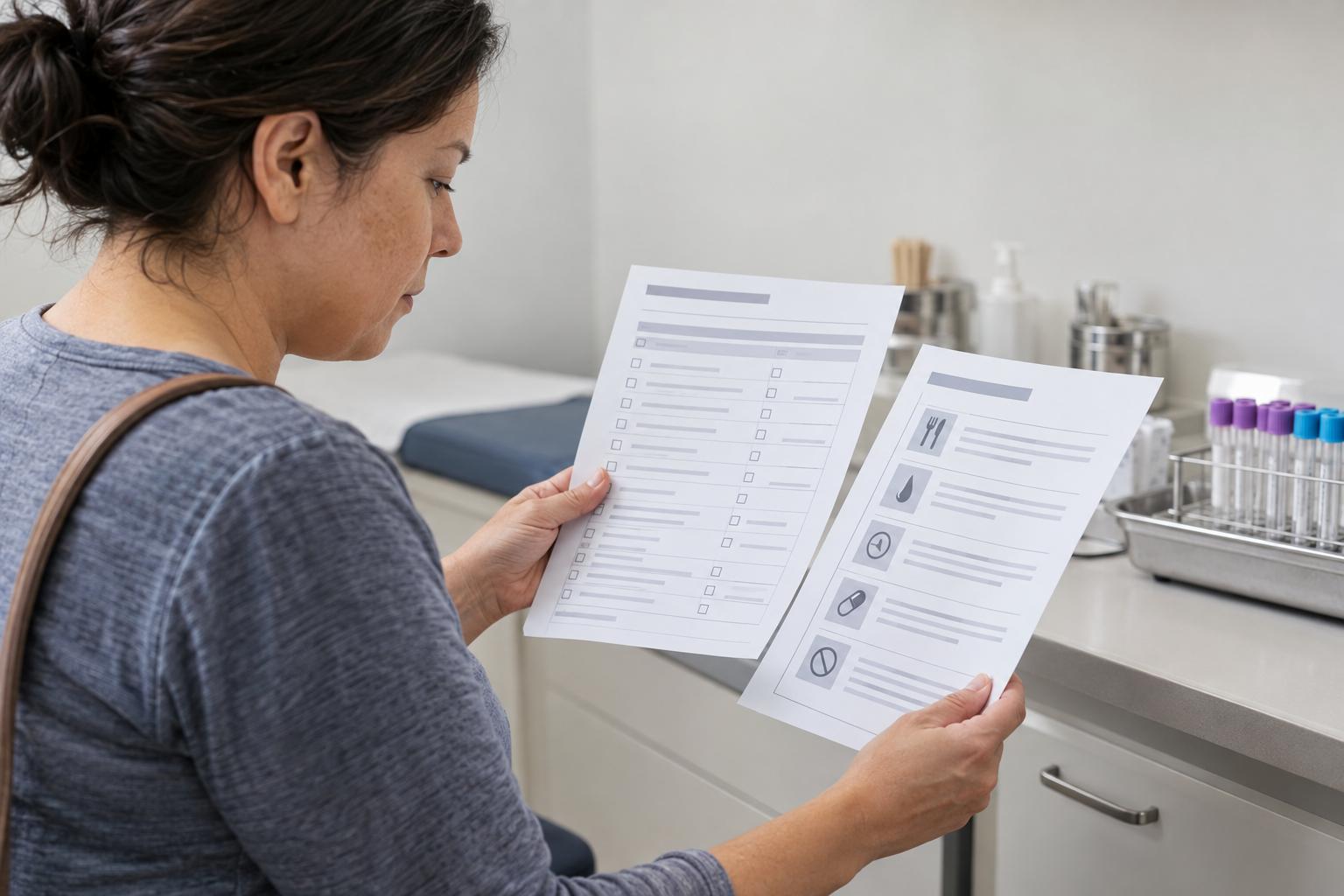
What Clues in Your Daily Life May Be Related to Weight Gain?
Sleep, routines, health, and some treatments can provide context when weight changes. Learn what to observe and how to discuss it without self-diagnosing.
5 min de lectura
Publicado: 6 de noviembre de 2026 · Actualizado: 6 de noviembre de 2026
Several Tests in One Visit: How to Plan Your Preparation Without Changing Your Routine on Your Own
If you have several laboratory tests for a metabolic evaluation, confirm the preparation required for each one and ask the laboratory which tests can be done during the same visit.
5 min de lectura
Publicado: 25 de octubre de 2026 · Actualizado: 25 de octubre de 2026
Skin Fold Irritation: When Redness Needs Evaluation
Moisture and friction can irritate skin folds, but redness does not confirm the cause. Learn which changes warrant evaluation, when to seek prompt care, and how to care for the area without making it worse.

5 min de lectura
Publicado: 12 de octubre de 2026 · Actualizado: 12 de octubre de 2026
Obesity and Scheduled Surgery: Coordinating Treatment and Follow-Up Around Your Operation
A guide to discussing obesity treatments with your surgical team before non-bariatric surgery and agreeing on how to resume treatment and arrange follow-up during recovery.
5 min de lectura
Publicado: 5 de octubre de 2026 · Actualizado: 5 de octubre de 2026
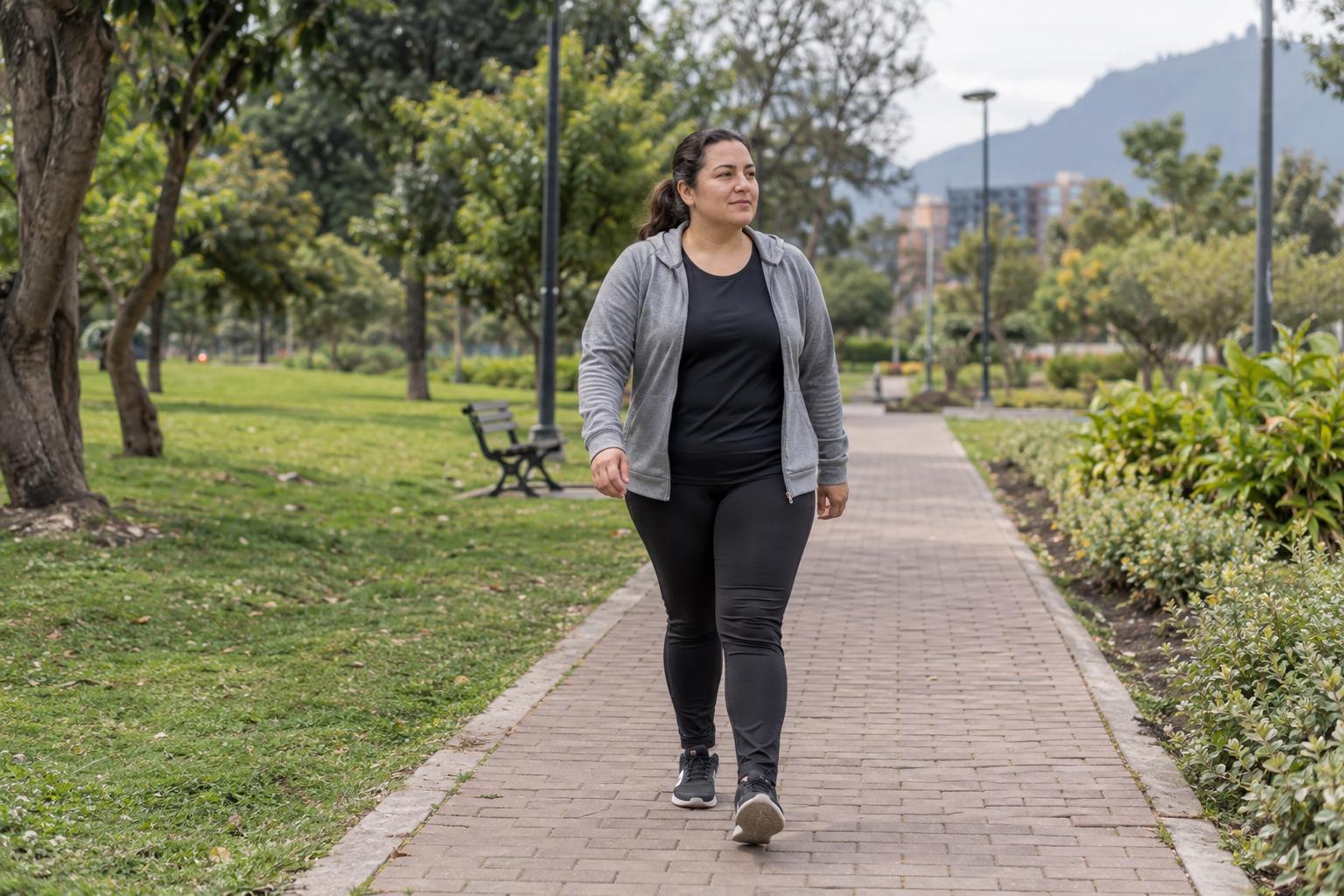
Getting Back to Physical Activity with Obesity: How to Start with Realistic Goals
Ideas for getting moving again after a period of inactivity: how to choose functional goals, adapt them to your abilities, and recognize when to stop.

5 min de lectura
Publicado: 30 de septiembre de 2026 · Actualizado: 30 de septiembre de 2026
Changes in Your Body and Obesity: What You Can Notice Without Self-Diagnosing
A change in weight or the way your clothes fit does not diagnose obesity or reveal its cause. Learn what to observe and when to seek a clinical evaluation.