Educational article
Obesity and Its Warning Signs: Recognizing Potential Complications

Dr. Teresita Cortés Segura, medical reviewer
Author and medical review: Dra. Teresita del Niño Jesús Cortés Segura, endocrinologist.
Location: Bogotá, Colombia.
Published: August 25, 2026 · Updated: August 25, 2026 · 6 min read.
Educational content. It does not replace an individual medical assessment and should not be used for self-medication.

1. Introduction to Obesity
Obesity is a complex medical condition that can lead to multiple complications. Recognizing warning signs is essential to prevent more serious health problems.
2. Difficulty Breathing
One of the earliest signs of complications is difficulty breathing, especially during physical activities. This may indicate respiratory problems related to obesity.
3. Joint Pain
Excess weight can cause increased wear on the joints, resulting in pain and limited movement. Pay attention to any persistent discomfort.
4. Excessive Fatigue
Feeling constantly tired or fatigued may be a sign that your body is struggling with obesity and its effects.
5. Digestive Problems
Obesity can contribute to digestive issues such as gastroesophageal reflux. If you experience this frequently, it is important to consult a doctor.
6. Changes in Blood Pressure
Hypertension is a common complication associated with obesity. Regularly monitoring your blood pressure can help detect problems early.
7. Sleep Disturbances
Sleep apnea is a common disorder in people with obesity. If you experience interruptions in your sleep, consider seeking medical attention.
8. Emotional Stress
Obesity can also affect your mental health. Changes in mood, anxiety, and depression are signs that should not be ignored.
9. Importance of Medical Follow-Up
It is crucial to maintain regular follow-up with an endocrinology specialist to assess your health and prevent major complications.
10. Conclusion and Follow-Up Plan
Recognizing warning signs is the first step toward better health. Consult a doctor if you experience any of these symptoms and establish an appropriate follow-up plan.
When to seek medical care
If symptoms persist, test results are abnormal, or you have questions about medication, arrange an individual assessment. Do not change treatment or doses without medical guidance.
Frequently asked questions
What are the most common complications of obesity?
Complications include respiratory problems, joint pain, hypertension, type 2 diabetes, and sleep disorders.
How can I prevent complications related to obesity?
By maintaining a healthy lifestyle, engaging in regular physical activity, and attending periodic medical check-ups.
When should I seek medical help for my obesity?
If you experience difficulty breathing, persistent joint pain, or significant changes in your mental health, it is important to consult a doctor.
More articles about Obesidad
6 min de lectura
Publicado: 22 de septiembre de 2026 · Actualizado: 22 de septiembre de 2026
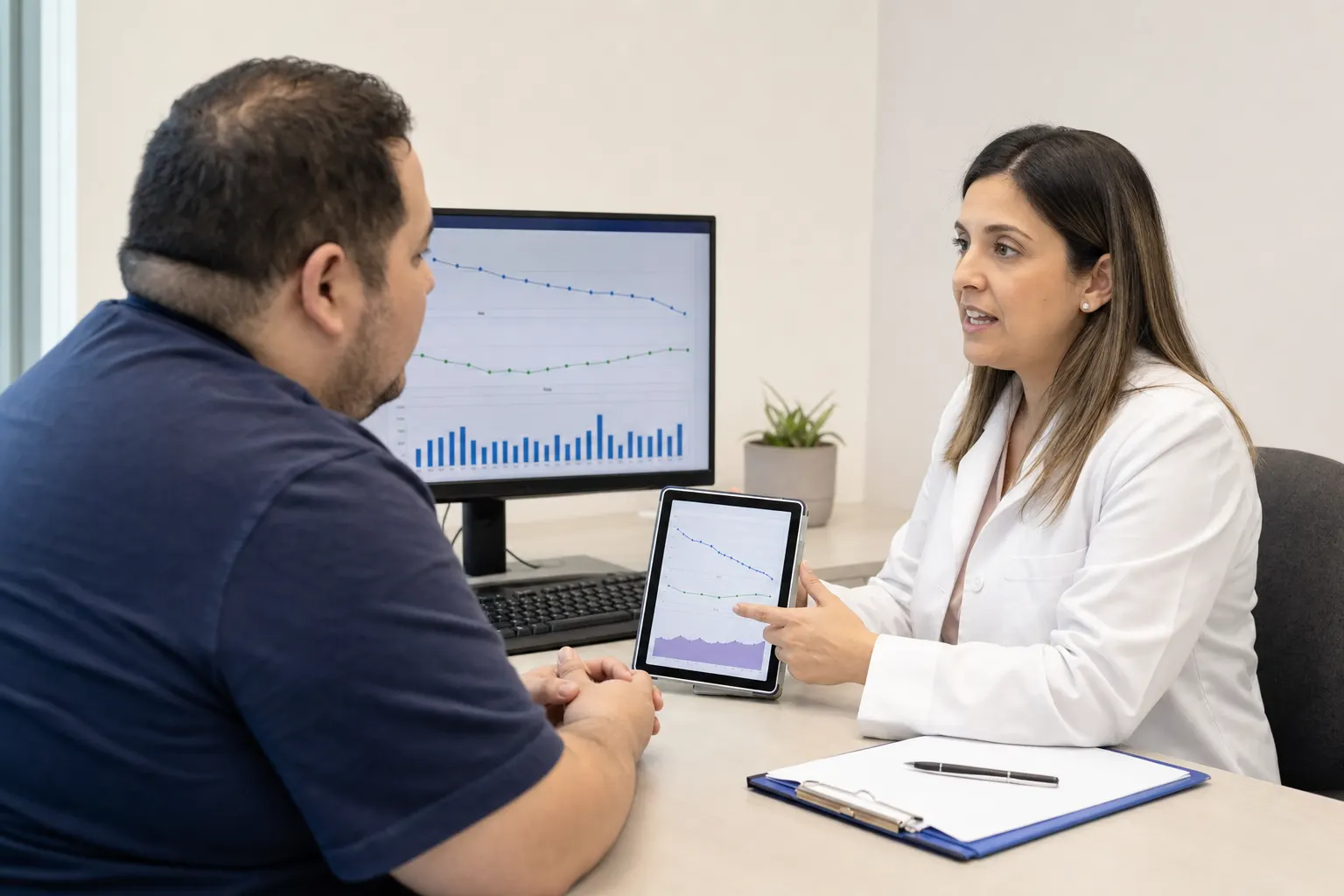
Deciding on Obesity Treatment: A Personalized Approach Tailored to Each Patient
Discover how individualized obesity treatment can transform patients' health and quality of life in Bogotá.
5 min de lectura
Publicado: 18 de septiembre de 2026 · Actualizado: 18 de septiembre de 2026
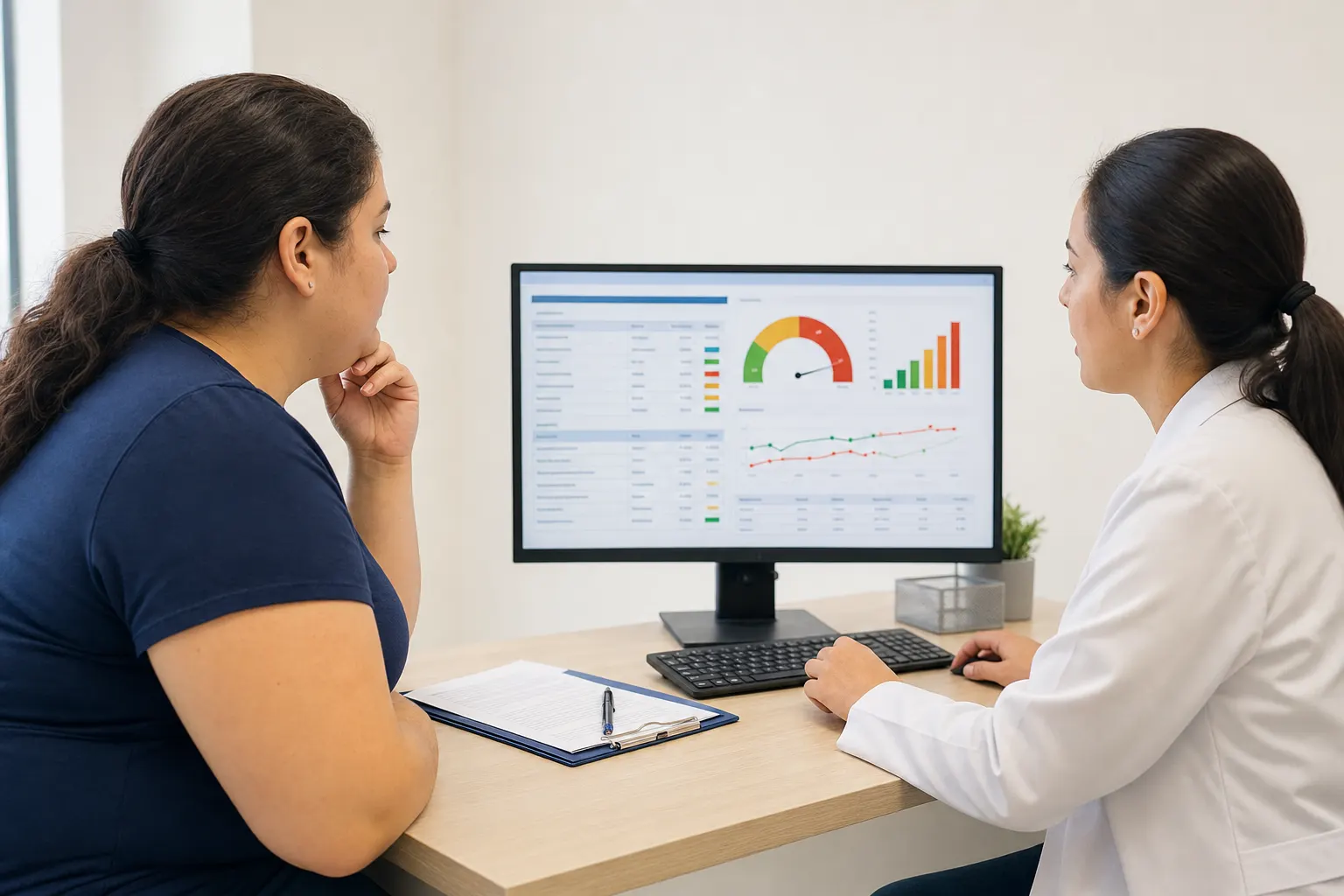
Vital Checks to Detect Obesity Complications in Early Stages
Learn about the importance of vital checks to detect obesity complications in their early stages.
5 min de lectura
Publicado: 3 de septiembre de 2026 · Actualizado: 3 de septiembre de 2026
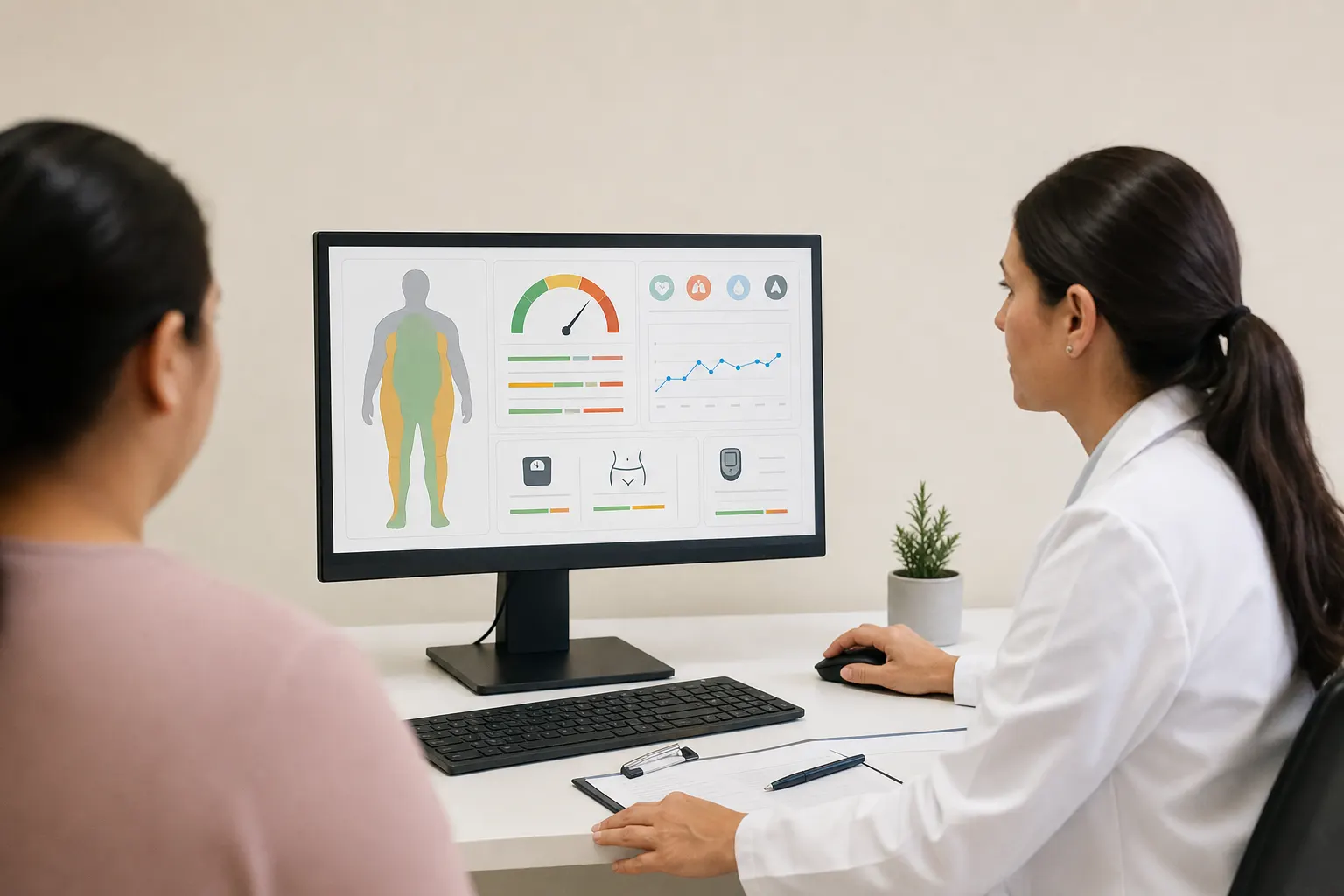
Common Mistakes and How to Prepare for Obesity Diagnostic Tests
Learn about common mistakes when preparing for obesity diagnostic tests and how to avoid them to obtain accurate results.

5 min de lectura
Publicado: 30 de agosto de 2026 · Actualizado: 30 de agosto de 2026
Habit Tracking for Obesity Management: Practical Stress-Free Strategies
Learn how habit tracking can be an effective tool for managing obesity, enabling healthy and stress-free monitoring.

5 min de lectura
Publicado: 2 de agosto de 2026 · Actualizado: 2 de agosto de 2026
Obesity Symptoms That Indicate the Need for a Medical Evaluation
Discover the obesity symptoms that may signal the need for a specialized medical evaluation. Learn when it is essential to consult an endocrinologist in Bogotá.
6 min de lectura
Publicado: 18 de agosto de 2026 · Actualizado: 18 de agosto de 2026
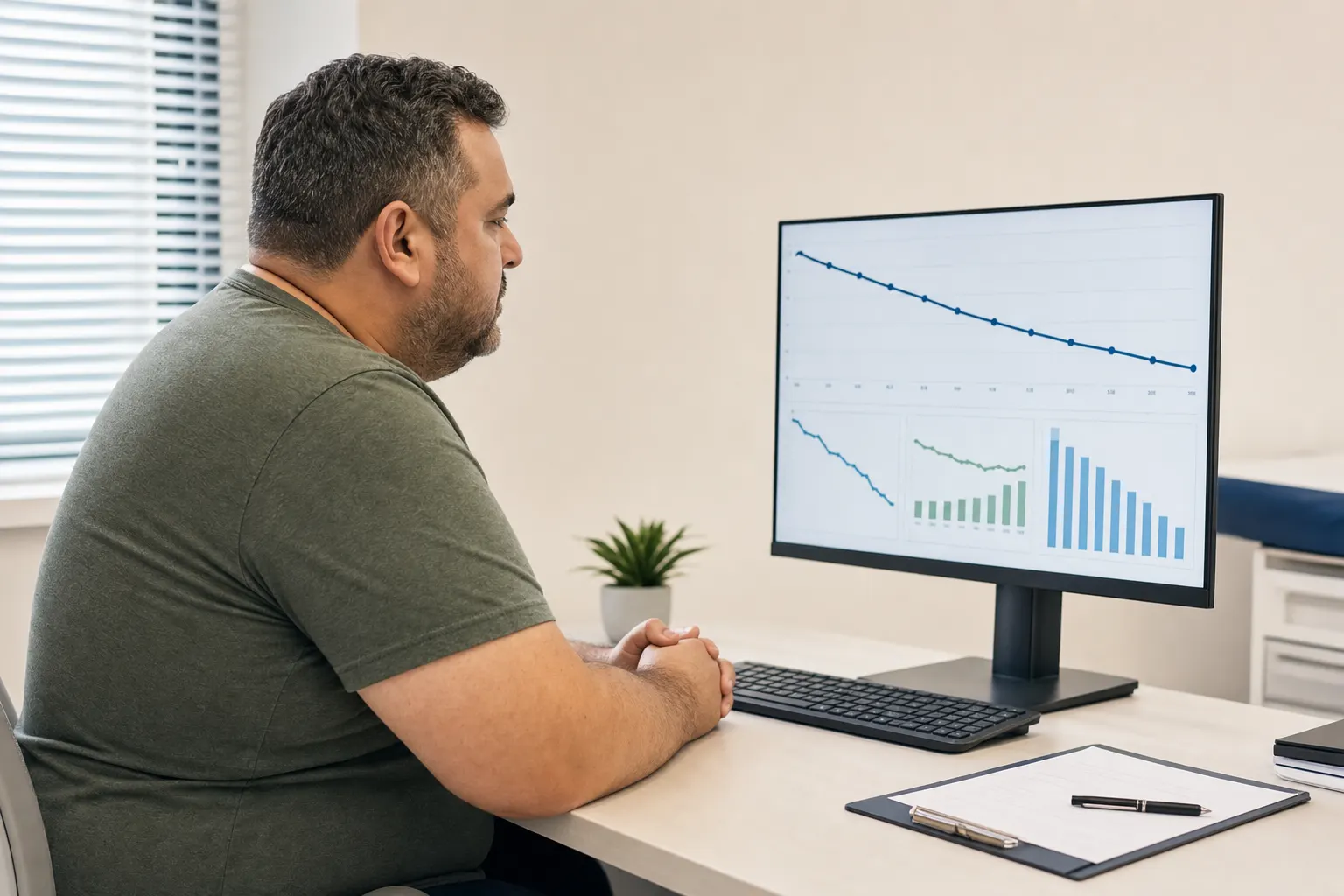
Obesity: Effective Treatments and Realistic Expectations
Discover effective treatment options for obesity and the realistic expectations you can have throughout the process.