Educational article
Obesity: Interpretation of Test Results and Practical Recommendations

Dr. Teresita Cortés Segura, medical reviewer
Author and medical review: Dra. Teresita del Niño Jesús Cortés Segura, endocrinologist.
Location: Bogotá, Colombia.
Published: May 16, 2026 · Updated: May 16, 2026 · 5 min read.
Educational content. It does not replace an individual medical assessment and should not be used for self-medication.

What is obesity?
Obesity is a medical condition characterized by an excess of body fat that can affect health. It is commonly defined through the Body Mass Index (BMI), which is a calculation based on height and weight. A BMI of 30 or higher is considered obesity, although it is not the only health indicator.
Signs and symptoms of obesity
Signs of obesity may include significant weight gain and difficulty performing physical activities. However, not all individuals with overweight show obvious symptoms, making proper medical evaluation important.
Diagnosis of obesity
Obesity diagnosis is primarily made using BMI, although waist circumference and blood tests to assess metabolic risks are also considered. It is essential that a healthcare professional interprets these results.
Interpretation of test results
Blood tests provide valuable information about metabolic health. For example, elevated glucose or lipid levels may indicate a higher risk of obesity-related diseases, but they must be evaluated together with other factors.
Common errors in interpreting results
A common mistake is assuming that a high BMI always indicates poor health. It is essential to consider other factors, such as fat distribution and overall health status, since each individual is unique.
Practical recommendations for managing obesity
Adopting lifestyle changes, such as a balanced diet and regular physical activity, is recommended. Consulting a healthcare professional for a personalized plan is fundamental for effective management.
When to consult a professional?
If you experience significant changes in your weight or if your tests show concerning alterations, it is important to seek guidance from an endocrinologist or specialized physician.
When to seek medical care
If symptoms persist, test results are abnormal, or you have questions about medication, arrange an individual assessment. Do not change treatment or doses without medical guidance.
Frequently asked questions
What is BMI and how is it calculated?
Body Mass Index (BMI) is calculated by dividing weight in kilograms by height in meters squared. It is a common tool to assess body weight relative to height.
Does obesity always cause health problems?
Not necessarily. Some people with obesity may not have immediate health problems, although the risk of developing chronic diseases increases over time.
What types of tests are useful to evaluate obesity?
Blood tests that assess glucose, lipids, and other metabolic markers are useful to understand the risks associated with obesity.
More articles about Obesidad
6 min de lectura
Publicado: 22 de septiembre de 2026 · Actualizado: 22 de septiembre de 2026
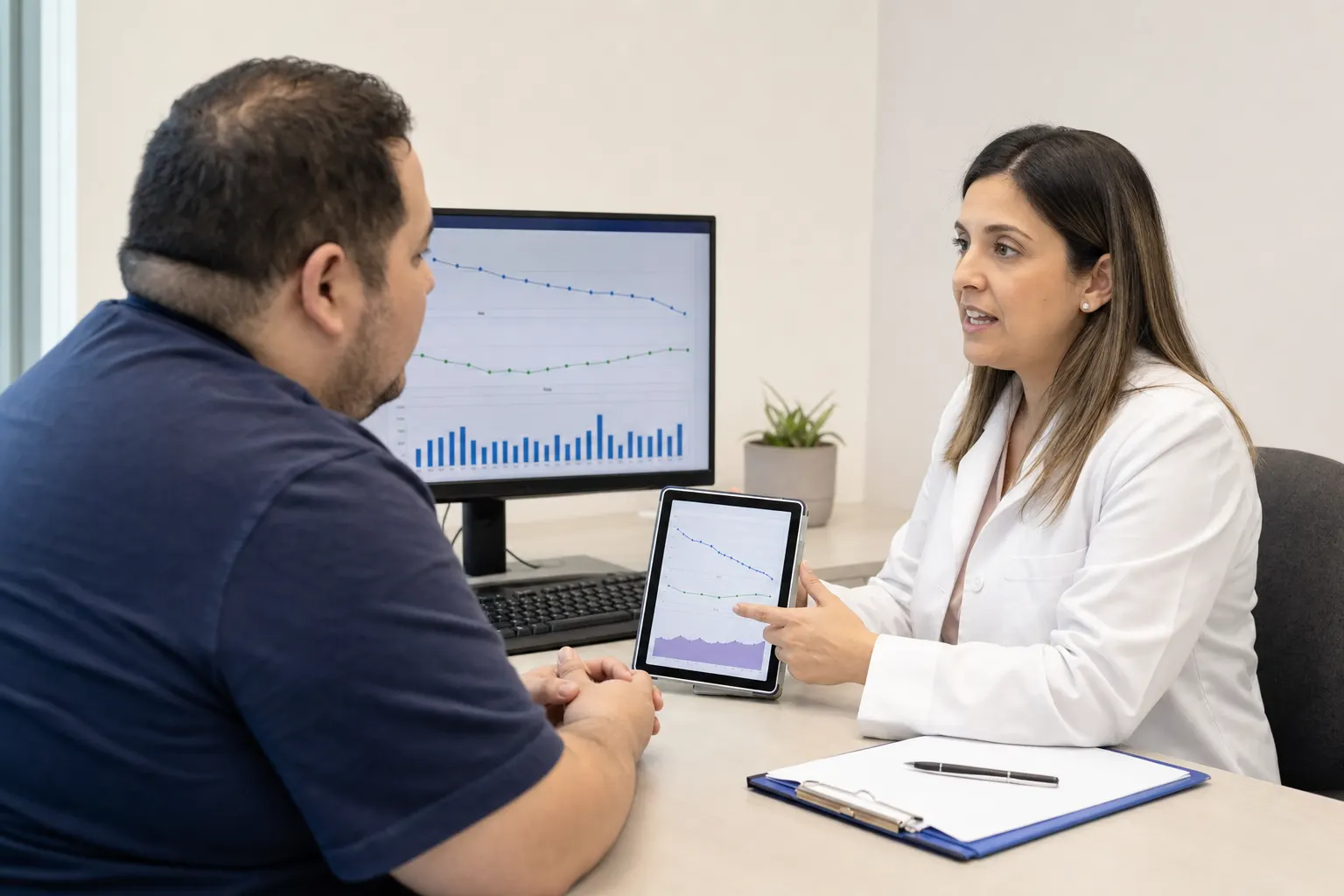
Deciding on Obesity Treatment: A Personalized Approach Tailored to Each Patient
Discover how individualized obesity treatment can transform patients' health and quality of life in Bogotá.

5 min de lectura
Publicado: 18 de septiembre de 2026 · Actualizado: 18 de septiembre de 2026
Vital Checks to Detect Obesity Complications in Early Stages
Learn about the importance of vital checks to detect obesity complications in their early stages.
5 min de lectura
Publicado: 3 de septiembre de 2026 · Actualizado: 3 de septiembre de 2026
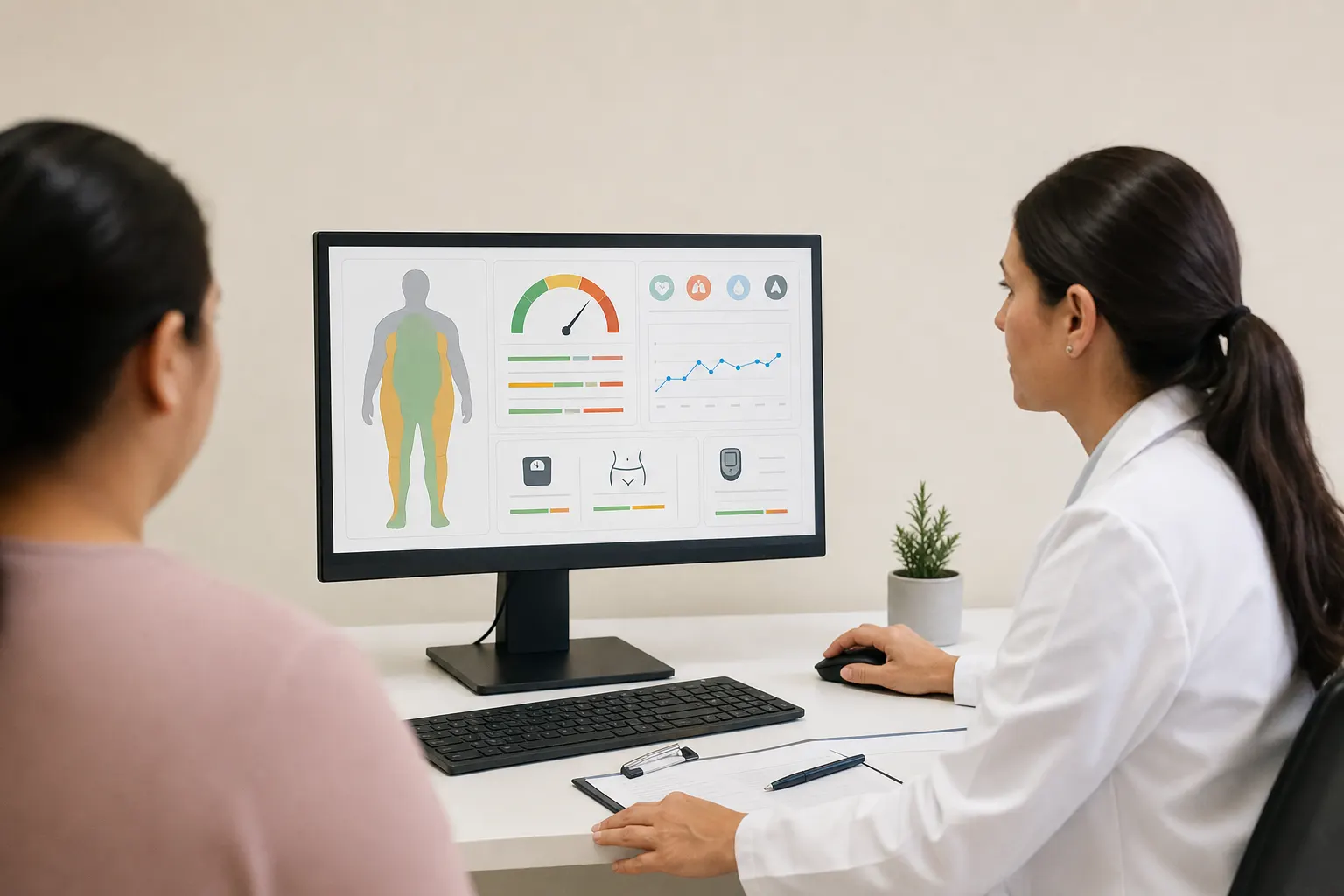
Common Mistakes and How to Prepare for Obesity Diagnostic Tests
Learn about common mistakes when preparing for obesity diagnostic tests and how to avoid them to obtain accurate results.

5 min de lectura
Publicado: 30 de agosto de 2026 · Actualizado: 30 de agosto de 2026
Habit Tracking for Obesity Management: Practical Stress-Free Strategies
Learn how habit tracking can be an effective tool for managing obesity, enabling healthy and stress-free monitoring.

5 min de lectura
Publicado: 2 de agosto de 2026 · Actualizado: 2 de agosto de 2026
Obesity Symptoms That Indicate the Need for a Medical Evaluation
Discover the obesity symptoms that may signal the need for a specialized medical evaluation. Learn when it is essential to consult an endocrinologist in Bogotá.

6 min de lectura
Publicado: 25 de agosto de 2026 · Actualizado: 25 de agosto de 2026
Obesity and Its Warning Signs: Recognizing Potential Complications
Discover the warning signs that may indicate complications associated with obesity and how to manage them appropriately.