Educational article
Deciding on Obesity Treatment: A Personalized Approach Tailored to Each Patient

Dr. Teresita Cortés Segura, medical reviewer
Author and medical review: Dra. Teresita del Niño Jesús Cortés Segura, endocrinologist.
Location: Bogotá, Colombia.
Published: September 22, 2026 · Updated: September 22, 2026 · 6 min read.
Educational content. It does not replace an individual medical assessment and should not be used for self-medication.
Definition of Obesity
Obesity is a medical condition characterized by an excess of body fat that can affect a person's overall health. It is commonly measured using the Body Mass Index (BMI), which calculates the ratio between weight and height. A BMI of 30 or higher indicates obesity, which can increase the risk of diseases such as type 2 diabetes, hypertension, and cardiovascular diseases.
Signs and Symptoms of Obesity
Symptoms of obesity may include difficulty performing daily activities, extreme fatigue, sleep apnea, and joint problems. Additionally, changes in mental health such as anxiety and depression may occur, often related to body image.
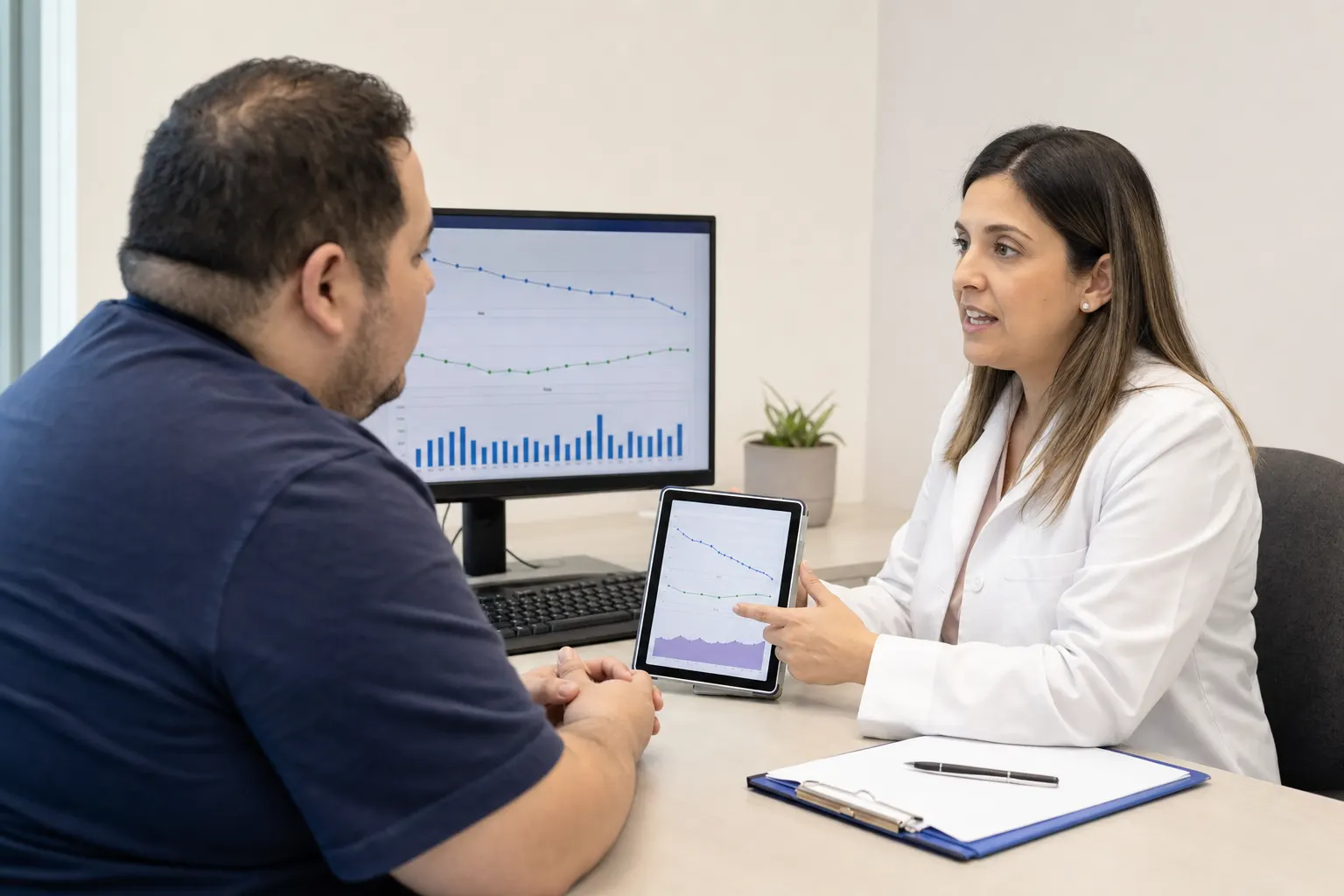
Importance of Diagnosis and Follow-Up
An accurate diagnosis of obesity should include a comprehensive medical evaluation, which may encompass blood tests, assessment of eating habits and physical activity, as well as a physical examination. Regular follow-up is crucial to monitor progress and adjust treatment as needed.
Common Mistakes in Obesity Treatment
Some common mistakes include following extreme or unsustainable diets, not seeking professional support, and setting unrealistic goals. It is essential to adopt a balanced and gradual approach that includes sustainable dietary changes and a progressive increase in physical activity.
When to Consult a Specialist
It is advisable to seek professional help if you have difficulty losing weight despite efforts, if you experience health problems related to weight, or if you feel overwhelmed by the situation. An endocrinologist can offer a comprehensive and personalized approach to address these concerns.
The Personalized Approach in Treatment
Obesity treatment should be individualized, considering factors such as genetics, lifestyle, and personal preferences. This may include a tailored nutrition plan, a specific exercise program, and psychological support. Collaboration with a multidisciplinary team is key to success.
When to seek medical care
If symptoms persist, test results are abnormal, or you have questions about medication, arrange an individual assessment. Do not change treatment or doses without medical guidance.
Frequently asked questions
What types of treatments exist for obesity?
Treatments may include dietary changes, increased physical activity, behavioral therapy, and in some cases, medications or bariatric surgery.
How is the appropriate treatment determined for each patient?
Treatment is determined through a comprehensive evaluation that considers the patient's overall health, habits, and personal goals.
Is it possible to maintain lost weight long-term?
Yes, with a sustainable approach that includes lifestyle changes and ongoing support, it is possible to maintain lost weight.
More articles about Obesidad

5 min de lectura
Publicado: 18 de septiembre de 2026 · Actualizado: 18 de septiembre de 2026
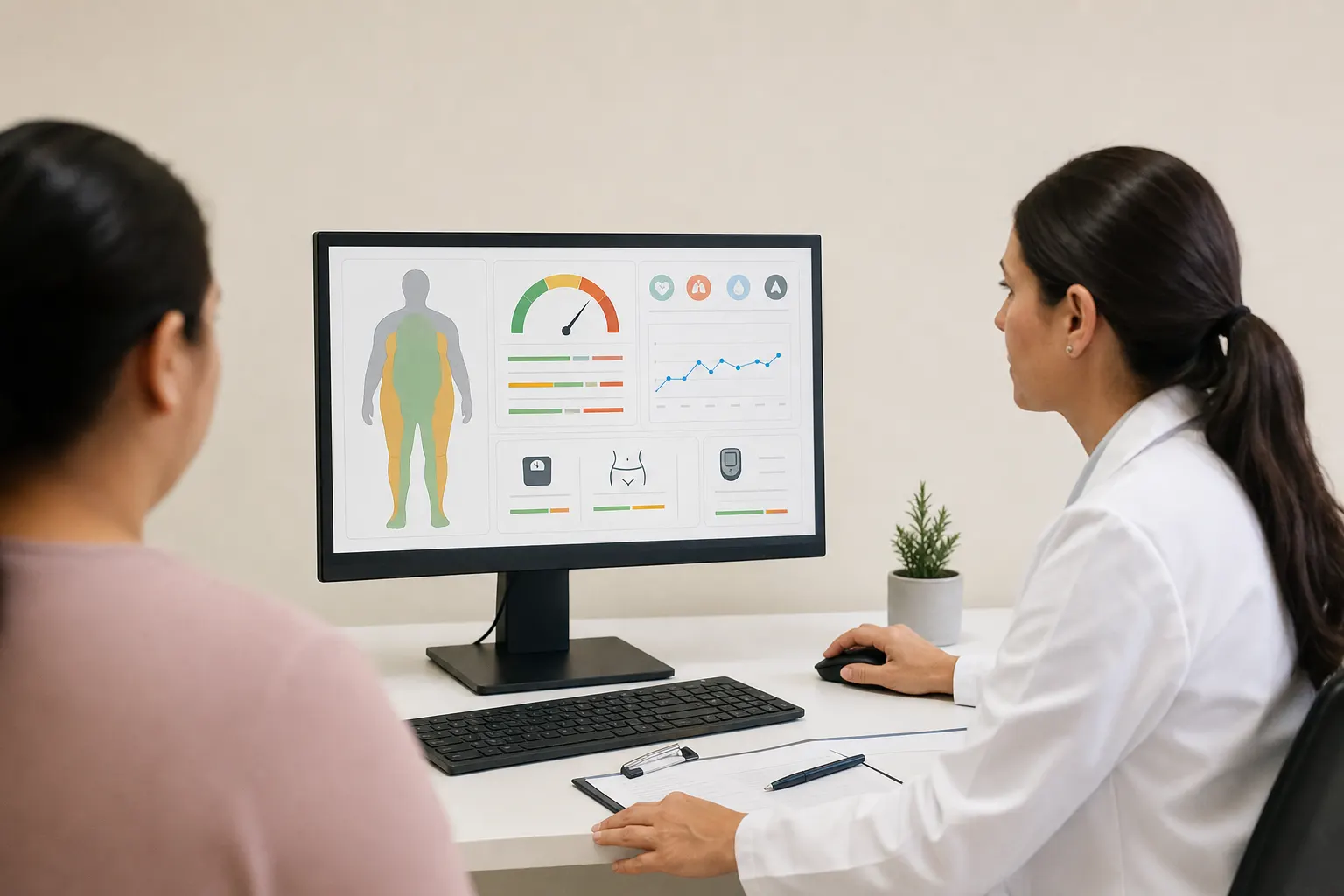
Vital Checks to Detect Obesity Complications in Early Stages
Learn about the importance of vital checks to detect obesity complications in their early stages.
5 min de lectura
Publicado: 3 de septiembre de 2026 · Actualizado: 3 de septiembre de 2026
Common Mistakes and How to Prepare for Obesity Diagnostic Tests
Learn about common mistakes when preparing for obesity diagnostic tests and how to avoid them to obtain accurate results.

5 min de lectura
Publicado: 30 de agosto de 2026 · Actualizado: 30 de agosto de 2026
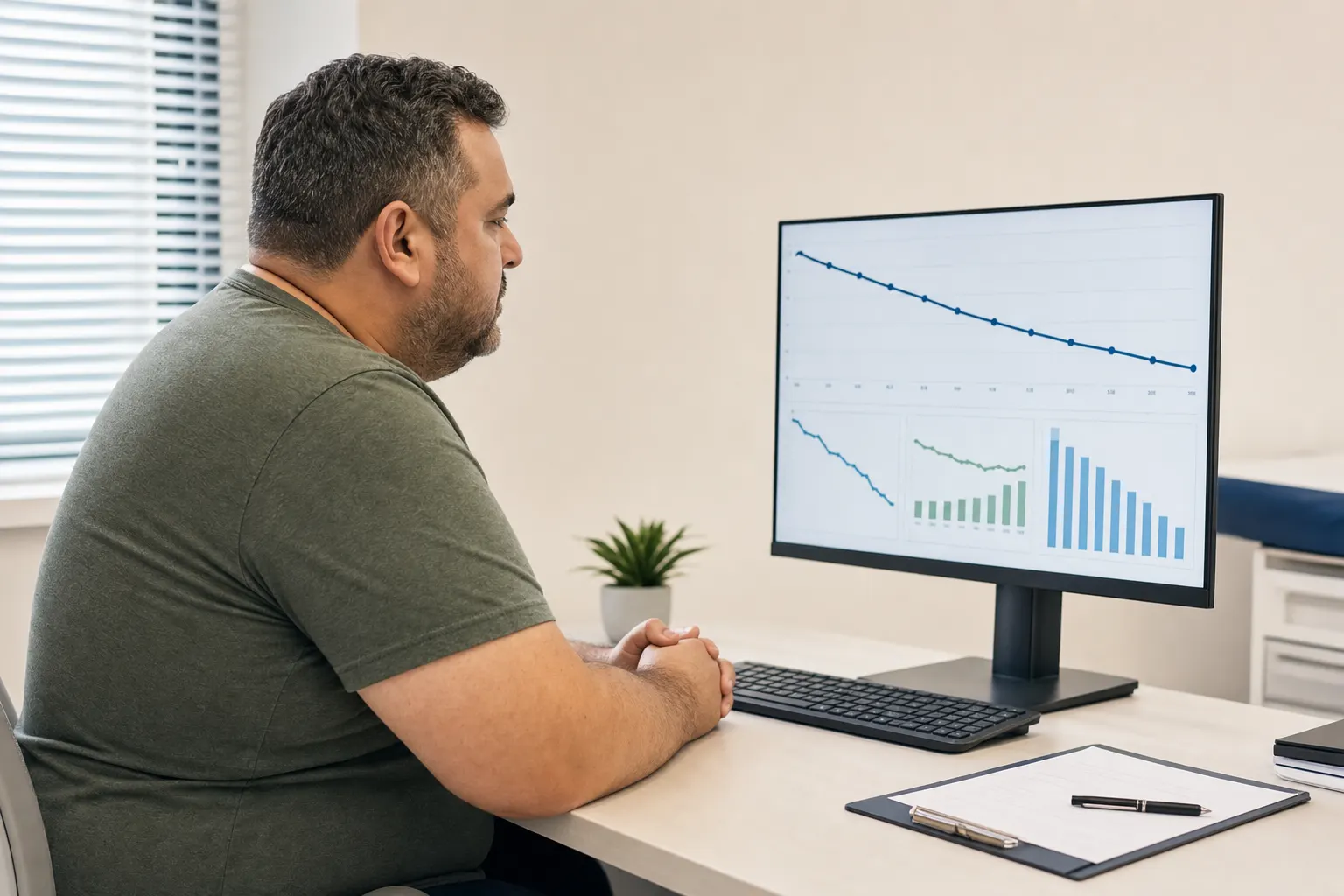
Habit Tracking for Obesity Management: Practical Stress-Free Strategies
Learn how habit tracking can be an effective tool for managing obesity, enabling healthy and stress-free monitoring.
6 min de lectura
Publicado: 18 de agosto de 2026 · Actualizado: 18 de agosto de 2026
Obesity: Effective Treatments and Realistic Expectations
Discover effective treatment options for obesity and the realistic expectations you can have throughout the process.

5 min de lectura
Publicado: 2 de agosto de 2026 · Actualizado: 2 de agosto de 2026
Obesity Symptoms That Indicate the Need for a Medical Evaluation
Discover the obesity symptoms that may signal the need for a specialized medical evaluation. Learn when it is essential to consult an endocrinologist in Bogotá.

6 min de lectura
Publicado: 25 de agosto de 2026 · Actualizado: 25 de agosto de 2026
Obesity and Its Warning Signs: Recognizing Potential Complications
Discover the warning signs that may indicate complications associated with obesity and how to manage them appropriately.