Educational article
Moving with Osteoporosis: How to Care for Your Balance and Strength While Staying Active

Educational content. It does not replace an individual medical assessment and should not be used for self-medication.
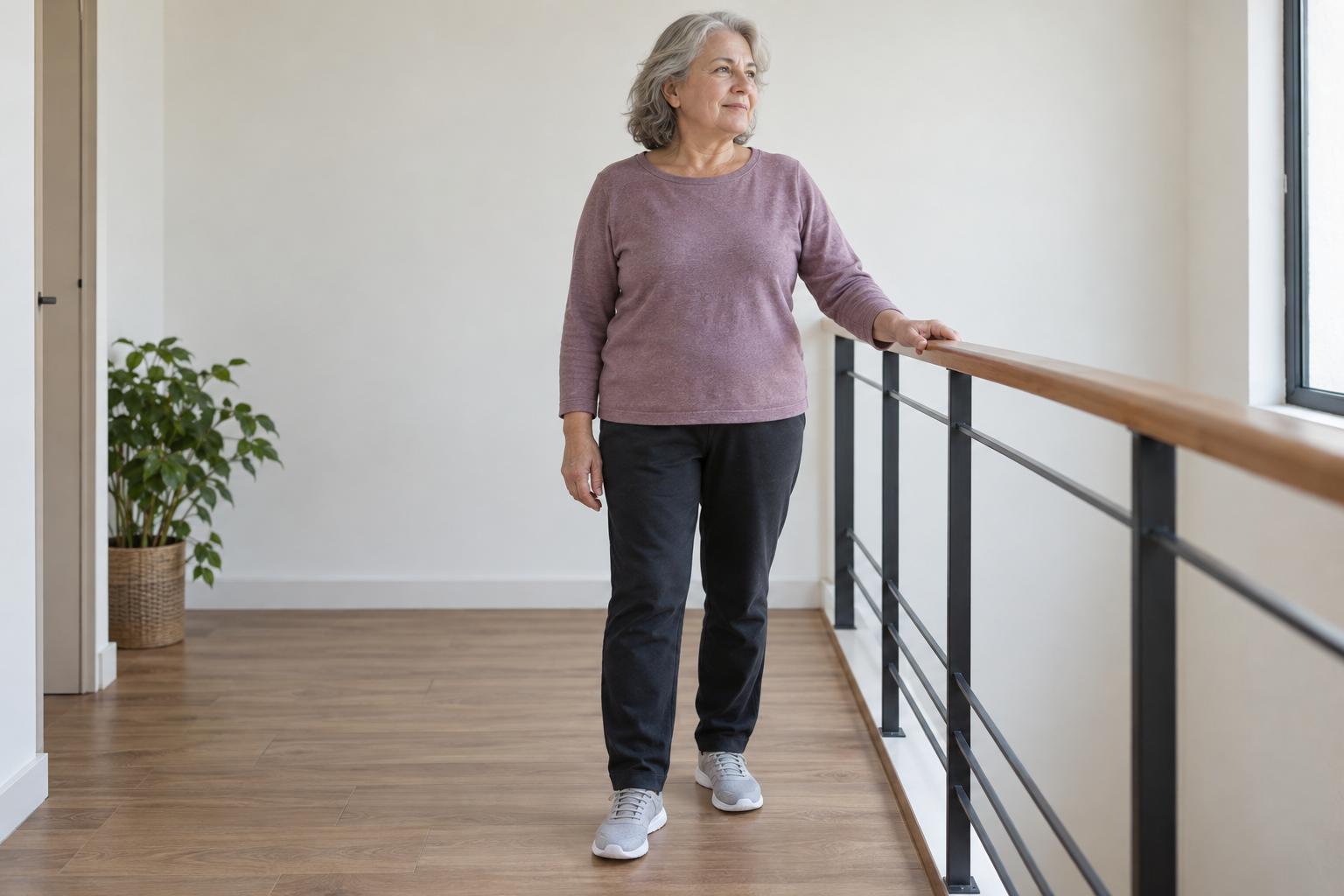
Staying active does not require a one-size-fits-all routine
A diagnosis of osteoporosis can raise questions about which movements are appropriate. Avoiding all activity can also affect strength and mobility over time. Options depend on your abilities, fracture history, health, and usual activity level. The goal is to find reasonable ways to maintain movement and seek guidance when needed.
Three components you can discuss
☐ **Weight-bearing activity:** movements in which your legs support your body weight, such as walking. The impact and conditions for doing these activities depend on each person.\n\n☐ **Strengthening:** activities that make your muscles work against resistance, which may be your own body weight or another form of resistance appropriate for you.\n\n☐ **Balance:** exercises that practice stability and body control, often near a sturdy support.\n\nEach component may offer different benefits. The right combination depends on individual health and abilities.
Start with what you already do and want to keep doing
Think about activities you enjoy or need for daily life: walking, getting around, doing everyday tasks, or taking part in a group activity. Also consider what might limit you, such as a previous fracture, an injury, fatigue, or balance difficulties. This information can help you discuss realistic options rather than starting with a routine designed for someone else.
Make gradual changes and pay attention to how you respond
If you start or modify an activity, discuss a cautious progression. Depending on your situation, this could mean gradually increasing the duration, frequency, or effort without changing everything at once. If new or persistent pain occurs, or an activity feels unsafe, pause that change and ask for guidance on how to continue. You do not need to ignore pain to stay active.
Ask which movements may need adjustments
Some high-impact activities, quick movements, or exercises involving substantial bending or twisting of the torso may need to be adapted depending on your abilities and history. This does not mean they must be avoided in every case. Discuss what you do and how you do it, especially if you have had fractures, have new pain, or face significant limitations. A health professional can assess alternatives or modifications that may be appropriate for you.
Consider support and adapted options
Walking in a familiar, uncluttered setting, practicing balance near a stable support, or doing adapted strengthening exercises may be topics to discuss. A physical therapist or another experienced professional can help assess your abilities and plan activity suited to your needs. Low impact does not mean an activity is appropriate for everyone: your clinical situation and how you perform it also matter.
Prepare questions to get guidance
☐ Have I had fractures or injuries that should be taken into account?\n\n☐ Do I have new pain, balance difficulties, or another significant limitation?\n\n☐ What activities do I do, and which ones do I want to keep doing?\n\n☐ Which movements, impact level, or load should be adapted in my case?\n\n☐ Would a physical therapy assessment or help learning how to do an activity be useful to me?\n\nYou can bring these questions to your endocrinology appointment or to a professional who can assess your movement. This guide is educational and does not replace an individual assessment.
Review the plan when your needs change
Agree on how to assess whether the activity remains appropriate if your abilities change, discomfort develops, or you want to increase the challenge. The plan may need adjustments. Physical activity can be part of osteoporosis care, but it does not replace other aspects of care or guarantee that fractures will be prevented on its own.
When to seek medical care
If symptoms persist, test results are abnormal, or you have questions about medication, arrange an individual assessment. Do not change treatment or doses without medical guidance.
Frequently asked questions
Should I avoid exercise if I have osteoporosis?
Not necessarily. Inactivity can also affect strength and mobility, but appropriate activity depends on your history, abilities, and health. Ask for guidance before starting or changing a routine if you have had fractures, have new pain, or face significant limitations.
Is walking enough to work on balance and strength?
Walking is a weight-bearing activity, but it may not address every component on its own, such as strengthening and balance. Discuss what combination may suit your needs.
Do I need professional support to choose an activity?
It may be especially helpful if you have a history of fractures, feel unsteady when moving, have new pain, or face significant limitations. A professional can assess your situation and guide adaptations rather than applying the same routine to everyone.
Does this topic resonate with you?
Every case is different. Book a consultation to review your history, test results and goals with a personalized plan.
More articles about Osteoporosis
5 min de lectura
Publicado: 6 de noviembre de 2026 · Actualizado: 6 de noviembre de 2026
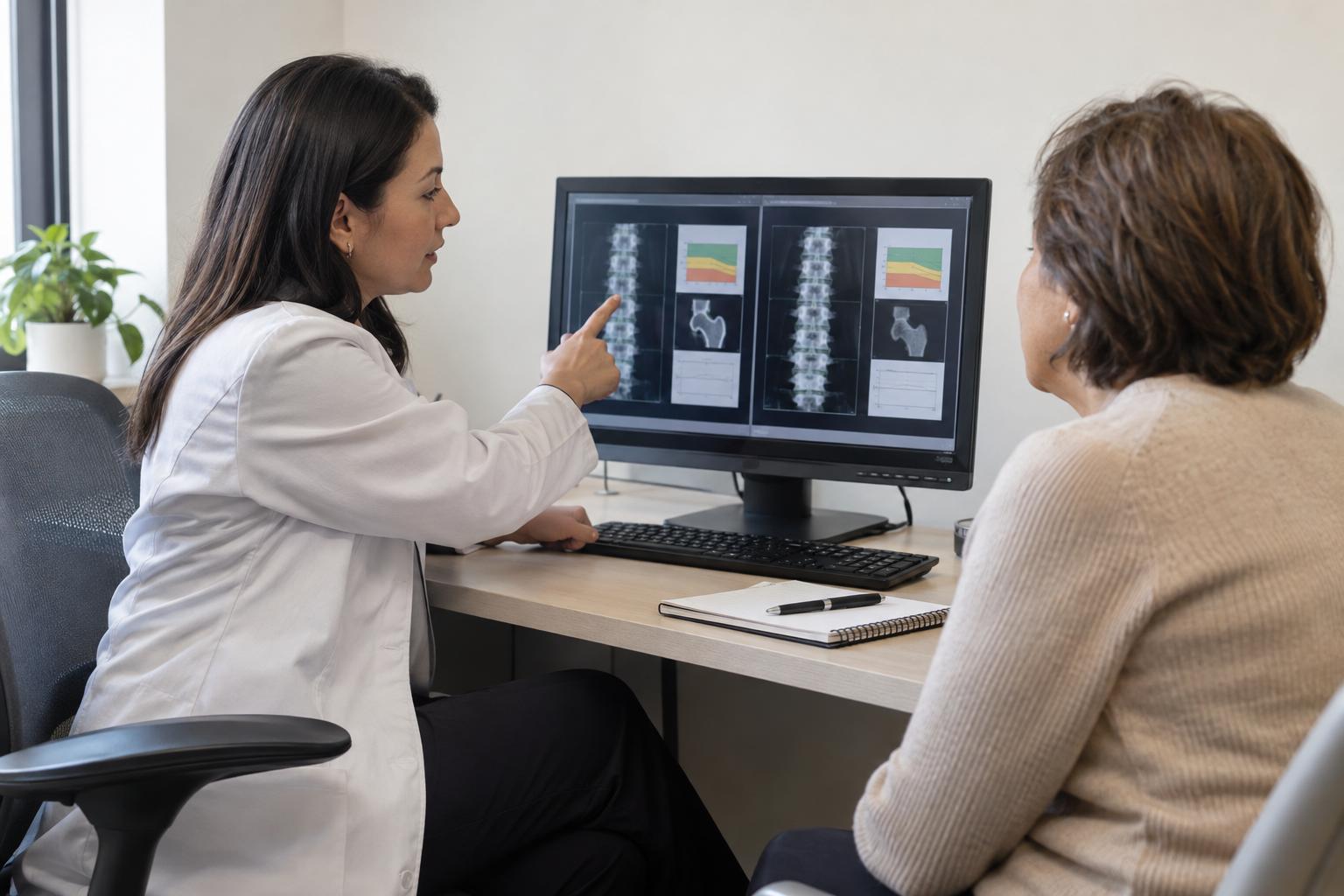
Osteoporosis Treatment: How to Measure Progress Beyond Bone Density Scans
The response to osteoporosis treatment is not usually something you can feel day to day. Learn how fractures, adherence to the treatment plan, and bone density scans are interpreted to assess risk and decide on next steps.

5 min de lectura
Publicado: 2 de noviembre de 2026 · Actualizado: 2 de noviembre de 2026
Osteoporosis and Travel: Plan Your Checkups and Care Before You Leave
Review what to coordinate before traveling if you have osteoporosis: upcoming checkups, prescribed medications, instructions for the journey, and what to do if you fall.
5 min de lectura
Publicado: 30 de octubre de 2026 · Actualizado: 30 de octubre de 2026
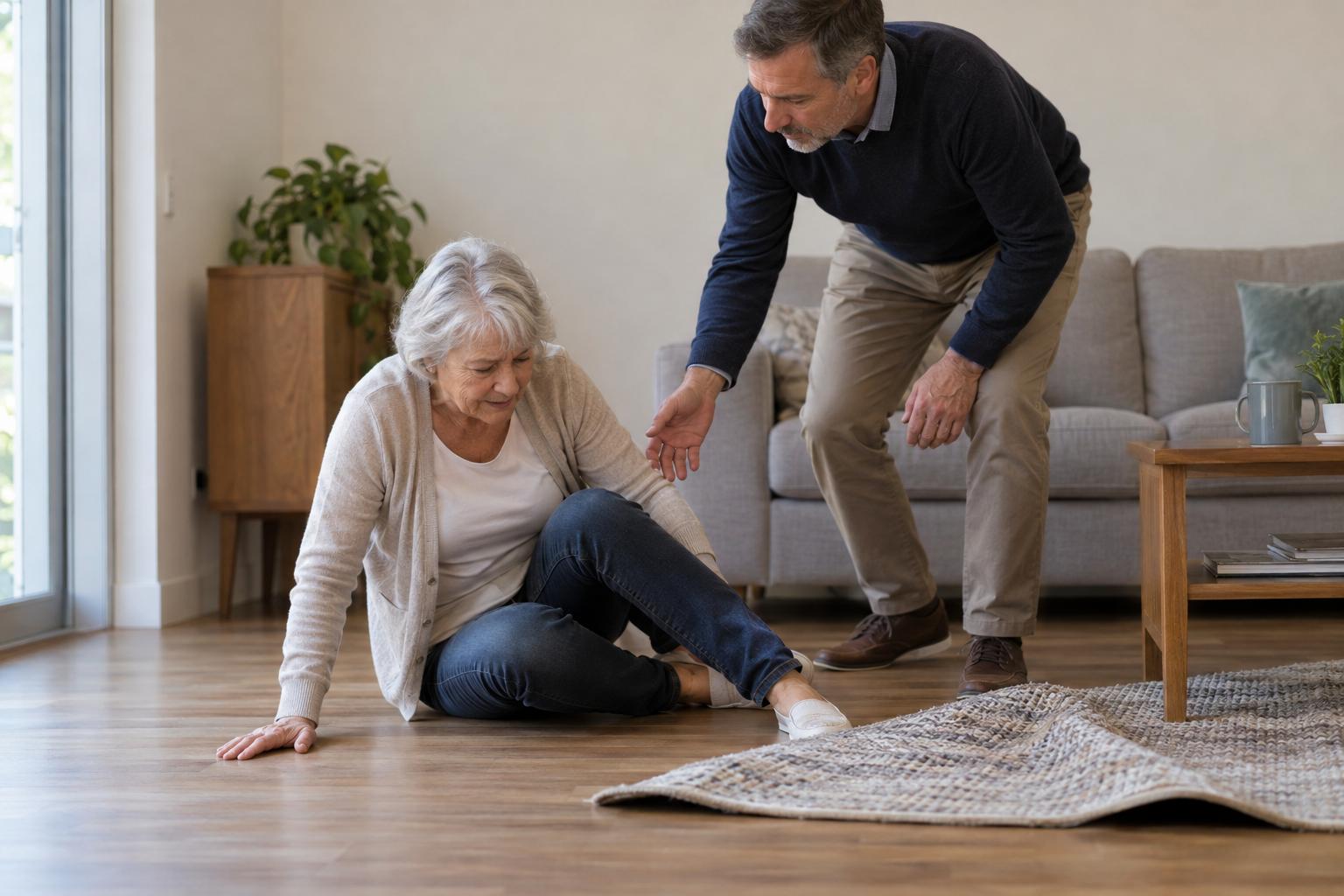
From Fragile Bones to Fracture: What Predisposes You and What Can Trigger It
A fall can precipitate a fracture, but it usually does not explain preexisting bone fragility on its own. Learn about factors that may predispose someone to osteoporosis and how bone health is evaluated after a fracture.
5 min de lectura
Publicado: 2 de octubre de 2026 · Actualizado: 2 de octubre de 2026
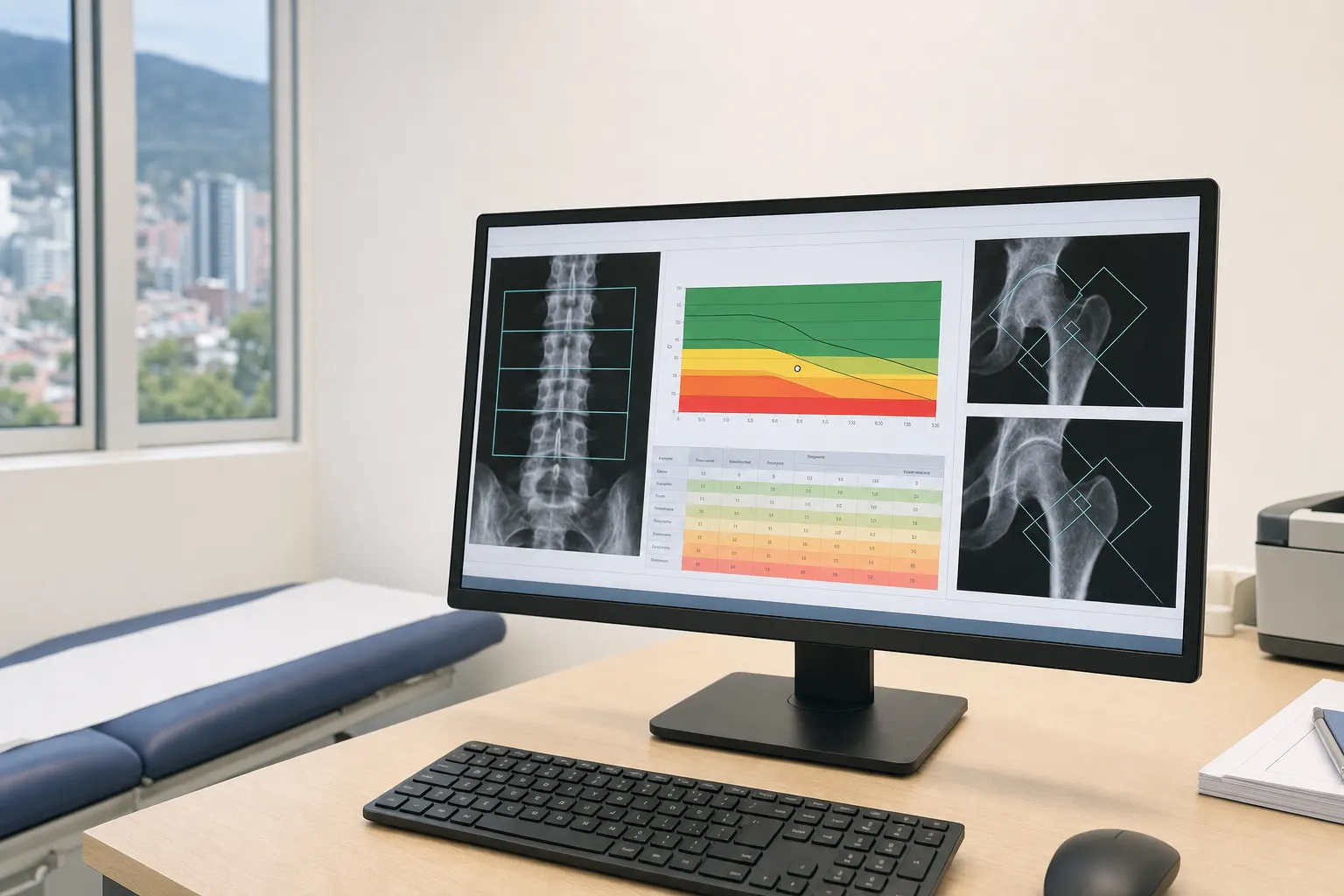
Key Factors for Diagnosing Osteoporosis: Personal History and Essential Data
Analyzes the personal history and essential data for an accurate diagnosis of osteoporosis in Bogotá.
5 min de lectura
Publicado: 28 de septiembre de 2026 · Actualizado: 28 de septiembre de 2026
Osteoporosis and Sudden Back Pain: When to Suspect a Vertebral Fracture
In people with osteoporosis, new back pain or a gradual decrease in height warrants clinical evaluation; these changes alone do not confirm a vertebral fracture.
5 min de lectura
Publicado: 28 de septiembre de 2026 · Actualizado: 28 de septiembre de 2026
Osteoporosis: Signs You Should Watch For Before Consulting a Specialist
Discover the signs and symptoms of osteoporosis you should watch for to seek medical help in time.