Educational article
Osteoporosis: Signs You Should Watch For Before Consulting a Specialist

Dr. Teresita Cortés Segura, medical reviewer
Author and medical review: Dra. Teresita del Niño Jesús Cortés Segura, endocrinologist.
Location: Bogotá, Colombia.
Published: September 28, 2026 · Updated: September 28, 2026 · 5 min read.
Educational content. It does not replace an individual medical assessment and should not be used for self-medication.
What is osteoporosis?
Osteoporosis is a disease that weakens bones, making them more prone to fractures. It is often a silent condition that does not present obvious symptoms until a fracture occurs. Bone mass loss can be gradual and is associated with age, menopause in women, and risk factors such as lack of calcium and vitamin D.
Signs and symptoms of osteoporosis
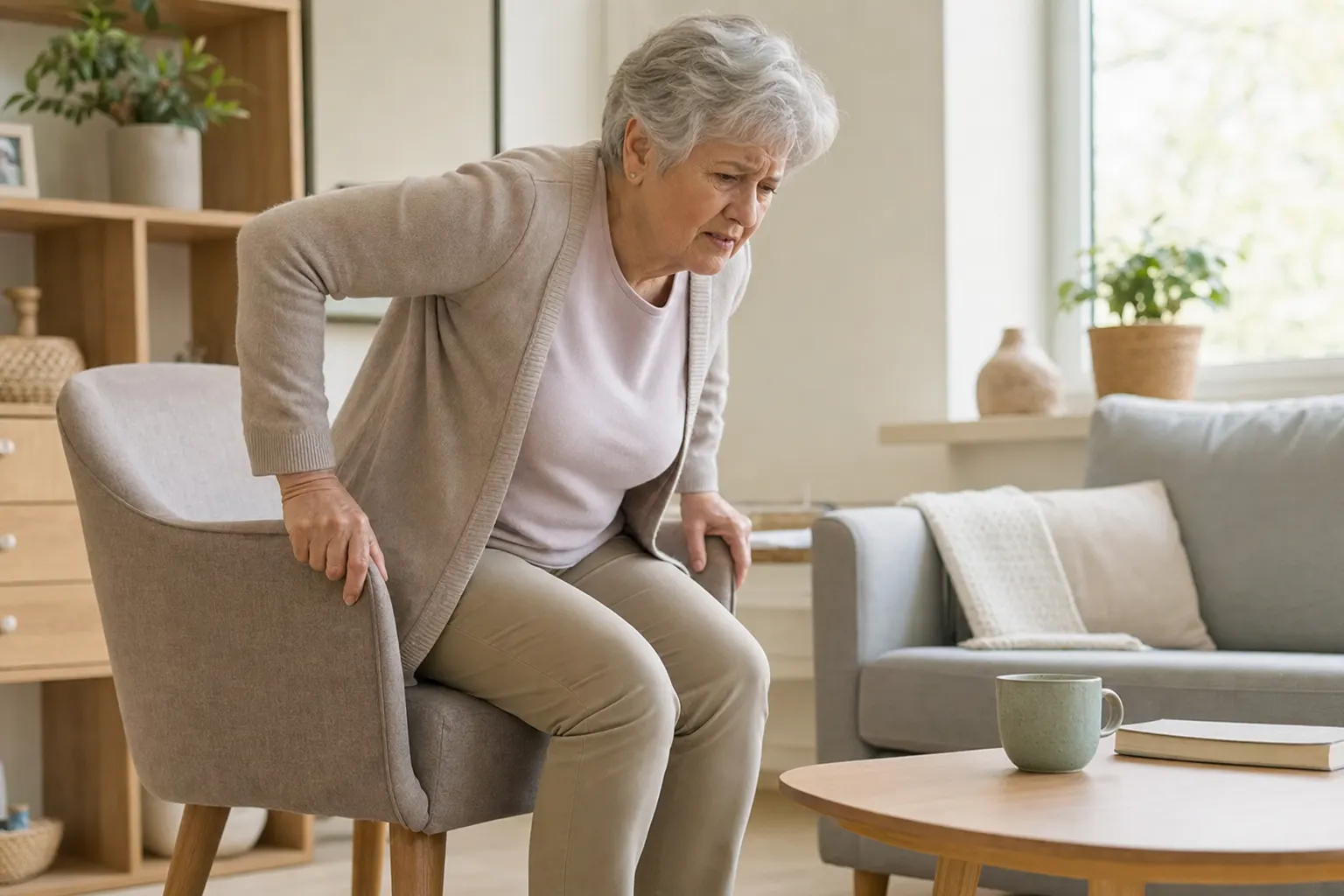
Below are some signs and symptoms that may indicate the presence of osteoporosis: 1. **Frequent fractures**: A clear sign of osteoporosis is the occurrence of fractures in situations that normally would not cause injury, such as minor falls. 2. **Back pain**: Chronic back pain, especially in the lower back area, can be a symptom of vertebral fractures due to bone weakness. 3. **Loss of height**: If you notice you have lost height over time, this may indicate compression of the vertebrae, a common effect of osteoporosis. 4. **Stooped posture**: A stooped posture or a hump in the upper back can be a sign of fractures in the spinal column.
How is osteoporosis diagnosed?
The diagnosis of osteoporosis is made through a combination of clinical evaluation, medical history, and tests such as bone densitometry, which measures bone mineral density and helps determine fracture risk.
Common mistakes when observing symptoms
It is common to confuse osteoporosis symptoms with normal aging. Some people may attribute back pain or height loss to age without considering they could be signs of osteoporosis. It is important not to ignore these symptoms and to seek medical evaluation.
When to consult a specialist?
It is advisable to consult an endocrinology specialist if you experience any of the following symptoms: - Frequent or unusual fractures. - Persistent back pain. - Changes in posture or loss of height. Early diagnosis can help prevent complications and improve quality of life.
Importance of prevention
Osteoporosis is a condition that can be prevented in many cases. Maintaining a diet rich in calcium and vitamin D, exercising regularly, and avoiding smoking are effective measures to strengthen bones.
When to seek medical care
If symptoms persist, test results are abnormal, or you have questions about medication, arrange an individual assessment. Do not change treatment or doses without medical guidance.
Frequently asked questions
Does osteoporosis have visible symptoms?
Osteoporosis generally does not present visible symptoms until a fracture occurs. However, back pain and loss of height can be warning signs.
What tests are used to diagnose osteoporosis?
Bone densitometry is the most common test to diagnose osteoporosis, as it measures bone mineral density.
Is it possible to prevent osteoporosis?
Yes, maintaining a proper diet, exercising, and avoiding harmful habits like smoking can help prevent osteoporosis.
More articles about Osteoporosis
5 min de lectura
Publicado: 24 de septiembre de 2026 · Actualizado: 24 de septiembre de 2026
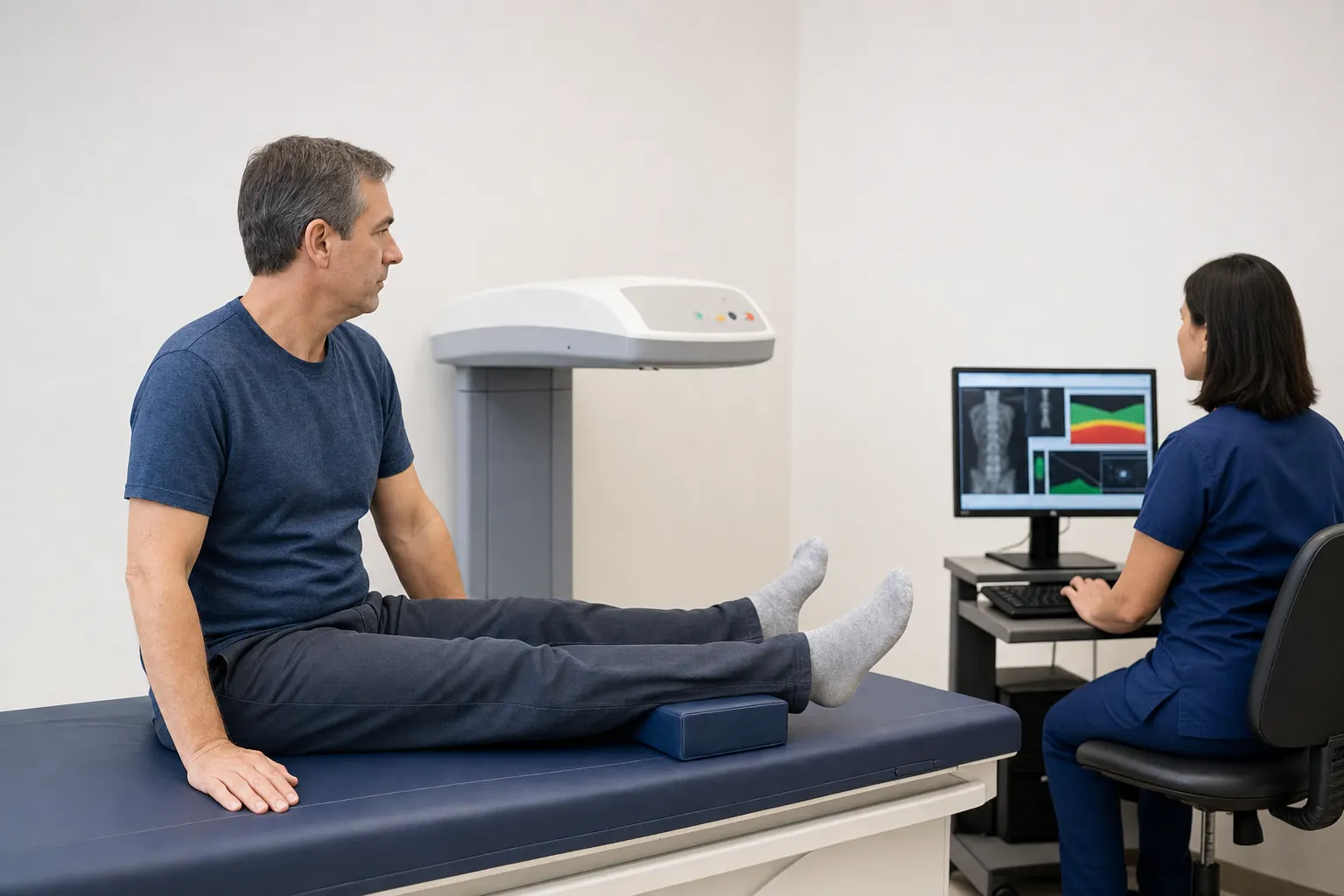
Common Mistakes When Preparing for Bone Densitometry Exams
Discover the most common mistakes when preparing for bone densitometry exams and how to avoid them to ensure accurate and reliable results.

5 min de lectura
Publicado: 18 de septiembre de 2026 · Actualizado: 18 de septiembre de 2026
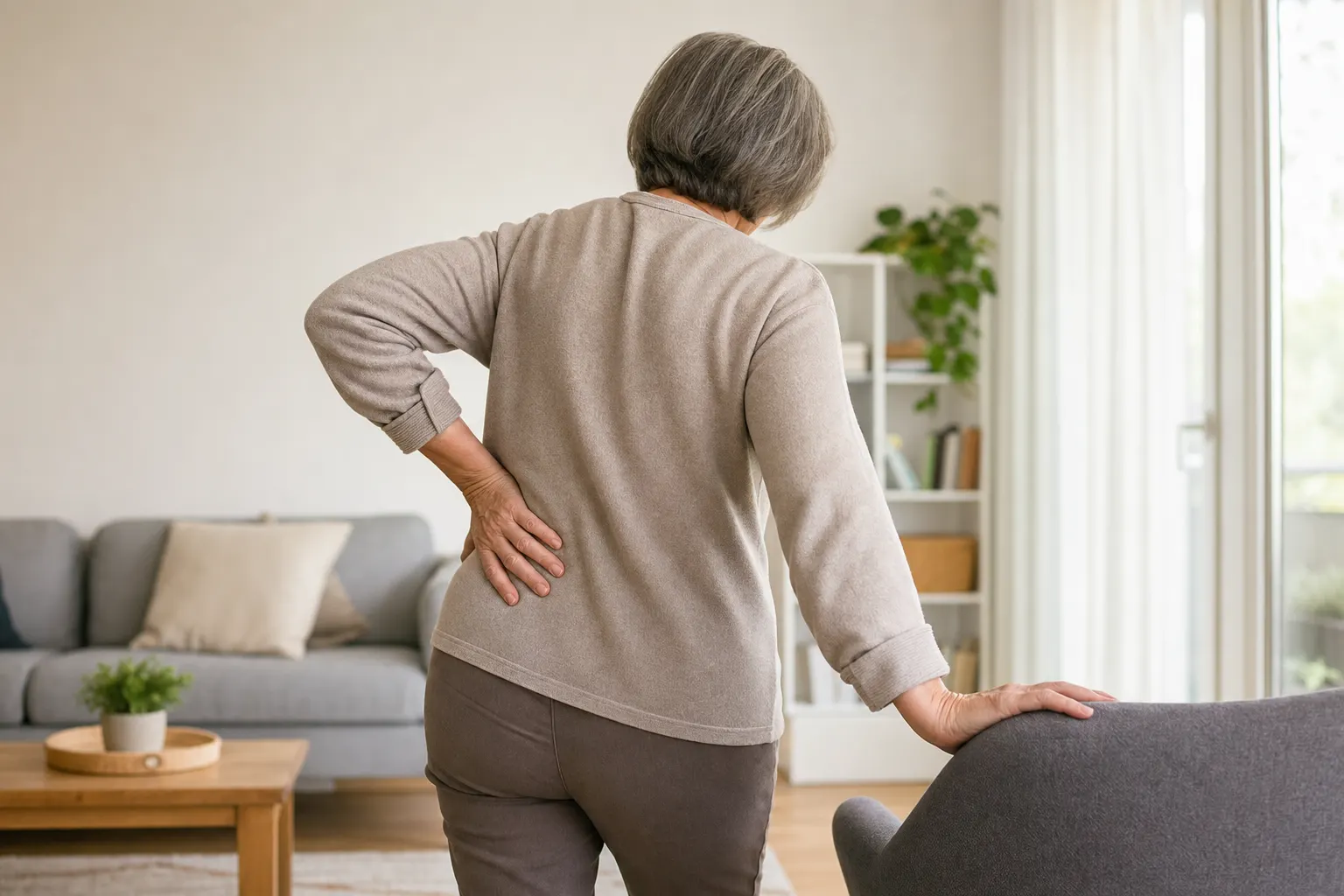
Osteoporosis: Subtle Symptoms That May Go Unnoticed and When to Seek Urgent Care
Discover the subtle symptoms of osteoporosis that can be overlooked and when it is necessary to seek medical attention.
8 min de lectura
Publicado: 14 de septiembre de 2026 · Actualizado: 14 de septiembre de 2026
Essential Screenings to Identify Osteoporosis Complications in Early Stages
Learn about the importance of early detection of osteoporosis complications and the essential screenings for their identification.

5 min de lectura
Publicado: 3 de septiembre de 2026 · Actualizado: 3 de septiembre de 2026
Osteoporosis: Common Treatment Mistakes and How to Implement Safe Strategies
Learn about common mistakes in osteoporosis treatment and how to implement safe management strategies.

5 min de lectura
Publicado: 24 de agosto de 2026 · Actualizado: 24 de agosto de 2026
Osteoporosis: Establishing a Plan for Sustainable Habits and Personalized Follow-Up
Discover how to establish sustainable habits and personalized follow-up to effectively manage osteoporosis.
5 min de lectura
Publicado: 21 de septiembre de 2026 · Actualizado: 21 de septiembre de 2026
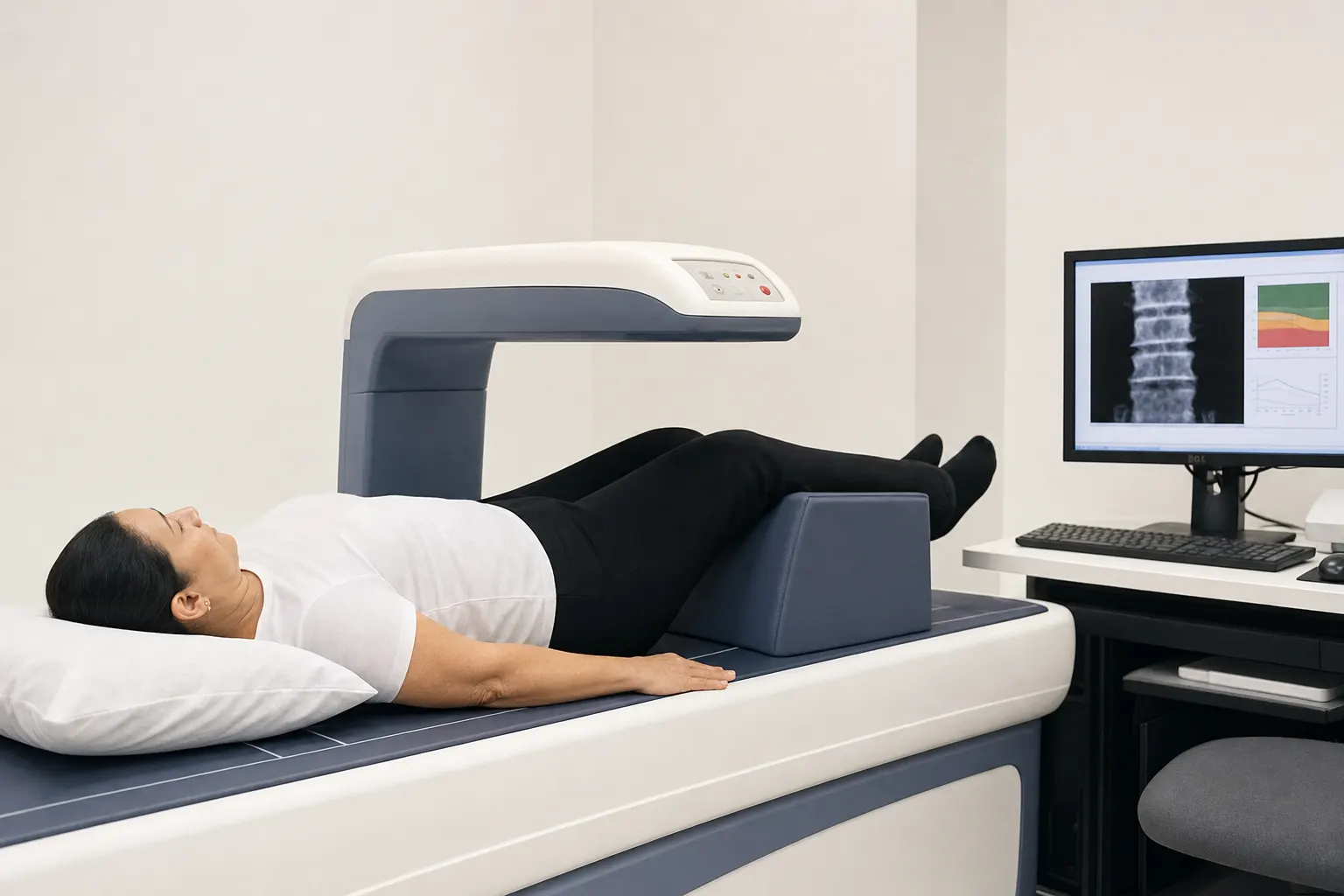
Osteoporosis: Diagnostic Methods and Essential Exams for Your Bone Health in Bogotá
Learn about the diagnostic methods for osteoporosis and how to care for your bone health in Bogotá, including essential exams like bone densitometry.