Educational article
Cycles, Acne, and Fertility: What to Share If You’re Seeking Care for PCOS

Educational content. It does not replace an individual medical assessment and should not be used for self-medication.

What should I share at an appointment about possible PCOS?
If you have irregular periods, persistent acne, changes in hair growth, or reproductive concerns, it may be helpful to summarize what you have noticed, when it started, and how it has changed. You do not need to arrive with perfect answers or a self-diagnosis: your observations and approximate dates are a starting point.
What menstrual history can I mention?
If you remember, share approximately how old you were when you had your first period and what your cycles have been like since then. Describe whether the pattern has changed and whether there were times when you did not menstruate. You do not need to reconstruct every date; a general overview also provides context.
How can I summarize my cycle pattern?
If you can, write down the approximate dates when each period began and how much time passed between periods. Include any periods without menstruation that you remember and when they occurred. You can use a planner, calendar, or personal record you already keep; you do not need a special app.
What should I share about acne, hair growth, or hair loss?
Mention whether you have had persistent acne, increased hair growth in areas where you had not noticed it before, or hair loss. Explain when these changes appeared and whether they have changed over time. This information helps provide context for the evaluation, but it does not confirm PCOS on its own.
Should I discuss pregnancy or fertility?
If it is relevant to you, you can share your pregnancy history, whether you have been trying to become pregnant and for how long, or whether you have received fertility-related treatment. You can also clarify that you are not trying to become pregnant. The conversation can cover different aspects of your health, not just fertility.
One symptom alone does not confirm PCOS
Irregular periods, acne, increased hair growth, hair loss, or difficulty conceiving may help guide an evaluation, but none establishes the diagnosis on its own. A healthcare professional interprets your history along with the assessment appropriate for each person.
How can I prepare without making an endless list?
You can bring a brief summary of your cycle pattern, the changes you have noticed, and the questions you want answered. Add reproductive history if it is relevant. Use approximate dates, and if you do not remember something, it is better to say so than to fill in the information yourself.
When should I seek an evaluation?
If changes in your periods, acne, or other signs concern you, or you have questions about your reproductive health, you can discuss them with a healthcare professional. If you go several months without a period and do not know why, mention it so they can guide you based on your situation. This guide does not replace a consultation or provide a diagnosis.
When to seek medical care
If symptoms persist, test results are abnormal, or you have questions about medication, arrange an individual assessment. Do not change treatment or doses without medical guidance.
Frequently asked questions
Do I need to keep a perfect record of my cycles?
No. Approximate dates and a general description of the pattern can also help. You can bring any records you already have in a planner or calendar.
Do acne or irregular periods mean I have PCOS?
Not necessarily. They may provide information for an evaluation, but they do not confirm the syndrome on their own.
Should I mention that I am not trying to become pregnant?
If it is relevant to your situation, yes. A conversation about possible PCOS symptoms is not limited to people trying to become pregnant; sharing your goals helps provide context.
Does this topic resonate with you?
Every case is different. Book a consultation to review your history, test results and goals with a personalized plan.
More articles about Polycystic ovary syndrome (PCOS)

5 min de lectura
Publicado: 12 de noviembre de 2026 · Actualizado: 12 de noviembre de 2026
PCOS in the Family: What Family History Suggests—and What It Cannot Predict
Polycystic ovary syndrome can affect more than one person in a family. Knowing about a family history provides context, but it does not confirm a diagnosis or predict who will have PCOS.

6 min de lectura
Publicado: 30 de octubre de 2026 · Actualizado: 30 de octubre de 2026
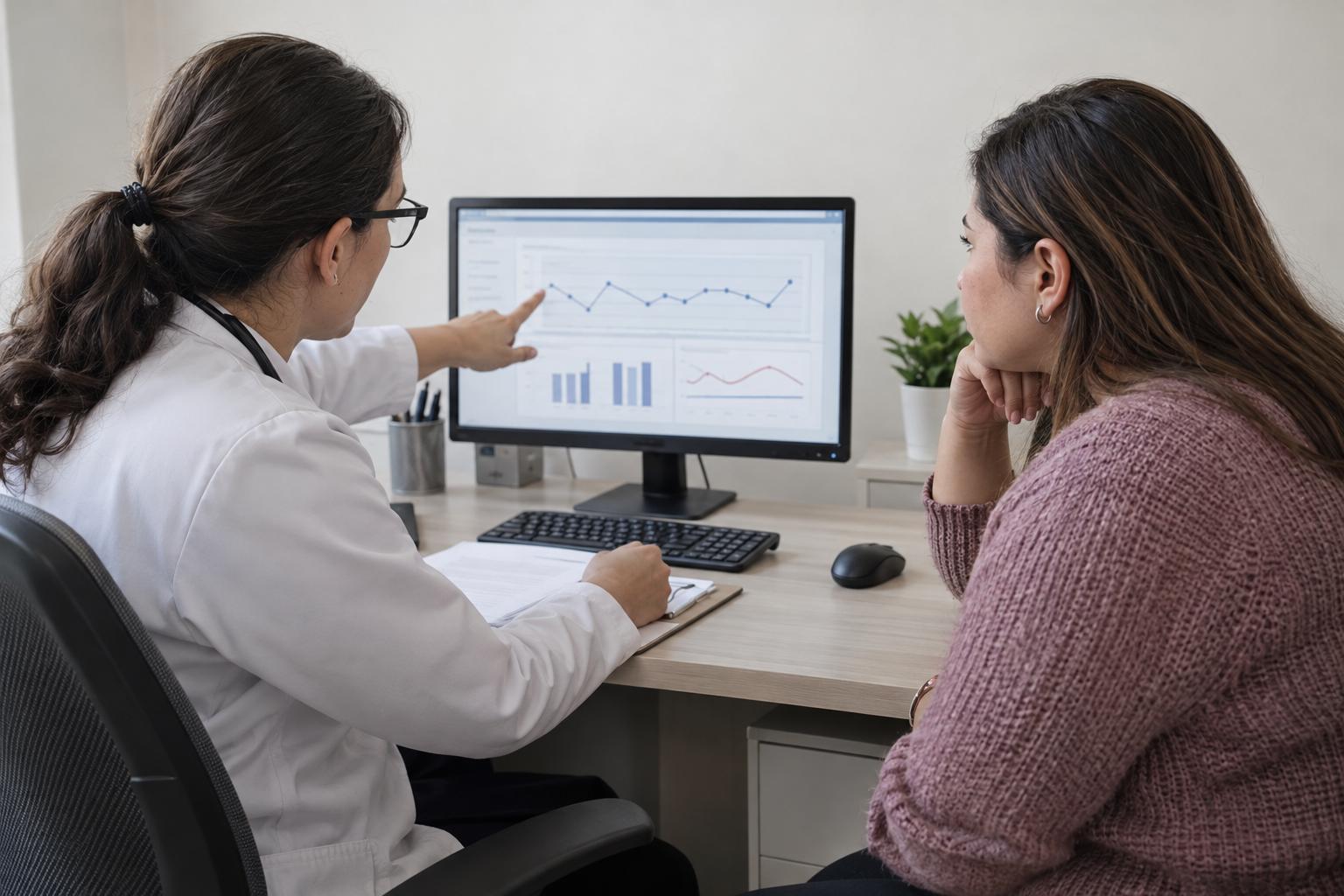
Irregular Periods and New Acne or Hair Growth: What Else Is Evaluated Before Diagnosing PCOS
Unpredictable cycles and certain persistent changes in the skin or hair may prompt an evaluation, but they do not confirm PCOS. Learn what information is considered and why other causes may be reviewed.
6 min de lectura
Publicado: 29 de octubre de 2026 · Actualizado: 29 de octubre de 2026
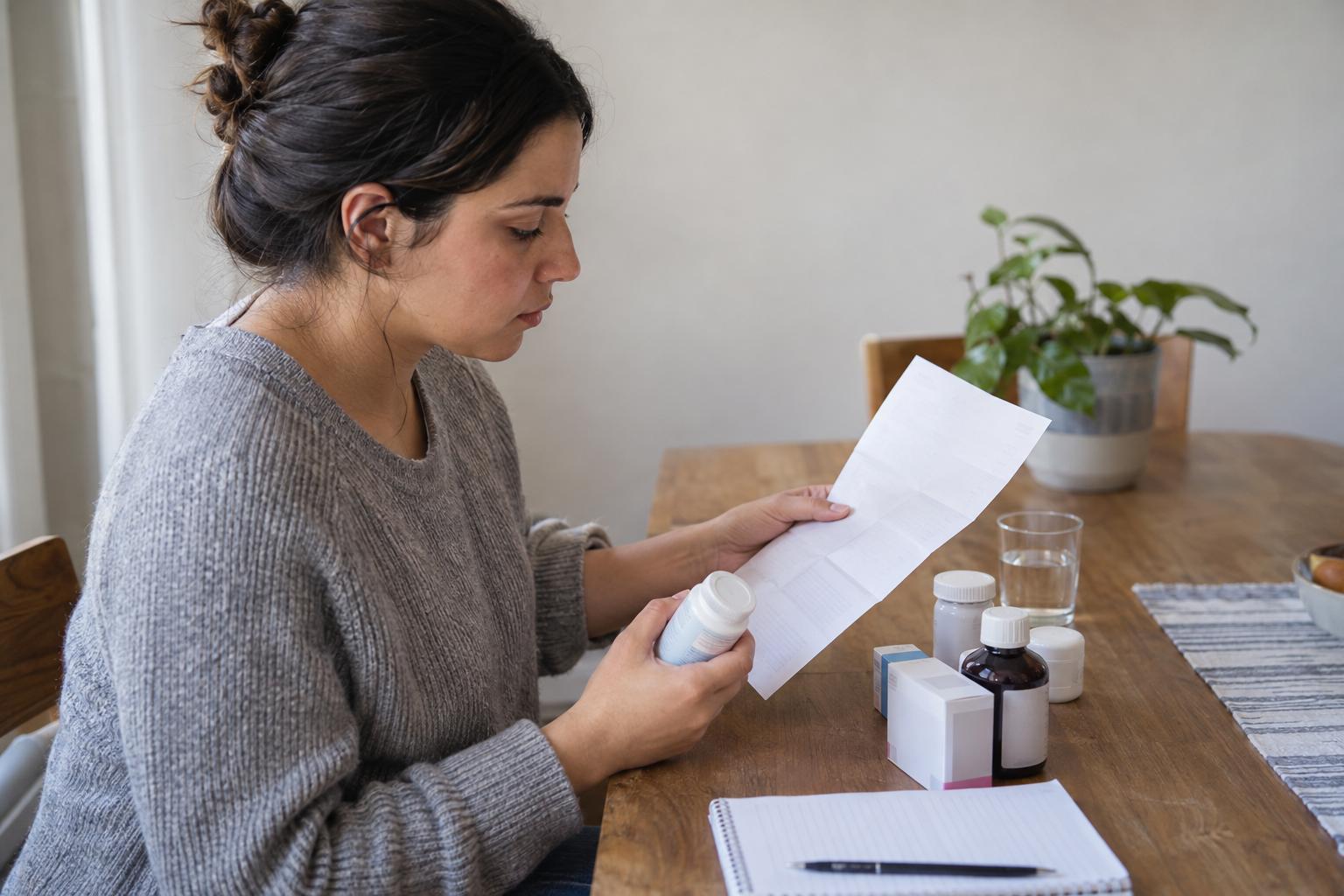
PCOS and Metabolic Health: What May Influence Treatment Choices
Learn how symptoms, medical history, and certain health results may guide the evaluation and follow-up of polycystic ovary syndrome (PCOS), without reducing health to weight.
5 min de lectura
Publicado: 22 de octubre de 2026 · Actualizado: 22 de octubre de 2026
PCOS and Acute Illness: Which Follow-Up Visits Can Wait and Which Cannot
A significant infection or hospitalization can temporarily affect follow-up for polycystic ovary syndrome. Learn what to ask about appointments, tests, and medications before changing your care plan.

5 min de lectura
Publicado: 18 de octubre de 2026 · Actualizado: 18 de octubre de 2026
PCOS and Everyday Movement: Find an Option You Can Stick With
Ideas for adding everyday movement if you have PCOS, with gradual options suited to your preferences, abilities, and routine.

5 min de lectura
Publicado: 22 de septiembre de 2026 · Actualizado: 22 de septiembre de 2026
Subtle Symptoms of Polycystic Ovary Syndrome: When Is It Time to Consult a Doctor?
Explore the less common symptoms of polycystic ovary syndrome and when it is crucial to seek medical care.