Educational article
Polycystic Ovary Syndrome: The Role of Family History

Educational content. It does not replace an individual medical assessment and should not be used for self-medication.
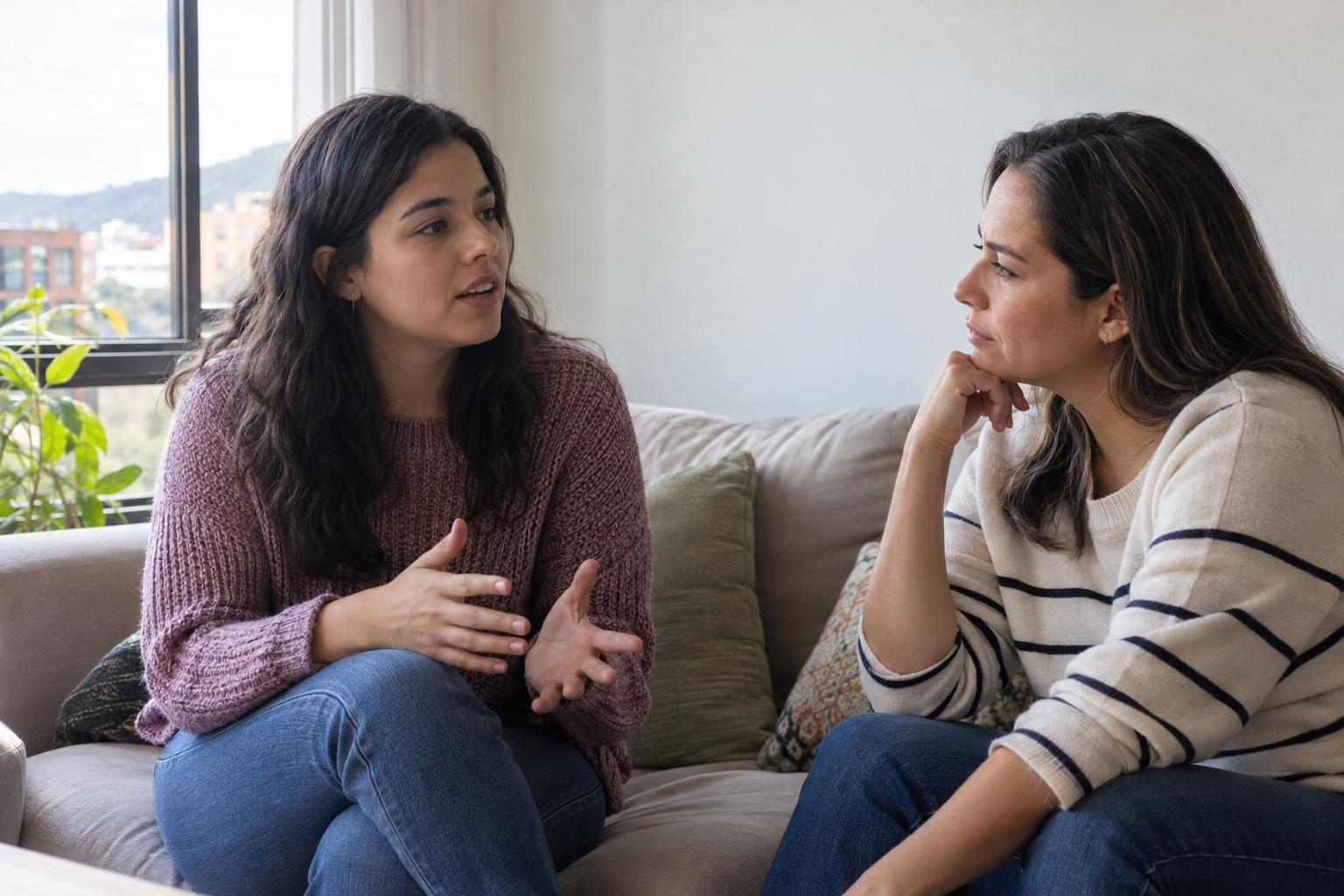
Family history can provide context, but it cannot predict who will develop PCOS
Polycystic ovary syndrome (PCOS) can occur in more than one person in the same family. This suggests there may be a familial predisposition, but there is no simple inheritance rule that can predict who will develop the condition. Having a family member with PCOS does not confirm that you or another family member has it.
What family information you can share
If you plan to discuss this during an evaluation, write down what you know: whether any family member received a PCOS diagnosis, how that person is related to you, and whether other people have said that they often have very irregular cycles or received clinical information about androgens. You do not need to obtain private information that a family member does not want to share.
Distinguish diagnoses from accounts or symptoms
A PCOS diagnosis communicated by a health professional is not the same as a description such as “she always had irregular cycles” or “she was told her androgens were high.” These accounts can provide context, but they cannot diagnose that person or confirm PCOS on their own. Write down only what you have been told or clearly remember; if you do not know the exact diagnosis or whether an evaluation took place, say so.
PCOS is not explained by a single family-history detail
The development of PCOS is complex and is not attributed to a single cause. Family history is only one part of the context: by itself, it does not determine a diagnosis or explain every case. An evaluation considers each person's clinical situation.
How to bring it up during an evaluation
You could say: “My sister was diagnosed with PCOS” or “My mom tells me she had irregular cycles, but I don’t know whether she received a diagnosis.” If you are concerned about another family member, share what you have observed as family history, not as a conclusion. The health professional will consider that information alongside the personal information of the person seeking care.
An example of how to communicate it
You can distinguish between two accounts: “My aunt received a PCOS diagnosis” and “another family member talked about irregular periods, but I don’t know whether she was evaluated.” Presenting them separately helps avoid confusing a known diagnosis with reported symptoms.
What to do with this information
Bring your questions and the family-history information you were able to gather to an evaluation with a health professional. Family history can guide the conversation, but it does not replace an individual evaluation or allow you to conclude that another person has PCOS. Family history alone does not indicate that routine genetic testing is needed to predict who will develop the condition. This content is educational and does not replace a consultation.
When to seek medical care
If symptoms persist, test results are abnormal, or you have questions about medication, arrange an individual assessment. Do not change treatment or doses without medical guidance.
Frequently asked questions
Is PCOS inherited?
There may be a familial predisposition, and PCOS occurs in some families, but it does not follow a simple rule that can predict with certainty who will have it. Family history does not confirm a diagnosis.
If my mom or sister has PCOS, does that mean I have it too?
Not necessarily. This family history is useful to share during an evaluation, but each person needs an individual evaluation.
Should I have genetic testing because of my family history?
Family history alone does not indicate that routine genetic testing is needed to predict PCOS. A health professional can guide the evaluation based on your situation.
Does this topic resonate with you?
Every case is different. Book a consultation to review your history, test results and goals with a personalized plan.
More articles about Polycystic ovary syndrome (PCOS)

5 min de lectura
Publicado: 12 de noviembre de 2026 · Actualizado: 12 de noviembre de 2026
PCOS in the Family: What Family History Suggests—and What It Cannot Predict
Polycystic ovary syndrome can affect more than one person in a family. Knowing about a family history provides context, but it does not confirm a diagnosis or predict who will have PCOS.

6 min de lectura
Publicado: 30 de octubre de 2026 · Actualizado: 30 de octubre de 2026
Irregular Periods and New Acne or Hair Growth: What Else Is Evaluated Before Diagnosing PCOS
Unpredictable cycles and certain persistent changes in the skin or hair may prompt an evaluation, but they do not confirm PCOS. Learn what information is considered and why other causes may be reviewed.

6 min de lectura
Publicado: 29 de octubre de 2026 · Actualizado: 29 de octubre de 2026
PCOS and Metabolic Health: What May Influence Treatment Choices
Learn how symptoms, medical history, and certain health results may guide the evaluation and follow-up of polycystic ovary syndrome (PCOS), without reducing health to weight.
5 min de lectura
Publicado: 22 de octubre de 2026 · Actualizado: 22 de octubre de 2026
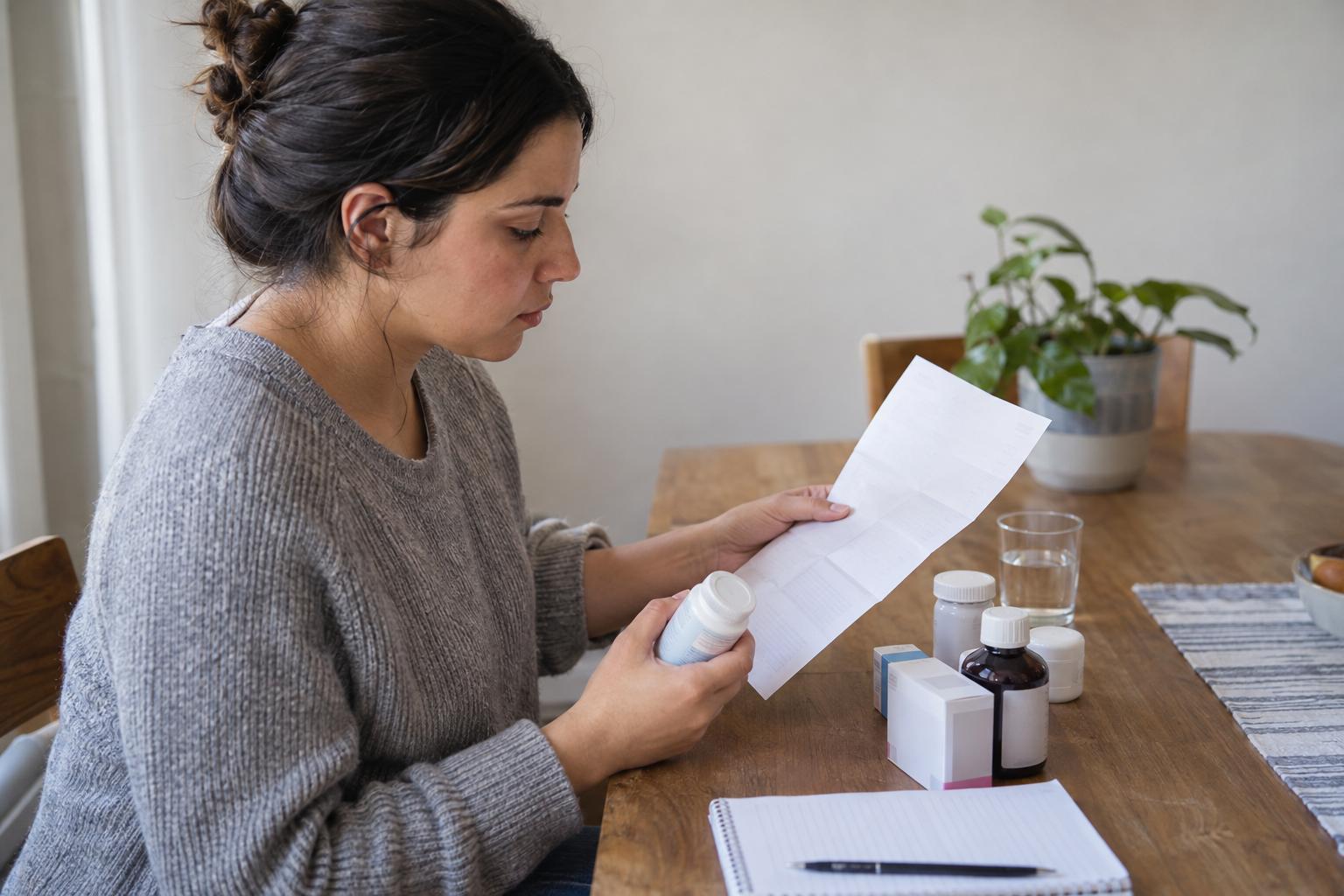
PCOS and Acute Illness: Which Follow-Up Visits Can Wait and Which Cannot
A significant infection or hospitalization can temporarily affect follow-up for polycystic ovary syndrome. Learn what to ask about appointments, tests, and medications before changing your care plan.

5 min de lectura
Publicado: 18 de octubre de 2026 · Actualizado: 18 de octubre de 2026
PCOS and Everyday Movement: Find an Option You Can Stick With
Ideas for adding everyday movement if you have PCOS, with gradual options suited to your preferences, abilities, and routine.
5 min de lectura
Publicado: 22 de septiembre de 2026 · Actualizado: 22 de septiembre de 2026
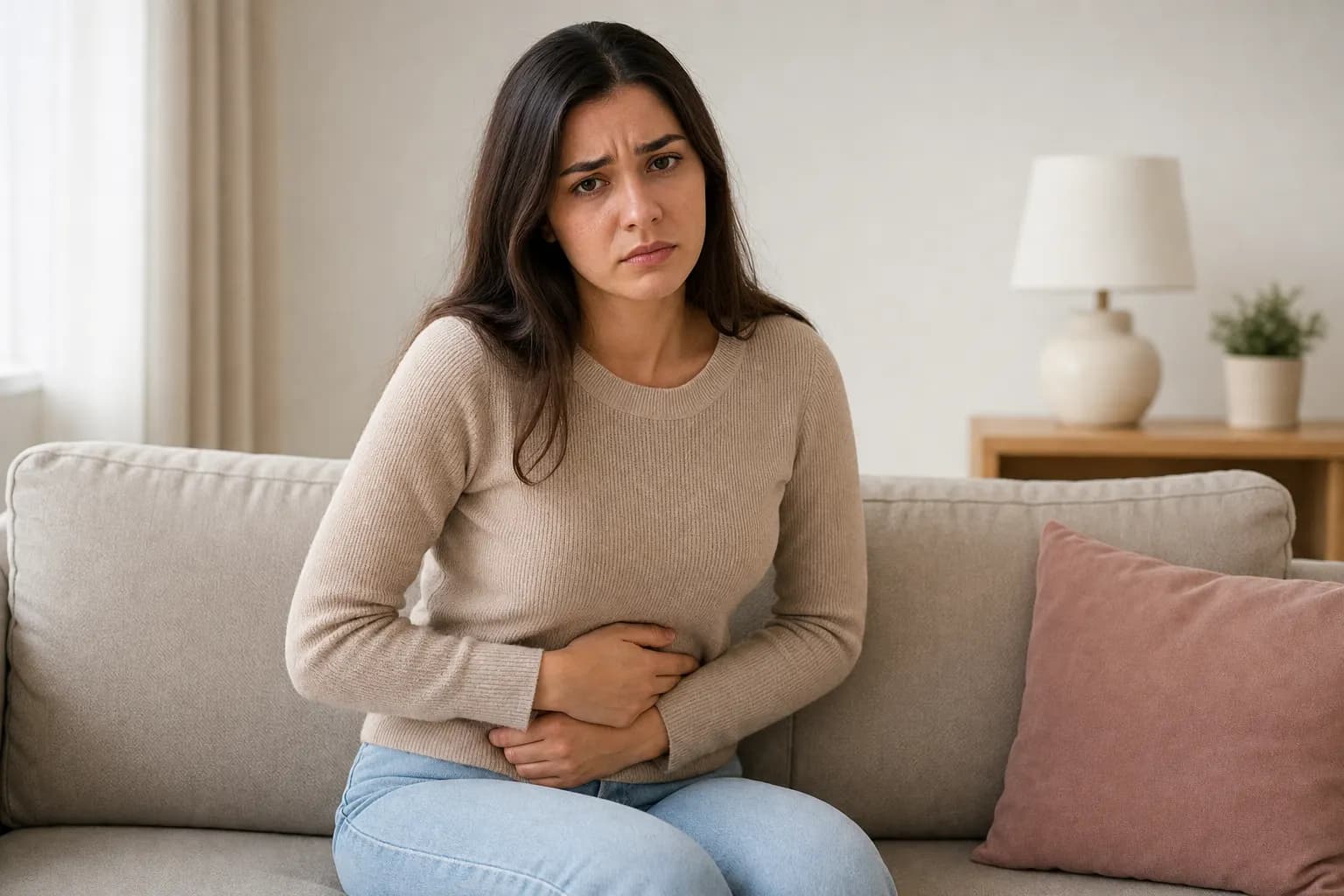
Subtle Symptoms of Polycystic Ovary Syndrome: When Is It Time to Consult a Doctor?
Explore the less common symptoms of polycystic ovary syndrome and when it is crucial to seek medical care.