Educational article
Critical Complications of Polycystic Ovary Syndrome: When to Seek Immediate Help

Dr. Teresita Cortés Segura, medical reviewer
Author and medical review: Dra. Teresita del Niño Jesús Cortés Segura, endocrinologist.
Location: Bogotá, Colombia.
Published: September 1, 2026 · Updated: September 1, 2026 · 5 min read.
Educational content. It does not replace an individual medical assessment and should not be used for self-medication.

Definition of Polycystic Ovary Syndrome
Polycystic ovary syndrome (PCOS) is a common hormonal disorder in women of reproductive age. It is characterized by enlarged ovaries with multiple cysts, menstrual irregularities, excess androgens, and often insulin resistance.
Complications of PCOS
PCOS can lead to various critical complications that require urgent medical attention. These include type 2 diabetes, hypertension, heart problems, endometrial hyperplasia, and an increased risk of endometrial cancer.
Warning Signs
It is essential to be alert to certain signs that may indicate complications of PCOS. These include very irregular menstrual cycles, unusual vaginal bleeding, intense pelvic pain, and symptoms of insulin resistance such as extreme fatigue and unexplained weight gain.
Steps for Diagnosis
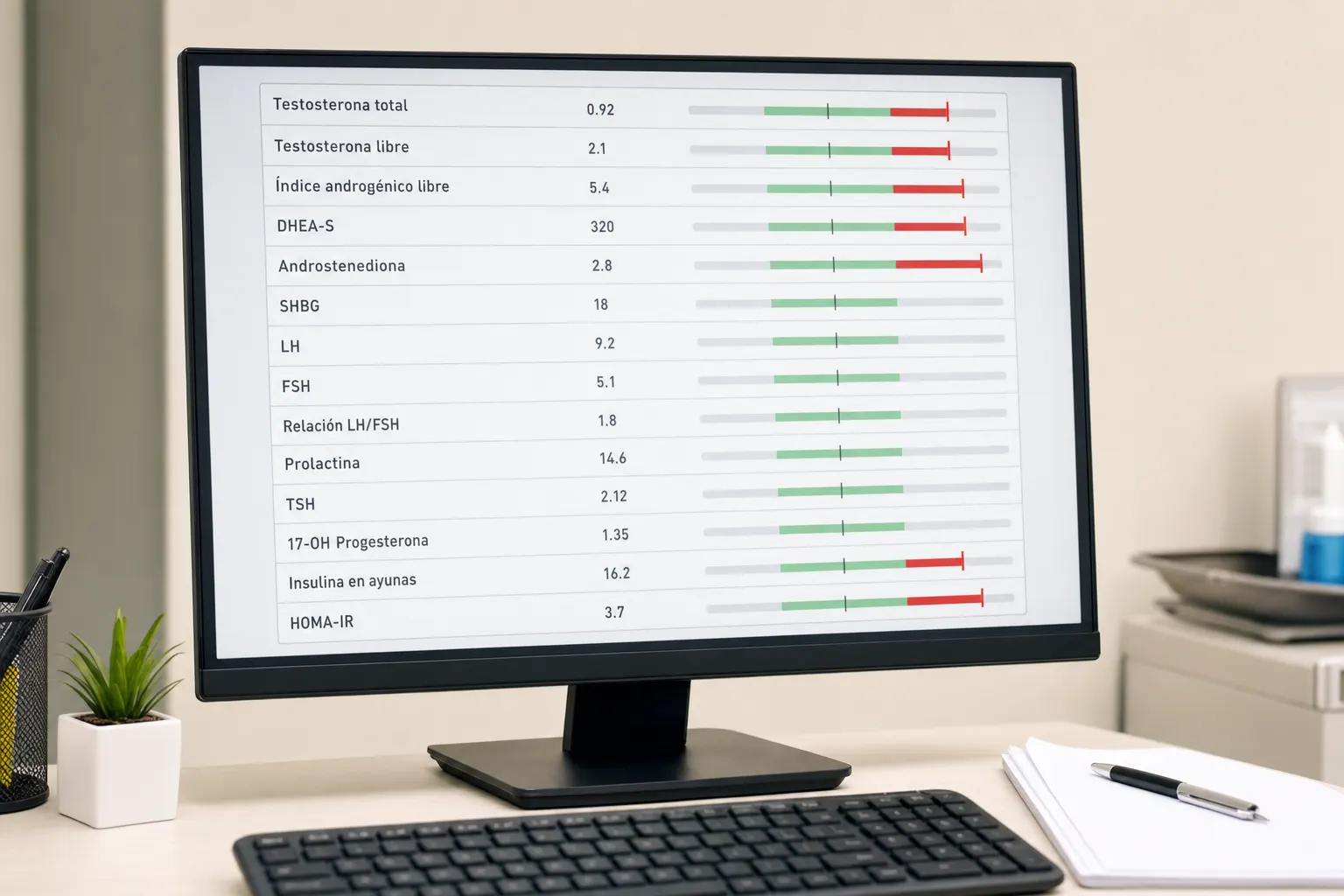
The diagnosis of PCOS generally involves a medical evaluation that includes a physical exam, blood tests to check hormone levels, and in some cases, ultrasounds to observe the ovaries. Regular follow-up is essential to monitor any changes in health.
Common Mistakes in Managing PCOS
A common mistake is underestimating symptoms and not seeking medical care. Many women believe their symptoms are normal, which can lead to serious complications. It is important not to ignore warning signs and to consult a specialist.
When to See a Doctor?
If you experience severe symptoms such as intense pelvic pain, heavy bleeding, or significant changes in your health, it is crucial to seek immediate medical attention. Do not wait for symptoms to worsen before acting.
When to seek medical care
If symptoms persist, test results are abnormal, or you have questions about medication, arrange an individual assessment. Do not change treatment or doses without medical guidance.
Frequently asked questions
What is the relationship between PCOS and diabetes?
PCOS is associated with increased insulin resistance, which raises the risk of developing type 2 diabetes.
What symptoms indicate that I should seek urgent help?
Intense pelvic pain, unusual vaginal bleeding, or symptoms of insulin resistance are signs that require immediate attention.
Is it possible to prevent complications of PCOS?
Yes, with early diagnosis and regular monitoring, it is possible to manage and prevent many of the complications of PCOS.
More articles about Ovario poliquístico

6 min de lectura
Publicado: 23 de septiembre de 2026 · Actualizado: 23 de septiembre de 2026
Polycystic Ovary Syndrome: Common Treatment Mistakes and How to Implement Effective Strategies
Discover common mistakes in the treatment of polycystic ovary syndrome and learn how to implement effective management strategies.

5 min de lectura
Publicado: 22 de septiembre de 2026 · Actualizado: 22 de septiembre de 2026
Subtle Symptoms of Polycystic Ovary Syndrome: When Is It Time to Consult a Doctor?
Explore the less common symptoms of polycystic ovary syndrome and when it is crucial to seek medical care.

5 min de lectura
Publicado: 14 de septiembre de 2026 · Actualizado: 14 de septiembre de 2026
Practical Strategies to Prevent Complications of Polycystic Ovary Syndrome in Daily Life
Discover effective and practical strategies to prevent complications of polycystic ovary syndrome in your daily life, focusing on women's health.

7 min de lectura
Publicado: 4 de septiembre de 2026 · Actualizado: 29 de septiembre de 2026
Everyday Eating for Polycystic Ovary Syndrome: Healthy Choices Without Extreme Diets in Bogotá
Discover sustainable and healthy eating habits for managing polycystic ovary syndrome in Bogotá, avoiding extreme diets and focusing on balanced nutrition.
5 min de lectura
Publicado: 26 de agosto de 2026 · Actualizado: 26 de agosto de 2026
Key Factors in Diagnosing Polycystic Ovary Syndrome: Clinical History and Hormonal Evaluation
Analyzes the determining factors in diagnosing polycystic ovary syndrome, focusing on clinical history and relevant hormonal tests.

5 min de lectura
Publicado: 13 de septiembre de 2026 · Actualizado: 13 de septiembre de 2026
Preparatory Signs to Consult About Polycystic Ovary Syndrome: What You Should Watch For
Identify the critical symptoms of polycystic ovary syndrome that indicate the need for medical attention and how they can impact your health.