Educational article
Factors Influencing the Risk of Complications in Polycystic Ovary Syndrome

Dr. Teresita Cortés Segura, medical reviewer
Author and medical review: Dra. Teresita del Niño Jesús Cortés Segura, endocrinologist.
Location: Bogotá, Colombia.
Published: September 8, 2026 · Updated: September 8, 2026 · 8 min read.
Educational content. It does not replace an individual medical assessment and should not be used for self-medication.

What is Polycystic Ovary Syndrome?
Polycystic ovary syndrome (PCOS) is a hormonal disorder that affects women of reproductive age. It is characterized by the presence of cysts on the ovaries, menstrual irregularities, and symptoms such as acne, weight gain, and excessive body hair. These symptoms result from a hormonal imbalance, primarily involving androgen levels.
Associated Risk Factors
Factors that may increase the risk of complications in PCOS include: 1. **Obesity**: Excess weight can worsen symptoms and increase the risk of type 2 diabetes. 2. **Insulin resistance**: This condition can contribute to a higher risk of developing diabetes and cardiovascular diseases. 3. **Family history**: Having a family history of PCOS or diabetes may increase the likelihood of developing complications.
Common Symptoms of PCOS
Symptoms of PCOS can vary among women, but some of the most common include: - Menstrual irregularities - Weight gain - Acne and oily skin - Excessive body hair (hirsutism) - Hair thinning on the scalp Recognizing these symptoms is important to seek appropriate medical care.
Potential Complications
Complications associated with PCOS may include: - **Type 2 diabetes**: Women with PCOS have a higher risk of developing diabetes. - **Cardiovascular diseases**: Insulin resistance and other risk factors can increase the likelihood of heart problems. - **Infertility**: Ovulatory irregularities can make conception difficult.
Prevention of Complications
Preventing complications in PCOS focuses on symptom management and adopting a healthy lifestyle. Some recommendations include: - Maintaining a healthy weight through a balanced diet and regular exercise. - Monitoring blood sugar levels with regular check-ups. - Considering medication under medical supervision to regulate menstrual cycles and control symptoms.
When to See a Doctor
It is advisable to seek medical attention if you experience symptoms of PCOS, especially if they affect your quality of life. It is also important to consult a doctor if you have a family history of diabetes or cardiovascular diseases, or if you experience complications related to PCOS.
When to seek medical care
If symptoms persist, test results are abnormal, or you have questions about medication, arrange an individual assessment. Do not change treatment or doses without medical guidance.
Frequently asked questions
Is polycystic ovary syndrome curable?
There is no definitive cure for PCOS, but symptoms can be managed with medical treatment and lifestyle changes.
What tests are performed to diagnose PCOS?
Diagnosis generally includes a physical exam, blood tests to evaluate hormone levels, and ultrasound to examine the ovaries.
Is PCOS common in young women?
Yes, polycystic ovary syndrome is common in young women and can begin during adolescence.
More articles about Ovario poliquístico

6 min de lectura
Publicado: 23 de septiembre de 2026 · Actualizado: 23 de septiembre de 2026
Polycystic Ovary Syndrome: Common Treatment Mistakes and How to Implement Effective Strategies
Discover common mistakes in the treatment of polycystic ovary syndrome and learn how to implement effective management strategies.

5 min de lectura
Publicado: 22 de septiembre de 2026 · Actualizado: 22 de septiembre de 2026
Subtle Symptoms of Polycystic Ovary Syndrome: When Is It Time to Consult a Doctor?
Explore the less common symptoms of polycystic ovary syndrome and when it is crucial to seek medical care.

5 min de lectura
Publicado: 14 de septiembre de 2026 · Actualizado: 14 de septiembre de 2026
Practical Strategies to Prevent Complications of Polycystic Ovary Syndrome in Daily Life
Discover effective and practical strategies to prevent complications of polycystic ovary syndrome in your daily life, focusing on women's health.

7 min de lectura
Publicado: 4 de septiembre de 2026 · Actualizado: 29 de septiembre de 2026
Everyday Eating for Polycystic Ovary Syndrome: Healthy Choices Without Extreme Diets in Bogotá
Discover sustainable and healthy eating habits for managing polycystic ovary syndrome in Bogotá, avoiding extreme diets and focusing on balanced nutrition.
5 min de lectura
Publicado: 26 de agosto de 2026 · Actualizado: 26 de agosto de 2026
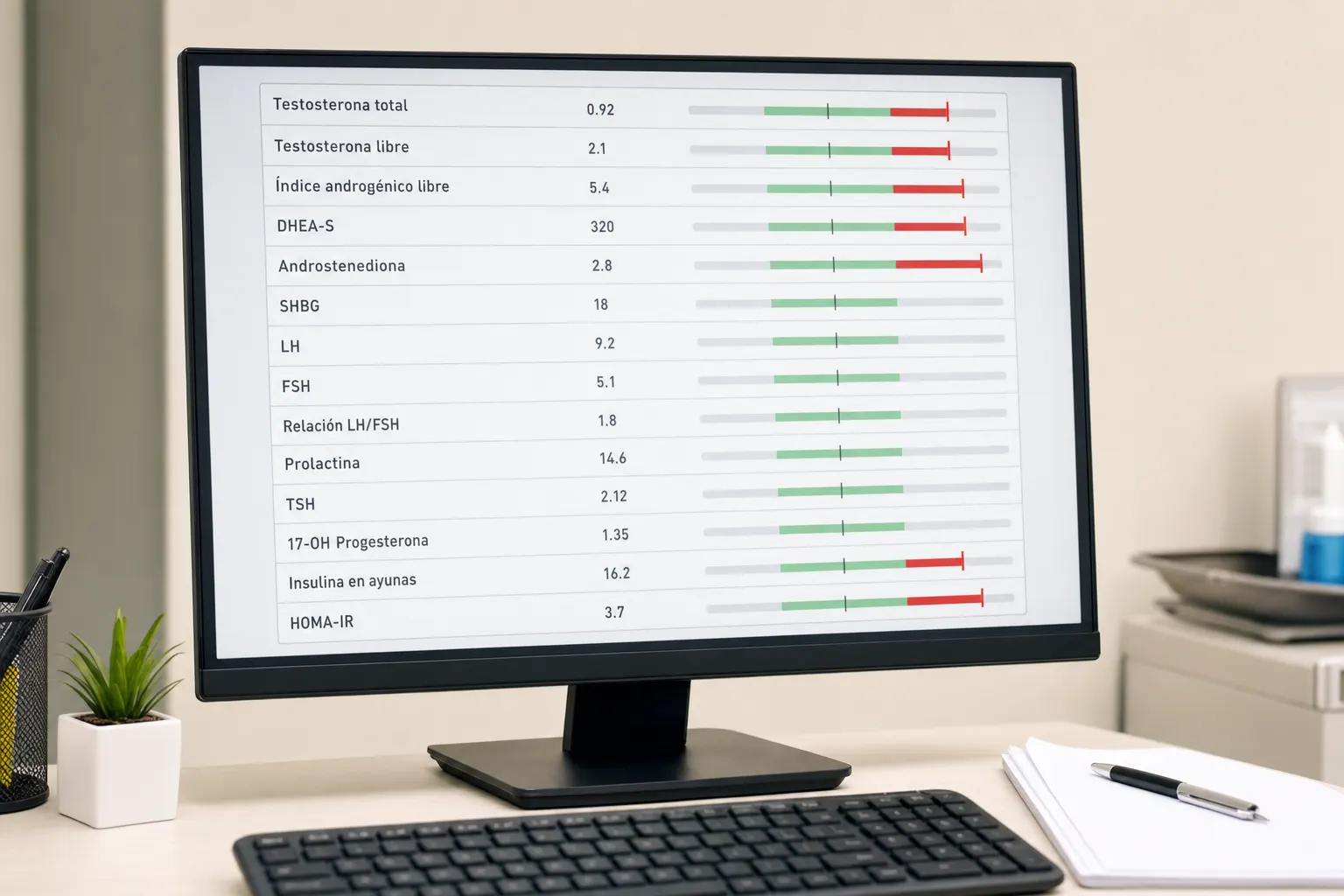
Key Factors in Diagnosing Polycystic Ovary Syndrome: Clinical History and Hormonal Evaluation
Analyzes the determining factors in diagnosing polycystic ovary syndrome, focusing on clinical history and relevant hormonal tests.

5 min de lectura
Publicado: 13 de septiembre de 2026 · Actualizado: 13 de septiembre de 2026
Preparatory Signs to Consult About Polycystic Ovary Syndrome: What You Should Watch For
Identify the critical symptoms of polycystic ovary syndrome that indicate the need for medical attention and how they can impact your health.