Educational article
Essential Questions for Your Polycystic Ovary Syndrome Consultation

Dr. Teresita Cortés Segura, medical reviewer
Author and medical review: Dra. Teresita del Niño Jesús Cortés Segura, endocrinologist.
Location: Bogotá, Colombia.
Published: August 13, 2026 · Updated: August 13, 2026 · 5 min read.
Educational content. It does not replace an individual medical assessment and should not be used for self-medication.

1. What are the most common symptoms of polycystic ovary syndrome?
Ask about symptoms such as menstrual irregularities, weight gain, and acne. Knowing these symptoms will help you relate them to your situation.
2. What diagnostic tests will be performed to confirm the diagnosis?
Inquire about the tests that will be conducted, such as blood tests to evaluate hormones and ultrasounds to observe the ovaries.
3. How are the test results interpreted?
Understanding how the results are interpreted is essential. Ask which hormone levels are considered normal and what abnormal results imply.
4. What treatment options are available for polycystic ovary syndrome?
Learn about treatment options, which may include lifestyle changes, medications, or hormonal therapies, as well as their benefits and risks.
5. How does polycystic ovary syndrome affect my long-term health?
It is crucial to understand the long-term implications of PCOS, such as the risk of diabetes or heart problems.
6. What lifestyle changes are recommended to manage PCOS?
Ask about specific recommendations for diet and exercise that can help control PCOS symptoms.
7. How often should I have medical follow-ups?
Inquire about the frequency of follow-up appointments to monitor your condition and adjust treatment.
8. Are there additional resources I can consult about PCOS?
Ask if there are educational materials or support groups that can help you better understand polycystic ovary syndrome.
When to seek medical care
If symptoms persist, test results are abnormal, or you have questions about medication, arrange an individual assessment. Do not change treatment or doses without medical guidance.
Frequently asked questions
What is polycystic ovary syndrome?
It is a common hormonal disorder in women of reproductive age that can cause menstrual irregularities, weight gain, and other related symptoms.
Can I get pregnant if I have polycystic ovary syndrome?
Yes, many women with PCOS can become pregnant, although they may need treatment to regulate their menstrual cycles.
Is polycystic ovary syndrome a hereditary condition?
Yes, it can have a genetic component, meaning it may occur in multiple generations of a family.
More articles about Ovario poliquístico

6 min de lectura
Publicado: 23 de septiembre de 2026 · Actualizado: 23 de septiembre de 2026
Polycystic Ovary Syndrome: Common Treatment Mistakes and How to Implement Effective Strategies
Discover common mistakes in the treatment of polycystic ovary syndrome and learn how to implement effective management strategies.

5 min de lectura
Publicado: 22 de septiembre de 2026 · Actualizado: 22 de septiembre de 2026
Subtle Symptoms of Polycystic Ovary Syndrome: When Is It Time to Consult a Doctor?
Explore the less common symptoms of polycystic ovary syndrome and when it is crucial to seek medical care.

5 min de lectura
Publicado: 14 de septiembre de 2026 · Actualizado: 14 de septiembre de 2026
Practical Strategies to Prevent Complications of Polycystic Ovary Syndrome in Daily Life
Discover effective and practical strategies to prevent complications of polycystic ovary syndrome in your daily life, focusing on women's health.

7 min de lectura
Publicado: 4 de septiembre de 2026 · Actualizado: 29 de septiembre de 2026
Everyday Eating for Polycystic Ovary Syndrome: Healthy Choices Without Extreme Diets in Bogotá
Discover sustainable and healthy eating habits for managing polycystic ovary syndrome in Bogotá, avoiding extreme diets and focusing on balanced nutrition.
5 min de lectura
Publicado: 26 de agosto de 2026 · Actualizado: 26 de agosto de 2026
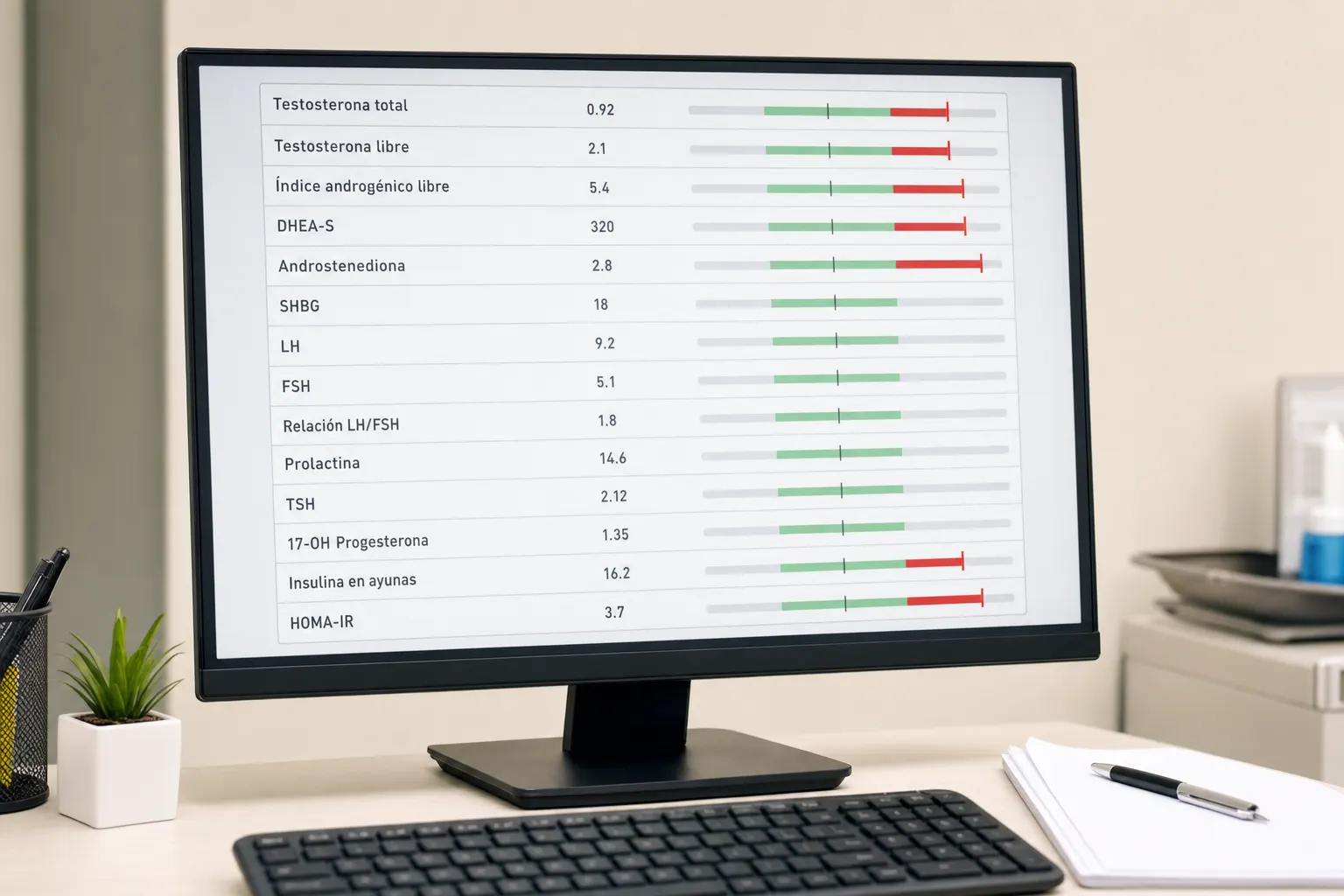
Key Factors in Diagnosing Polycystic Ovary Syndrome: Clinical History and Hormonal Evaluation
Analyzes the determining factors in diagnosing polycystic ovary syndrome, focusing on clinical history and relevant hormonal tests.

5 min de lectura
Publicado: 13 de septiembre de 2026 · Actualizado: 13 de septiembre de 2026
Preparatory Signs to Consult About Polycystic Ovary Syndrome: What You Should Watch For
Identify the critical symptoms of polycystic ovary syndrome that indicate the need for medical attention and how they can impact your health.