Educational article
Benefits and Limits of Polycystic Ovary Syndrome Treatment: A Comprehensive Approach for Patients

Dr. Teresita Cortés Segura, medical reviewer
Author and medical review: Dra. Teresita del Niño Jesús Cortés Segura, endocrinologist.
Location: Bogotá, Colombia.
Published: September 7, 2026 · Updated: September 7, 2026 · 8 min read.
Educational content. It does not replace an individual medical assessment and should not be used for self-medication.
Introduction
Polycystic ovary syndrome (PCOS) is a common condition affecting many women of reproductive age. Understanding the benefits and limits of its treatment is crucial for effective management and improved quality of life.
1. Initial Diagnosis
Before starting any treatment, an accurate diagnosis is essential. This includes a clinical evaluation and hormonal tests to determine the best management strategy.
2. Treatment Options
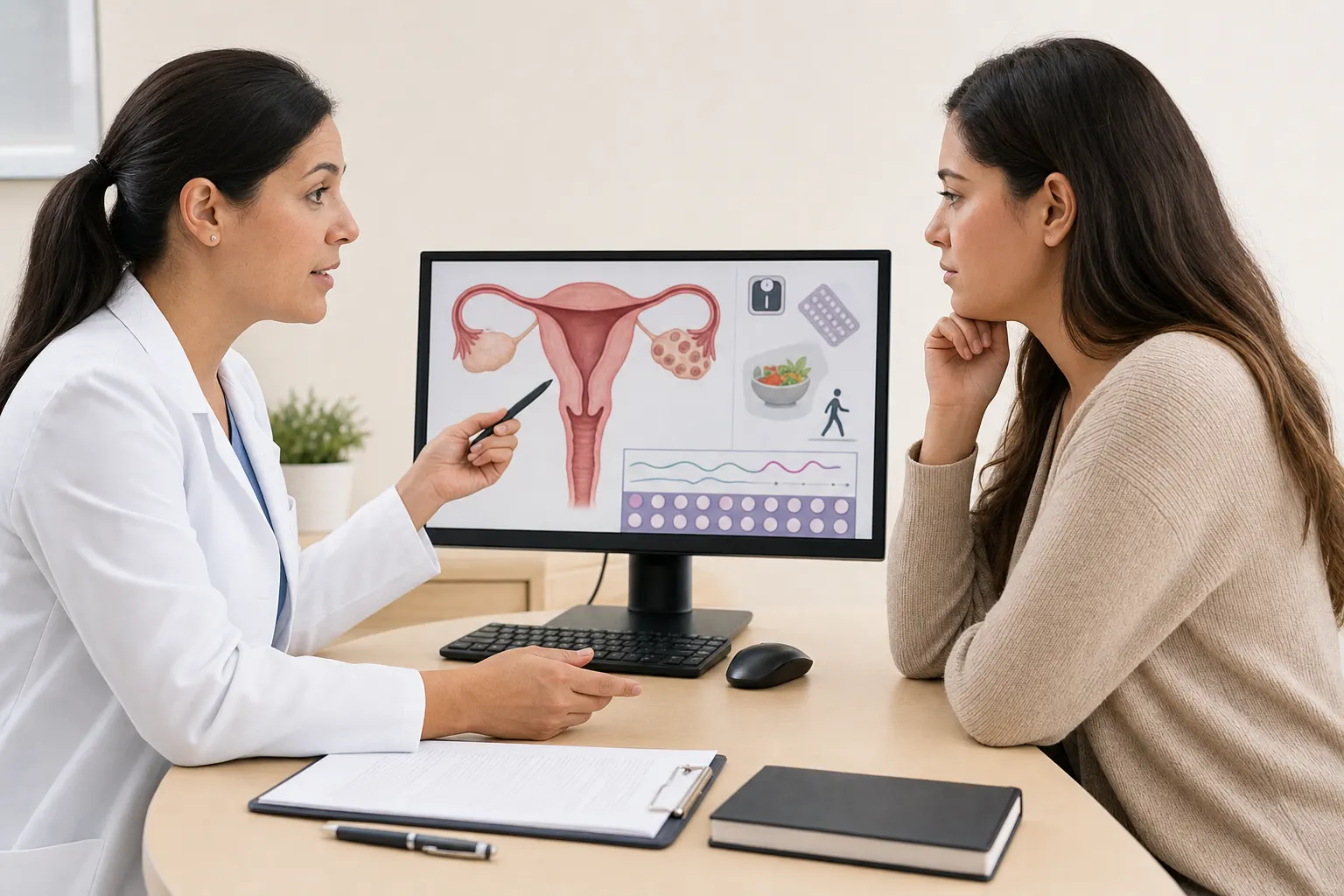
Treatment options may include lifestyle changes, hormonal medications, and specific therapies. It is important to know each option and how it fits individual needs.
3. Benefits of Treatment
Treatments can help regulate the menstrual cycle, reduce acne, and improve fertility. Each patient may experience different benefits.
4. Limits of Treatment
Not all patients will respond the same way to treatments. It is essential to have realistic expectations and discuss possible side effects.
5. Importance of Follow-Up
Regular follow-up with an endocrinologist is crucial to adjust treatment as needed and monitor overall health.
6. Lifestyle and Comprehensive Management
Adopting a healthy lifestyle, including a balanced diet and regular exercise, can complement medical treatment and improve outcomes.
7. When to Consult the Doctor
It is vital to seek medical help if new symptoms appear or if the current treatment does not seem effective.
Closing and Follow-Up Plan
A comprehensive approach combining medical treatment and lifestyle changes can offer the best results. Maintaining open communication with the doctor is key to successful PCOS management.
When to seek medical care
If symptoms persist, test results are abnormal, or you have questions about medication, arrange an individual assessment. Do not change treatment or doses without medical guidance.
Frequently asked questions
What is polycystic ovary syndrome?
It is a common hormonal disorder that affects ovulation and can cause menstrual irregularities, acne, and weight gain.
What are the most common treatments for PCOS?
Treatments include hormonal medications, dietary changes, exercise, and in some cases, surgical procedures.
Is it possible to get pregnant with PCOS?
Yes, many women with PCOS can become pregnant, although they may need treatment to regulate ovulation.
More articles about Ovario poliquístico

6 min de lectura
Publicado: 23 de septiembre de 2026 · Actualizado: 23 de septiembre de 2026
Polycystic Ovary Syndrome: Common Treatment Mistakes and How to Implement Effective Strategies
Discover common mistakes in the treatment of polycystic ovary syndrome and learn how to implement effective management strategies.

5 min de lectura
Publicado: 22 de septiembre de 2026 · Actualizado: 22 de septiembre de 2026
Subtle Symptoms of Polycystic Ovary Syndrome: When Is It Time to Consult a Doctor?
Explore the less common symptoms of polycystic ovary syndrome and when it is crucial to seek medical care.

5 min de lectura
Publicado: 14 de septiembre de 2026 · Actualizado: 14 de septiembre de 2026
Practical Strategies to Prevent Complications of Polycystic Ovary Syndrome in Daily Life
Discover effective and practical strategies to prevent complications of polycystic ovary syndrome in your daily life, focusing on women's health.

7 min de lectura
Publicado: 4 de septiembre de 2026 · Actualizado: 29 de septiembre de 2026
Everyday Eating for Polycystic Ovary Syndrome: Healthy Choices Without Extreme Diets in Bogotá
Discover sustainable and healthy eating habits for managing polycystic ovary syndrome in Bogotá, avoiding extreme diets and focusing on balanced nutrition.
5 min de lectura
Publicado: 26 de agosto de 2026 · Actualizado: 26 de agosto de 2026
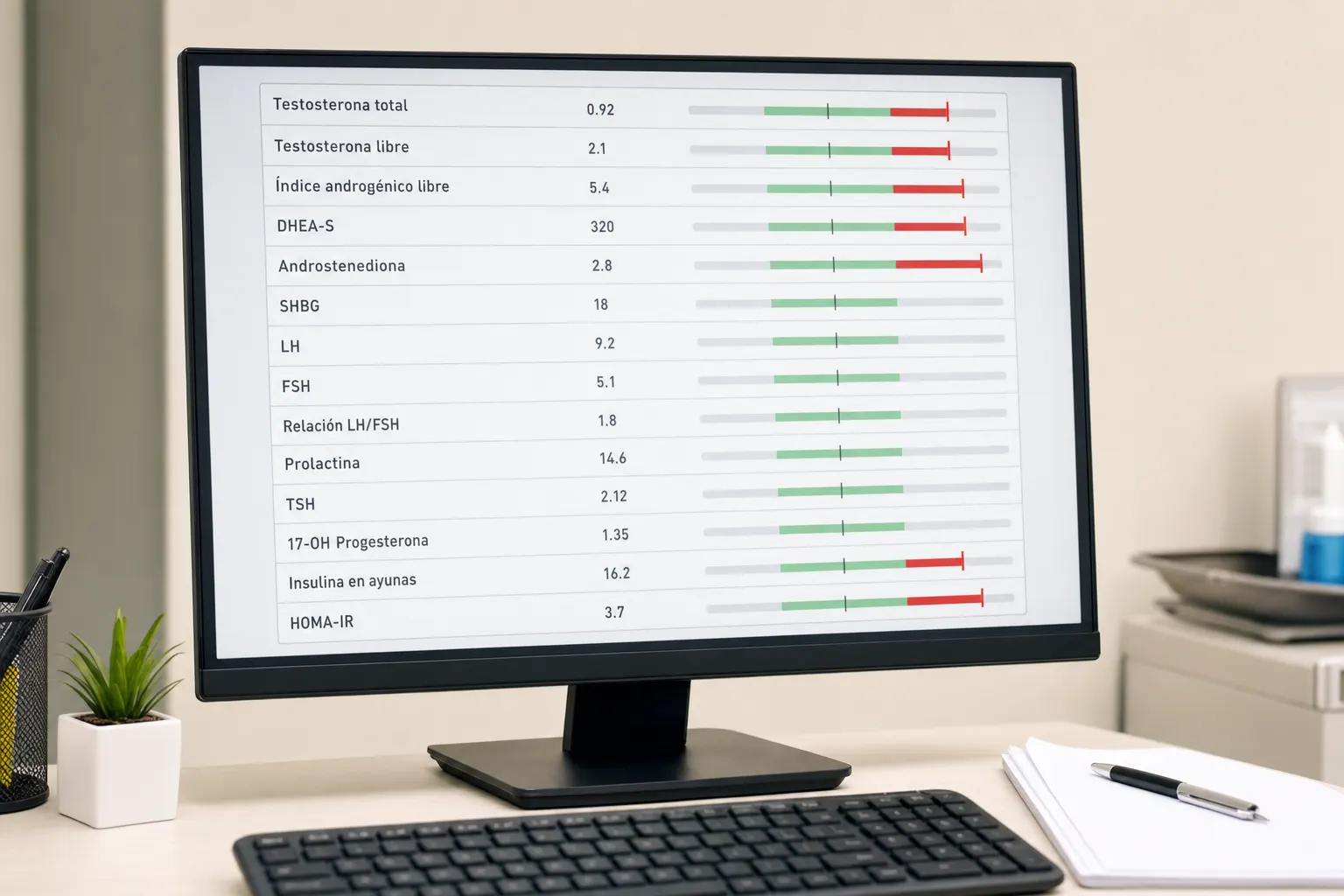
Key Factors in Diagnosing Polycystic Ovary Syndrome: Clinical History and Hormonal Evaluation
Analyzes the determining factors in diagnosing polycystic ovary syndrome, focusing on clinical history and relevant hormonal tests.

5 min de lectura
Publicado: 13 de septiembre de 2026 · Actualizado: 13 de septiembre de 2026
Preparatory Signs to Consult About Polycystic Ovary Syndrome: What You Should Watch For
Identify the critical symptoms of polycystic ovary syndrome that indicate the need for medical attention and how they can impact your health.