Educational article
Before Repeating a Testosterone Test: Sleep, Illness, and Timing Matter Too

Educational content. It does not replace an individual medical assessment and should not be used for self-medication.

Does a testosterone result depend only on how I feel?
No. A clinician interprets the measurement together with symptoms, medical history, and the circumstances of the blood draw. The time of day, recent rest, or an acute illness may be relevant, but none of these factors alone explains a result or confirms a diagnosis.
What time was the sample collected?
Testosterone levels can vary throughout the day, so the time the sample is collected may matter when interpreting the result. Tell your clinician when it was collected and whether that was different from the usual or instructed time. An unusual collection time does not automatically invalidate the test: your clinician will decide whether the result can be interpreted or whether another measurement should be considered.
Can too little sleep have an effect?
Sleep and daily rhythms are related to hormone regulation, so a night of insufficient or interrupted sleep may be relevant when assessing the test. Mention if you slept much less than usual. This information does not prove that sleep caused a result or allow anyone to predict the result of a later test.
What if I was sick?
An acute illness or recent recovery may temporarily affect some hormone measurements. This does not automatically make the result invalid. Tell your clinician what was happening and when, so they can assess whether the circumstances affect interpretation and whether it would be appropriate to wait or repeat the test.
Other information worth sharing
Tell your clinician about the treatments and supplements you use and any recent changes, as well as the collection time, your recent rest, and your health status. Do not stop or change anything on your own. This information is interpreted alongside your symptoms and medical history; it is not a checklist that determines a diagnosis by itself.
Night shifts and changing schedules
If you work nights or have variable sleep schedules, mention it. For example, a sample collected after a night shift may coincide with a different point in your usual sleep-wake cycle. This context can help with interpretation, but by itself it does not show whether the result reflects your usual situation.
Should I cancel or repeat the test?
Do not cancel or repeat the test without consulting the person who ordered it. Your clinician will decide whether the result can be interpreted with the information available and, if needed, when to repeat it. Instructions about fasting or medications depend on the individual case; do not change treatments or follow instructions to stop them unless clinically advised.
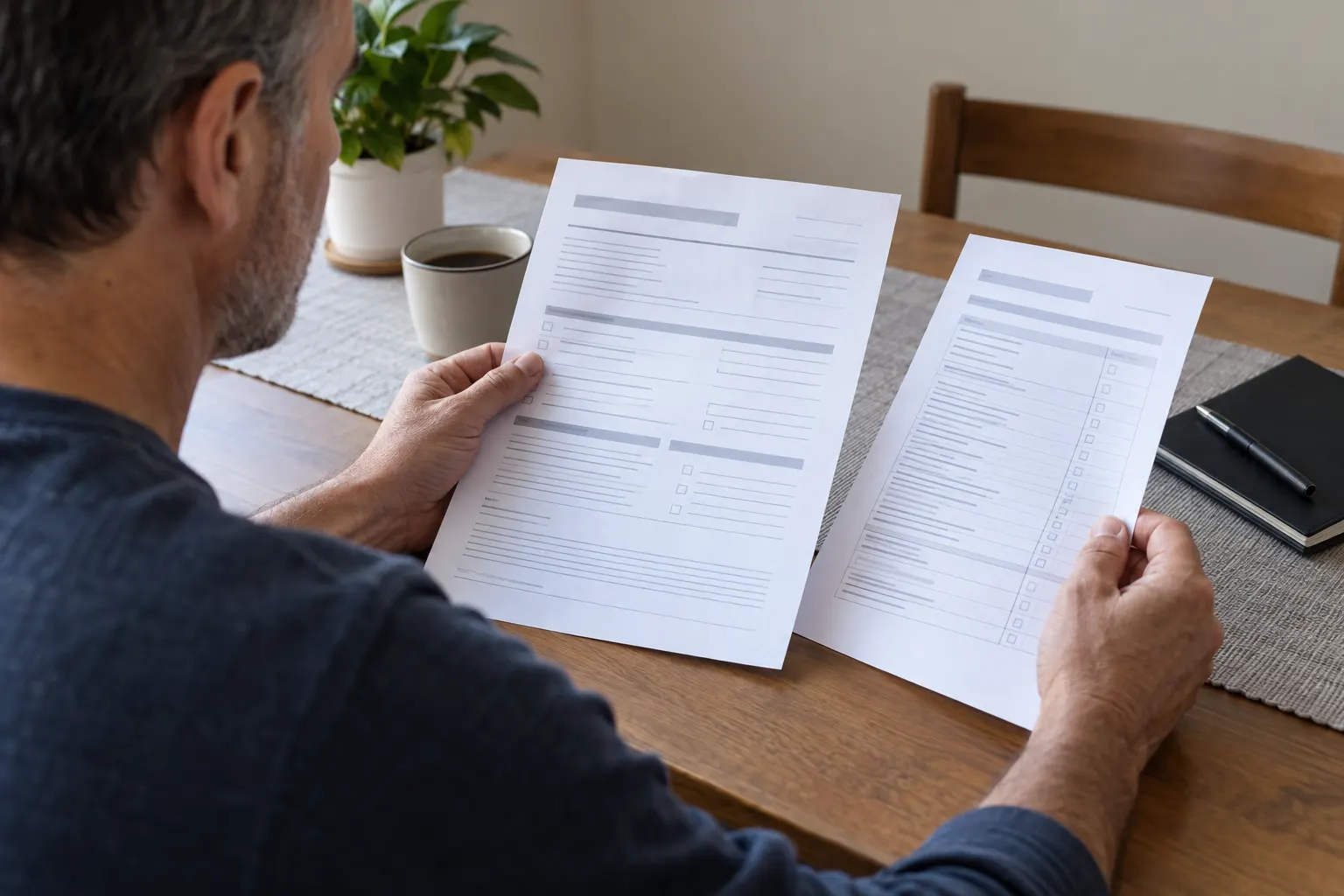
What to write down before discussing the result
Write down the collection time, how you slept, whether you were sick or recovering, and what treatments or supplements you use. Include any recent changes in your health and your questions. If you have symptoms or concerns about the result, discuss them with your clinician; this information does not replace an individual evaluation.
When to seek medical care
If symptoms persist, test results are abnormal, or you have questions about medication, arrange an individual assessment. Do not change treatment or doses without medical guidance.
Frequently asked questions
Should a testosterone test be repeated if I had too little sleep beforehand?
Not necessarily. Discuss your sleep with the clinician who ordered the test; that information alone is not enough to decide that the result is unusable.
Should I stop any treatments or supplements before another measurement?
Do not stop or change treatments or supplements on your own. Tell your clinician what you use and follow the instructions for your individual case.
What should I do if the sample was collected while I was ill or at an unusual time?
Tell your clinician what happened and when. They will assess the result alongside your symptoms and medical history and decide whether the test should be repeated and, if so, when.
Does this topic resonate with you?
Every case is different. Book a consultation to review your history, test results and goals with a personalized plan.
More articles about Male hormonal health

5 min de lectura
Publicado: 30 de octubre de 2026 · Actualizado: 30 de octubre de 2026
Low Testosterone: What Medical History Makes a Consultation Useful, Even Without Clear Symptoms
Sleep apnea, certain medications, and some testicular conditions or treatments may be relevant when evaluating testosterone. Learn what medical history to mention and why none of it confirms a diagnosis or

5 min de lectura
Publicado: 26 de octubre de 2026 · Actualizado: 26 de octubre de 2026
Planning to Have Children? What to Discuss Before Using Testosterone
Testosterone given from outside the body can reduce sperm production. Learn what to discuss with your healthcare professional if you want to have children now or in the future.

5 min de lectura
Publicado: 24 de octubre de 2026 · Actualizado: 24 de octubre de 2026
One Bad Week Does Not Reveal Your Hormones: How to Tell a Temporary Variation from a Persistent Change
Sleep, energy, and performance can vary for many reasons. Learn how to observe changes over time without assuming they are caused by a hormonal problem, and when to seek an evaluation.
5 min de lectura
Publicado: 24 de octubre de 2026 · Actualizado: 24 de octubre de 2026
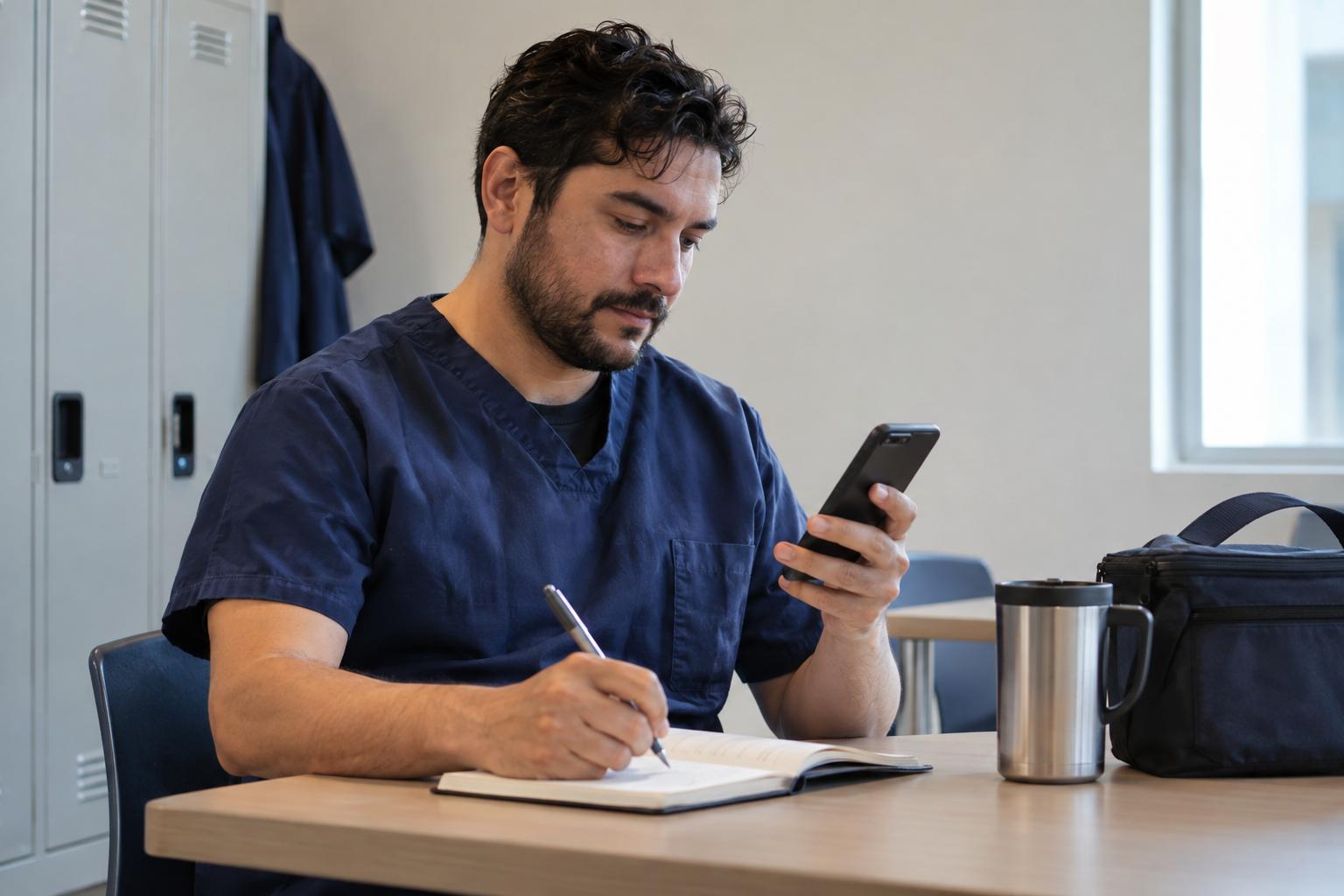
Shift Work and Men’s Hormone Testing: Coordinate Timing and Results
If you work shifts, learn what information about your work schedule and rest may be useful when coordinating hormone testing, and how to ask about preparation and follow-up.
5 min de lectura
Publicado: 17 de octubre de 2026 · Actualizado: 17 de octubre de 2026
After a Hospitalization: What to Review Before Resuming Hormonal Follow-Up
What to review in your discharge summary, medications, and test results before resuming follow-up for male hormone therapy.

5 min de lectura
Publicado: 9 de octubre de 2026 · Actualizado: 9 de octubre de 2026
Using Testosterone on Your Own: Symptoms After Use That Require Prompt Attention
Recognize symptoms such as chest pain, significant difficulty breathing, or sudden weakness that require emergency care during or after testosterone or anabolic steroid use.