Educational article
Guide to Documenting Changes in Gender Dysphoria

Dr. Teresita Cortés Segura, medical reviewer
Author and medical review: Dra. Teresita del Niño Jesús Cortés Segura, endocrinologist.
Location: Bogotá, Colombia.
Published: July 27, 2026 · Updated: July 27, 2026 · 5 min read.
Educational content. It does not replace an individual medical assessment and should not be used for self-medication.
What is Gender Dysphoria?
Gender dysphoria is a condition where there is a discrepancy between a person's gender identity and their sex assigned at birth, which can cause emotional distress.
Importance of Documentation
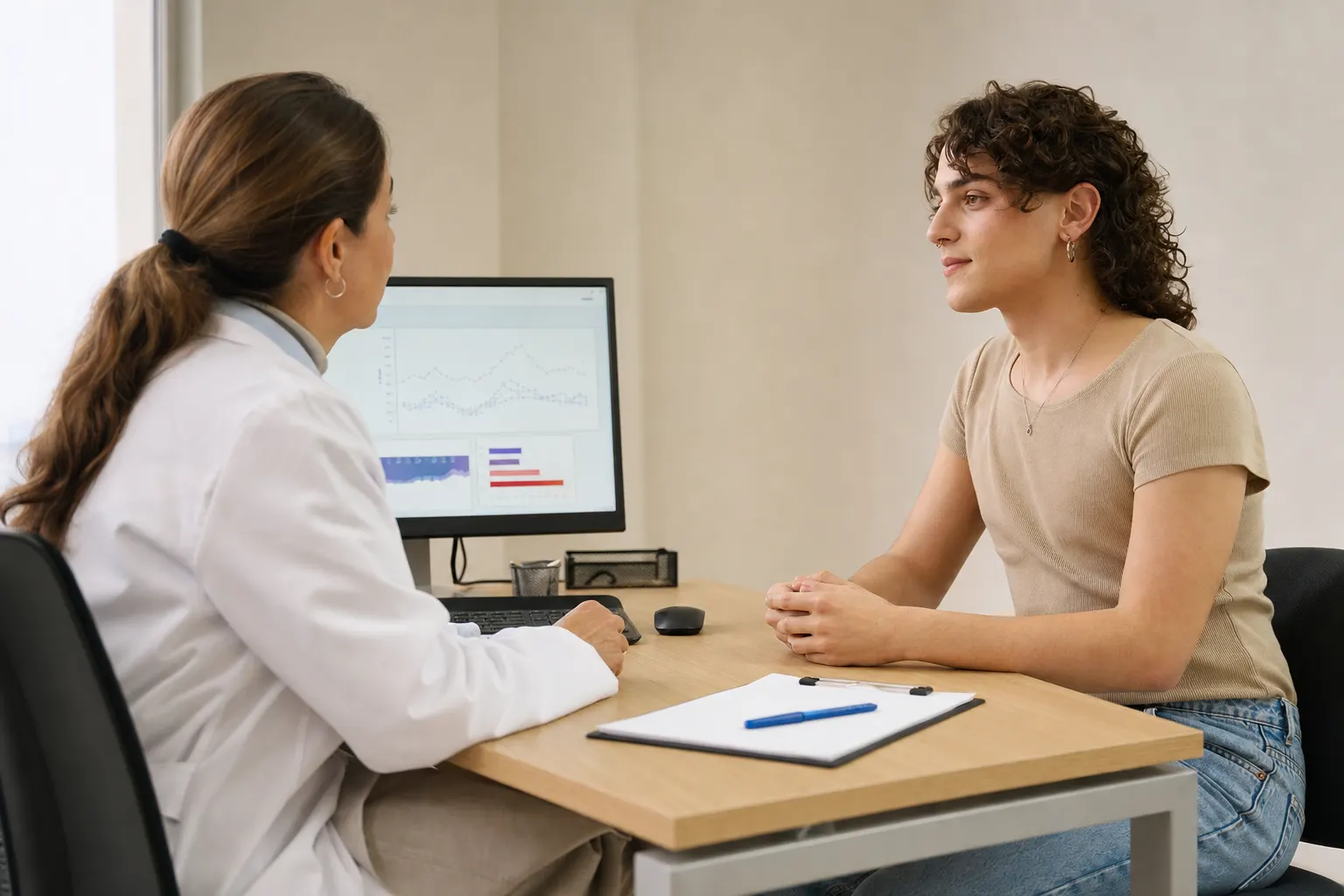
Documenting changes in gender dysphoria helps to understand personal evolution and allows healthcare professionals to provide more appropriate care.
Aspects to Record
Note emotional, physical, social changes, and changes in gender identity. Also include daily experiences and reactions to treatments.
Tracking Journal
Use apps or a notebook to keep a journal. Write down your feelings and situations that trigger them.
Frequency of Recording
Recording your experiences weekly can provide a clear view of your progress and facilitate consultations with your endocrinologist.
Signs to Consult a Professional
If dysphoria significantly affects your quality of life, seek professional help. Signs include drastic mood changes or persistent anxiety.
Myths About Gender Dysphoria
It is important to dispel the idea that dysphoria is just a phase or that it can be 'cured.' Recognizing it as a valid experience is fundamental.
Additional Resources
Look for support groups or online resources that offer information and shared experiences to support your acceptance process.
When to seek medical care
If symptoms persist, test results are abnormal, or you have questions about medication, arrange an individual assessment. Do not change treatment or doses without medical guidance.
Frequently asked questions
Is it normal to feel gender dysphoria?
Yes, many people experience it. Recognizing these feelings and seeking support is essential.
How do I know if I need professional help?
If your feelings affect your daily life or cause significant distress, it is advisable to consult a professional.
Can I track my experiences without a diagnosis?
Yes, documenting your experiences is helpful regardless of a formal diagnosis.
More articles about Disforia de género y salud hormonal
5 min de lectura
Publicado: 28 de septiembre de 2026 · Actualizado: 28 de septiembre de 2026
Practical Guide for Diagnosing Gender Dysphoria in Adults in Colombia
A concise guide on diagnosing gender dysphoria in adults, highlighting relevant assessment methods in Colombia.

8 min de lectura
Publicado: 14 de agosto de 2026 · Actualizado: 11 de septiembre de 2026
Signs of Complications in Gender Dysphoria: What to Watch For
Identify the signs of complications in gender dysphoria and when it is crucial to seek professional help.
5 min de lectura
Publicado: 2 de agosto de 2026 · Actualizado: 2 de agosto de 2026
Signs of Gender Dysphoria: Indicators to Recognize the Need for Professional Guidance
Discover the signs of gender dysphoria and when it is crucial to seek professional help in Bogotá. This article provides clear and useful information for those facing this situation.
7 min de lectura
Publicado: 28 de julio de 2026 · Actualizado: 28 de julio de 2026
Demystifying Gender Dysphoria: Common Treatment Mistakes and How to Ensure an Effective Process
Analyzes common mistakes in the treatment of gender dysphoria and offers strategies to avoid complications. Essential information for patients in Bogotá.
5 min de lectura
Publicado: 12 de junio de 2026 · Actualizado: 12 de junio de 2026
Improving Well-Being in Gender Dysphoria Through Healthy Habits
Discover how nutrition, exercise, and sleep can enhance the well-being of people with gender dysphoria.
6 min de lectura
Publicado: 6 de septiembre de 2026 · Actualizado: 6 de septiembre de 2026
Key Elements for the Diagnosis of Gender Dysphoria: History and Evaluation in the Colombian Context
Explores the essential elements for diagnosing gender dysphoria in adults in Colombia, including history and clinical evaluation.