Educational article
Obesity: What to Track to Understand Your Progress Without Fixating on the Data

Educational content. It does not replace an individual medical assessment and should not be used for self-medication.

Does tracking more help more? Not necessarily
Recording a lot of data or doing so constantly can become a burden and increase worry or self-criticism. The purpose of tracking is not to monitor your body, but to gather an observation that can help you talk about your well-being and care plan.
Choose one or two useful observations
Think about a goal you want to explore. Depending on your needs, you might track sleep, energy, everyday movement, or the regularity of your meals. You do not need to track everything. If you do not have an agreed-upon goal, you can discuss one with a health care professional before you start.
Write things down without judging yourself
Try to keep your notes brief and descriptive—for example, “I went to bed later than usual” or “I walked part of my commute.” Avoid labeling foods, activities, or days as “good” or “bad.” A note describes a moment; it does not determine your worth or, on its own, sum up your health.
Do you need to include your weight?
Not necessarily. Weight can vary for many reasons, and a day-to-day change alone does not define clinical progress. You do not need to weigh yourself daily to track your progress. If measuring your weight is part of a plan, ask whether it is appropriate for you and how often; there is no universal frequency.
What can you leave out?
Leave out details that do not support your goal or that lead you to monitor every meal, activity, or body change. You do not need to write down everything you eat, measure every movement, or look for an explanation for every fluctuation. A brief record may be easier to maintain and more useful for a conversation than an extensive list.
If tracking causes distress, reassess it
Pause or change your tracking if it causes distress, intensifies your focus on the data, or leads you to restrict food or activities. Discuss it with a health care professional and consider another way to track your progress. You do not have to continue a practice that is no longer useful.
Use your notes as support, not as a diagnosis
Share only what seems relevant to you, and explain how the process made you feel. A record can help you raise questions, but it does not replace a professional evaluation or allow you to interpret your health on its own. An evaluation also considers your medical history, symptoms, treatments, and other aspects that a brief note does not capture.
A check-in before you start
Ask yourself whether the observation supports a goal, whether you can record it without judging yourself, and whether it helps you talk about your health. If it is not useful or causes distress, you can choose another option or stop tracking for now. Tracking should be tailored to your needs.
When to seek medical care
If symptoms persist, test results are abnormal, or you have questions about medication, arrange an individual assessment. Do not change treatment or doses without medical guidance.
Frequently asked questions
Do I need to write down everything I eat?
No. You do not need to keep an exhaustive record. If you choose to track something, select one or two observations related to a goal that matters to you and, if possible, review them with a health care professional.
Does a daily change in weight mean I have regressed?
Not by itself. Weight can fluctuate for many reasons, and day-to-day variations do not, on their own, define clinical progress. If weight is part of your tracking, ask how to approach it in your case.
What should I do if tracking makes me anxious?
Pause or change your tracking and discuss it with a health care professional, especially if you notice distress, food restriction, or persistent worry. Tracking should be a support, not an obligation.
Does this topic resonate with you?
Every case is different. Book a consultation to review your history, test results and goals with a personalized plan.
More articles about Weight management

5 min de lectura
Publicado: 10 de noviembre de 2026 · Actualizado: 10 de noviembre de 2026
What Clues in Your Daily Life May Be Related to Weight Gain?
Sleep, routines, health, and some treatments can provide context when weight changes. Learn what to observe and how to discuss it without self-diagnosing.
5 min de lectura
Publicado: 6 de noviembre de 2026 · Actualizado: 6 de noviembre de 2026
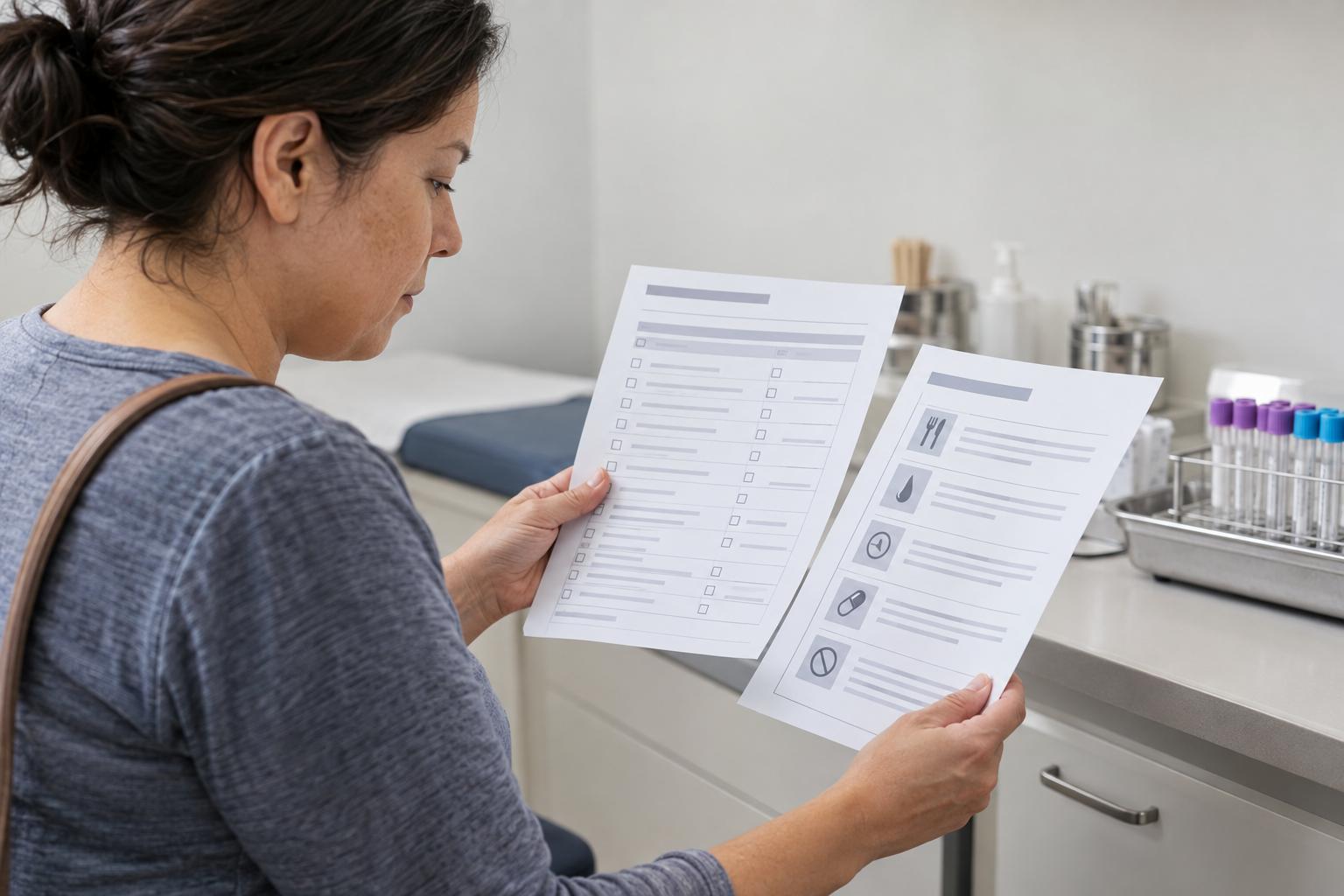
Several Tests in One Visit: How to Plan Your Preparation Without Changing Your Routine on Your Own
If you have several laboratory tests for a metabolic evaluation, confirm the preparation required for each one and ask the laboratory which tests can be done during the same visit.

5 min de lectura
Publicado: 25 de octubre de 2026 · Actualizado: 25 de octubre de 2026
Skin Fold Irritation: When Redness Needs Evaluation
Moisture and friction can irritate skin folds, but redness does not confirm the cause. Learn which changes warrant evaluation, when to seek prompt care, and how to care for the area without making it worse.

5 min de lectura
Publicado: 12 de octubre de 2026 · Actualizado: 12 de octubre de 2026
Obesity and Scheduled Surgery: Coordinating Treatment and Follow-Up Around Your Operation
A guide to discussing obesity treatments with your surgical team before non-bariatric surgery and agreeing on how to resume treatment and arrange follow-up during recovery.
5 min de lectura
Publicado: 5 de octubre de 2026 · Actualizado: 5 de octubre de 2026
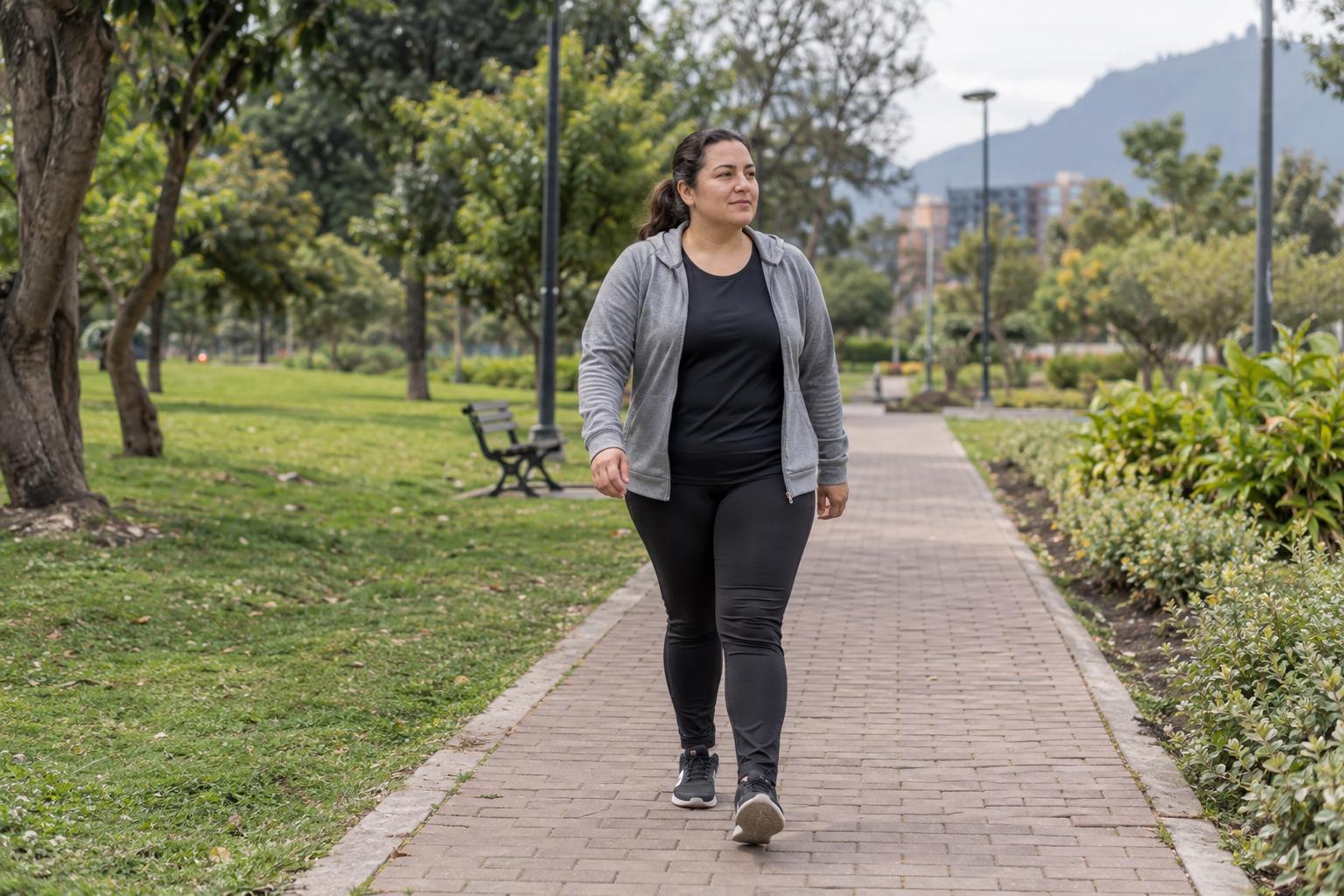
Getting Back to Physical Activity with Obesity: How to Start with Realistic Goals
Ideas for getting moving again after a period of inactivity: how to choose functional goals, adapt them to your abilities, and recognize when to stop.

5 min de lectura
Publicado: 30 de septiembre de 2026 · Actualizado: 30 de septiembre de 2026
Changes in Your Body and Obesity: What You Can Notice Without Self-Diagnosing
A change in weight or the way your clothes fit does not diagnose obesity or reveal its cause. Learn what to observe and when to seek a clinical evaluation.