Educational article
Traveling While Managing Obesity: Realistic Adjustments to Stay on Track

Educational content. It does not replace an individual medical assessment and should not be used for self-medication.
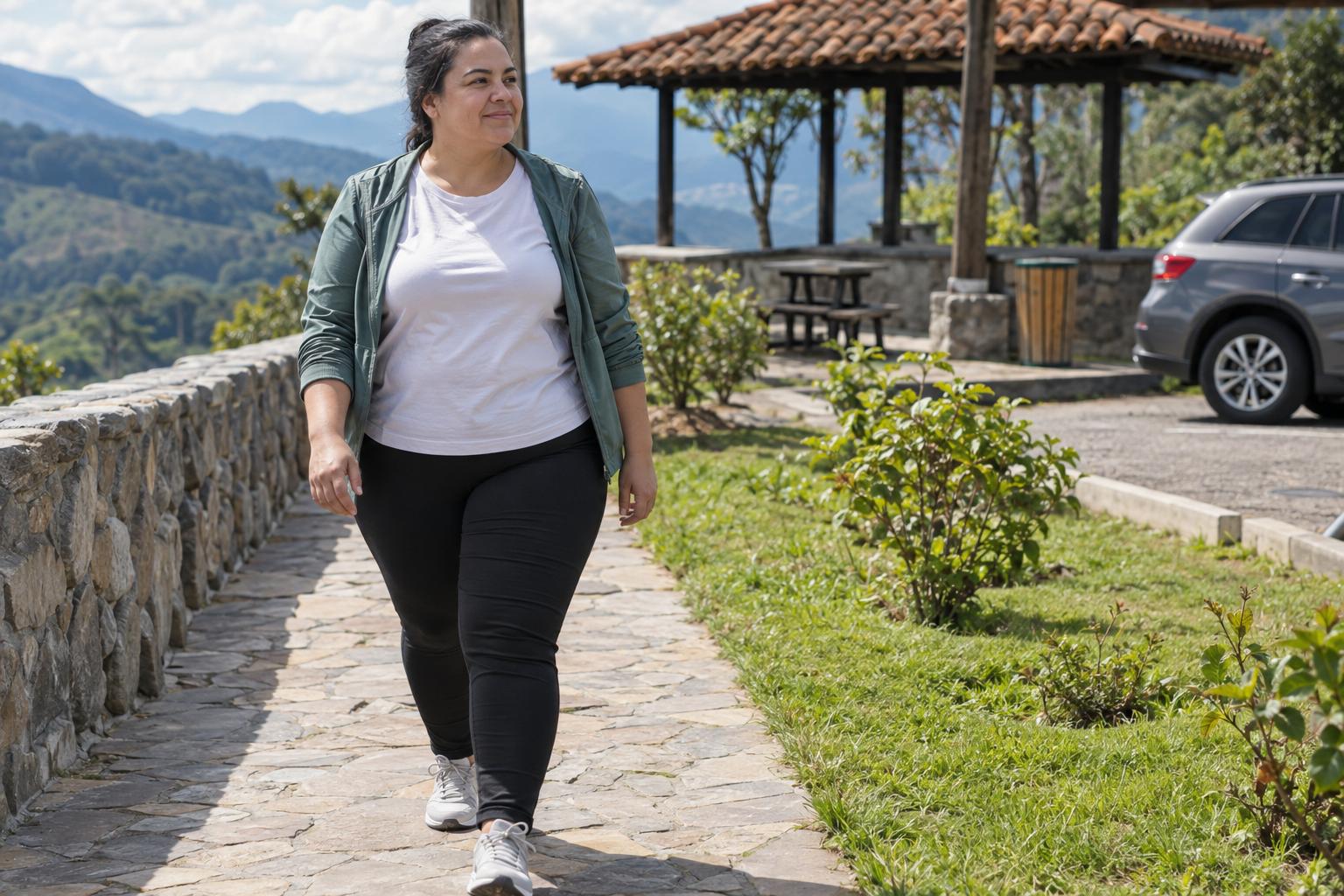
Will a few days away from home erase your progress?
Not necessarily. A trip can change your schedule, meals, rest, and opportunities to move, but a few days that are different do not, by themselves, define your care process. Obesity care is built over time; it does not require maintaining an identical routine in every circumstance. It may be more useful to identify which recommendations are feasible during that trip.
Myth: During a trip, you have to follow everything or abandon the plan
Thinking that only a perfect routine counts can make any change feel like a failure. Before you leave, talk with your health care team about one or two realistic priorities, such as following your medication instructions or looking for movement opportunities that are appropriate for you. Priorities will depend on the trip and do not replace your individual plan.
How can you plan without turning the trip into a list of obligations?
Consider the length of the journey, your accommodations, and planned activities. Choose recommendations that can be adjusted if schedules or plans change: a work trip is not organized the same way as a family visit. You do not need to anticipate every detail. If you have a particular clinical need, ask your health care team how to prepare.
Myth: Some foods are forbidden, and you have to make up for eating differently
There is no need to classify meals during a trip as allowed or forbidden, skip meals, or restrict your eating afterward to compensate. When eating away from home, adapt the recommendations you have received to the options available and your needs. If the journey takes longer than expected, meal times may change; do not try to make up for a meal with extreme measures. If you have specific clinical recommendations, follow your team's guidance.
What movement is possible during travel and busy days?
Movement can be adapted to your available time and space and your physical condition. On a road trip, a safe walking break may be an appropriate option for some people; on busy days, you can also take advantage of walking that is already part of your activities. You do not need to turn every stop into exercise. Avoid activities that cause pain or discomfort, and ask for guidance if you have questions or limitations.
Medications and follow-up: What should you keep in mind?
Use medications as instructed. Do not change doses or stop treatment on your own to accommodate a trip. If your schedule, travel route, or transportation conditions could affect medication use or storage, consult the team familiar with your treatment before leaving. Keep your instructions available and have a way to contact your team if a problem arises.
Sleep and eating: Adapt what you can
Changes in schedule and activities can affect rest and mealtimes. When feasible, maintain a recommendation that you find helpful, without expecting everything to stay the same as it is at home. If you have specific clinical recommendations about eating or sleep, ask how to apply them during your trip.
When you return, do you need to make up for the days that were different?
There is no need to fast, punish yourself, or set accelerated goals to make up for the trip. Gradually resume the routine agreed on with your health care team. If something was difficult to maintain or a strategy worked well for you, bring it up at your follow-up visit so you can take it into account when planning another trip.
When should you contact your health care team?
Ask for guidance before traveling if you need to clarify how to maintain your treatment, if travel could affect a clinical recommendation, or if your physical condition limits your movement options. Also contact your team if you have difficulty using your medications or develop symptoms that concern you. Guidance depends on your situation; this article does not replace a consultation or change the instructions you have received.
When to seek medical care
If symptoms persist, test results are abnormal, or you have questions about medication, arrange an individual assessment. Do not change treatment or doses without medical guidance.
Frequently asked questions
Do I have to follow exactly the same eating plan when I travel?
It may not always be possible to keep the same schedule or choose the same foods. Adapt the recommendations you have received to the options available, without resorting to prohibitions or compensation. If you have specific clinical instructions, ask how to follow them during your trip.
Should I change how I take my medications because of a time change?
Do not change doses or schedules, or stop medications, on your own. If travel could interfere with how you use them, consult the team familiar with your treatment before leaving.
What should I do if I was unable to maintain my priorities during the trip?
When you return, resume your agreed-upon routine without punishment or accelerated goals. If a difficulty could come up again, discuss it at your follow-up visit to plan realistic alternatives.
Does this topic resonate with you?
Every case is different. Book a consultation to review your history, test results and goals with a personalized plan.
More articles about Weight management

5 min de lectura
Publicado: 10 de noviembre de 2026 · Actualizado: 10 de noviembre de 2026
What Clues in Your Daily Life May Be Related to Weight Gain?
Sleep, routines, health, and some treatments can provide context when weight changes. Learn what to observe and how to discuss it without self-diagnosing.
5 min de lectura
Publicado: 6 de noviembre de 2026 · Actualizado: 6 de noviembre de 2026
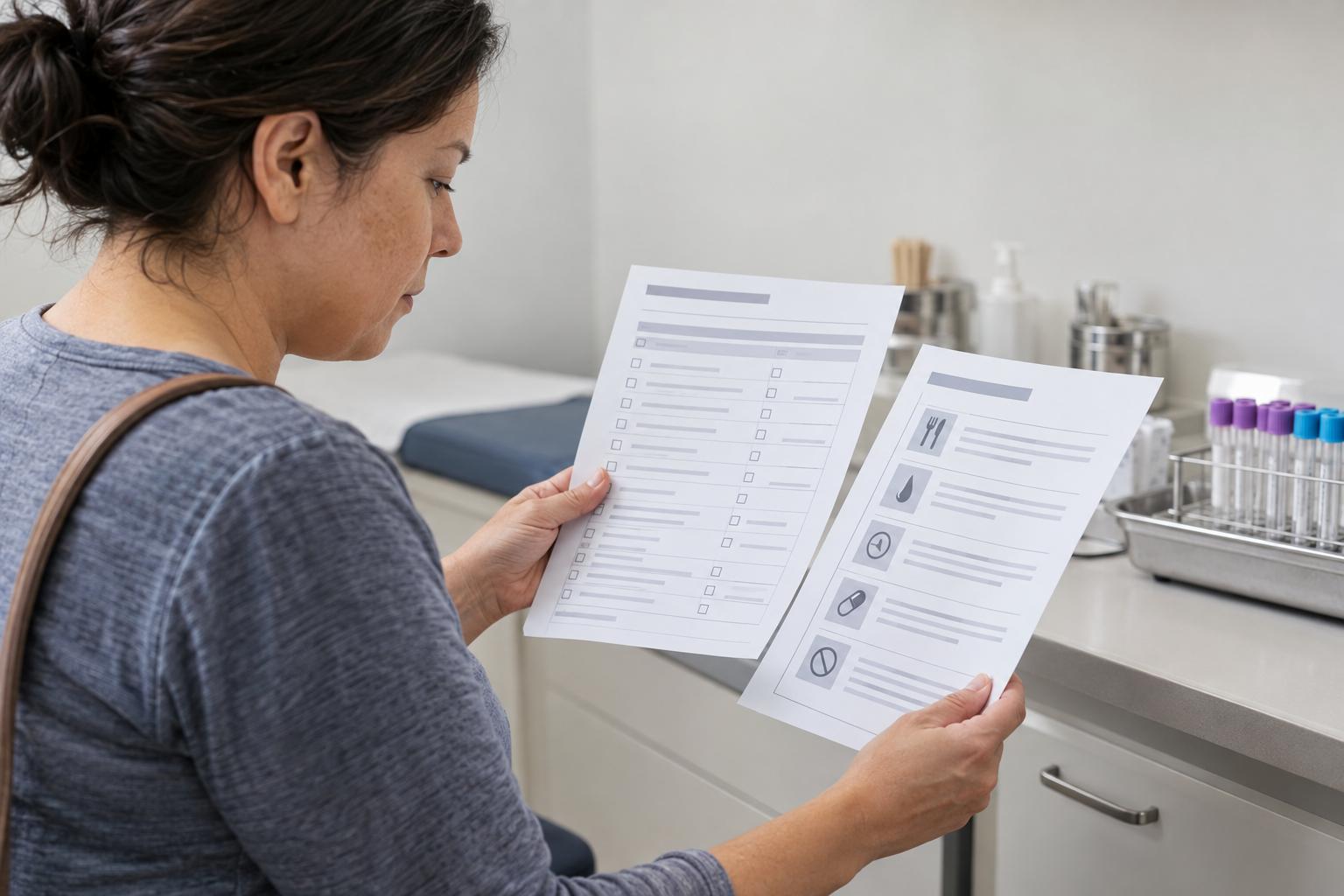
Several Tests in One Visit: How to Plan Your Preparation Without Changing Your Routine on Your Own
If you have several laboratory tests for a metabolic evaluation, confirm the preparation required for each one and ask the laboratory which tests can be done during the same visit.

5 min de lectura
Publicado: 25 de octubre de 2026 · Actualizado: 25 de octubre de 2026
Skin Fold Irritation: When Redness Needs Evaluation
Moisture and friction can irritate skin folds, but redness does not confirm the cause. Learn which changes warrant evaluation, when to seek prompt care, and how to care for the area without making it worse.

5 min de lectura
Publicado: 12 de octubre de 2026 · Actualizado: 12 de octubre de 2026
Obesity and Scheduled Surgery: Coordinating Treatment and Follow-Up Around Your Operation
A guide to discussing obesity treatments with your surgical team before non-bariatric surgery and agreeing on how to resume treatment and arrange follow-up during recovery.
5 min de lectura
Publicado: 5 de octubre de 2026 · Actualizado: 5 de octubre de 2026
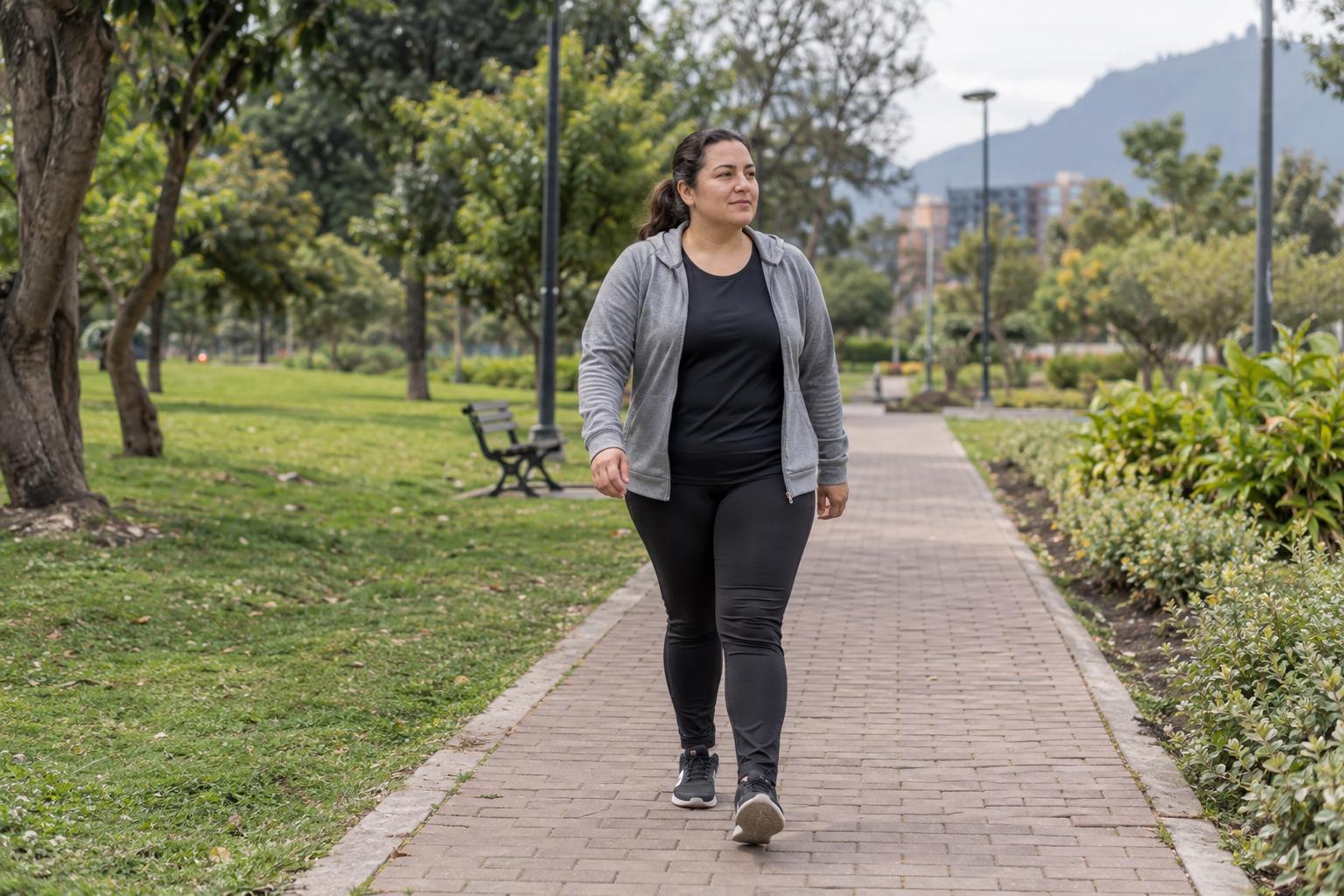
Getting Back to Physical Activity with Obesity: How to Start with Realistic Goals
Ideas for getting moving again after a period of inactivity: how to choose functional goals, adapt them to your abilities, and recognize when to stop.

5 min de lectura
Publicado: 30 de septiembre de 2026 · Actualizado: 30 de septiembre de 2026
Changes in Your Body and Obesity: What You Can Notice Without Self-Diagnosing
A change in weight or the way your clothes fit does not diagnose obesity or reveal its cause. Learn what to observe and when to seek a clinical evaluation.