Educational article
Bones and Everyday Life: Which Risk Factors Can Be Reviewed

Educational content. It does not replace an individual medical assessment and should not be used for self-medication.

Introduction: Reviewing Habits Is Not About Assigning Blame
Osteoporosis may be related to several factors that combine differently in each person. Some everyday factors can be reviewed as part of an assessment, but they do not explain every case on their own. Discussing them can help identify care options without attributing the condition to a lack of willpower or past decisions.
What You Can Discuss With Your Health Care Team
It may be helpful to discuss current or past tobacco use, alcohol consumption, physical activity, and any concerns about diet. Your health care team considers these details along with your age, medical history, health conditions, mobility, and other aspects of your personal history. You do not need to change everything at once or come with prepared answers.
Tobacco: Reviewing Current Use and History
Smoking is one factor that may be considered when discussing bone health. If you smoke, you can share how much you smoke and for how long, and ask what support is available to help you quit. If you have already quit, that history is also useful; it does not explain bone health on its own and is not a reason for reproach.
Alcohol: Discussing Consumption Without Fear of Judgment
High alcohol consumption may be relevant when assessing osteoporosis risk. If you are concerned about how much or how often you drink, discussing it can help clarify your situation and explore realistic options. What is appropriate depends on the person and their health context.
Physical Activity: Taking Your Individual Situation Into Account
Movement may be part of a conversation about bone health, but appropriate activity varies depending on mobility, balance, pain, other conditions, and fracture history. If you have limitations, a relevant history, or questions about what activity is appropriate, consult your health care team. You do not need to start a demanding routine to discuss the topic.
Diet: Reviewing Your Overall Pattern, Not Pursuing a Perfect Diet
Diet may be considered as part of an overall assessment. Mention any dietary restrictions, difficulties eating, major changes to your diet, or concerns about nutrients. There is no universal eating plan for everyone, and this article does not recommend supplements.
A Modifiable Factor Does Not Determine the Cause
Identifying an aspect that can be reviewed does not prove that it caused osteoporosis. People with different habits can develop the condition, and factors combine with circumstances that cannot always be changed. The goal of the conversation is to consider options that may be useful in your current situation, not to criticize past decisions.
Conclusion: Choose One Specific Question
You can begin with the concern that matters most to you: ask about support to quit smoking, discuss alcohol consumption, or review what physical activity is appropriate for your situation. A plan should take your priorities, resources, health, and mobility into account. If you cannot make a change right now, you can say so and explore other options with your health care team.
When to seek medical care
If symptoms persist, test results are abnormal, or you have questions about medication, arrange an individual assessment. Do not change treatment or doses without medical guidance.
Frequently asked questions
Does having osteoporosis mean I did something wrong?
No. Osteoporosis is a condition involving multiple factors and is not automatically attributed to a specific habit. Reviewing some aspects can help guide care, but it is not about assigning blame.
Do I have to change all my habits at the same time?
Not necessarily. Options depend on your health, mobility, and circumstances. You can start with one concern and discuss individual alternatives.
Should I start exercising or take supplements to prevent osteoporosis?
There is no universal recommendation that is appropriate for everyone. Ask which options make sense in your case, especially if you have mobility limitations, other health conditions, or a history of fracture.
Does this topic resonate with you?
Every case is different. Book a consultation to review your history, test results and goals with a personalized plan.
More articles about Osteoporosis

5 min de lectura
Publicado: 8 de noviembre de 2026 · Actualizado: 8 de noviembre de 2026
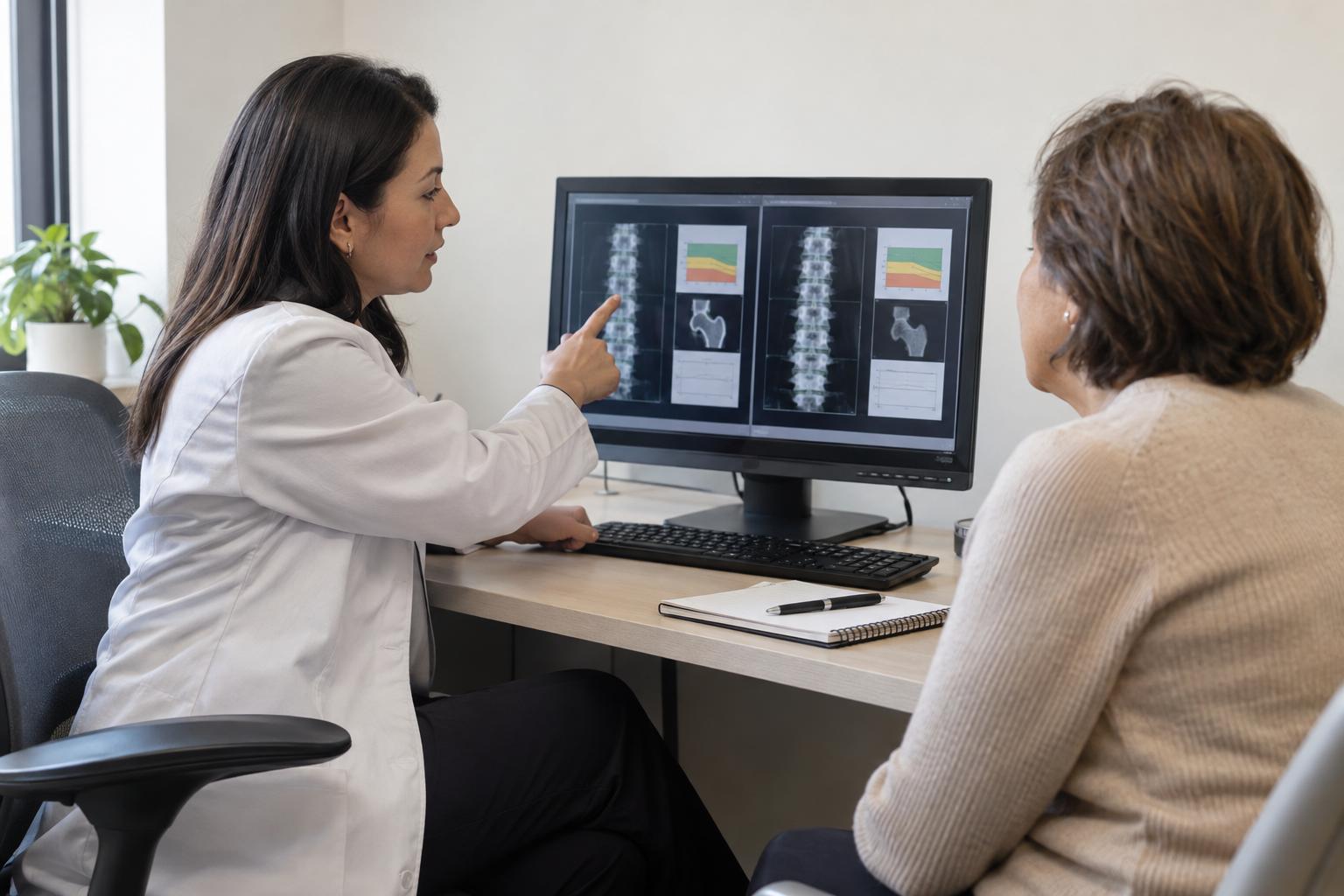
Moving with Osteoporosis: How to Care for Your Balance and Strength While Staying Active
Physical activity can support strength and mobility with osteoporosis. Learn about its components, how to start gradually, and what to discuss when adapting movement to your needs.
5 min de lectura
Publicado: 6 de noviembre de 2026 · Actualizado: 6 de noviembre de 2026
Osteoporosis Treatment: How to Measure Progress Beyond Bone Density Scans
The response to osteoporosis treatment is not usually something you can feel day to day. Learn how fractures, adherence to the treatment plan, and bone density scans are interpreted to assess risk and decide on next steps.

5 min de lectura
Publicado: 2 de noviembre de 2026 · Actualizado: 2 de noviembre de 2026
Osteoporosis and Travel: Plan Your Checkups and Care Before You Leave
Review what to coordinate before traveling if you have osteoporosis: upcoming checkups, prescribed medications, instructions for the journey, and what to do if you fall.

5 min de lectura
Publicado: 30 de octubre de 2026 · Actualizado: 30 de octubre de 2026
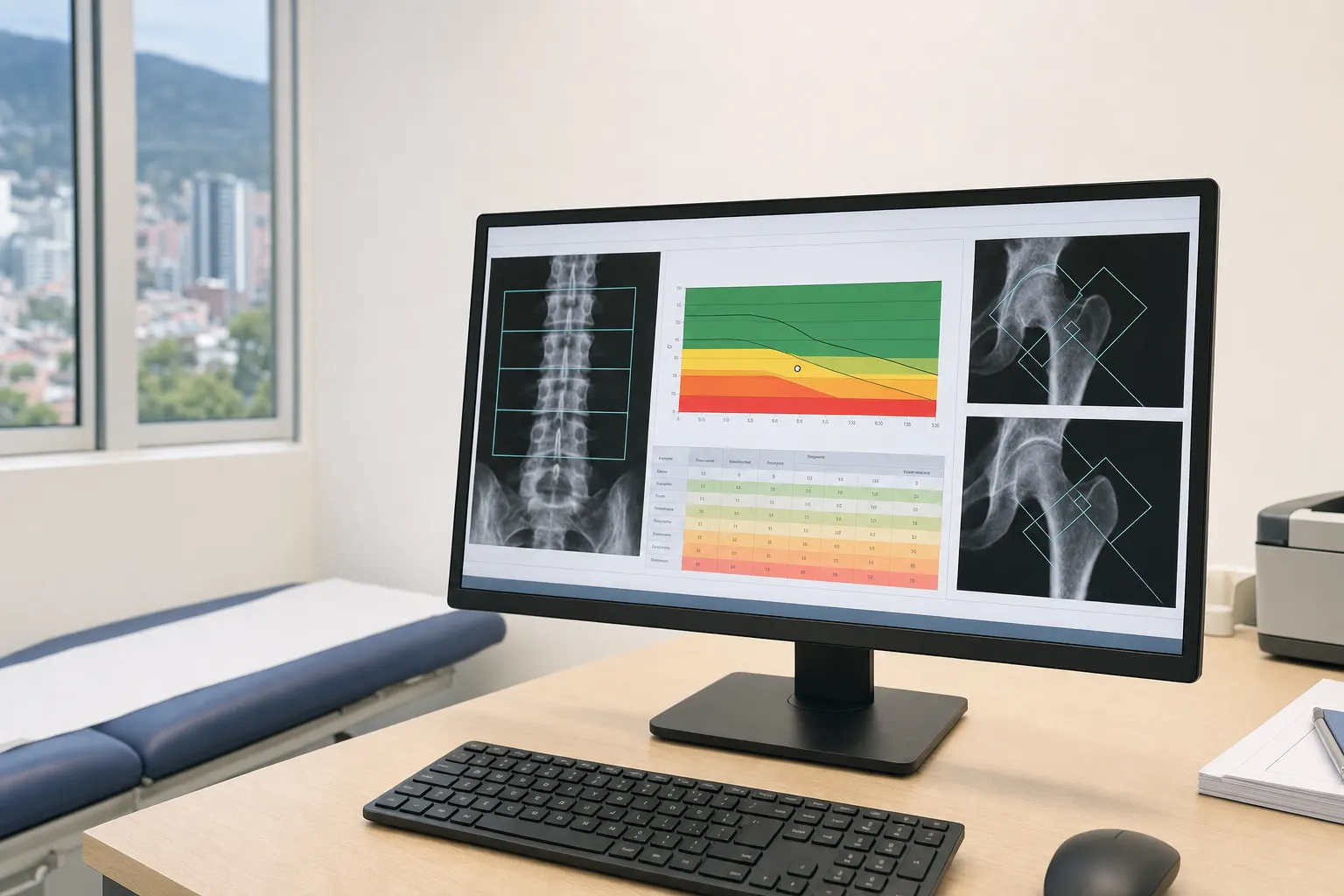
From Fragile Bones to Fracture: What Predisposes You and What Can Trigger It
A fall can precipitate a fracture, but it usually does not explain preexisting bone fragility on its own. Learn about factors that may predispose someone to osteoporosis and how bone health is evaluated after a fracture.
5 min de lectura
Publicado: 2 de octubre de 2026 · Actualizado: 2 de octubre de 2026
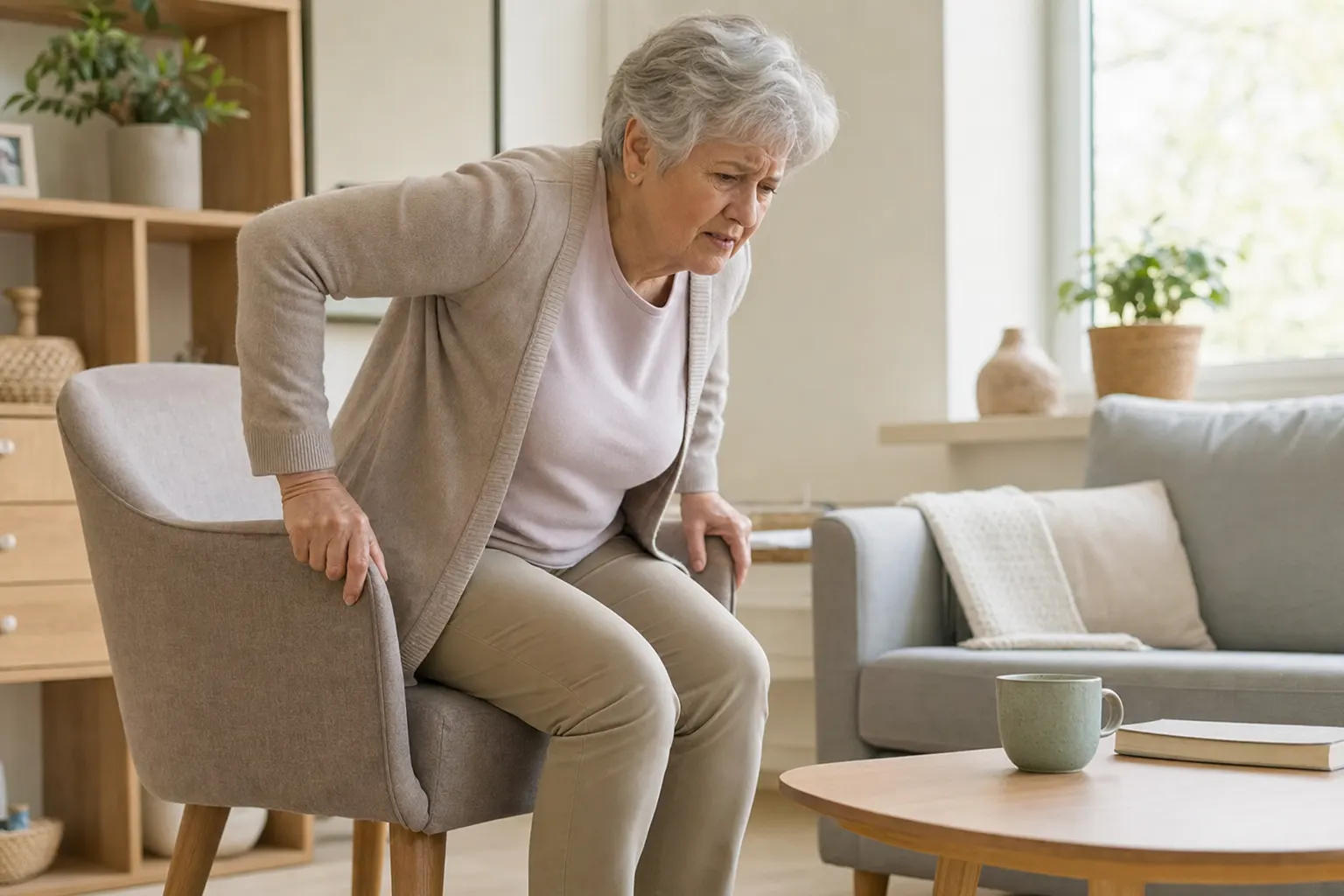
Key Factors for Diagnosing Osteoporosis: Personal History and Essential Data
Analyzes the personal history and essential data for an accurate diagnosis of osteoporosis in Bogotá.
5 min de lectura
Publicado: 28 de septiembre de 2026 · Actualizado: 28 de septiembre de 2026
Osteoporosis: Signs You Should Watch For Before Consulting a Specialist
Discover the signs and symptoms of osteoporosis you should watch for to seek medical help in time.