Educational article
Can a Blow Cause Osteoporosis? How to Tell What Caused a Fracture

Educational content. It does not replace an individual medical assessment and should not be used for self-medication.
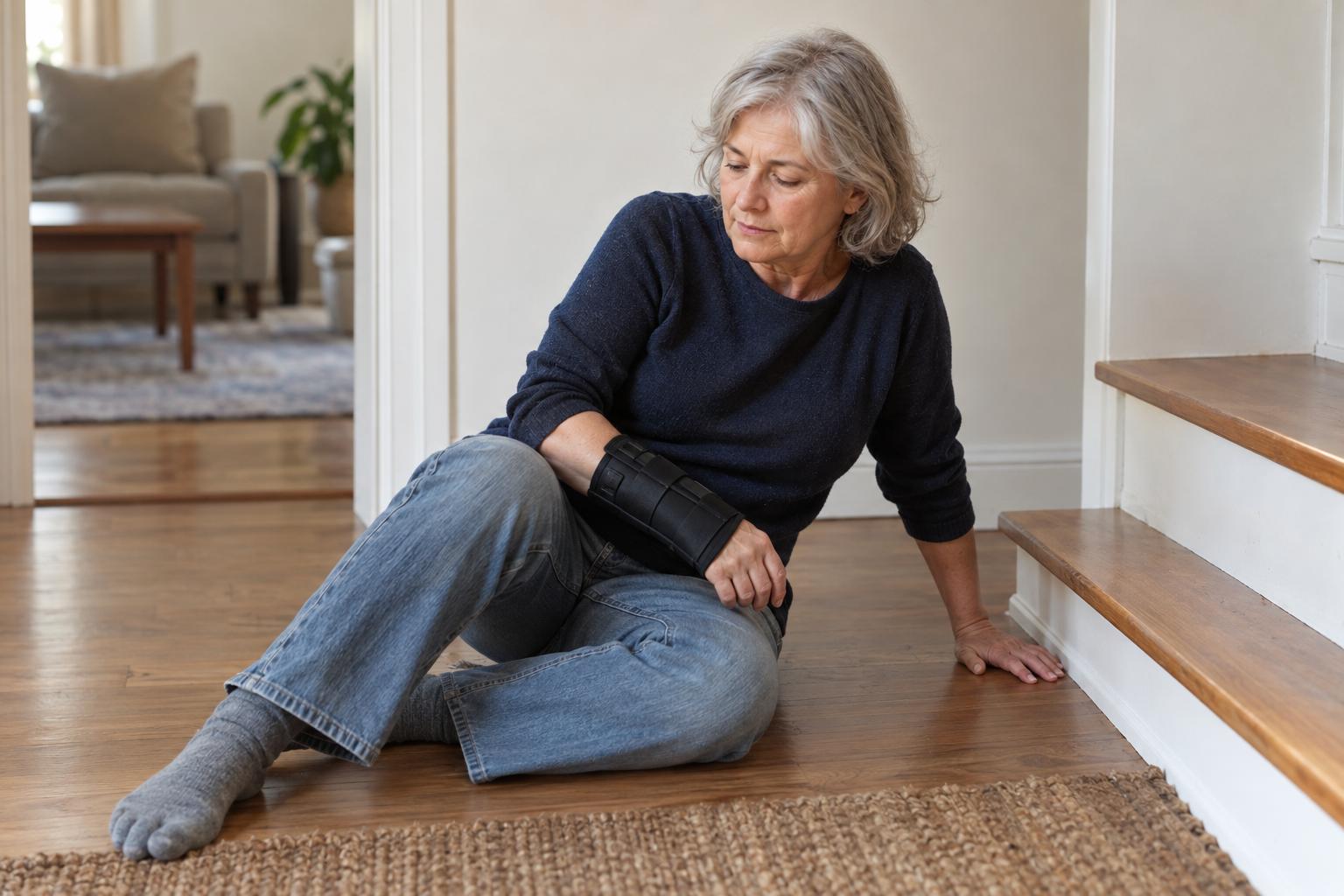
A blow can fracture a bone, but it usually does not cause osteoporosis right away
Osteoporosis weakens bones and increases the risk of fractures. It does not develop immediately because of a blow. Trauma can break a bone; the force of the impact, the type of fall, and the person’s history help determine whether it may also be appropriate to evaluate bone health.
Not all fractures occur from the same amount of force
A fracture after a strong collision, a fall from a considerable height, or a high-energy accident may be explained by the severity of the trauma, even without osteoporosis. In contrast, a fracture after a minor fall from standing height or during an everyday activity may lead the healthcare team to consider whether the bone was weakened. This type of injury is often called a fragility fracture.
A fracture may be a clue, not confirmation
A fracture after a minor impact may warrant an evaluation, but it does not by itself prove that a person has osteoporosis. Age, the bone affected, how the accident happened, and medical history help put the case in context. The healthcare team decides whether tests are needed and which ones are appropriate.
Why evaluate bone health after a fracture?
Sometimes, a fracture after minor trauma is the first indication that bone strength may be impaired. Reviewing the circumstances can help determine whether osteoporosis or another explanation may be involved and assess the risk of future fractures. Depending on the case, the evaluation may include a medical history and bone health tests.
What history to share with the healthcare team
Describe how the fall happened and from what height; which bone was injured and whether you have had other fractures; and whether any previous injury occurred after a minor blow or during an everyday activity. Also mention current or past illnesses and treatments that may be relevant. If you had a prolonged period of immobilization, mention it: its significance depends on the reason and duration.
When to seek care
A significant injury, deformity, severe pain, or difficulty moving or putting weight on a limb requires prompt attention. Do not wait for a bone health evaluation to have the fracture assessed. Once the injury has been treated, tell the healthcare team if it happened after a minor blow, if you have had other fractures, or if you have a history that may affect your bones. A bone health evaluation complements fracture care; it does not replace it.
Common misconceptions about blows and osteoporosis
Not every fracture means osteoporosis, and a blow usually does not cause this disease right away. To assess a fracture, healthcare professionals consider the force of the impact, the characteristics of the injury, and the medical history; a single cause cannot be attributed without evaluating the circumstances.
When to seek medical care
If symptoms persist, test results are abnormal, or you have questions about medication, arrange an individual assessment. Do not change treatment or doses without medical guidance.
Frequently asked questions
Does a fracture mean I already had osteoporosis?
Not necessarily. The type of fracture, the force of the trauma, and your history help determine whether it is appropriate to evaluate bone health. A fracture alone does not confirm the diagnosis.
Can a strong blow cause osteoporosis?
A strong blow can cause a fracture, but it usually does not cause osteoporosis immediately. Bone health is assessed by considering medical history and any tests recommended by the healthcare team.
What should I tell the healthcare team after a fracture?
Describe how it happened, the force or height of the fall, the bone affected, previous fractures, illnesses, treatments, and any prolonged periods of immobilization. If the injury is significant or the symptoms are severe, prioritize care for the fracture.
Does this topic resonate with you?
Every case is different. Book a consultation to review your history, test results and goals with a personalized plan.
More articles about Osteoporosis
5 min de lectura
Publicado: 8 de noviembre de 2026 · Actualizado: 8 de noviembre de 2026
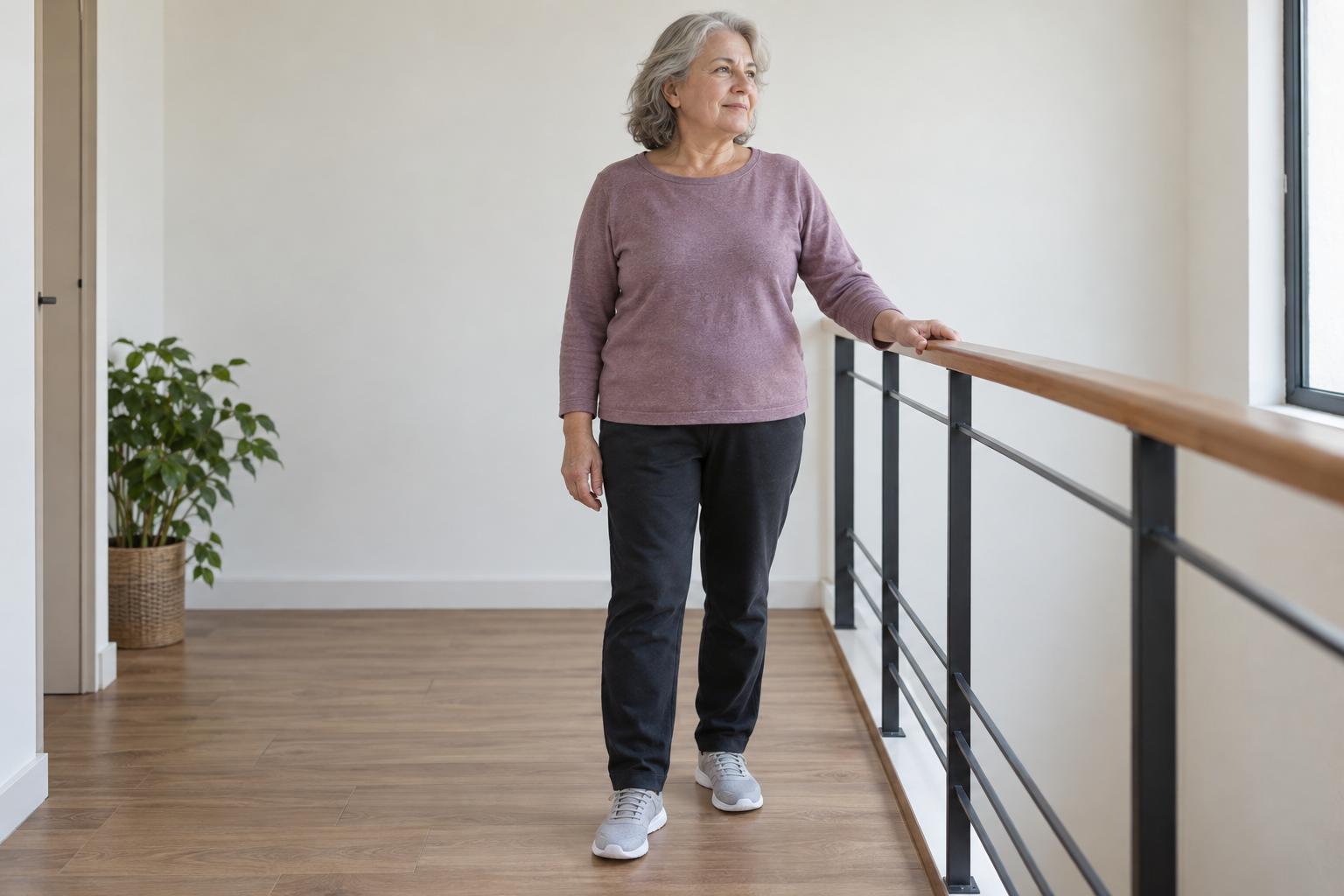
Moving with Osteoporosis: How to Care for Your Balance and Strength While Staying Active
Physical activity can support strength and mobility with osteoporosis. Learn about its components, how to start gradually, and what to discuss when adapting movement to your needs.
5 min de lectura
Publicado: 6 de noviembre de 2026 · Actualizado: 6 de noviembre de 2026
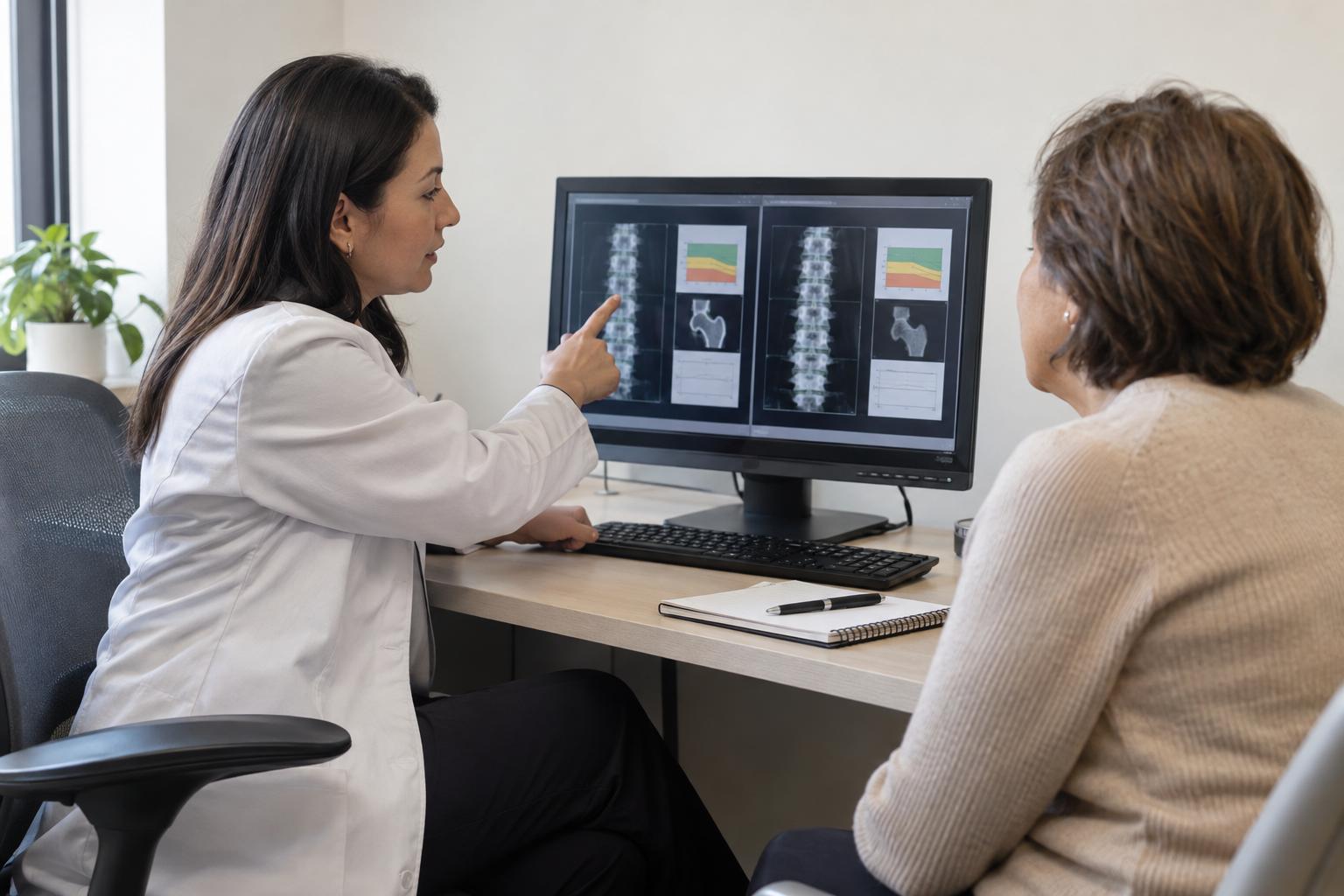
Osteoporosis Treatment: How to Measure Progress Beyond Bone Density Scans
The response to osteoporosis treatment is not usually something you can feel day to day. Learn how fractures, adherence to the treatment plan, and bone density scans are interpreted to assess risk and decide on next steps.

5 min de lectura
Publicado: 2 de noviembre de 2026 · Actualizado: 2 de noviembre de 2026
Osteoporosis and Travel: Plan Your Checkups and Care Before You Leave
Review what to coordinate before traveling if you have osteoporosis: upcoming checkups, prescribed medications, instructions for the journey, and what to do if you fall.
5 min de lectura
Publicado: 30 de octubre de 2026 · Actualizado: 30 de octubre de 2026
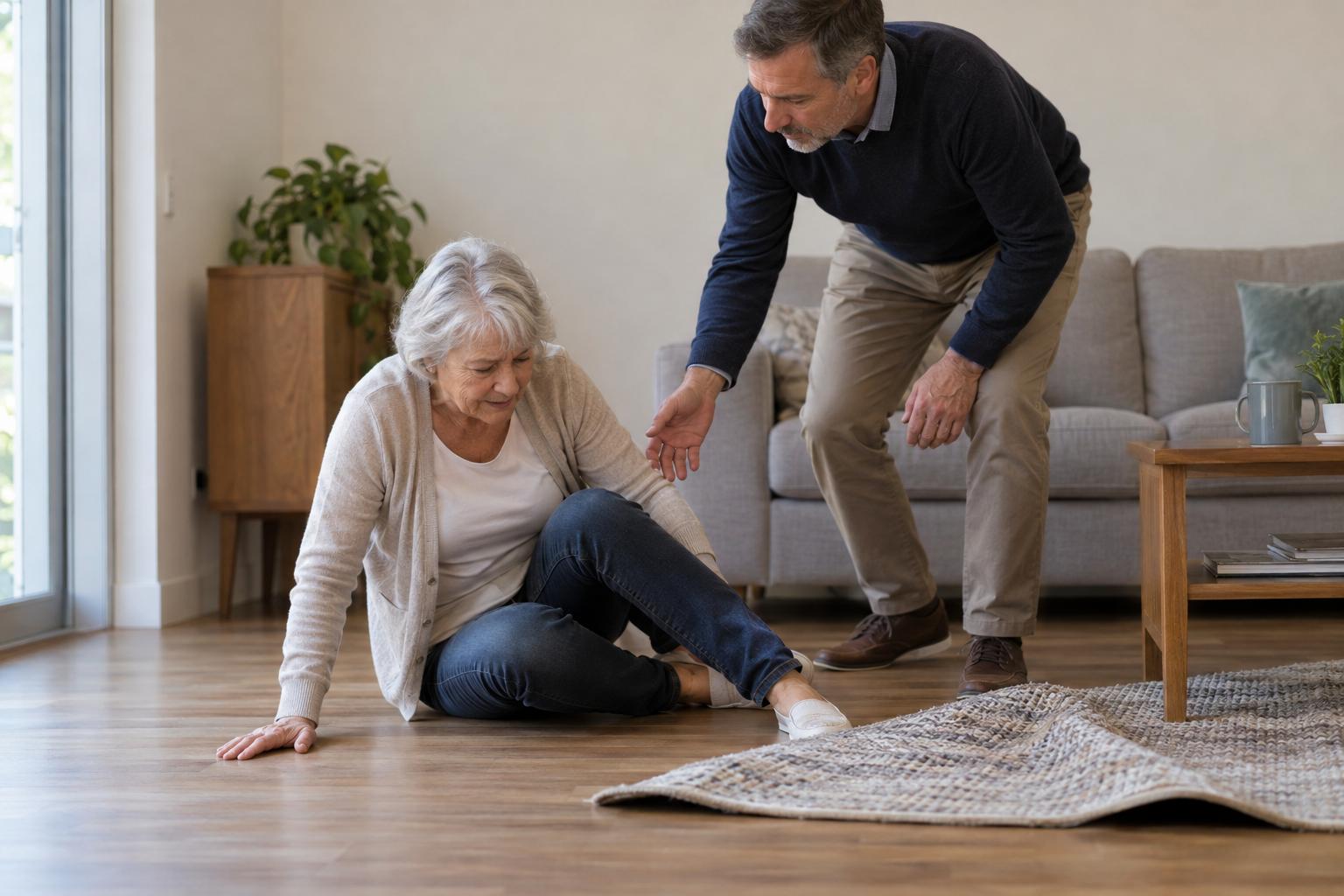
From Fragile Bones to Fracture: What Predisposes You and What Can Trigger It
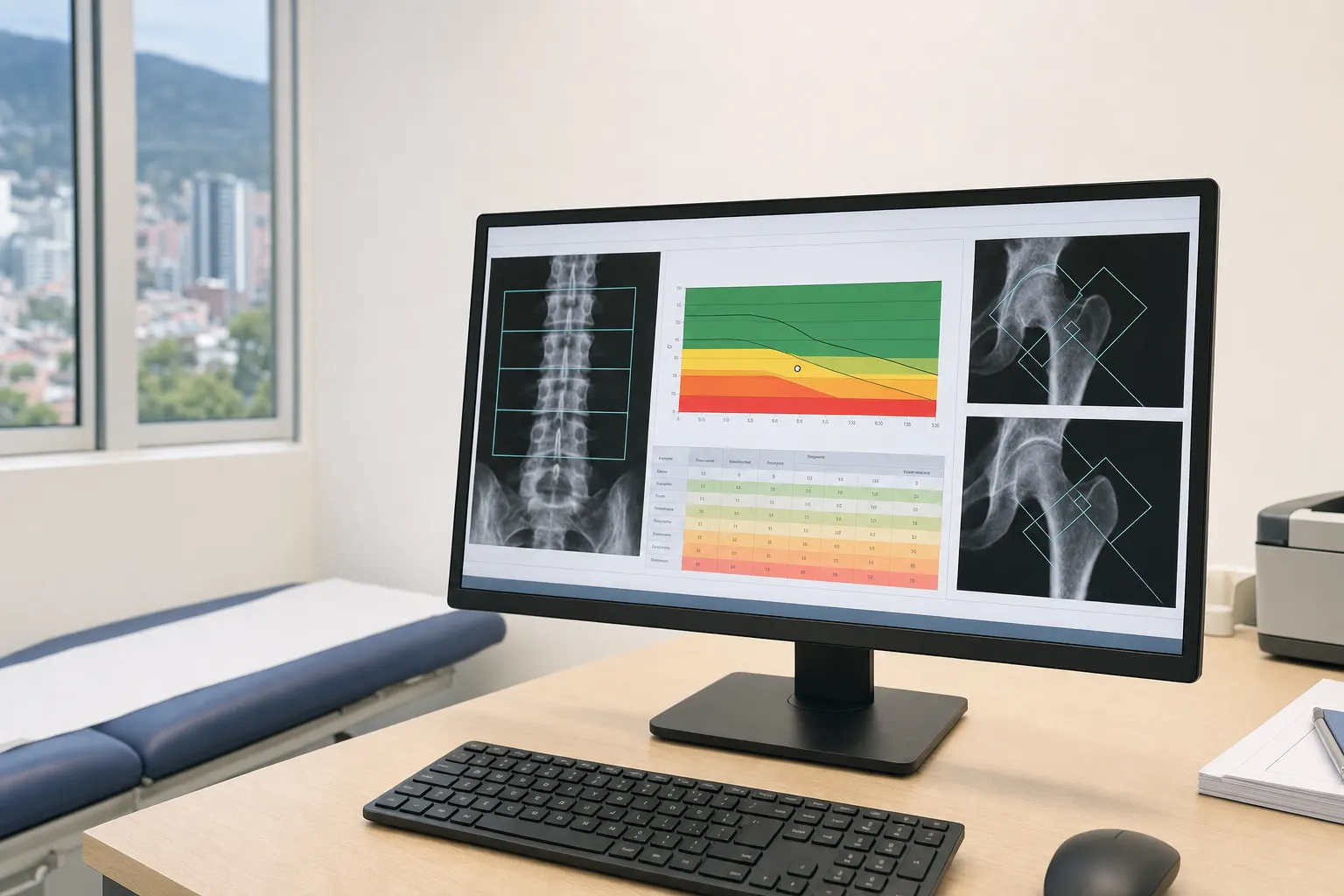
A fall can precipitate a fracture, but it usually does not explain preexisting bone fragility on its own. Learn about factors that may predispose someone to osteoporosis and how bone health is evaluated after a fracture.
5 min de lectura
Publicado: 2 de octubre de 2026 · Actualizado: 2 de octubre de 2026
Key Factors for Diagnosing Osteoporosis: Personal History and Essential Data
Analyzes the personal history and essential data for an accurate diagnosis of osteoporosis in Bogotá.
5 min de lectura
Publicado: 28 de septiembre de 2026 · Actualizado: 28 de septiembre de 2026
Osteoporosis: Signs You Should Watch For Before Consulting a Specialist
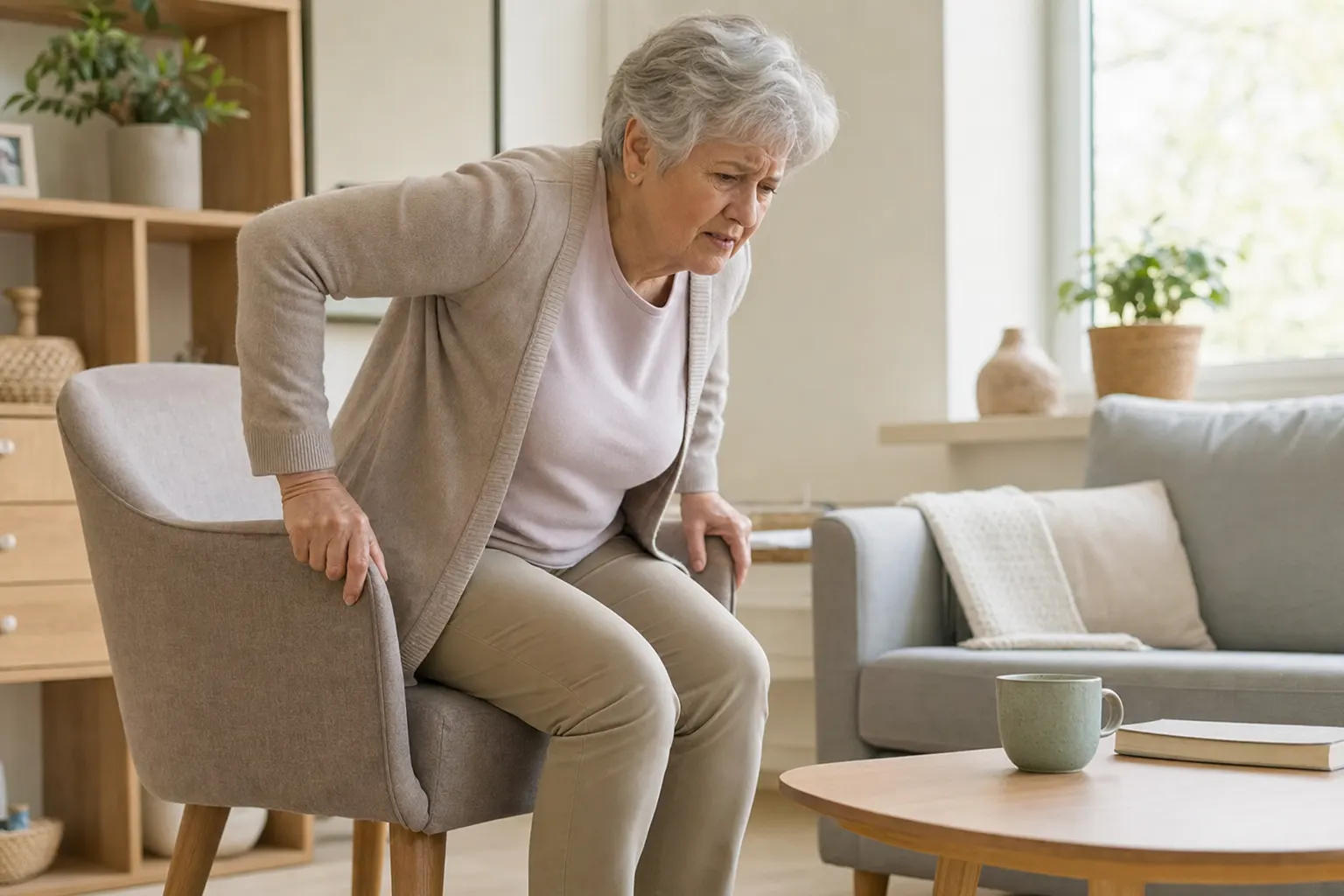
Discover the signs and symptoms of osteoporosis you should watch for to seek medical help in time.