Educational article
Does Osteoporosis Result from Neglecting Your Health? What Habits Don’t Explain

Educational content. It does not replace an individual medical assessment and should not be used for self-medication.
Does having osteoporosis mean I neglected my health?
No. Having osteoporosis does not prove that someone was irresponsible, ate poorly, or failed to exercise. Bone health is related to various factors throughout life; the diagnosis alone does not identify a single cause or allow blame to be assigned.
Can habits affect bone health?
Yes. Some habits, such as smoking, can affect bone health, and diet and physical activity are part of a person’s overall health context. However, the fact that a factor can have an influence does not prove that it caused someone’s osteoporosis or show how much it contributed in an individual case.
What other factors may be associated with osteoporosis?
Age, certain medical history, some treatments, and hormonal factors may also be associated with bone loss or the risk of osteoporosis. Their relevance varies from person to person. Considering the full medical history is more useful than looking for a single explanation.
What can I review, and what is beyond my control?
With professional guidance, it is possible to review current habits and ongoing treatments, among other aspects of health. Age, medical history, and past circumstances cannot be changed. Distinguishing between what can be reviewed and what cannot helps people discuss realistic options without turning the past into a source of blame.
Can changing my habits reverse osteoporosis?
Lifestyle changes can be part of bone health care, but they do not, by themselves, guarantee that osteoporosis can be prevented or reversed. Options depend on each person’s situation and medical history. Do not assume that a specific change replaces the follow-up or treatment recommended for you.
What can I discuss with a healthcare professional?
You can share your medical history, treatments you use or have used, and any questions about your diagnosis. If you feel guilty about past decisions, you can mention that, too. An evaluation can take the full range of factors into account and help you discuss care options suited to your situation, without assuming that you neglected your health.
When should I consult a healthcare professional about osteoporosis?
Talk with a healthcare professional if you have been told you have osteoporosis, have questions about a bone health evaluation, or want to understand how your medical history relates to your current care. This article provides general information and does not replace a clinical evaluation.
When to seek medical care
If symptoms persist, test results are abnormal, or you have questions about medication, arrange an individual assessment. Do not change treatment or doses without medical guidance.
Frequently asked questions
Does osteoporosis confirm that I had unhealthy habits?
No. The diagnosis does not confirm a cause or prove neglect. Some habits may have an influence, but factors such as age, certain medical history, treatments, and hormonal factors may also be involved.
Should I feel guilty about past decisions?
The diagnosis does not mean that a past decision was the sole cause of your osteoporosis. You can discuss your medical history and current habits with a healthcare professional, focusing on the care available to you now rather than blame.
Are lifestyle changes enough to treat osteoporosis?
Not necessarily. Lifestyle changes may contribute to overall care, but they do not guarantee that osteoporosis can be prevented or reversed and do not replace a clinical evaluation. Options depend on each case.
Does this topic resonate with you?
Every case is different. Book a consultation to review your history, test results and goals with a personalized plan.
More articles about Osteoporosis

5 min de lectura
Publicado: 8 de noviembre de 2026 · Actualizado: 8 de noviembre de 2026
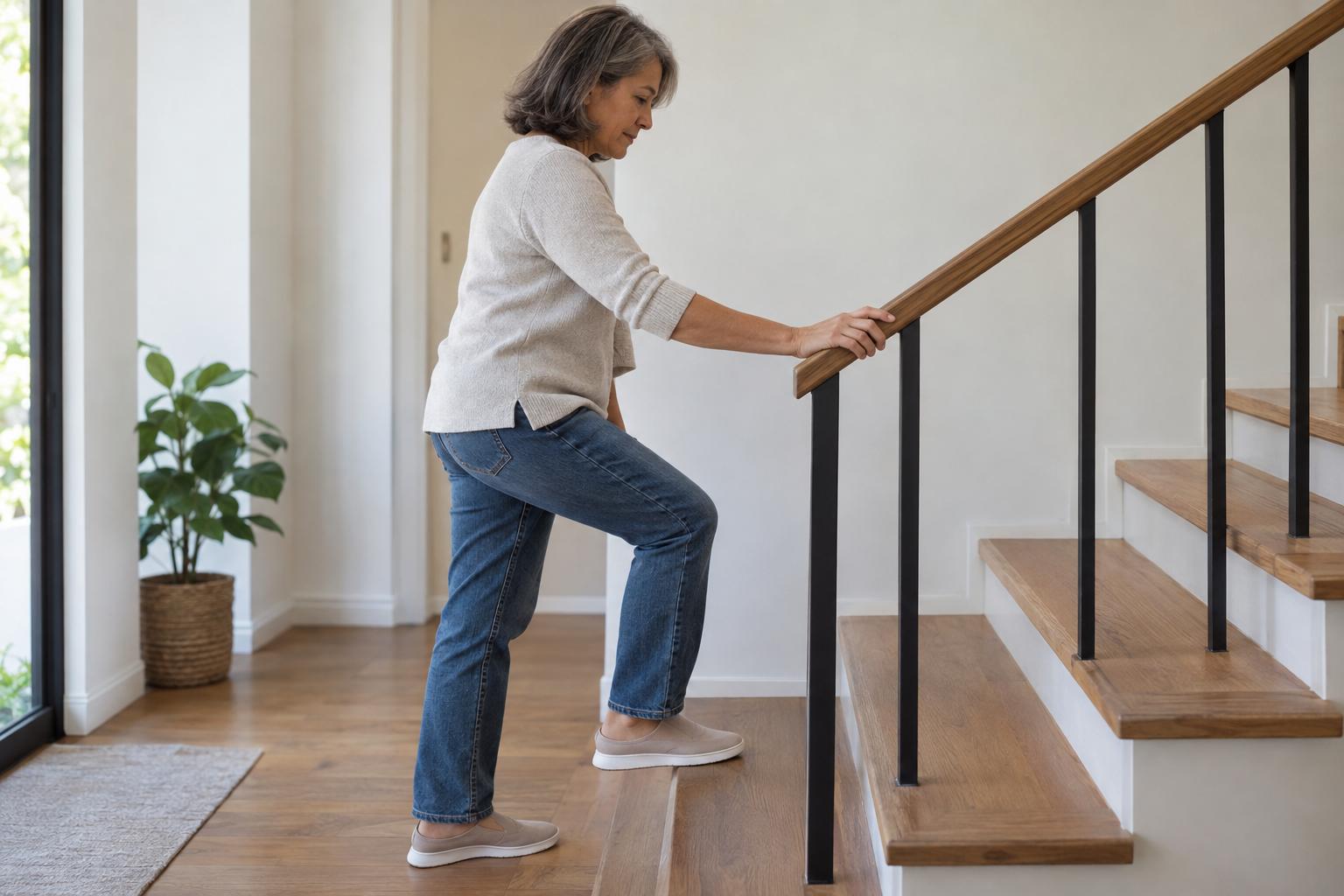
Moving with Osteoporosis: How to Care for Your Balance and Strength While Staying Active
Physical activity can support strength and mobility with osteoporosis. Learn about its components, how to start gradually, and what to discuss when adapting movement to your needs.
5 min de lectura
Publicado: 6 de noviembre de 2026 · Actualizado: 6 de noviembre de 2026
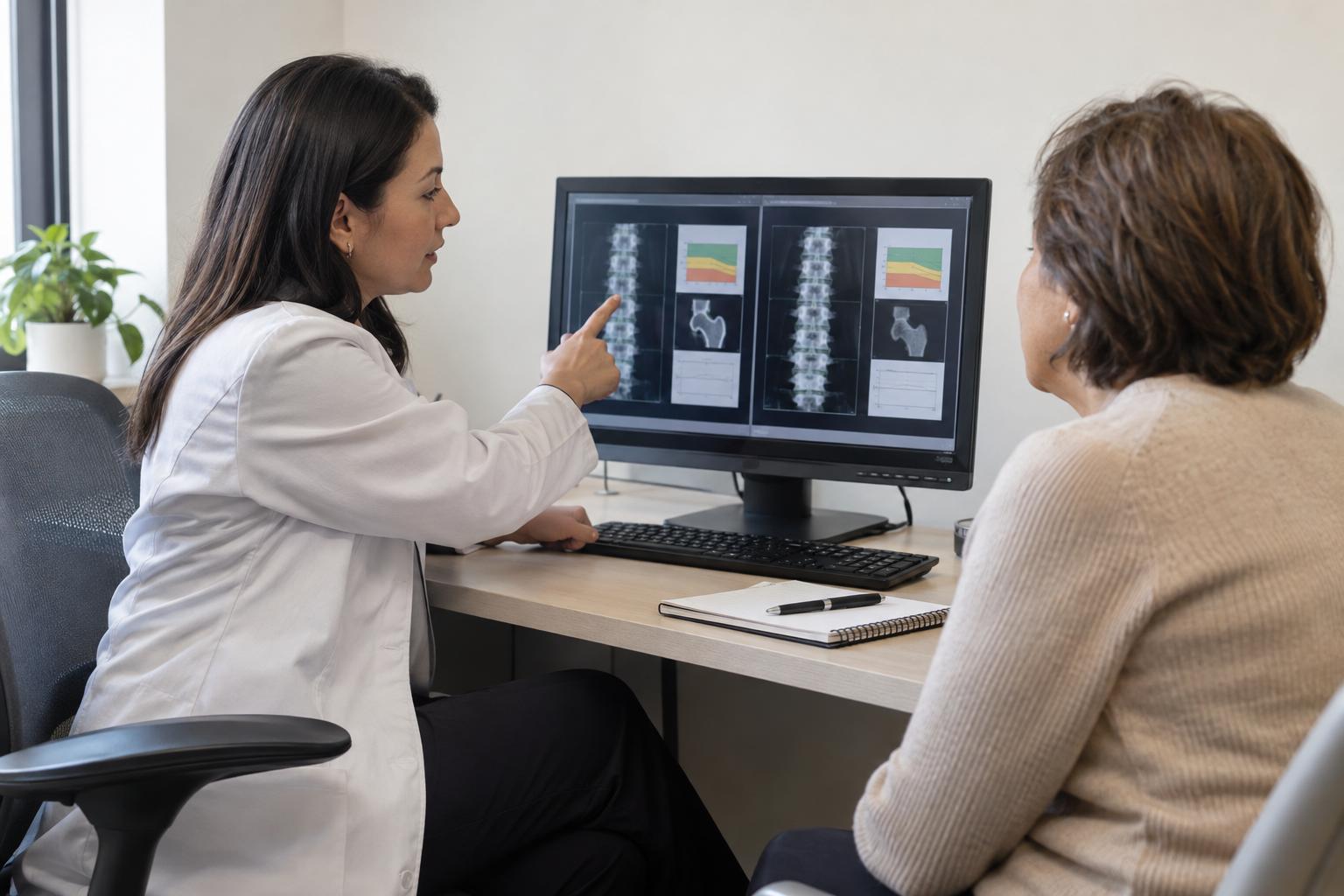
Osteoporosis Treatment: How to Measure Progress Beyond Bone Density Scans
The response to osteoporosis treatment is not usually something you can feel day to day. Learn how fractures, adherence to the treatment plan, and bone density scans are interpreted to assess risk and decide on next steps.

5 min de lectura
Publicado: 2 de noviembre de 2026 · Actualizado: 2 de noviembre de 2026
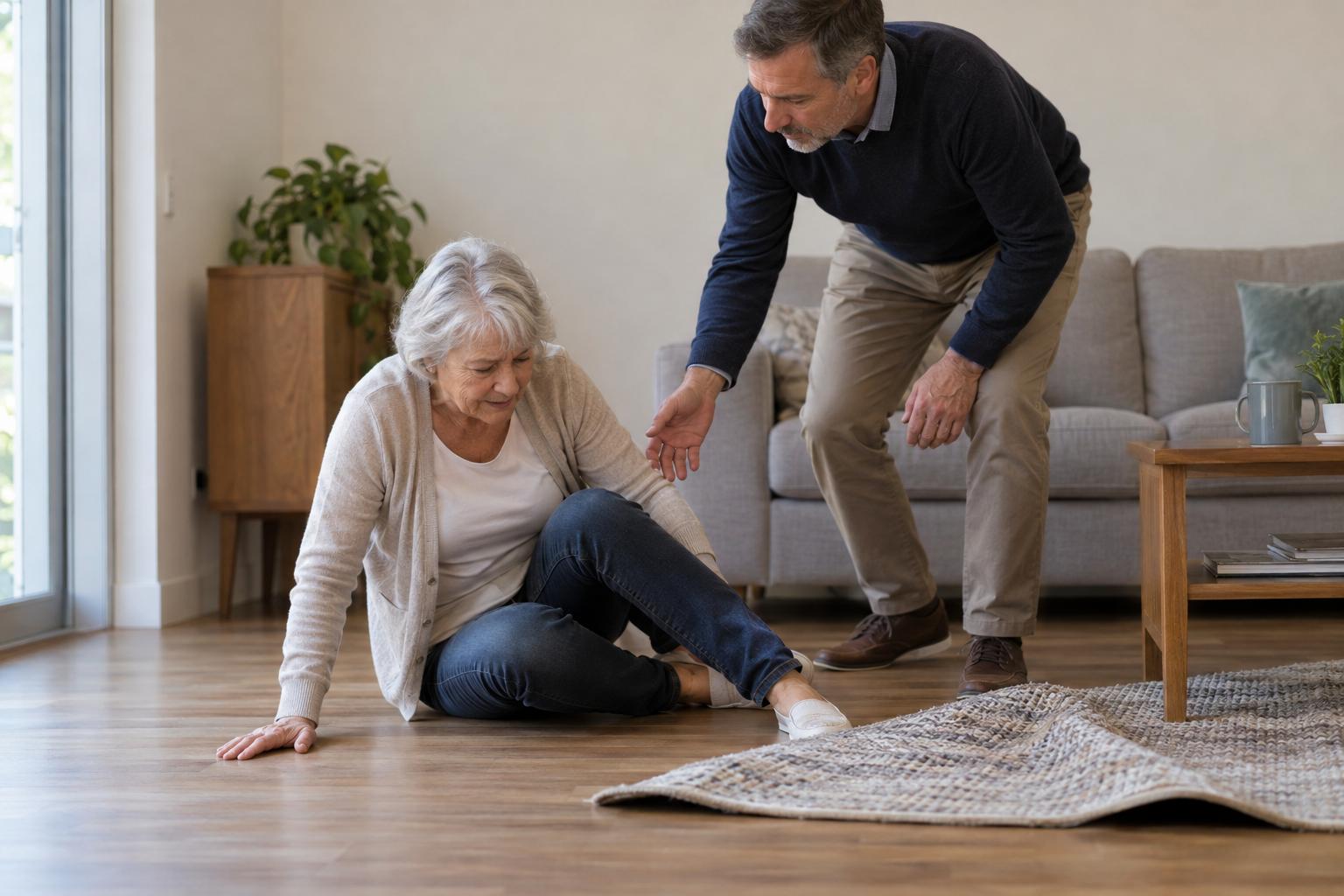
Osteoporosis and Travel: Plan Your Checkups and Care Before You Leave
Review what to coordinate before traveling if you have osteoporosis: upcoming checkups, prescribed medications, instructions for the journey, and what to do if you fall.
5 min de lectura
Publicado: 30 de octubre de 2026 · Actualizado: 30 de octubre de 2026
From Fragile Bones to Fracture: What Predisposes You and What Can Trigger It
A fall can precipitate a fracture, but it usually does not explain preexisting bone fragility on its own. Learn about factors that may predispose someone to osteoporosis and how bone health is evaluated after a fracture.
5 min de lectura
Publicado: 2 de octubre de 2026 · Actualizado: 2 de octubre de 2026
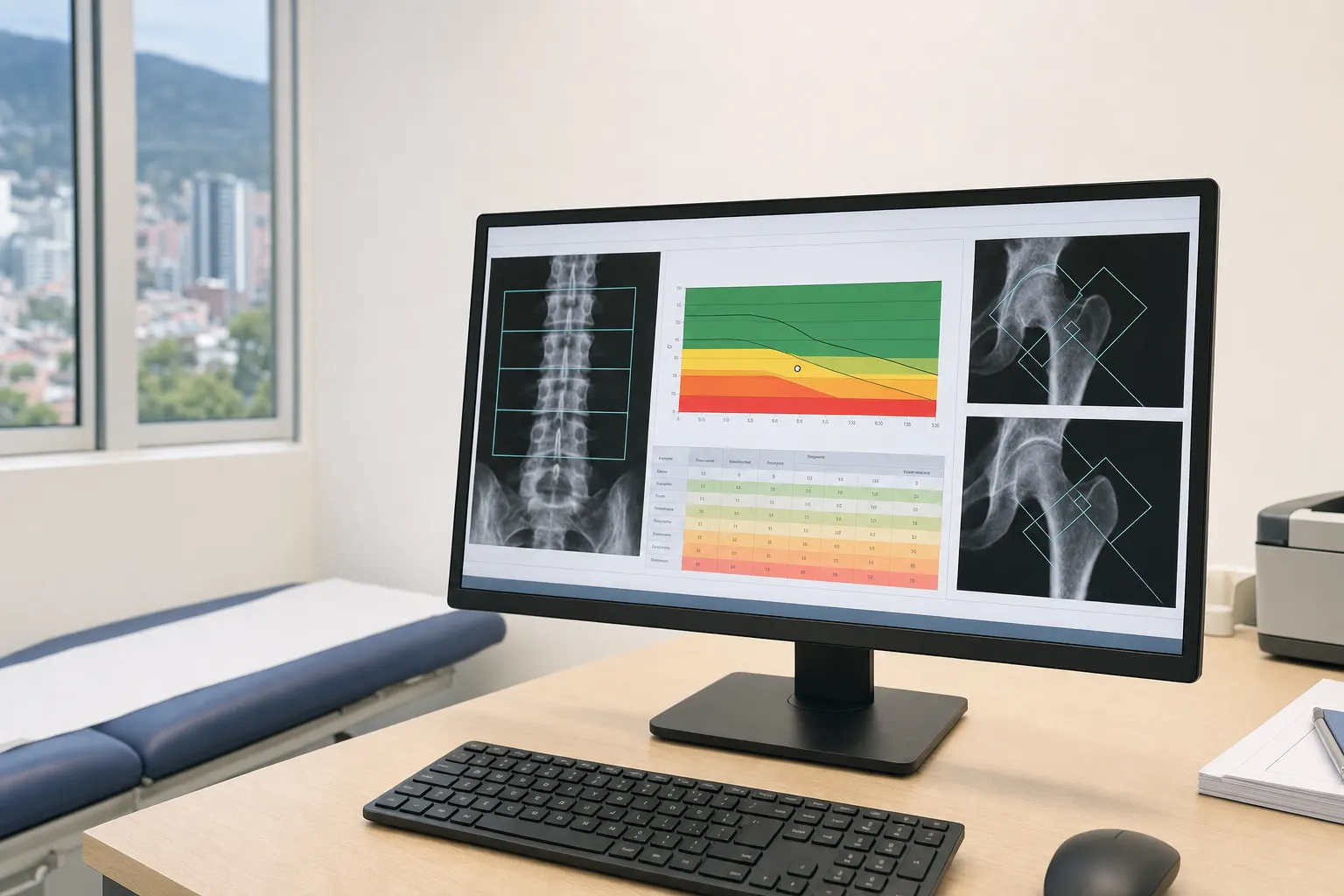
Key Factors for Diagnosing Osteoporosis: Personal History and Essential Data
Analyzes the personal history and essential data for an accurate diagnosis of osteoporosis in Bogotá.
5 min de lectura
Publicado: 28 de septiembre de 2026 · Actualizado: 28 de septiembre de 2026
Osteoporosis: Signs You Should Watch For Before Consulting a Specialist
Discover the signs and symptoms of osteoporosis you should watch for to seek medical help in time.